A standby generator is not a purchase you want to judge by how it looks in a brochure. When utility power fails at 2 a.m. during a winter storm or a summer heat wave, the real question is whether the system starts, carries the right loads, and keeps operating safely. This automatic standby generator review focuses on the factors that separate a dependable backup-power system from an expensive piece of equipment that leaves you guessing when an outage arrives.
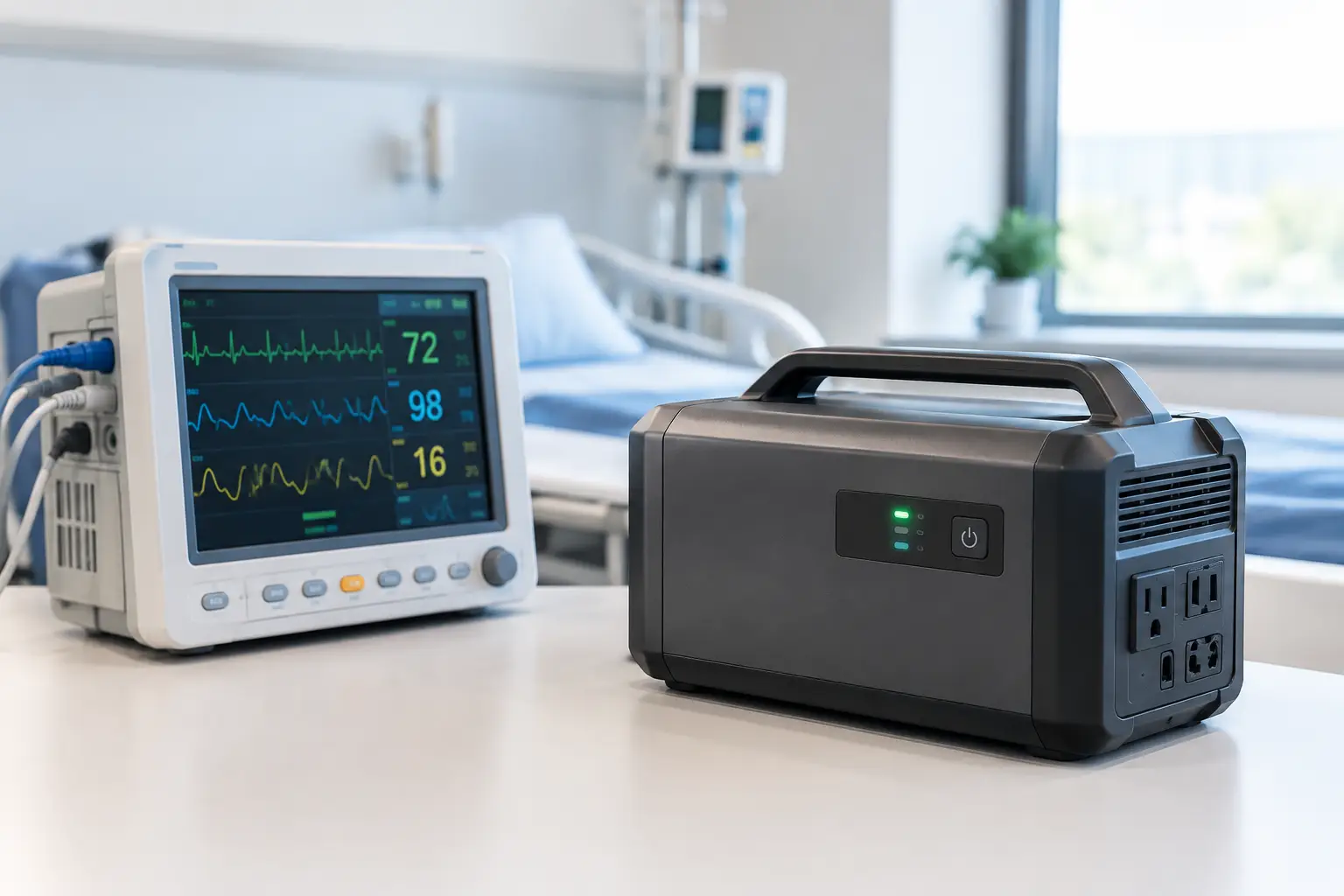
For homeowners, that can mean protecting food, heat or air conditioning, well pumps, internet service, sump pumps, and medical equipment. For a business, it may mean preserving inventory, keeping security systems live, protecting servers, or avoiding a disruptive shutdown. The generator itself matters, but the design, installation, fuel supply, and service behind it matter just as much.
What an Automatic Standby Generator Should Do
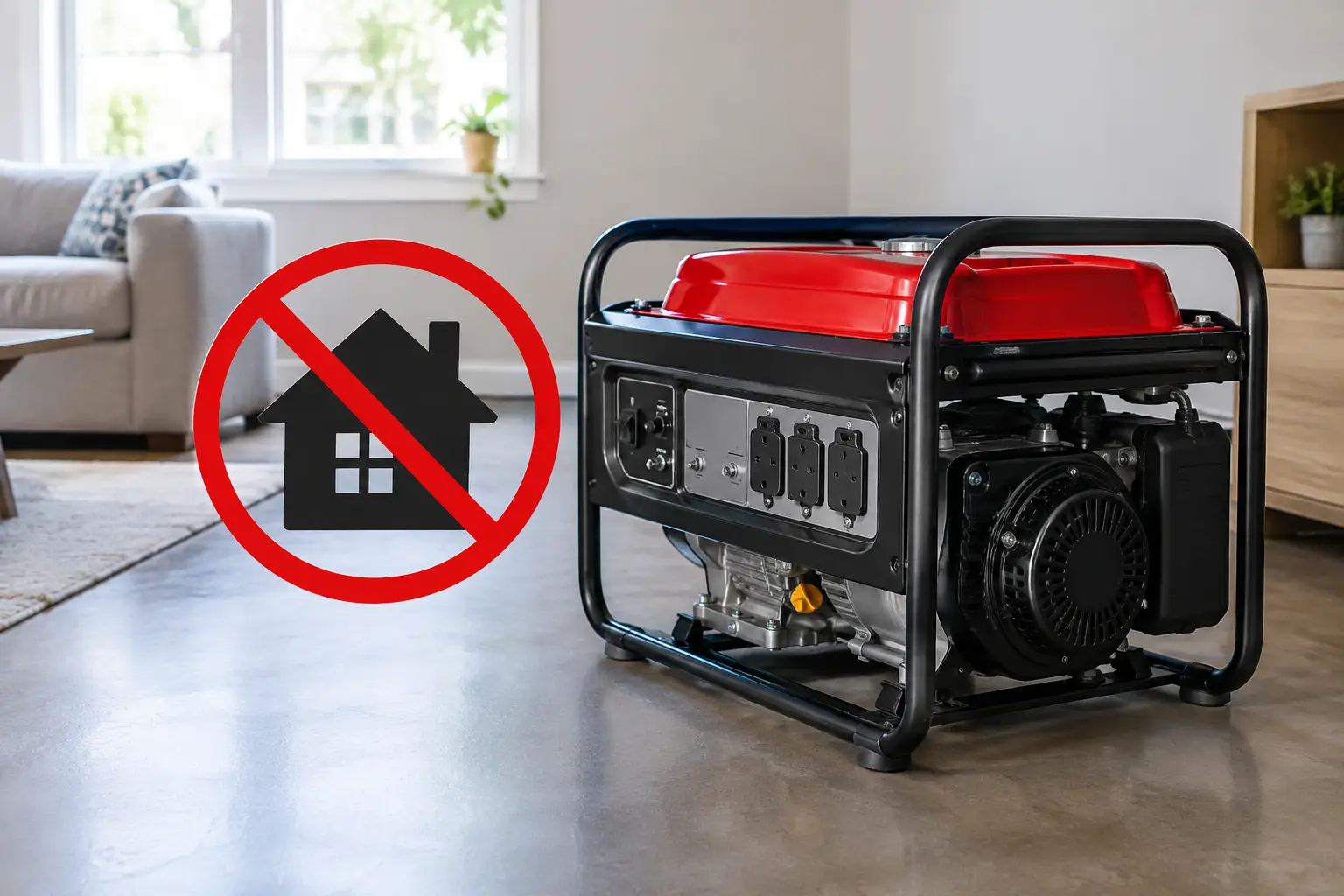
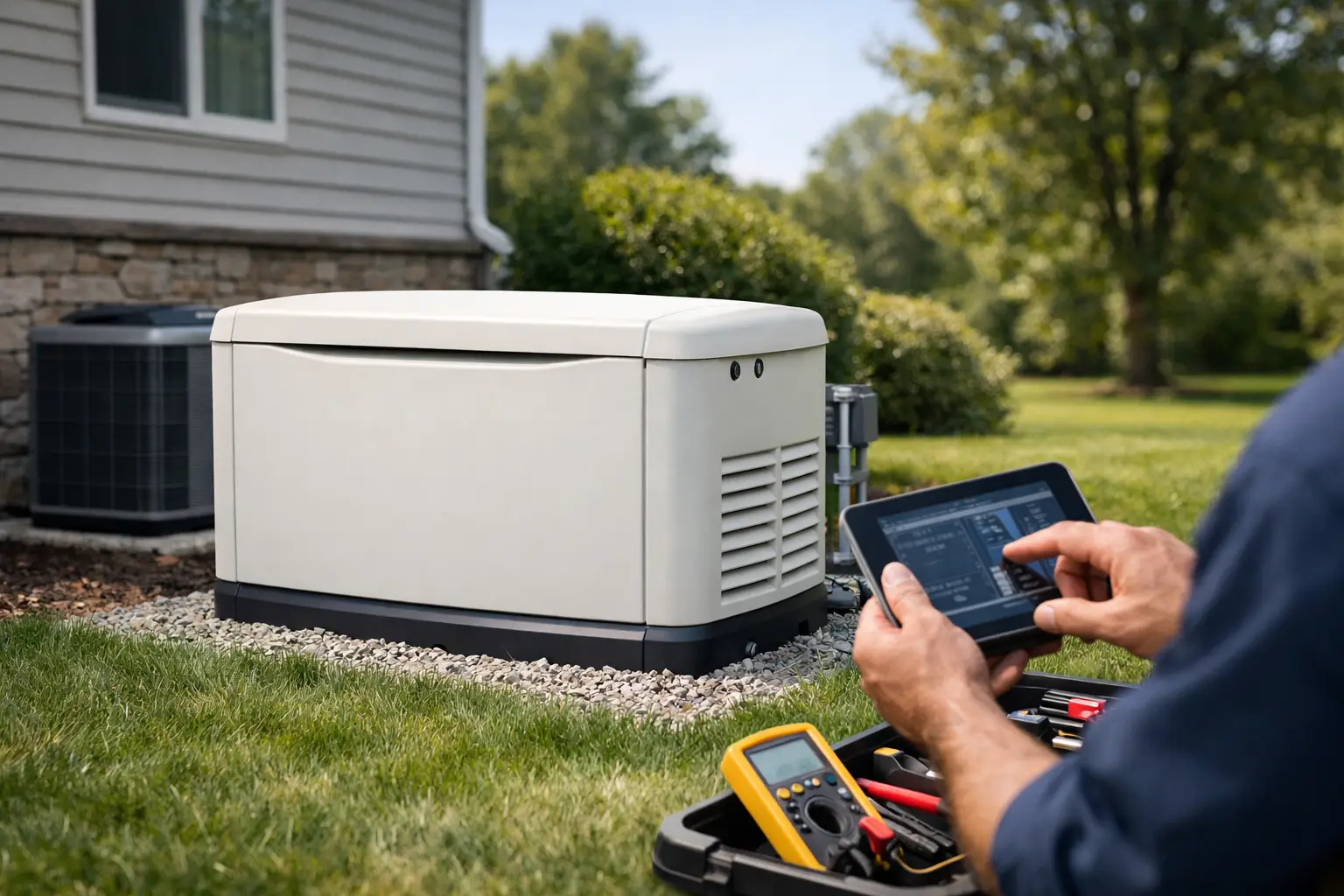
An automatic standby generator is permanently installed outside your home or business and connected to a transfer switch. When the utility fails, the system detects the outage, starts the generator, and transfers selected electrical loads to backup power. When utility power returns and stabilizes, it transfers the building back and shuts the generator down after a programmed cool-down period.
That process should happen without hauling out extension cords, opening a garage door in bad weather, or being present at the property. A properly designed system is there to protect continuity, not create another task during an already stressful event.
The best systems also exercise themselves regularly, report operating status, and provide fault alerts. Those features are useful, but they are not a replacement for hands-on maintenance and responsive service. Remote monitoring can tell a technician that a problem exists. It cannot correct a weak battery, fuel issue, worn component, or installation defect on its own.
Automatic Standby Generator Review: The Criteria That Matter
Correct sizing beats a bigger-is-better approach
Generator capacity is often the first number people compare, and it is one of the easiest areas to misunderstand. A unit that is too small may overload when air conditioners, pumps, refrigerators, or other motor-driven equipment start. A unit that is unnecessarily large can add significant cost, use more fuel, and may not be the most efficient fit for the property.
Proper sizing starts with a load assessment. This accounts for the equipment you want powered, the starting demand of motors, electrical panel capacity, fuel type, and whether the goal is whole-home coverage or protection for essential circuits. A remote worker may prioritize office equipment, internet, refrigeration, and HVAC. A homeowner on a well system may need to account for a pump. A business may need to protect specific operations rather than every electrical load in the building.
There is no honest one-size-fits-all answer. A professional recommendation should explain what will run during an outage, what may need to be managed, and why the proposed generator size is appropriate.
Transfer switch design determines what stays on
The transfer switch is central to safe generator operation. It isolates generator power from utility lines, protecting utility workers and preventing dangerous backfeeding. It also determines which circuits or panels receive backup power.
Some properties are best served by a whole-home or whole-building transfer switch. Others benefit from managed-load systems that prioritize essential equipment and prevent high-demand appliances from starting at the same time. For example, a system may manage air conditioning loads while ensuring refrigeration, lighting, communications, and a sump pump remain protected.
A review that talks only about generator wattage but ignores transfer-switch design is incomplete. Backup power is a system, and the transfer strategy is what makes that system practical during a real outage.
Fuel supply is part of reliability
Natural gas, propane, and diesel each have different advantages. Natural gas is convenient where utility service is available and dependable. Propane can provide excellent fuel security when the tank is correctly sized and maintained. Diesel is common in many commercial applications but requires attention to fuel storage, fuel quality, and maintenance.
The key issue is not simply choosing a fuel type. It is verifying that the fuel system can support the generator at the required load. Gas piping must be sized for generator demand along with other appliances that may be operating. Propane tank capacity and winter vaporization performance must be considered. A generator with inadequate fuel supply may start successfully during a test, then struggle when it is needed under sustained load.
Installation quality is where the system earns trust
The difference between a dependable generator and a recurring service problem often comes down to installation workmanship. This includes electrical connections, gas piping, ventilation clearances, mounting location, grounding, load calculations, permits, and startup testing.
Low-cost quotes can leave out the work that makes a system safe and code-compliant. A price may appear attractive until it excludes permit coordination, utility requirements, trenching, transfer equipment, fuel upgrades, or post-install corrections. Clear scope and transparent quoting are more valuable than a vague promise of a quick installation.
A qualified installer should manage the project from site assessment through commissioning. That means coordinating the appropriate permits and inspections, confirming equipment placement, testing automatic operation, and showing the owner how the system works. The job is not complete when the generator is placed on its pad. It is complete when the system has been tested under the conditions it was designed to handle.
Features Worth Paying Attention To
Manufacturer features can improve ownership, especially when they support easier testing, visibility, and service. However, feature lists should be evaluated in the context of the complete installation.
Look for an automatic exercise schedule, clear controller diagnostics, and remote monitoring options that can notify both the owner and service provider of trouble. Cold-weather capability and enclosure durability also matter in regions exposed to snow, ice, heavy rain, and temperature swings. For commercial applications, consider runtime expectations, load priorities, notification requirements, and whether a larger standby system needs more advanced controls.
Noise is another practical consideration. Standby generators make sound when operating, and local codes, property layout, and neighbor proximity may influence where equipment can be placed. The quietest listed generator is not automatically the right choice if it cannot support the necessary loads or meet site requirements. Placement and sound attenuation should be discussed before installation, not after the equipment arrives.
The Ongoing Service Question Most Reviews Miss
A standby generator can sit unused for months, then be asked to operate continuously in severe weather. That is why the relationship after installation deserves as much scrutiny as the generator brand.
Regular maintenance typically includes oil and filter service, battery testing, inspection of belts and hoses where applicable, controller checks, fuel-system review, exercise verification, and operational testing. Service intervals vary by generator model, age, operating hours, and site conditions. A professional maintenance plan gives the system the attention it needs before an outage exposes a problem.
Ask who will answer if the generator displays an alarm, fails an exercise cycle, or needs help during a widespread outage. Ask whether the installer has factory-trained technicians, access to common service parts, and a defined process for ongoing support. A contractor who disappears once the installation is paid for is not a reliable backup-power partner.
How to Evaluate Quotes Without Getting Lost in the Details
When comparing proposals, make sure each quote clearly identifies the generator model and capacity, transfer-switch configuration, fuel work, electrical work, permitting responsibility, startup and testing, warranty coverage, and expected maintenance needs. If one proposal is much lower, find out what is not included rather than assuming it represents the same level of protection.
It is also reasonable to ask how the installer determined the generator size, whether the system can support your highest-priority loads, and what happens if your electrical needs change later. Straight answers are a good sign. Backup power is a long-term infrastructure decision, and you should understand what you are buying before the first outage tests it.
GenTek Power approaches standby systems as a complete responsibility, not a box delivered to your driveway. The goal is a properly sized, professionally installed system with support that continues after the lights come back on.
A dependable generator should make an outage feel manageable: your essential systems stay protected, your property remains safer, and you know exactly who to call if the equipment needs attention.