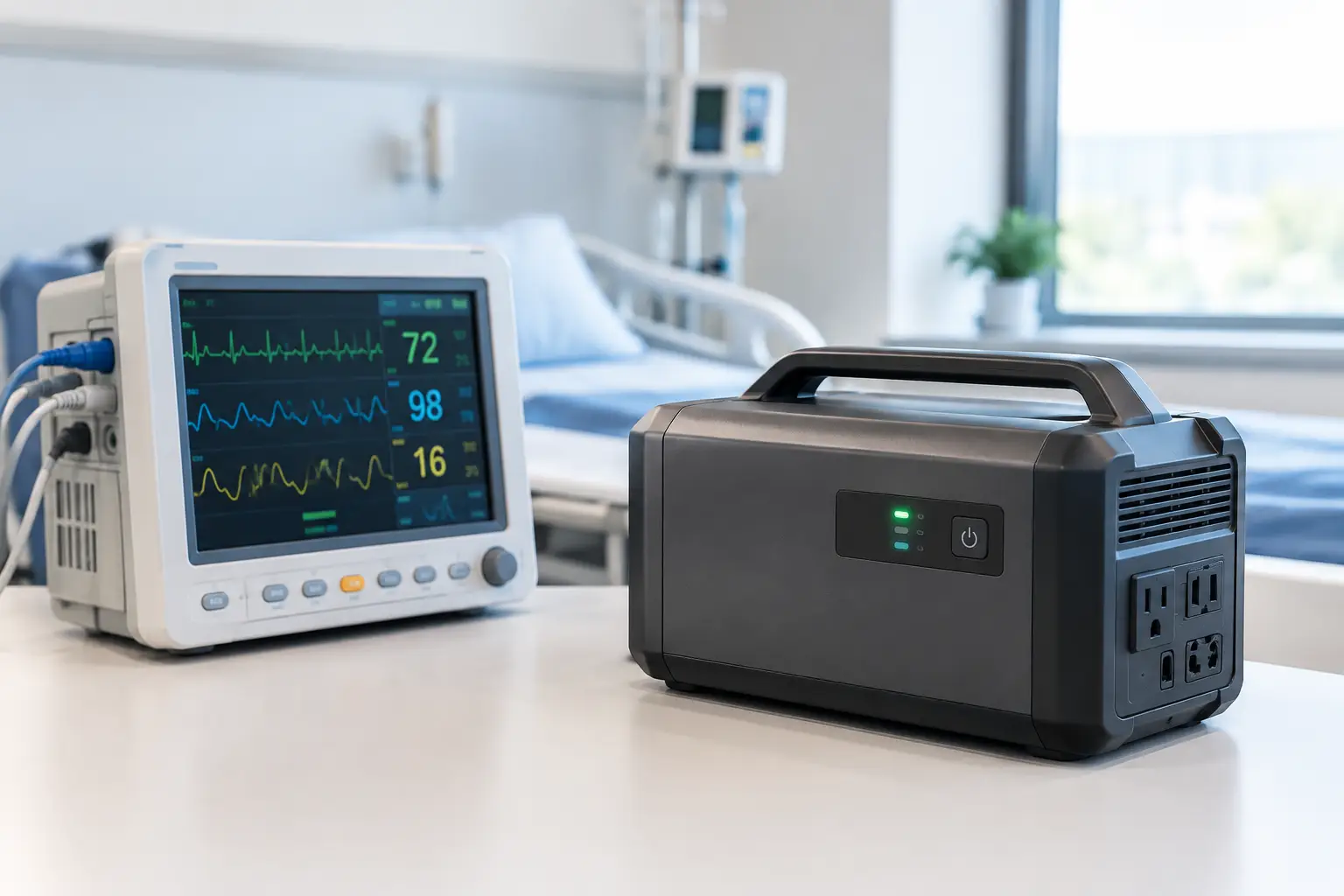
A power outage is more than an inconvenience when someone in your home depends on medical equipment. A medical device backup case is built on one clear goal: keep the equipment, the people supporting it, and the home conditions around it safe when utility power fails. That may mean maintaining a CPAP or BiPAP machine overnight, preserving refrigerated medications, keeping mobility equipment charged, or supporting a higher-acuity device with a carefully planned emergency power strategy.
A portable battery can be useful. So can a portable generator in the right setting. But for many households, neither option provides the confidence of automatic standby power. The right generator system starts itself, transfers power safely, and keeps essential circuits or the entire home operating without asking a family member to go outside in a storm and make a high-pressure decision.
Why a Medical Device Backup Case Requires More Than a Generator
The first question is not, “How big of a generator do I need?” It is, “What must continue operating, for how long, and under what conditions?” Medical devices are only one part of the plan. The room may also need heat or air conditioning, lighting, internet access for communication, refrigeration for medication, and power for charging phones or mobility devices.
This is why a generator cannot be selected by looking only at the wattage printed on one device. A home may need to support a furnace blower, well pump, refrigerator, sump pump, security system, modem, and selected lighting at the same time. Starting loads also matter. Motors in pumps, refrigerators, and HVAC equipment can draw more power when starting than when running.
There is also a safety distinction between power availability and power quality. Sensitive equipment should be supplied according to the manufacturer’s instructions. The device manufacturer or clinical provider should confirm acceptable backup-power arrangements, extension-cord limitations, battery requirements, and any alarms or procedures that apply during a utility outage. A standby generator is part of a preparedness plan, not a substitute for medical guidance or an emergency response plan.
Start With the Device and the Person Who Relies on It
Every household has different risks. A person using a CPAP may need reliable overnight power and a comfortable indoor temperature. Someone with a powered wheelchair may need charging capacity, accessible lighting, and garage-door access. A household that depends on refrigerated medication may need dependable refrigeration plus a way to monitor temperature.
For life-sustaining equipment, the stakes are higher. Families should work with the prescribing clinician, equipment provider, and local emergency resources to establish a written outage plan. That plan should identify backup batteries, expected runtime, a safe alternate location if needed, emergency contacts, and the point at which the family should seek urgent assistance. Never assume that a home generator alone eliminates the need for those safeguards.
It helps to write down the device name, model, normal power source, rated power demand, battery runtime, and any specific manufacturer instructions. Keep that information where caregivers can find it quickly. During an outage, clarity reduces stress and prevents avoidable mistakes.
Standby Power Versus Portable Power
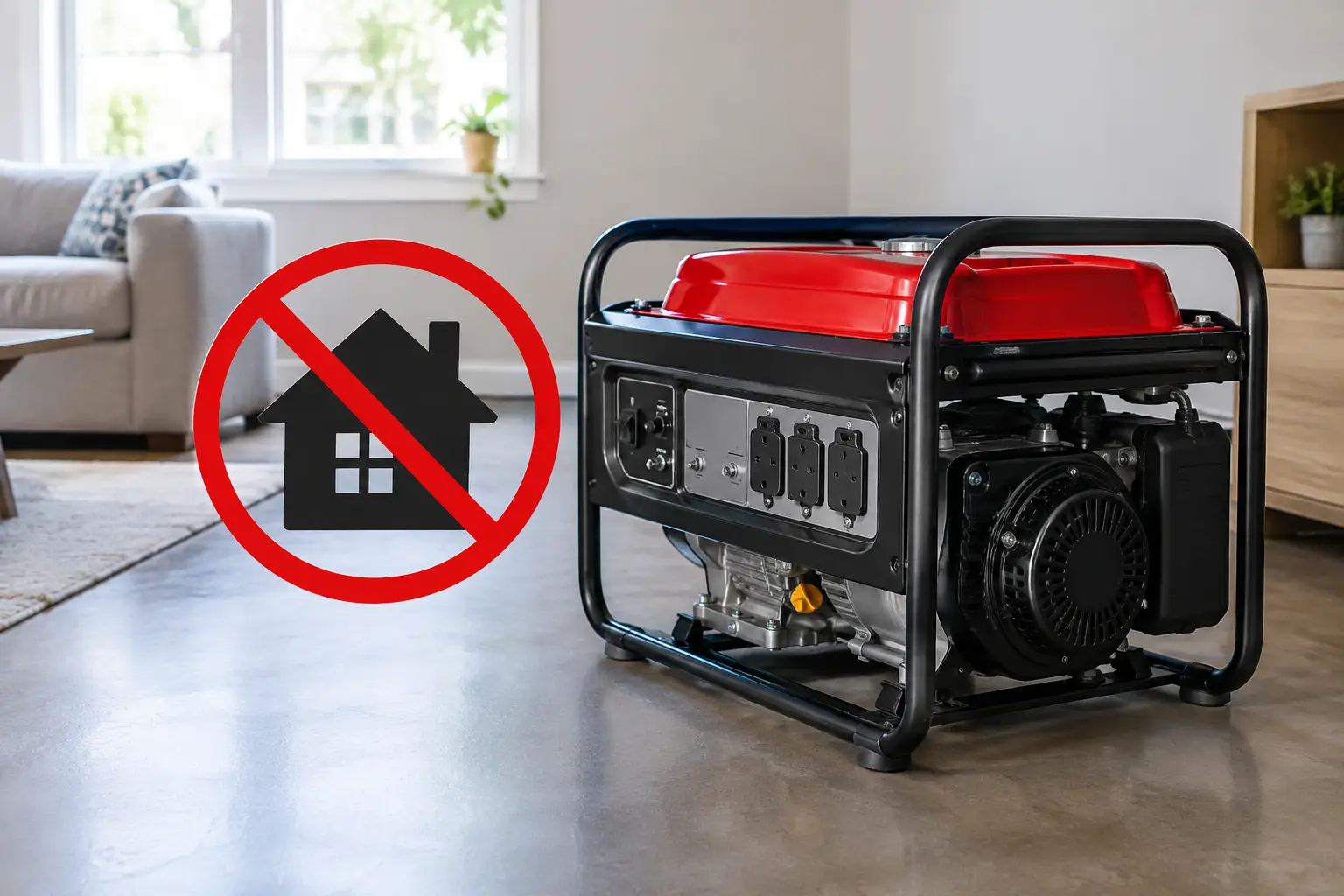
Portable generators and battery stations have a role, but they introduce trade-offs. They require manual setup, fuel management, safe outdoor placement, and attention at the exact moment a household may already be managing a medical concern. A portable generator must never operate indoors, in a garage, near doors or windows, or anywhere exhaust can enter the home. Carbon monoxide is a serious, potentially fatal risk.
A permanently installed standby generator is designed for a different level of readiness. It monitors utility power, starts automatically when an outage occurs, and transfers selected circuits or the whole home to generator power through approved equipment. When utility service returns, it transfers back and shuts down in a controlled sequence.
That automatic response matters at night, when no one is home, or when weather makes outdoor setup unsafe. It also avoids the temptation to run extension cords through doors or connect a generator improperly to a home electrical panel. Unsafe backfeeding can injure utility workers, damage equipment, and create fire hazards.
A standby system does require a larger upfront investment than a portable unit. It also needs proper fuel supply, permitting, installation, and maintenance. For families who cannot accept a gap in power, those requirements are not extras. They are the foundation of a dependable solution.
Sizing a Medical Device Backup Case for the Whole Home
Generator sizing should be based on a professional load assessment, not a guess. The goal is to identify critical equipment and calculate what can run together during an outage. Some homes need only an essential-load system. Others need whole-home coverage because HVAC, well water, multiple refrigeration units, elevators, or accessibility equipment are all necessary for safe occupancy.
A professional assessment considers the electrical demand of medical-related equipment alongside the rest of the property. It also considers fuel type, electrical service capacity, local code requirements, transfer equipment, startup loads, and the physical location of the generator. Natural gas can offer long-duration operation where service is dependable. Propane is often an excellent option where natural gas is unavailable, but tank capacity must be planned around expected runtime and other fuel uses.
The smallest acceptable generator is not always the best value. If the system is undersized, homeowners may have to choose between critical comfort systems and other necessary loads. If it is oversized without reason, the project cost and fuel consumption may be higher than needed. The right answer depends on the home, the equipment, and the level of continuity your family requires.
Installation Details That Protect Reliability
A generator is only as dependable as its installation. Proper placement provides required clearance from structures, windows, vents, and ignition sources. The electrical connection must include correctly sized conductors, transfer equipment, and circuit planning. Fuel piping must be properly sized so the generator can receive adequate fuel under load.
Permits and inspections are equally important. They confirm that electrical, fuel, and installation work meets applicable requirements. Skipping that process may seem faster, but it can create safety problems, insurance concerns, resale complications, and unreliable operation when the generator is needed most.
The commissioning stage deserves attention as well. A qualified installer should test startup, automatic transfer, load performance, shutdown, and return-to-utility operation. The homeowner should understand what the system powers, what it does not power, where to find its status indicators, and whom to call if an issue occurs. GenTek Power approaches this as a long-term service responsibility, not a one-day installation.
Maintenance Is Part of the Protection Plan
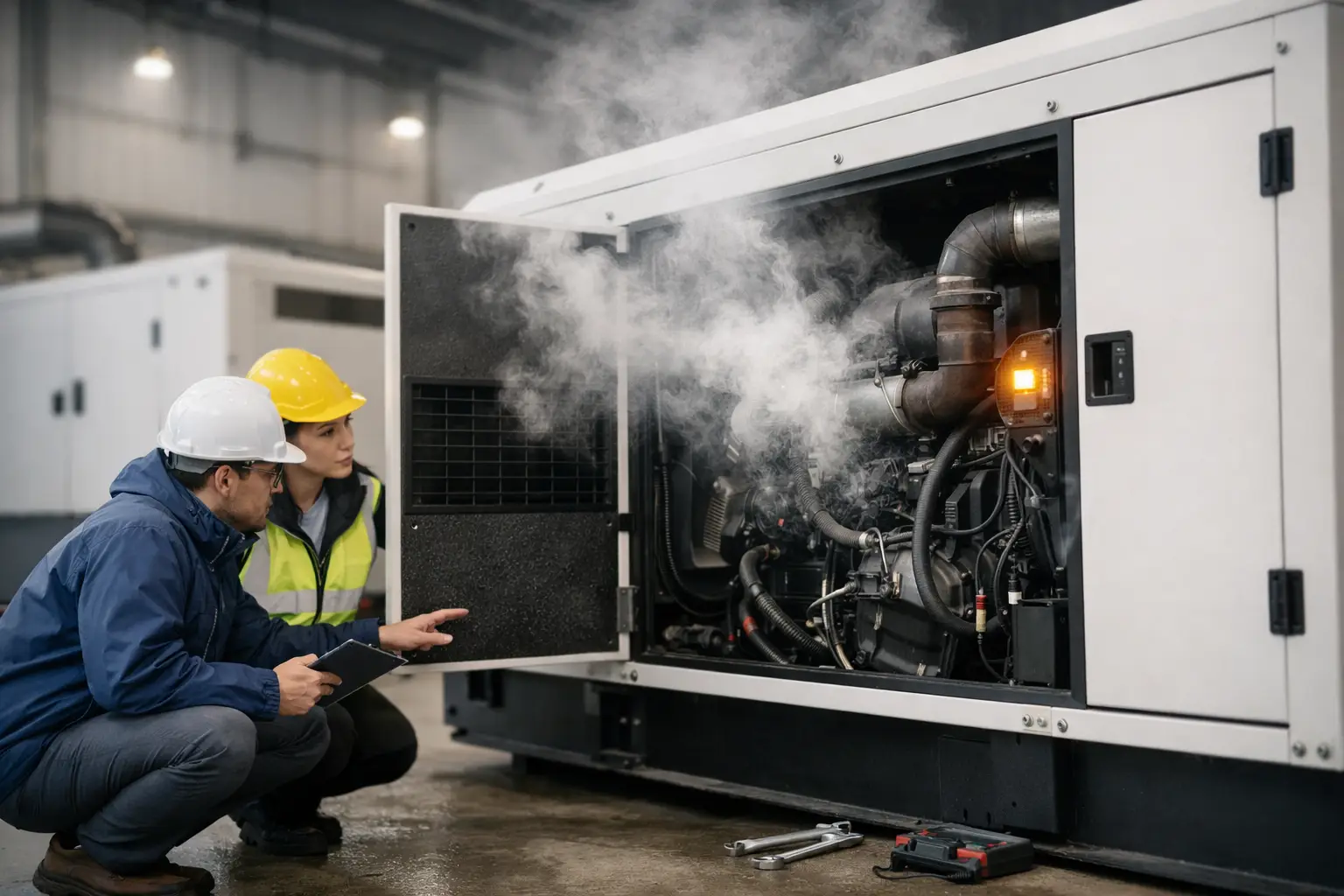
Standby generators are mechanical systems. They need scheduled exercise, inspections, oil and filter service, battery checks, and periodic operational testing. A generator that has not been maintained may still start during a weekly exercise cycle but fail under the sustained load of a real outage.
For a household relying on medical equipment, maintenance should be planned before storm season, not after an outage exposes a problem. Remote monitoring can add another layer of awareness by reporting operating status, exercise results, and certain faults. It does not replace service, but it can help identify an issue before the next outage.
Keep fuel considerations current, too. Natural gas systems should be reviewed when major gas appliances are added. Propane customers should confirm delivery arrangements and tank levels before severe weather. If your backup plan includes device-specific batteries, test and replace them on the schedule recommended by the manufacturer.
Create a Layered Plan, Not a Single Point of Failure
The strongest medical device backup case uses layers. The standby generator supports the home during an outage. Device-approved batteries or uninterrupted power supplies may cover the brief transition while a generator starts, where appropriate. Charged phones, emergency contacts, medication planning, flashlights, and a clear caregiver plan support the people involved.
Let your installer know early that medical equipment is part of the project. That information changes the conversation from general convenience to continuity planning. It helps determine which circuits need priority, whether whole-home power is appropriate, and what testing should be completed before the system is placed into service.
When someone’s health depends on a predictable home environment, backup power should not be left to a last-minute extension cord and a hope that the outage ends soon. A professionally designed generator system gives your household a dependable place to start – and the confidence to focus on the person who matters most.