The power usually goes out at the worst possible time – overnight in freezing weather, during a heat wave, or right in the middle of a workday when the Wi-Fi, sump pump, fridge, and HVAC all matter at once. That is why a home backup power generator is not just a convenience purchase for many households. It is a protection decision.
If you are considering standby power, the biggest mistake is treating all generators – and all installers – as basically the same. They are not. The right system depends on what your home needs to keep running, how long outages tend to last in your area, what fuel source is available, and whether the installation is handled correctly from the start.
What a home backup power generator actually does
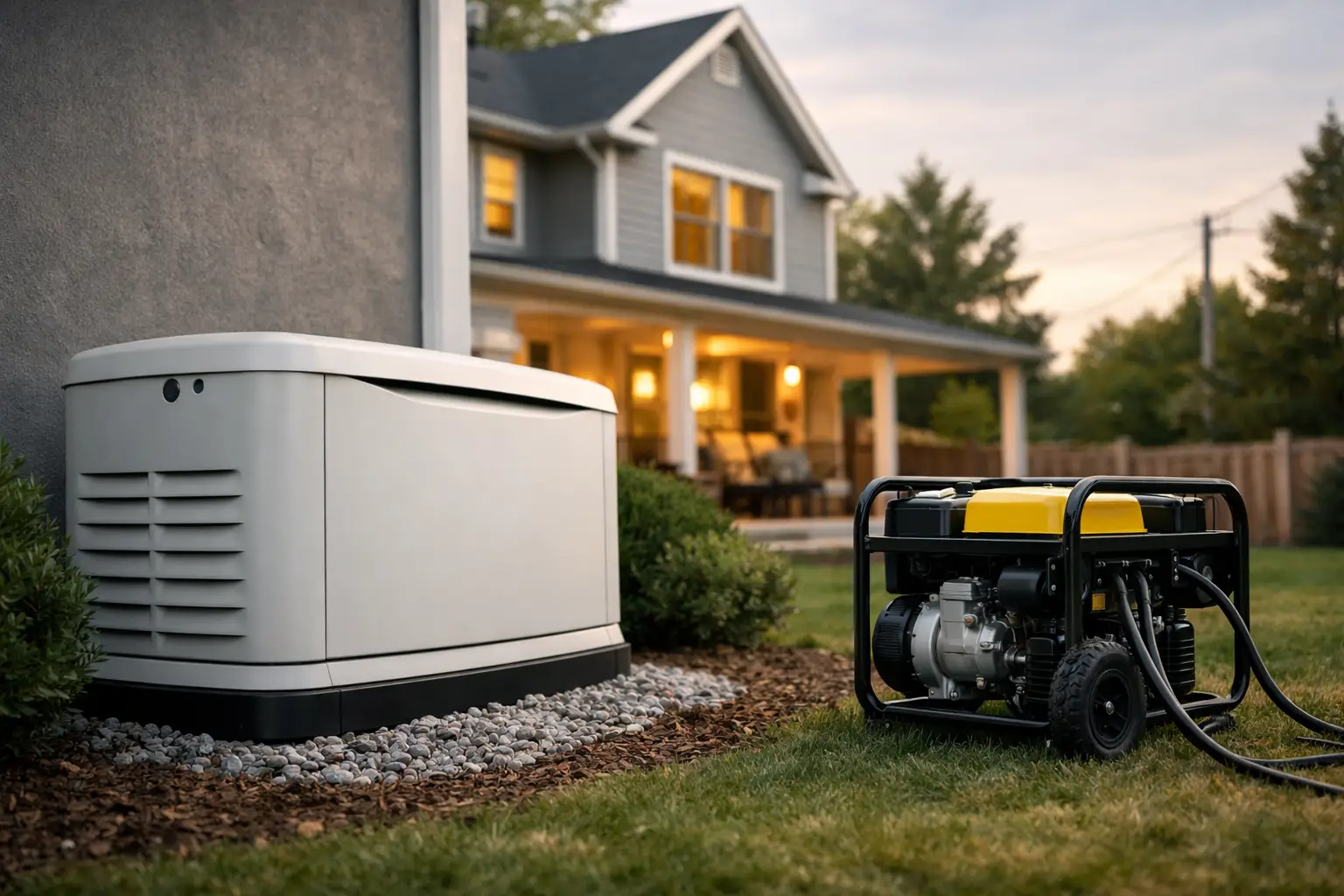
A home backup power generator is a permanently installed system designed to restore power automatically when utility service fails. Unlike a portable unit, it does not need to be rolled out, fueled by hand, and connected during bad weather. It monitors utility power, starts on its own during an outage, and transfers electrical load to the generator through an automatic transfer switch.
That automatic response is a big part of the value. If you are away from home, asleep, working, or caring for children or an elderly family member, you do not want backup power to depend on someone dragging equipment into the driveway. You want the system to respond immediately and safely.
For many homeowners, the goal is not just keeping a few lights on. It is preserving heat or air conditioning, preventing a basement flood, protecting refrigerated food and medication, maintaining internet access, and avoiding the disruption that follows even a short outage.
Whole-home backup vs. essential circuit coverage
One of the first decisions is whether you want full-home coverage or backup power for selected essentials. Both can be valid. The right choice depends on your budget, your electrical demand, and how you live in the home.
Whole-home backup is the better fit for households that want minimal disruption. If your home has central air, multiple refrigerators or freezers, a sump pump, home office equipment, security systems, or medical devices, a larger standby system can keep normal life much closer to normal. That peace of mind matters, especially in longer outages.
Essential circuit coverage is more selective. Instead of running everything, the system is designed to support the most critical loads such as refrigeration, heating equipment, well pumps, internet, basic lighting, garage doors, and sump pumps. This can lower upfront cost, but it also means living with more limits during an outage. If those limits are acceptable, it can be a practical solution.
The trade-off comes down to comfort, continuity, and future expectations. Homeowners often start by thinking they only need a few basics, then realize how many systems now feel non-negotiable once the grid goes down.
How to size a home backup power generator
Sizing is where many projects go off track. A generator that is too small may struggle with startup loads or force painful compromises. A generator that is larger than necessary can add cost without delivering meaningful benefit.
Proper sizing is not guesswork. It should be based on the actual electrical load of the home, the major appliances or equipment you want to run, and the startup demand of items like air conditioners, well pumps, and some heating systems. The age and layout of the home also matter. So do any future plans, such as finishing a basement, adding an EV charger, or building a detached workspace.
This is why shortcut quotes can be risky. If an installer prices a system after a quick phone call without understanding your panel, fuel source, transfer requirements, and critical loads, you may not learn about the mismatch until the first real outage.
A professional consultation should make the scope clearer, not more confusing. You should come away knowing what will run, what will not, how the transfer will work, and where the equipment can legally and safely be installed.
Fuel type matters more than most people expect
Most residential standby systems run on natural gas or propane. Each has advantages, and the better option depends on your property and utility access.
Natural gas is often preferred where it is available because it provides a continuous fuel supply and removes the need to monitor tank levels. For homeowners who want lower day-to-day involvement, that simplicity is a major benefit.
Propane can be an excellent choice in areas without natural gas service, and it is common in rural properties. It gives homeowners a dependable backup fuel option, but tank sizing and refill planning become part of the conversation. If outages in your area can last for days, fuel storage strategy matters.
Diesel is less common for typical homes and is usually more relevant to certain commercial or specialized applications. For most residential customers, natural gas and propane are the practical standby choices.
The key point is that fuel planning is part of system planning. It should never be treated as an afterthought.
Installation quality is not a small detail
A standby generator is not a plug-in appliance. It is a permanent electrical and mechanical system that has to be integrated into your home safely, legally, and reliably. That includes load calculations, transfer equipment, gas or propane work, code compliance, permits, placement clearances, startup testing, and final verification.
This is where the low-price offer can get expensive. Poor installation can lead to nuisance shutdowns, failed inspections, unsafe exhaust placement, undersized gas lines, transfer switch problems, and warranty headaches. Even worse, some homeowners find out too late that the installer who sold the project is not the one answering the phone when service is needed later.
A well-installed system should do more than turn on. It should be supported. That means clear documentation, proper commissioning, scheduled maintenance, and access to technicians who know the equipment and will stand behind the work after the sale.
For homeowners who want the process handled properly from consultation through long-term service, that full-service approach is often the difference between confidence and constant uncertainty.
What to expect from the buying process
Buying a home backup power generator should feel structured, not rushed. First comes the site assessment and load review. Then system sizing, placement planning, and a clear proposal. After that, permits, utility or fuel coordination, installation, startup, and testing all need to happen in the right order.
A professional contractor should be able to explain each step in plain language. You should know the expected timeline, what preparation is needed on your end, and what kind of maintenance the system will require over time.
That process matters because standby power is a long-term asset. You are not only buying equipment. You are choosing who will be responsible when the weather turns bad and the system has to perform.
Maintenance is part of ownership
Even the best generator needs routine maintenance. Oil and filter changes, battery checks, inspection of electrical connections, exercise cycles, software or controller checks, and fuel system review all help keep the unit ready.
This is another area where homeowners can be caught off guard. The generator may look fine between outages, but standby equipment that is ignored is more likely to fail when it is finally needed. Regular service is what turns a generator from a box outside the house into a dependable backup system.
If remote monitoring is available, it can add another layer of protection by alerting the service team to faults, missed exercise cycles, or operating issues before they become an emergency.
When a standby generator makes the most sense
Not every outage justifies the same level of investment, but for some homes the case is straightforward. If you lose power regularly, have a finished basement with flood risk, work from home, rely on well water, store temperature-sensitive medication, or simply cannot afford to lose heating or cooling for long, standby power stops being optional in practical terms.
It also makes sense for homeowners who are done dealing with extension cords, portable fuel cans, and the uncertainty of whether they will even be home when an outage happens. The convenience is real, but the bigger benefit is protection – for your home, your routines, and the systems you rely on every day.
Companies like GenTek Power build their value around taking that responsibility seriously, with proper sizing, professional installation, and ongoing support instead of a one-time transaction. That matters because the true test of any generator system is not how it looks on install day. It is how it performs during the storm.
The best time to figure out your backup power plan is before the next outage gives you a reason to wish you had.