The worst time to learn your generator has a weak battery, stale fuel, or an overdue service issue is during a blackout. A good standby generator maintenance checklist helps you catch small problems before they turn into a no-start event when your home or business needs power most.
For most owners, maintenance is where confidence starts to slip. The system sits quietly for months, the lights stay on, and it is easy to assume everything is fine. But standby generators are not set-and-forget equipment. They are emergency power systems, and emergency equipment only earns trust when it is inspected, exercised, and serviced on schedule.
Why a standby generator maintenance checklist matters
A standby generator has one job – start automatically and carry critical loads when utility power fails. That sounds simple, but the system depends on several moving parts working together at the same moment: engine, battery, fuel supply, transfer switch, controls, sensors, and ventilation.
When one of those pieces is neglected, reliability drops fast. A battery can test weak without obvious signs. Oil can degrade even if the unit has not run long. Corrosion can build on terminals. Debris can restrict airflow. In colder climates, low temperatures can expose maintenance issues that never showed up in mild weather.
That is why a checklist matters. It creates consistency. It also helps separate what an owner can reasonably observe from what should be handled by a trained technician. Some checks are simple and visual. Others affect safety, code compliance, and manufacturer warranty requirements, so they are better left to professional service.
The owner’s standby generator maintenance checklist
If you own a residential or commercial standby unit, there are a few habits that make a real difference between scheduled service visits.
Check the unit visually every month
Start with the exterior. Look for obvious signs of trouble around the enclosure, including dents, rust, loose panels, or rodent activity. Make sure shrubs, snow, leaves, and windblown debris are not blocking airflow around the generator. Restricted ventilation can lead to overheating and poor performance.
While you are there, check the pad and surrounding area. Standing water, erosion, or shifting ground can affect stability over time. If the generator looks uneven or the area around it stays wet, that deserves attention before it becomes a larger installation issue.
Review system status lights and alerts
Most modern standby generators provide a visible status indicator on the unit or through a monitoring app. Confirm the system shows ready or normal status, not a warning or fault condition. If an alert appears, do not ignore it just because the unit seems quiet. Many failures announce themselves before an outage ever happens.
This is also a good time to verify any remote monitoring platform is still connected and reporting correctly. A disconnected monitor will not prevent the unit from running, but it removes an early-warning tool that can save time and stress.
Run and listen during exercise cycles
Many standby generators perform automatic weekly or biweekly exercise runs. Owners should occasionally be present during one of these cycles to observe startup and operation. Listen for anything unusual such as extended cranking, rough running, vibration, or unexpected shutdown.
A smooth exercise cycle is reassuring, but it is not a complete health report. Some issues only show up under load, and some control problems are easy to miss without proper testing equipment. Still, regular observation can help catch changes early.
Keep fuel supply concerns on your radar
Natural gas and propane systems each have their own maintenance considerations. For propane, tank level matters. A generator cannot protect your property if the fuel supply is too low when a prolonged outage hits. For natural gas, any sign of pressure issues, utility work, or appliance performance changes should be taken seriously.
If your system uses diesel at a commercial site, fuel quality becomes a larger concern. Fuel can degrade over time, especially if the generator runs infrequently. That is one reason commercial units usually need a more formal service program.
What professional generator maintenance should include
A proper standby generator maintenance checklist goes well beyond looking at the enclosure and checking for a green light. This is where professional service earns its value.
Engine oil, filters, and fluids
Oil condition matters even on low-hour units. Time-based service intervals are just as important as run hours because oil breaks down with age, temperature swings, and moisture exposure. During maintenance, a technician should replace oil and filters as required by the manufacturer and inspect fluid levels throughout the system.
Skipping this step to save money is rarely worth it. Oil-related wear is gradual until it is expensive.
Battery inspection and testing
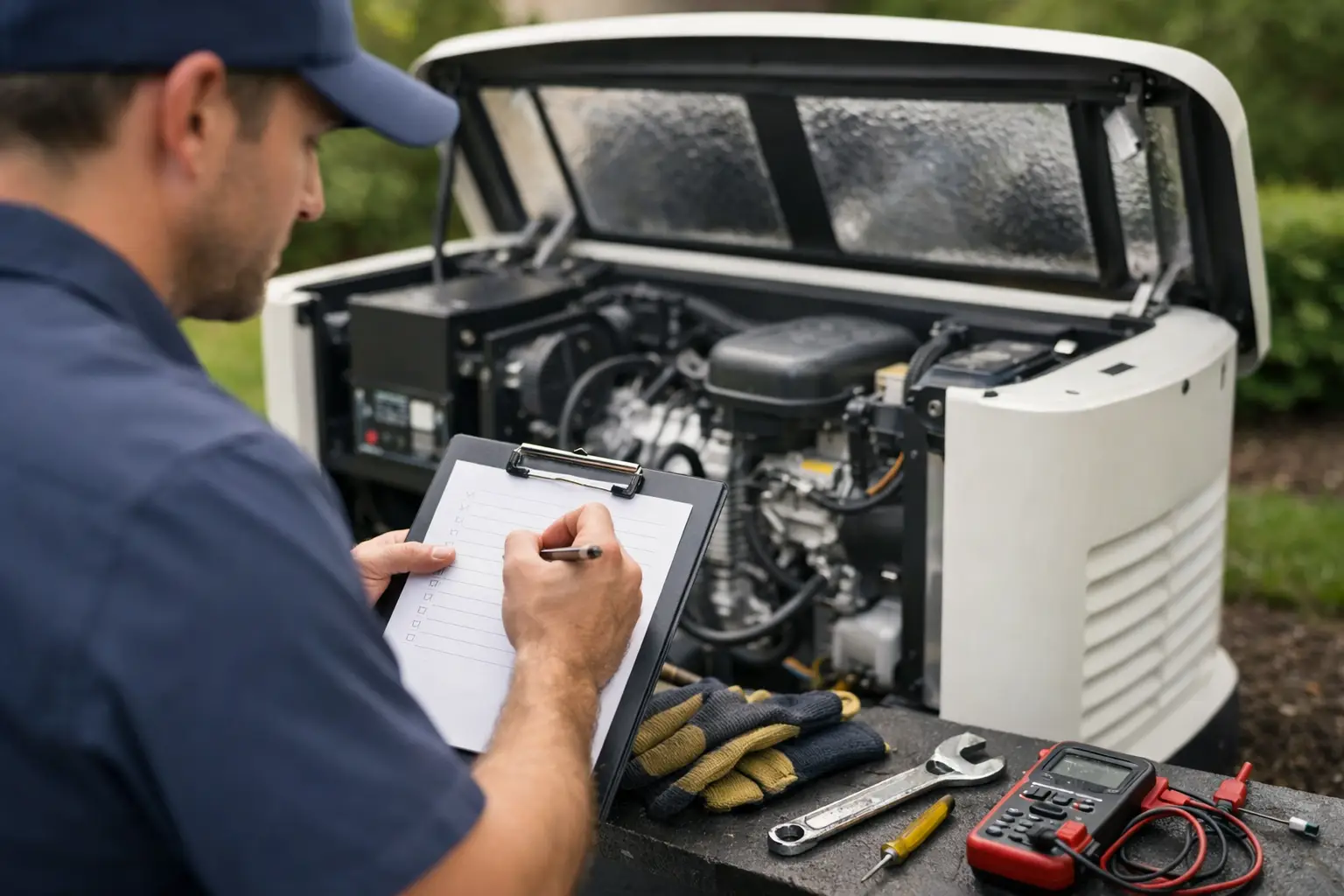
Battery failure is one of the most common reasons standby generators do not start. A technician should inspect cable connections, clean corrosion, verify charger operation, and load-test the battery. A battery can look fine from the outside and still be close to failure.
This is one area where guesswork creates risk. If the battery is marginal, replacement is usually far less costly than a missed start during an outage.
Air filter, spark plugs, belts, and wear items
Depending on the generator model, scheduled maintenance may include replacing the air filter, inspecting or changing spark plugs, and checking belts or other service items. These parts wear slowly, which is exactly why they get overlooked.
The right interval depends on manufacturer guidelines, environment, and run time. A generator near dust, pollen, construction activity, or heavy seasonal weather may need attention sooner than one in a cleaner setting.
Transfer switch and electrical checks
The generator itself is only part of the backup power system. The automatic transfer switch is what moves the building from utility to generator power and back again. If that switch has a problem, the generator can run perfectly and still fail to power the property.
Professional maintenance should include inspection of transfer equipment, electrical connections, signs of overheating, and proper operation. These checks are not just about performance. They are also about safety.
Load testing and operational verification
Exercise cycles are helpful, but they are not the same as verifying real-world performance. A technician may perform loaded testing or other operational checks to confirm the generator starts correctly, carries load, and responds as expected.
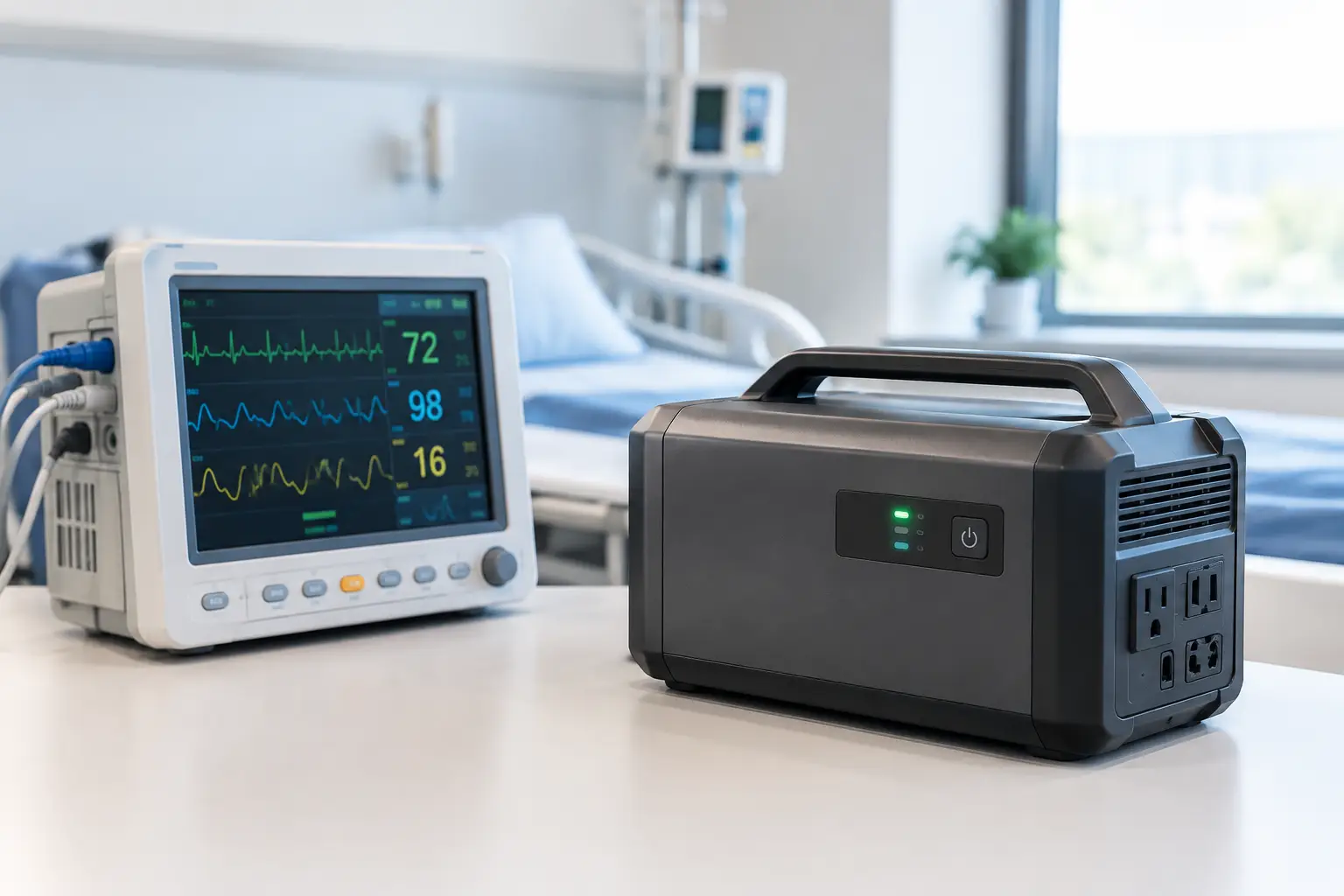
This is especially important for homes with critical medical devices, sump pumps, or whole-home backup expectations, and for businesses where downtime immediately affects operations, inventory, or customer service.
How often should standby generator maintenance happen?
It depends on the unit, fuel type, site conditions, and how heavily the generator runs. Most standby generators should be inspected regularly by the owner and professionally serviced at least once a year. Some manufacturers call for maintenance every 6 months or after a set number of run hours.
If your area sees frequent outages, long winter events, or storm-heavy seasons, annual service may not be enough. The same goes for commercial properties or any system supporting mission-critical loads. More use means more wear, and higher stakes mean less room for delay.
The safest approach is to follow manufacturer requirements and work with a service provider that tracks your schedule instead of leaving it up to memory.
Common maintenance mistakes owners make
The biggest mistake is assuming low use means low maintenance. Standby generators often fail from age-related issues, not just heavy operation. Batteries weaken, seals dry out, fuel quality changes, and electrical connections loosen whether the unit runs often or not.
Another common mistake is treating a warning light like a minor inconvenience. Fault codes exist for a reason. Some are simple, but others point to problems that can stop automatic operation.
The third mistake is relying on whoever installed the system once, even if they do not offer long-term support. Backup power is not a one-time purchase. It is an ongoing service relationship. If maintenance is inconsistent, records are unclear, or emergency support is hard to reach, the system becomes a gamble.
When to call for service right away
Do not wait for the next scheduled visit if the generator shows an active alarm, misses an exercise cycle, cranks slowly, leaks fluid, shuts down unexpectedly, or sounds different than usual. The same goes for visible rodent damage, storm impact, or any sign the transfer switch is not responding properly.
Fast action matters because generator issues tend to show up at the worst possible time. A small repair handled now is almost always easier than an emergency call during a widespread outage.
A reliable maintenance partner should also keep records, document service intervals, and help you understand what was done and what may be needed next. That level of accountability is part of what turns backup power into real peace of mind.
For homeowners and businesses that depend on automatic backup, the checklist is not just about equipment care. It is about protecting comfort, safety, operations, and the confidence that when the grid fails, your system will not.