If you are asking do standby generators need permits, the short answer is yes in most cases. A permanent standby generator is not a plug-in appliance. It is a fuel-burning, code-regulated power system tied into your electrical service, and that means local approvals are usually part of the job.
That is where many generator projects go sideways. A low-price installer may talk about equipment and labor, then gloss over permits, inspections, utility coordination, or code requirements. The result can be delays, failed inspections, added costs, warranty headaches, or a system that was never installed the right way to begin with.
Why standby generators usually require permits
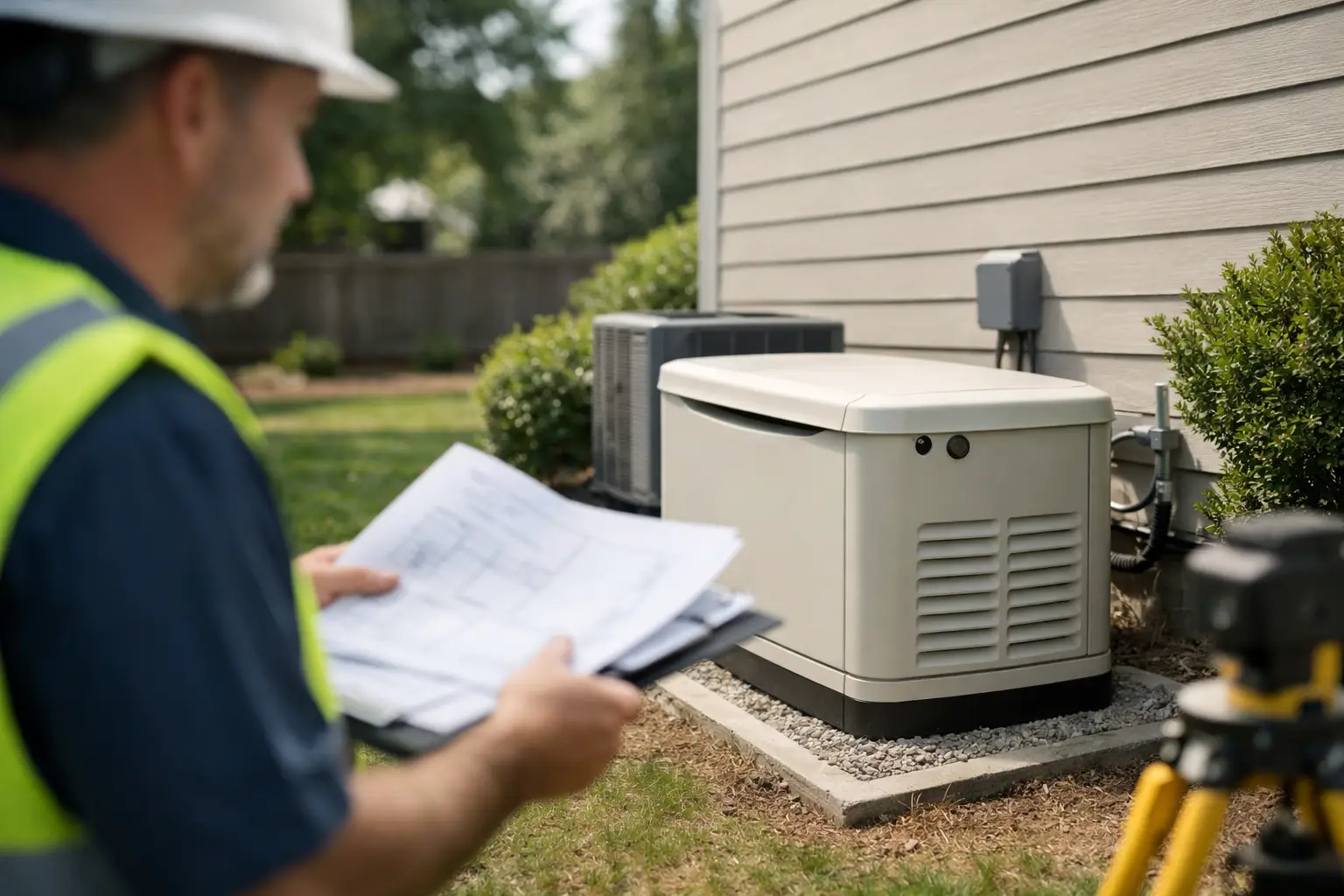
A standby generator touches multiple parts of your property at once. It connects to your electrical panel through a transfer switch. It may connect to natural gas or propane. It has to meet setback rules, ventilation clearances, noise rules, and local building and fire code requirements. In many jurisdictions, that triggers more than one permit.
For most residential installations, the electrical permit is the one people expect. But that is rarely the only issue. If the generator uses natural gas, the gas piping work may require a separate permit. If a concrete pad is being poured or equipment is being anchored in a specific way, a building permit may also be required. Some towns also require zoning review to confirm placement rules are met.
Commercial projects can be more involved. Depending on the site and the system size, there may be additional review for load calculations, fuel supply, life safety considerations, or utility interconnection details.
What permits might apply?
The exact list depends on your town, county, and utility, but most standby generator projects involve some combination of electrical, plumbing or gas, building, and zoning approval. In some areas, a fire department review is also part of the process, especially for larger systems or commercial properties.
This is why the honest answer is not just yes or no. It depends on where the generator is being installed, what fuel it uses, how large the system is, and whether service upgrades are needed to support it.
Electrical permit
This is the most common permit for standby generator installation. It covers the transfer switch, conductors, overcurrent protection, grounding and bonding, and integration with the main service equipment. Because the generator becomes part of your home’s electrical infrastructure, the work must meet code and usually must be inspected.
Gas or fuel permit
If the unit runs on natural gas or propane, fuel piping often requires separate approval. That matters because the gas line must be correctly sized for the generator’s load, not just tied into an existing line and hoped for the best. Undersized fuel supply is one of the more common causes of performance problems during outages.
Building or zoning permit
Placement rules matter more than many buyers realize. Local code may regulate how close the generator can be to doors, windows, air intakes, property lines, decks, or neighboring structures. Noise ordinances and HOA requirements can also affect placement, even when the equipment itself is a good fit for the property.
Do standby generators need permits in every city?
Not every city handles the process the same way, but assuming no permit is required is a mistake. Some jurisdictions are straightforward and only require one or two approvals. Others want detailed site plans, load information, manufacturer specs, and utility documentation before issuing permits.
There are also areas where the rules are stricter because of wildfire risk, floodplain restrictions, lot size, historic district requirements, or dense neighborhood setbacks. What passes easily in one township may be rejected in the next.
That is why permit research should happen before the installation date is set, not after the generator has already been ordered.
Who is supposed to pull the permit?
In most cases, the contractor doing the work should pull the permit. More specifically, it should be pulled by the properly licensed party responsible for that portion of the installation, such as the electrical contractor or gas contractor, depending on local rules.
That protects you in a few ways. First, it puts responsibility on the licensed installer to meet code. Second, it helps confirm the company is willing to have its work inspected. Third, it reduces the chance that a homeowner gets stuck navigating paperwork for technical work they are not performing.
If a contractor asks you to pull permits for a full standby generator installation they are handling, that is worth questioning. Sometimes there are legitimate local quirks, but often it is a sign the installer is trying to avoid accountability or does not hold the right licensing.
A professionally managed installation should include permitting as part of the process, not as a surprise add-on that appears late in the quote.
What happens if you install without a permit?
The risk is bigger than a fine. If an unpermitted generator is discovered, you may be required to stop using it until permits are obtained and the work is inspected. In some cases, parts of the installation may need to be opened up, corrected, or redone entirely.
There can also be insurance and resale issues. If a claim involves fire, electrical damage, or fuel-related problems, unpermitted work can create complications. When the property is sold, missing permits may become a problem during disclosure or inspection.
Then there is the practical issue: when the power goes out, you want confidence that the system will start, transfer properly, and operate safely. That confidence does not come from shortcuts.
The permit process is really a safety process
Permits are easy to think of as red tape, but for generator systems they serve a real purpose. A standby generator handles high electrical loads, automatic switching, and fuel supply under emergency conditions. If something is wrong, the consequences can be serious.
Inspection helps verify that the transfer equipment is correctly installed, that the generator is properly grounded, that required clearances are respected, and that the fuel system is safe and adequate. It also helps catch issues before they become outage-day failures.
For homeowners, this matters because the generator is there to protect food, comfort, communications, sump pumps, and sometimes essential medical equipment. For businesses, it protects operations, inventory, data, and customer service continuity. Either way, the system needs to be more than present. It needs to be right.
How to avoid permit delays
The best way to avoid delays is to work with a company that treats permitting as part of the installation, not as an afterthought. That means evaluating the site correctly, confirming local requirements early, planning proper clearances, checking fuel capacity, and coordinating with the utility if needed.
It also means giving customers a clear timeline. Permits can affect scheduling, especially after major storm seasons when demand spikes and local departments are backed up. A trustworthy installer tells you that upfront instead of promising an unrealistic install date and blaming the town later.
At GenTek Power, that full-process approach is exactly the point. Customers are not just buying a generator. They are buying a professionally managed backup power system with the permitting, coordination, testing, and long-term support handled the right way.
A better question than do standby generators need permits
The better question is whether your installer is prepared to manage the permit process correctly from start to finish. Most standby generators do need permits, and the few cases that seem simpler still need verification before work starts.
If you are investing in backup power for your home or business, you want more than a box on a pad. You want a system that is legal, safe, inspected, and ready when the grid fails. That peace of mind starts long before the first outage.