When the power goes out, the generator usually gets the attention. But the part that makes backup power feel automatic is the transfer switch. If you have ever wondered about an automatic transfer switch explained in plain English, this is the piece that senses utility failure, tells the generator to start, and safely shifts your electrical load from the grid to backup power.
That sounds simple, but the details matter. A properly selected and installed automatic transfer switch, often called an ATS, is one of the most important parts of a standby generator system. It affects safety, reliability, code compliance, and how smoothly your home or business rides through an outage.
What an automatic transfer switch actually does
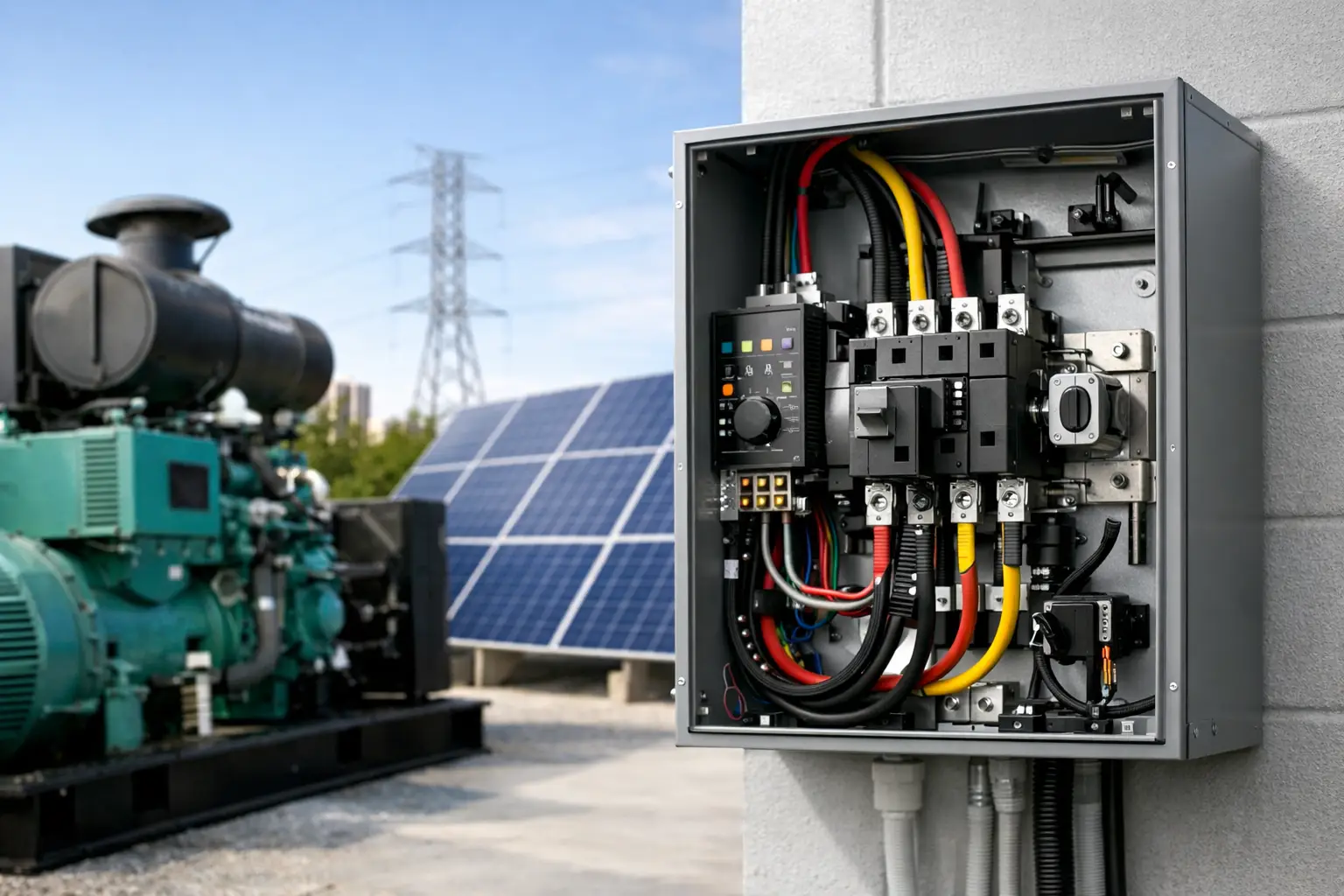
An automatic transfer switch is the control point between your utility service, your generator, and the circuits or loads you want powered during an outage. Under normal conditions, it keeps your electrical system connected to the utility. When it detects that utility power has failed or dropped outside acceptable limits, it sends a start signal to the generator.
Once the generator reaches the right voltage and frequency, the switch transfers the load from utility power to generator power. When utility service returns and stabilizes, the ATS moves the load back to the grid and tells the generator to shut down after a short cool-down period.
That transfer is not just about convenience. It prevents dangerous backfeeding, protects equipment, and makes sure power is restored in the right sequence. In a professionally designed standby system, the ATS is what turns a generator from a manual emergency tool into a dependable backup power solution.
Automatic transfer switch explained for real-world outages
The easiest way to understand an ATS is to think through what happens during a storm. The utility drops out. Lights go dark. A few seconds later, the generator starts. After it stabilizes, the transfer switch shifts your selected loads or your whole service onto generator power.
For the people inside the building, the experience is simple. Refrigeration stays on. Heating or cooling comes back. Internet, sump pumps, lighting, security systems, and critical equipment keep running. For a business, that may mean avoiding lost transactions, spoiled inventory, frozen pipes, server downtime, or a full stop in operations.
Without an ATS, someone usually has to go outside, start a portable unit or manually manage the changeover, and decide which loads to connect. That takes time, creates stress, and increases the chance of mistakes. Automatic operation removes those weak points.
Why the transfer switch matters as much as the generator
A lot of buyers focus on generator size and brand, which makes sense. But an underspecified or poorly installed transfer switch can create just as many problems as the wrong generator. If the switch is mismatched to the electrical service, connected incorrectly, or not coordinated with the load calculation, the system may not perform the way you expect when the outage actually happens.
This is where quality installation matters. A standby system is not a box you set beside the house and hope for the best. It is a coordinated electrical and mechanical system that has to be sized properly, permitted correctly, installed to code, tested under real conditions, and supported over time.
Types of automatic transfer switches
Not every ATS works the same way, and the right setup depends on what you need to protect.
Whole-house or whole-building transfer switches
These switches transfer an entire main service, assuming the generator is sized to support the full load or the system uses managed load shedding. This approach is popular for homeowners who want a true whole-home backup experience and for businesses that need broad continuity across the facility.
The advantage is simplicity during an outage. You are not guessing which circuits are covered. The trade-off is cost and generator size. Whole-service backup typically requires more planning and a larger investment.
Essential-circuit transfer switches
These are designed to power a selected group of important circuits, such as refrigeration, heating equipment, medical devices, office equipment, internet hardware, well pumps, or security systems. This can be a smart fit when budget, available fuel, or physical site constraints make whole-building backup impractical.
The main benefit is efficiency. You protect what matters most without paying to run every load. The trade-off is that some parts of the building will remain off during an outage.
Service-entrance-rated vs non-service-entrance-rated
This is a technical distinction, but it matters. A service-entrance-rated ATS can serve as the main disconnect in certain designs, while a non-service-entrance-rated switch is installed downstream and works with separate disconnecting means. Which one is appropriate depends on the building’s electrical layout, local code requirements, and system design.
That is one reason a site visit and detailed planning are so important. On paper, two systems may look similar. In the field, they can require very different equipment and installation methods.
How fast does an ATS switch power?
Most standby systems are not instant in the way a battery backup is instant. There is usually a brief outage while the ATS detects utility failure, starts the generator, and waits for stable output before transferring the load. In many residential systems, that delay is measured in seconds, not minutes.
For most homes and many businesses, that is perfectly acceptable. HVAC systems, refrigerators, lighting, and general building loads can tolerate a short interruption. But if you have highly sensitive equipment, medical needs, data infrastructure, or process-critical loads, the design may need additional power protection such as UPS support for specific devices.
This is a good example of why backup power is not one-size-fits-all. The right answer depends on what must stay running and what can tolerate a brief interruption.
Common questions homeowners and business owners ask
One of the biggest concerns is safety. People want to know whether a generator can energize utility lines during an outage. A properly installed ATS prevents that by isolating generator power from the utility before transferring the load. That separation is a core safety function.
Another common question is whether the switch works automatically every time. In a well-maintained system, yes, that is the goal. But automatic operation still depends on correct installation, battery health, fuel supply, regular exercise cycles, and service checks. Generators and transfer switches need maintenance just like any other critical equipment.
Customers also ask whether they need a separate transfer switch if they already own a generator. Sometimes yes, sometimes no. Many standby generators are designed to operate with a matched ATS. Portable generator setups are different and often use manual transfer equipment or interlock arrangements instead. If the goal is true automatic backup, the system needs compatible controls, proper electrical integration, and code-compliant installation.
What can go wrong with a poor installation
The biggest risks usually come from shortcuts. Bad load planning can leave you with a generator that struggles under demand. Incorrect wiring can create nuisance faults or unsafe conditions. Weak utility coordination or permit handling can delay projects or cause inspection issues. Lack of commissioning can leave hidden problems undiscovered until the first real outage.
Then there is the service side. A transfer switch is not something most owners think about until the lights go out and nothing happens. That is why choosing an installer who will still answer the phone after the sale matters. GenTek Power is built around that full-lifecycle approach, from sizing and installation through testing, maintenance, and support when the system is actually needed.
How to know what ATS setup you need
Start with the loads that truly matter. For a home, that may include refrigeration, sump pumps, HVAC, internet, medical equipment, lighting, and garage access. For a business, it could be point-of-sale systems, freezers, servers, communications, or production equipment.
Then look at how you want the outage experience to feel. If you want the building to operate almost normally, a whole-home or whole-building approach may make sense. If your priority is keeping the essentials safe and operational, a selected-load system may be the better fit.
From there, the electrical service size, generator capacity, fuel type, physical layout, and local code requirements all shape the final design. This is not guesswork. A good contractor walks you through the trade-offs clearly, gives you a transparent scope, and tests the system before calling the job complete.
The plain-English takeaway
If you strip away the jargon, an automatic transfer switch does one critical job: it makes backup power happen safely and automatically when utility power fails. It tells the generator when to start, decides when power is stable enough to transfer, and moves your electrical load to the right source at the right time.
That is why the ATS deserves more attention than it usually gets. When it is selected properly, installed correctly, and maintained over the long term, outage response becomes predictable instead of stressful. And when you are protecting your family, your comfort, your food, your work, or your business operations, predictable is exactly what you want.