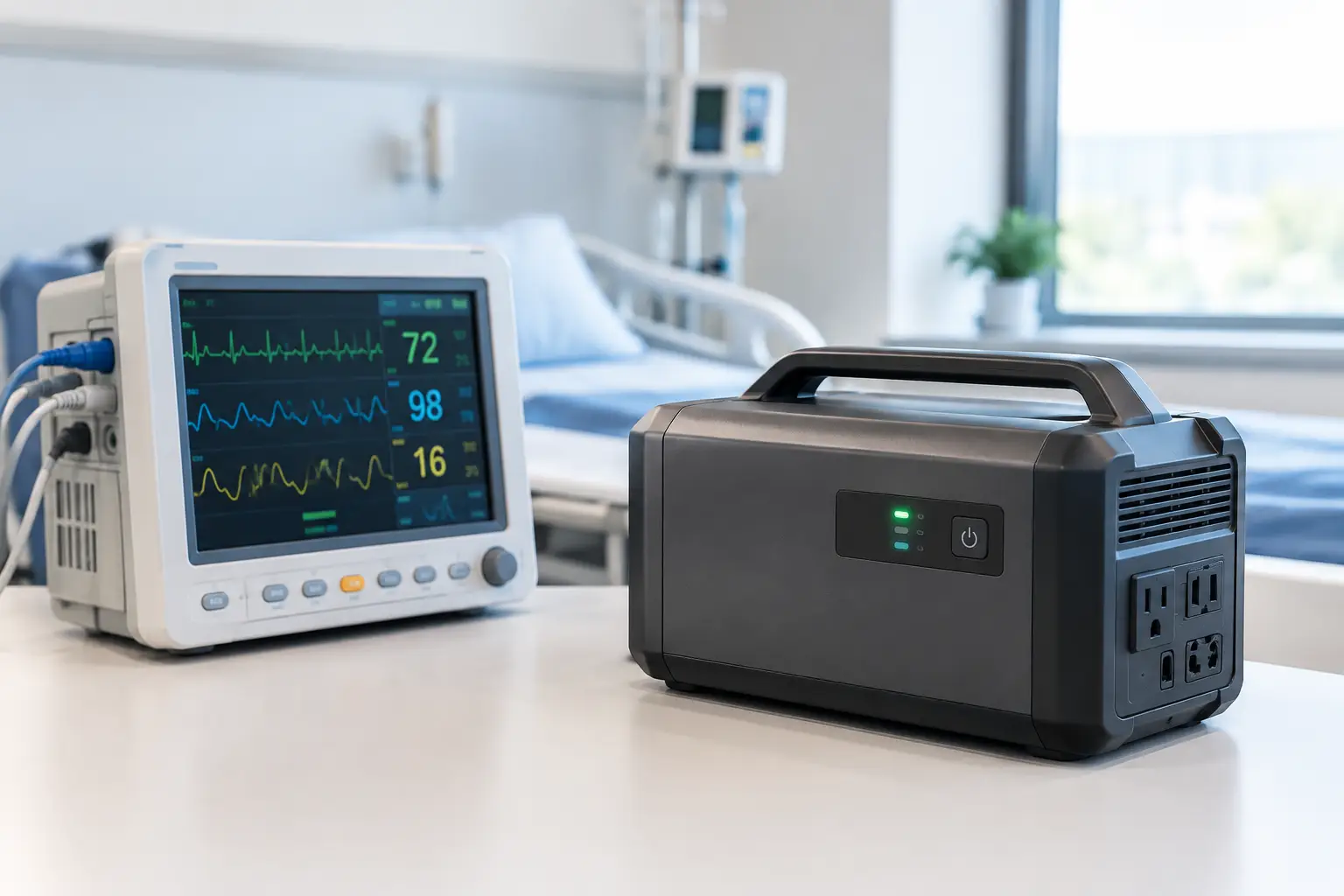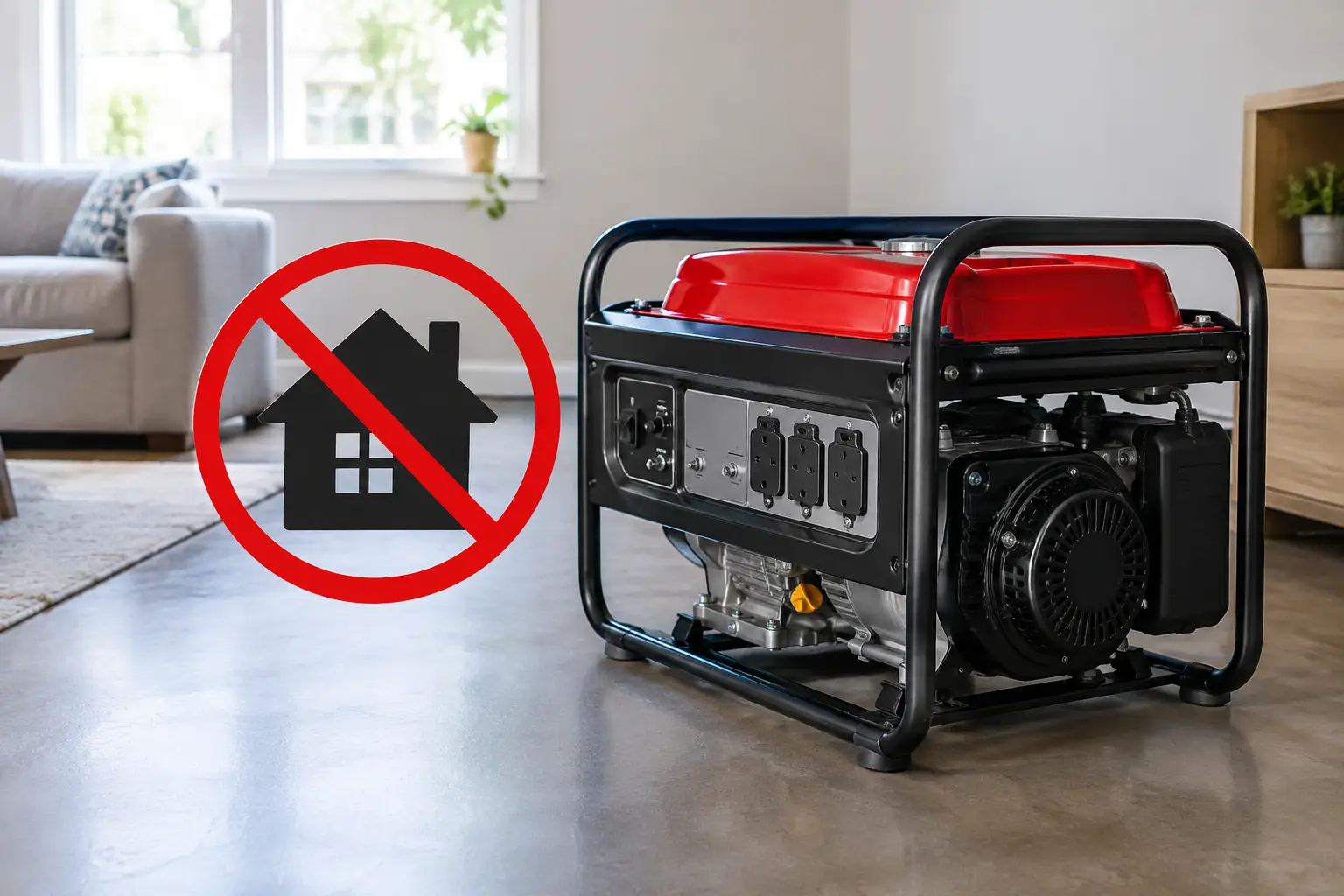
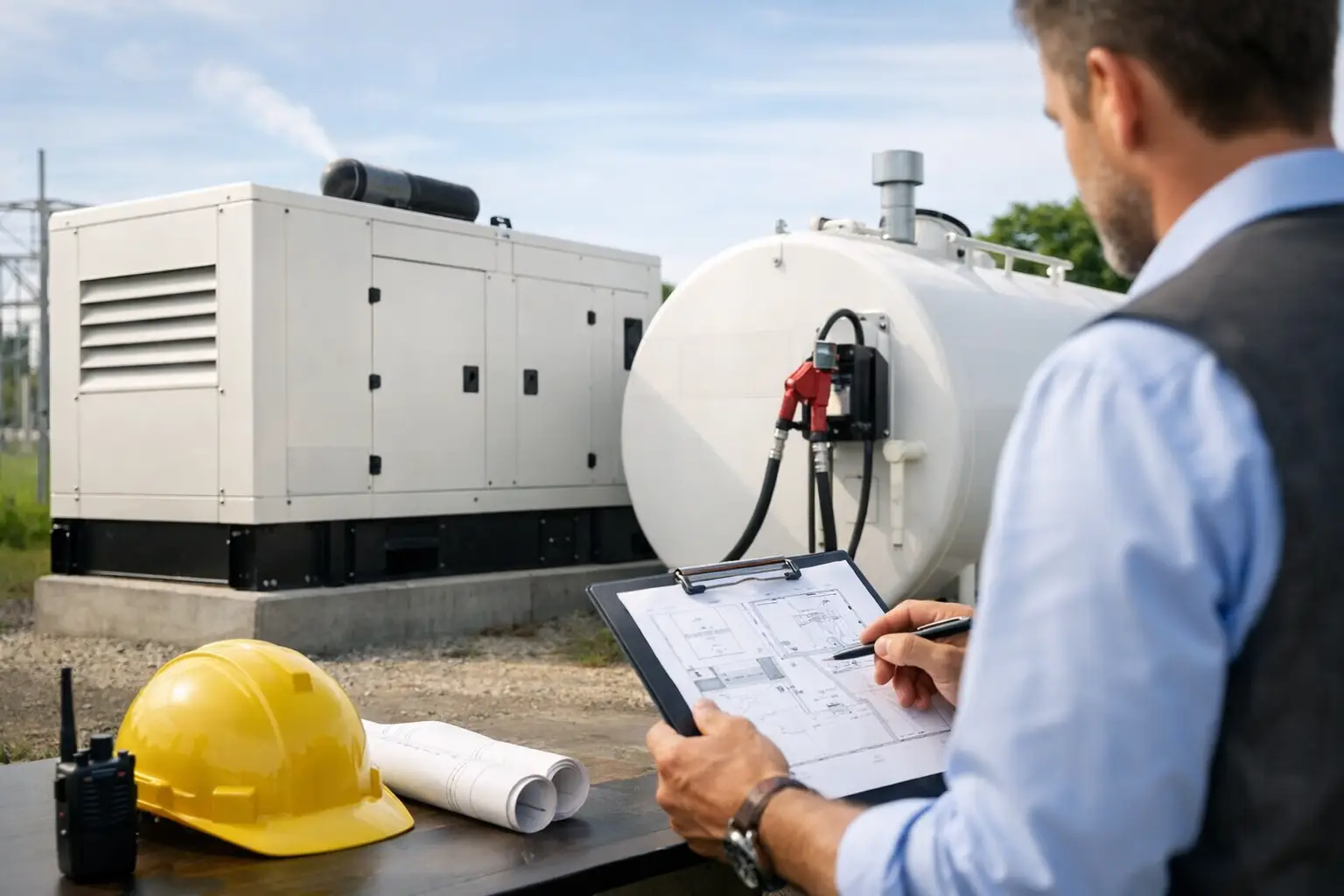
When the power goes out, most people think about generator size first. In practice, generator fuel supply planning is just as important. A well-sized standby generator can still leave you exposed if the fuel source is undersized, unreliable, hard to refill, or poorly matched to how long you need to operate.
That is where many backup power projects go sideways. The generator itself gets the attention, but the fuel plan gets treated like a detail. For homeowners, that can mean shorter run times, frozen pipes, spoiled food, or losing heat and internet during a long outage. For businesses, it can mean interrupted operations, lost revenue, and a backup system that looks good on paper but falls short when it matters.
Why generator fuel supply planning matters
A standby generator is only dependable if it can keep receiving fuel under real outage conditions. That sounds obvious, but the right answer depends on your property, your utility access, your local weather risks, and what loads you need to carry.
Natural gas, propane, and diesel each solve different problems. Natural gas is often attractive because it provides a continuous fuel source without on-site refueling. Propane offers long shelf life and independence from the gas utility, but tank sizing becomes a major part of the decision. Diesel can be a strong fit for certain commercial applications, especially where very high output is needed, yet storage, maintenance, and fuel quality require more attention.
The trade-off is simple. Convenience, runtime, refill logistics, installation requirements, and long-term service needs do not all point to the same fuel choice. Good planning weighs those factors before the equipment is installed, not after the first storm exposes the weak spot.
Start with the real runtime requirement
The first question is not, “What fuel is cheapest?” It is, “How long do you need this system to carry you?” A homeowner who wants to protect refrigeration, sump pumps, heat, cooling, medical devices, and remote work through a multi-day outage has a different fuel planning requirement than someone who only wants short-term backup for a few essentials.
The same goes for commercial properties. A business that needs to preserve refrigeration, keep security systems active, maintain network uptime, or avoid shutting down production cannot base fuel planning on best-case assumptions. It needs to account for realistic outage duration, site access during bad weather, and whether deliveries or refills may be delayed.
This is why load planning and fuel planning belong together. The more of the home or facility you want to power, and the longer you need to sustain that load, the more critical the fuel strategy becomes.
Choosing the right fuel source
Natural gas
Natural gas is often the easiest choice for homes and some commercial buildings with an existing gas utility connection. It removes the need to store large quantities of fuel on site and supports extended operation without manual refueling. That makes it a strong option for whole-home standby systems and properties that want minimal day-to-day fuel management.
The main limitation is that you are relying on utility infrastructure. In many areas, that is a very dependable bet. Still, it is not the same as owning the full fuel supply on your property. Natural gas systems also need proper pipe sizing and pressure verification. If the gas line cannot support the generator’s demand under load, performance problems can follow.
Propane
Propane is a popular standby generator fuel because it stores well, burns cleanly, and works in areas where natural gas is not available. It gives homeowners and businesses more fuel independence, which can be a major advantage in rural locations.
The catch is runtime depends on tank size, generator load, and outside temperature. A small tank may look fine during quoting but can become a problem during a multi-day outage. That is why propane generator fuel supply planning must account for actual consumption, not just the fact that a tank exists. Delivery access, tank placement, refill timing, and local code requirements all matter.
Diesel
Diesel is common in larger commercial and industrial backup systems because it offers high energy density and strong performance for demanding loads. In the right application, it can be the best fit.
But diesel requires more active fuel management. Stored fuel quality can degrade over time, tanks and polishing programs may be needed, and maintenance standards are higher. For many homeowners, diesel is more complexity than they want. For some businesses, especially those with strict uptime requirements, it may still be the correct choice when managed properly.
The hidden issue: fuel infrastructure
A generator does not run on a brochure. It runs on the fuel infrastructure connected to it.
That means pipe sizing, regulator sizing, tank sizing, venting, placement, clearances, transfer equipment, and code-compliant installation all have to work together. A common mistake is assuming the utility line or existing tank is automatically enough. Sometimes it is. Often, it needs to be evaluated carefully.
For natural gas, the line may need to be upsized to support both normal appliances and generator demand. For propane, the tank may need to be larger than expected to support desired runtime and vaporization in cold weather. For diesel, storage design and fuel maintenance planning can become part of the project from day one.
This is where professional planning earns its value. It reduces the chance of finding out during an outage that the generator starts, but cannot carry the house or building the way you were promised.
Generator fuel supply planning for homes
For residential customers, the most practical fuel plan is usually the one that supports automatic operation with the fewest failure points. If your goal is to protect heat, air conditioning, refrigeration, lighting, internet, well pumps, or medical equipment, you want a system that can run without last-minute scrambling.
Natural gas is often ideal where available because it supports long-duration outages with very little homeowner involvement. Propane can be an excellent choice for rural or off-gas properties, provided the tank is sized for realistic runtime and not just the smallest acceptable setup.
This is also where expectations need to be honest. Whole-home backup and essential-circuit backup create different fuel demands. So does a house with electric heat versus one with gas heat. The fuel plan should reflect how you actually live, not a generic estimate.
Generator fuel supply planning for businesses
Commercial properties have less room for guesswork. If downtime affects revenue, compliance, customer service, or safety, the fuel supply plan needs to be tied directly to business continuity.
Some businesses need enough fuel support to ride through brief utility interruptions. Others need to remain online for days. A medical office, retail operation, restaurant, warehouse, or office with critical servers may all have different priorities, even if the generator sizes look similar.
This is why planning should include more than equipment selection. It should address expected outage duration, operational priorities, refill logistics, maintenance responsibilities, and who is accountable when service is needed fast. The right answer is not always the lowest install price. It is the setup that still works under pressure.
Common mistakes to avoid
The biggest mistake is underestimating fuel demand. That usually starts with an oversimplified quote or a contractor who focuses on installing a unit instead of planning a dependable system.
Another problem is assuming fuel availability equals fuel readiness. An existing gas service, propane tank, or diesel tank does not automatically mean the setup is adequate for your generator. Capacity, pressure, consumption rates, and runtime goals all need to line up.
The last major mistake is treating fuel planning as a one-time decision. Fuel systems need periodic inspection, testing, and service just like the generator itself. A strong backup power partner looks beyond installation and helps ensure the entire system is ready when the outage arrives.
What good planning looks like
Good generator fuel supply planning starts with a site-specific assessment. It looks at your loads, runtime expectations, utility access, property constraints, permitting, and long-term maintenance needs. It also considers what can go wrong in a real storm, not just what works during a calm-weather startup test.
That process should be clear and transparent. You should understand why a fuel source is being recommended, what runtime to expect, what infrastructure changes are required, and what service support will look like after installation. If those answers are vague, the risk usually lands on you later.
At GenTek Power, that is exactly why professional design and long-term service matter. The goal is not just to install a generator. It is to put a dependable backup power system in place that can protect your home or business when utility power fails.
If you are considering standby power, do not treat fuel as an afterthought. The best generator in the world is only as reliable as the supply behind it, and the right plan can spare you a lot of stress when the lights go out.