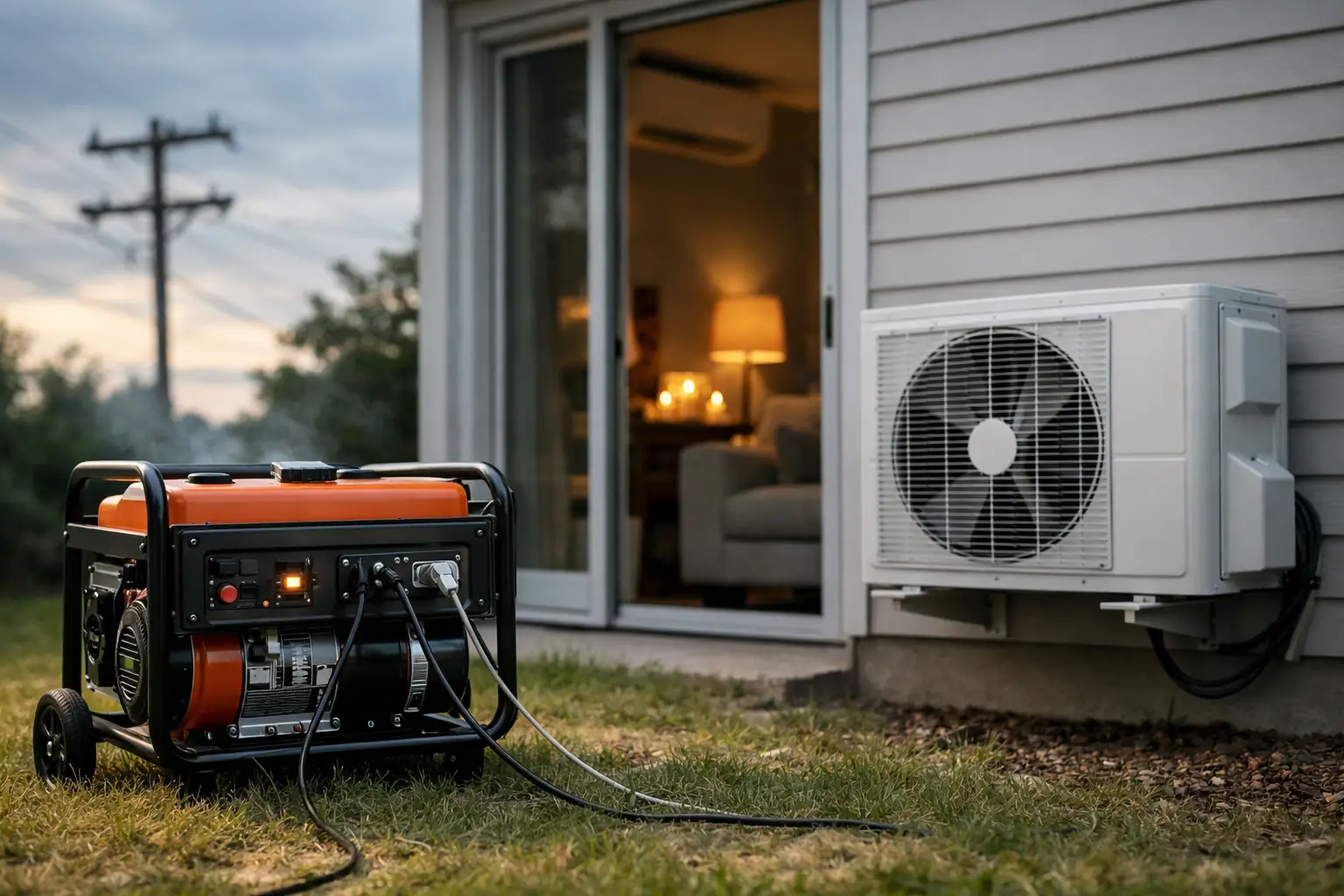
A summer outage can turn a comfortable home into a dangerous one faster than most people expect. So, can generators run air conditioners? Yes, but only when the generator is properly sized for the AC system, its startup demand, and the other loads your home or business needs to keep running.
That distinction matters. A generator that is too small may start your lights and refrigerator but fail when the air conditioner cycles on. In some cases, it can trip the generator breaker, damage equipment, or leave you without cooling when you need it most. Reliable backup power begins with a real load calculation, not a guess based on a generator’s advertised wattage.
Can Generators Run Air Conditioners Reliably?
A correctly designed standby generator can run central air conditioning, ductless mini-splits, window units, and many other cooling systems during an outage. The right solution depends on the type and size of your air conditioner, whether you want whole-home backup or only essential circuits, and what else needs power at the same time.
For many homeowners, the goal is not simply to make an AC unit turn on once. It is to keep the home safe and livable through a prolonged outage while refrigeration, lighting, internet, sump pumps, medical equipment, and other critical systems continue operating. For a business, the priority may be maintaining cooling for inventory, server rooms, tenants, employees, or customer-facing areas.
Portable generators can sometimes support a small window air conditioner or select circuits, but they are not usually the right answer for dependable central-air backup. They require manual setup, safe outdoor placement, fuel management, extension-cord planning, and careful load control. An automatic standby system is built to sense an outage, start automatically, and transfer power to designated circuits or the entire electrical system.
Why Air Conditioners Are Harder to Power Than They Look
Air conditioners have two power requirements: running wattage and starting wattage. Running wattage is the power needed while the system is operating. Starting wattage, also called inrush current or locked-rotor amps, is the much higher surge of electricity required when the compressor starts.
That startup surge is where undersized systems run into trouble. Your central AC might appear to use a manageable amount of power once it is running, but the compressor can demand several times that amount for a brief moment at startup. If the generator cannot handle that surge while supporting other household loads, the system may struggle, shut down, or trip protection devices.
Older HVAC equipment can be especially demanding. Age, maintenance condition, compressor design, and outdoor temperature can all affect startup requirements. A system that starts without issue on a mild day may behave differently during a heat wave, when utility outages are often most likely.
Central Air Conditioning
Central air conditioning is generally the largest electrical load in a home. A smaller, efficient central system may be compatible with a mid-sized standby generator when loads are managed properly. Larger homes with multiple AC units, electric heat, pool equipment, well pumps, and high-demand appliances often need substantially more capacity.
The nameplate on the outdoor condenser provides useful information, including voltage, minimum circuit ampacity, and maximum overcurrent protection. However, nameplate data alone does not tell the full story. A qualified generator professional evaluates the complete electrical demand and the way equipment operates together.
Ductless Mini-Splits and Window Units
Ductless mini-splits are often easier to support than traditional central air systems, particularly inverter-driven models that can ramp power use rather than hitting the generator with one large startup surge. Window AC units also use less power than whole-home central systems, though their startup demand still needs to be considered.
These options can be practical for an essential-load backup plan. During an outage, you may choose to cool a bedroom, living area, office, or designated safe space instead of powering every room in the building.
Generator Size Depends on More Than the AC
A generator should never be sized around the air conditioner alone. The real question is what must operate while the AC compressor starts and runs. Refrigerators and freezers cycle on unexpectedly. A well pump, sump pump, microwave, electric water heater, clothes dryer, range, EV charger, or shop equipment can quickly consume the capacity you thought was available.
A professional assessment looks at your electrical panel, major appliances, HVAC equipment, fuel source, transfer equipment, and priorities during an outage. The goal is to prevent surprises, such as losing cooling because someone starts the dryer or discovering that a new appliance pushes an existing generator beyond its limits.
There are two common approaches.
An essential-load system powers selected circuits, such as refrigeration, lighting, internet, sump pumps, security equipment, garage doors, and a smaller cooling solution. This can be a cost-conscious way to protect the functions that matter most.
A whole-home system is designed to support a broader range of equipment, often including central air conditioning. Depending on the home and generator capacity, some nonessential loads may still be managed automatically to protect the system from overload. This approach offers greater convenience, but it requires careful planning and proper installation.
Load Management Can Make Central Air Possible
Load management is one of the most useful tools in standby generator design. It allows high-demand appliances to be prioritized, delayed, or temporarily shed when generator capacity is needed elsewhere.
For example, when the air conditioner starts, a load-management system may prevent the electric dryer, pool heater, or other noncritical load from running at that same moment. Once the compressor is operating and the generator has available capacity, those loads can be restored according to the system’s programmed priorities.
This is not a shortcut for installing an undersized generator. It is a controlled strategy that helps a correctly designed system serve more of the home without sacrificing reliability. It also avoids asking customers to remember a complicated list of what they can and cannot turn on during a stressful outage.
Soft Starts May Reduce Compressor Demand
A soft-start device can reduce the startup surge of certain air-conditioning compressors. In some installations, this can make it practical to run a central AC unit on a generator that would otherwise need more starting capacity.
It can be a valuable option, but it is not universal. Compatibility depends on the HVAC equipment, its condition, and the overall generator design. A soft start reduces the initial electrical demand; it does not eliminate the AC unit’s normal running power or solve a generator sizing problem caused by multiple large loads.
Fuel Supply Matters During Long Outages
Cooling through a two-hour outage is one thing. Running air conditioning through several days of extreme heat requires a dependable fuel plan.
Natural gas standby generators can provide extended operation where utility gas service remains available. Propane systems can also provide reliable backup, but the tank size and available fuel must match expected runtime and load. The more electrical demand the generator carries, the more fuel it consumes.
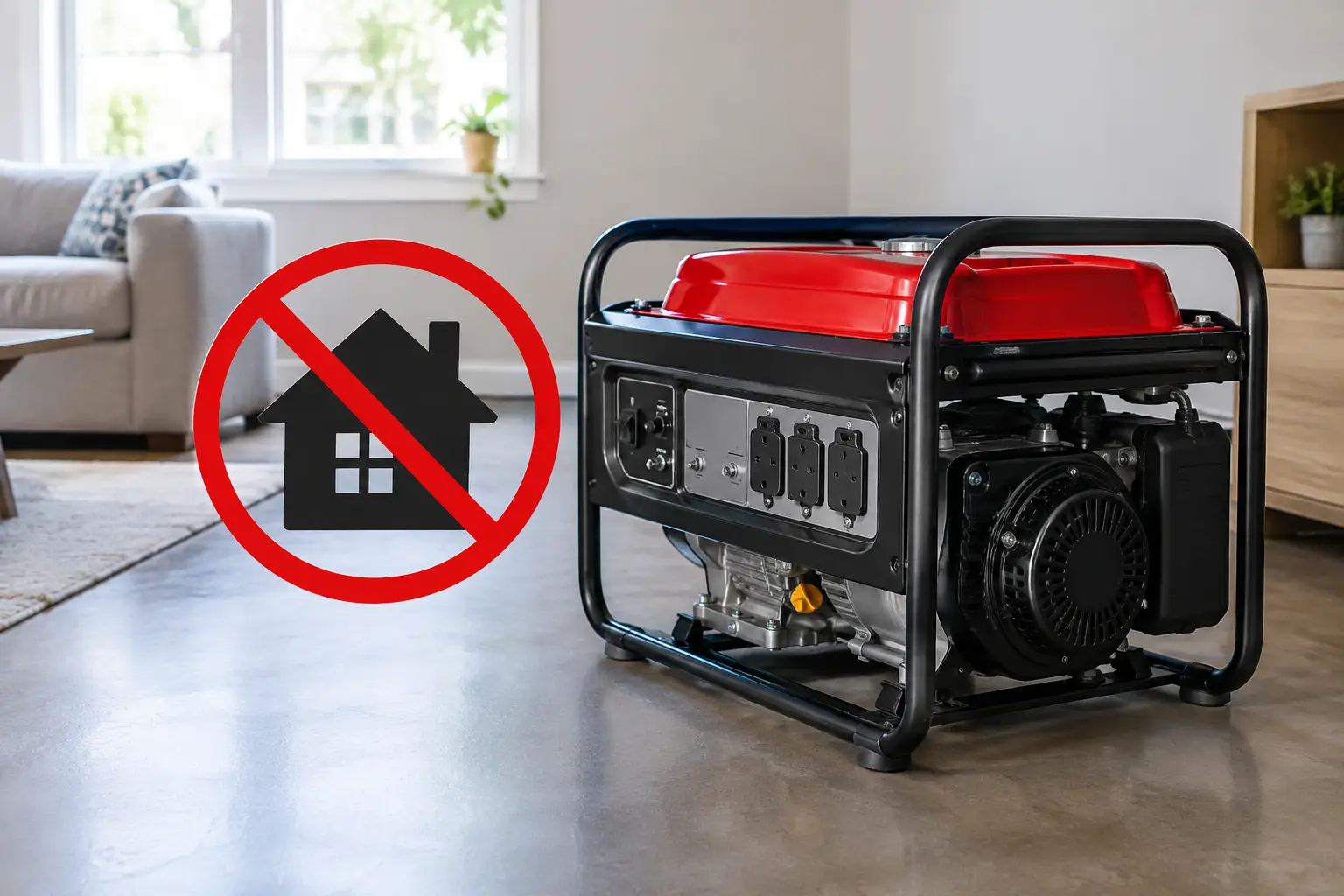
Portable gasoline generators require frequent refueling and should never be fueled while hot or running. They must operate outdoors, well away from doors, windows, vents, and attached garages due to carbon monoxide risk. They also should never be connected to a home electrical system without approved transfer equipment. Backfeeding through an outlet is dangerous, illegal, and can put utility workers and your property at risk.
Installation Quality Protects the Equipment You Depend On
A generator capable of running air conditioning is not just a piece of equipment placed beside a building. It is a complete backup-power system. That includes correct generator sizing, transfer switch selection, electrical integration, fuel connections, load management, permits, code compliance, startup testing, and ongoing maintenance.
Poor installation can create the same anxiety it was supposed to eliminate. An improperly placed unit may have ventilation or clearance issues. An undersized fuel line can restrict performance. Incorrect electrical work can compromise safety, generator operation, or warranty coverage. And a system that is never tested under realistic loads may reveal problems only after the lights go out.
At GenTek Power, the focus is on designing standby systems that perform when the outage is real, not just when the installation is finished. That means understanding what needs to stay on, accounting for HVAC startup demand, and supporting the system long after commissioning.
A Better Question to Ask Before Buying
Instead of asking only, “Can a generator run my air conditioner?” ask, “What do I need my property to keep doing during an outage?” That conversation produces a more useful plan.
If safe cooling is the priority, identify which areas need it most, whether central air is essential, and what other equipment cannot go without power. A properly sized and professionally installed generator can protect comfort, food, communications, and critical systems through the heat – without leaving you to manage electrical guesswork when conditions are already difficult.
The right time to confirm your cooling plan is before the next outage, when there is time to make careful decisions rather than uncomfortable compromises.