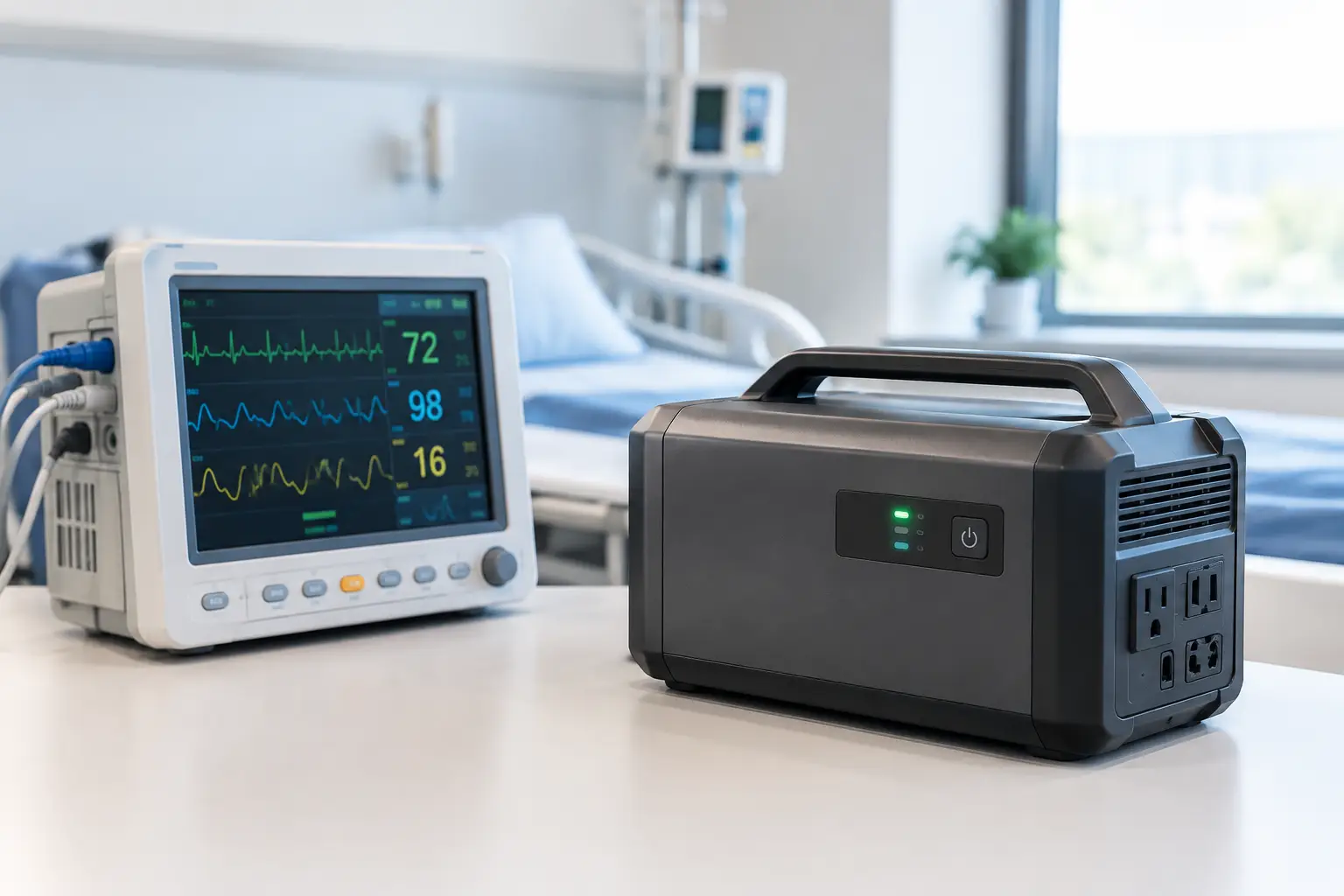
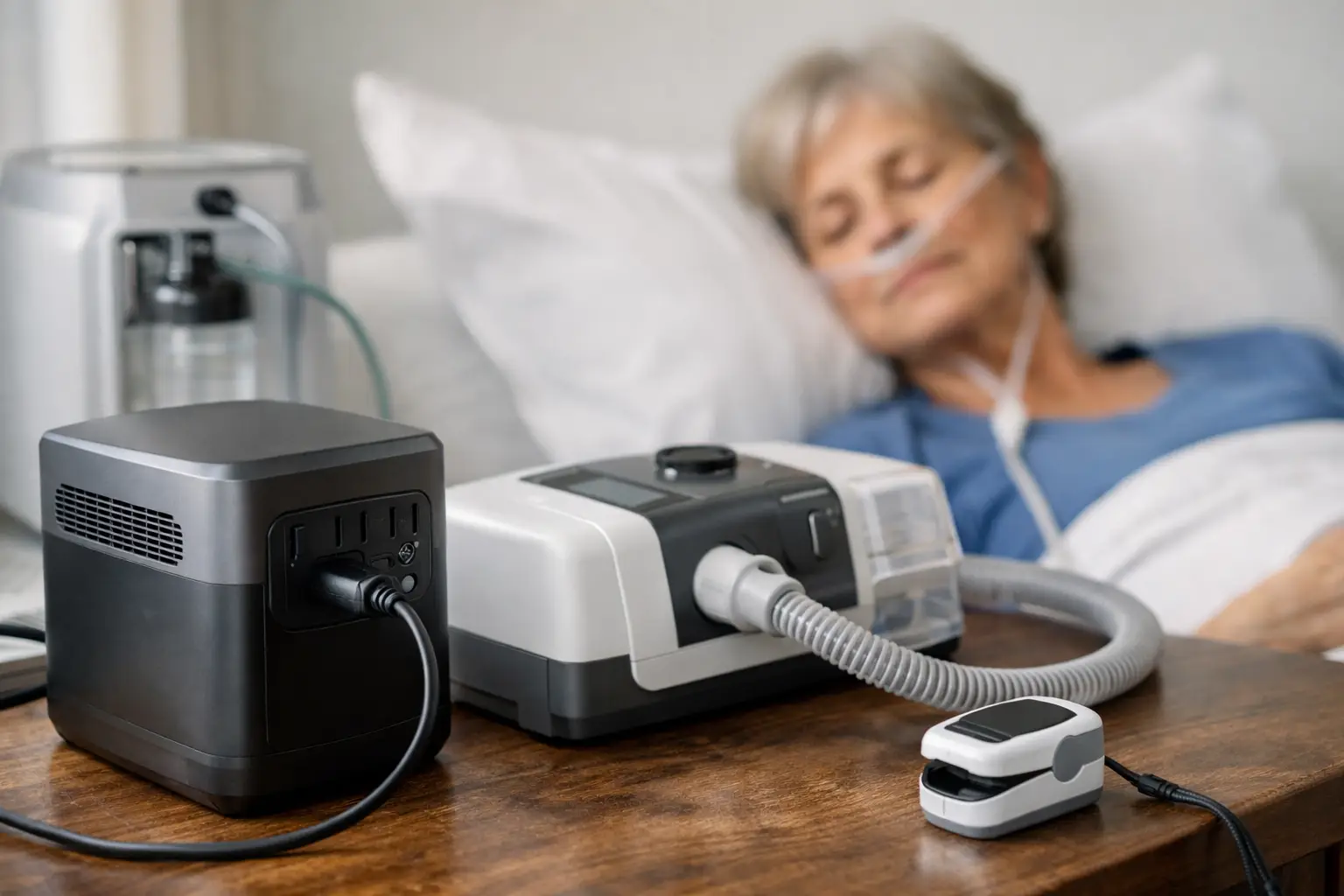
A power outage is more than an inconvenience when someone in your home depends on oxygen equipment, a CPAP or BiPAP machine, a home dialysis system, refrigerated medication, or another essential device. Backup power for medical devices gives your family a plan for keeping critical care running when the grid goes down – without rushing to find fuel, extension cords, or a place to go after the storm has already arrived.
A professionally installed standby generator can be a major part of that plan. But the right solution is not simply the biggest generator available. It must be designed around the device, the home, the startup demands of connected equipment, and the level of protection your family needs.
Why medical-device backup needs a real plan
Many medical devices include an internal battery or can operate on an external battery. That is useful, but battery runtime is limited and can change with the device settings, battery age, and how frequently the equipment is used. A portable generator can help in some situations, yet it requires safe outdoor placement, fuel management, manual startup, and careful connection. Those are demanding tasks during severe weather, especially at night or when a caregiver is not present.
An automatic standby generator is permanently installed outside the home and connected to a transfer switch. When utility power fails, the system senses the outage, starts automatically, and transfers selected circuits or the entire home to generator power. When utility power returns, it transfers the home back and shuts down after a programmed cool-down period.
That automatic response matters, but it does not eliminate every consideration. Most standby generators take several seconds to start and transfer power. Devices that cannot tolerate even a short interruption may need a battery backup, uninterruptible power supply, or manufacturer-approved backup option to bridge that gap. For life-sustaining equipment, always confirm the recommended emergency power approach with the device manufacturer and the prescribing care team.
Start with the device, not the generator
The first step is identifying exactly what must remain powered during an outage. Write down the make and model of each device, its voltage, running wattage, and startup wattage if applicable. This information may appear on the device label, power adapter, owner’s manual, or manufacturer documentation.
Some equipment has a relatively modest electrical draw but must operate continuously. Other equipment cycles on and off or has a motor that needs additional power at startup. A concentrator, refrigerator, furnace blower, well pump, and air conditioner can all affect generator sizing differently than their running wattage alone suggests.
It also helps to separate needs into two groups. The first is essential medical equipment and the household systems that support it, such as lighting, refrigeration, heating or cooling, a sump pump, and internet or phone charging. The second is convenience load – items that can wait until the outage is over. This distinction keeps the design focused on dependable operation rather than unnecessary capacity.
Do not overlook the systems around the device
A medical device rarely operates in isolation. If a person relies on respiratory equipment, maintaining a safe indoor temperature can be just as important as powering the machine. If medication requires refrigeration, the refrigerator needs reliable power. If a household uses a private well, a generator may need to support the well pump for drinking water and sanitation.
Think through the full care routine. That may include a bedroom outlet, bathroom lighting, a refrigerator, a furnace or heat pump, a modem for telehealth communication, and charging for phones. A qualified generator consultation turns those real-world needs into a clear electrical plan.
Whole-home or essential-circuit backup?
There are two common approaches to standby generator design. An essential-circuit system powers a defined group of high-priority circuits during an outage. This can be a practical choice when the goal is to protect a medical device and key household functions while managing project cost and generator size.
A whole-home system is designed to carry the home’s normal electrical load, subject to the generator’s capacity and load-management settings. It offers more flexibility because your family does not need to decide which rooms and outlets are available when power fails. For homes with central air conditioning, electric appliances, well pumps, multiple refrigerators, or more than one critical occupant, whole-home backup may provide greater confidence.
Neither option is automatically right for every household. Essential-circuit backup can be highly effective when priorities are clearly defined. Whole-home backup may be the better fit when comfort systems and daily routines directly support care, or when the household cannot reasonably manage electrical restrictions during an extended outage.
Generator sizing is about more than wattage
Generator sizing requires a load calculation, not a guess based on square footage or a single device’s power rating. A professional evaluates the electrical panel, major appliances, heating and cooling equipment, pumps, and the medical equipment that must remain available. They also account for startup loads and determine whether load-management controls are appropriate.
Oversizing can add unnecessary cost. Undersizing creates a more serious problem: the generator may overload, shut down, or force you to choose between systems that should be able to run together. The goal is a properly sized system that performs as intended during the conditions that matter most.
Fuel is another part of the decision. Natural gas can provide long-duration operation where service remains available. Propane is a strong option for locations without natural gas, but the tank size and fuel delivery plan must support the expected outage duration. A reliable backup plan considers local outage patterns, not just the average weather forecast.
Installation quality protects the plan
A generator is only as dependable as its installation and ongoing service. Safe, code-compliant work includes the generator, transfer switch, electrical connections, fuel supply, grounding, placement, permits, and final testing. Improper installation can create fire, shock, fuel, or carbon monoxide hazards – and it can leave the system unable to perform when you need it.
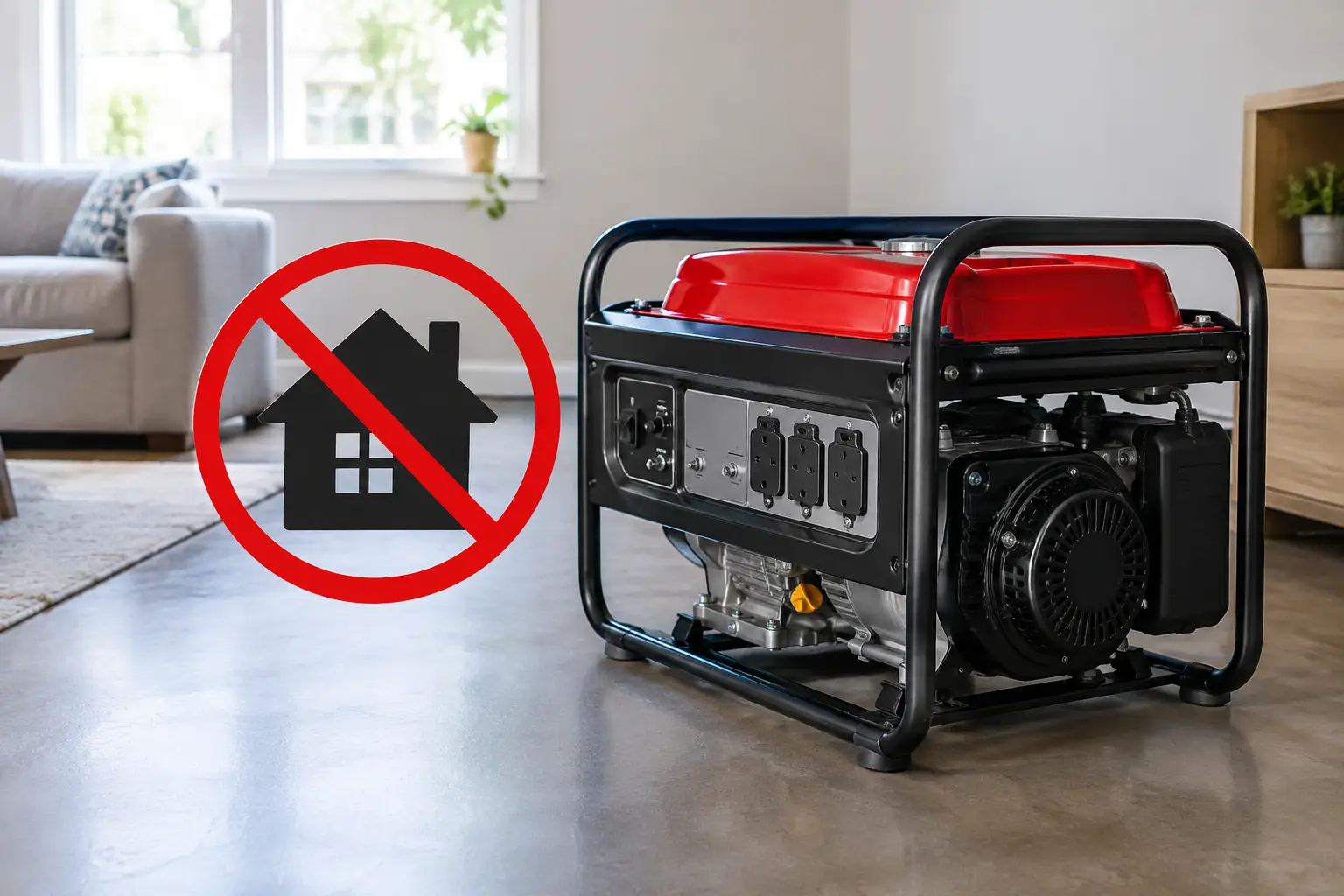
Portable generators carry particular risks. They must never be operated in a garage, basement, enclosed porch, or near doors, windows, and vents. They should never be connected to a home electrical system through an improvised cord or outlet. Backfeeding utility lines is dangerous for utility workers and can damage equipment. If a portable unit is part of your emergency plan, use a properly installed generator inlet and transfer switch, and follow all manufacturer safety instructions.
For permanently installed equipment, professional coordination prevents costly surprises. That includes confirming fuel capacity, reviewing site clearances, managing permits and inspections, and testing the system under appropriate load. At GenTek Power, the work is approached as a complete protection system, not a generator drop-off followed by a handoff to the homeowner.
Keep a second layer of protection
A standby generator is powerful protection, but households using medical equipment should not rely on one layer alone. Keep device-specific batteries charged, maintain an emergency supply of medications and consumables, and store the care team’s contact information where everyone can access it. Ask the equipment provider how long the device can run on battery power and whether the device has specific rules for generator use.
It is also wise to create a plan for an extended outage or equipment failure. Identify where the person could go if home power cannot be restored, and know when to call emergency services. A generator supports the home, but it does not replace medical guidance or emergency care.
Test the system before the next outage
Automatic generators typically exercise on a schedule, but an exercise cycle is not the same as confirming your household is prepared. Review the critical loads periodically. Make sure the medical device is connected to a circuit included in the backup plan, and verify that caregivers know what to expect when the generator starts.
Scheduled maintenance is equally important. Batteries weaken, oil and filters need replacement, and fuel or electrical issues can develop quietly. Professional maintenance and responsive service help catch those problems before a storm exposes them.
If medical equipment is part of your household’s daily care, do not wait for the next outage to learn what will stay on and what will not. A careful backup power plan gives your family time, comfort, and a safer path through the hours when the grid is unavailable.