A power outage is rarely just an inconvenience. It can mean a dark home, a flooded basement, spoiled food, no heat or air conditioning, interrupted work, and uncertainty about whether essential equipment will keep running. The best generator features for homeowners are the ones that remove that uncertainty automatically, safely, and for as long as the outage lasts.
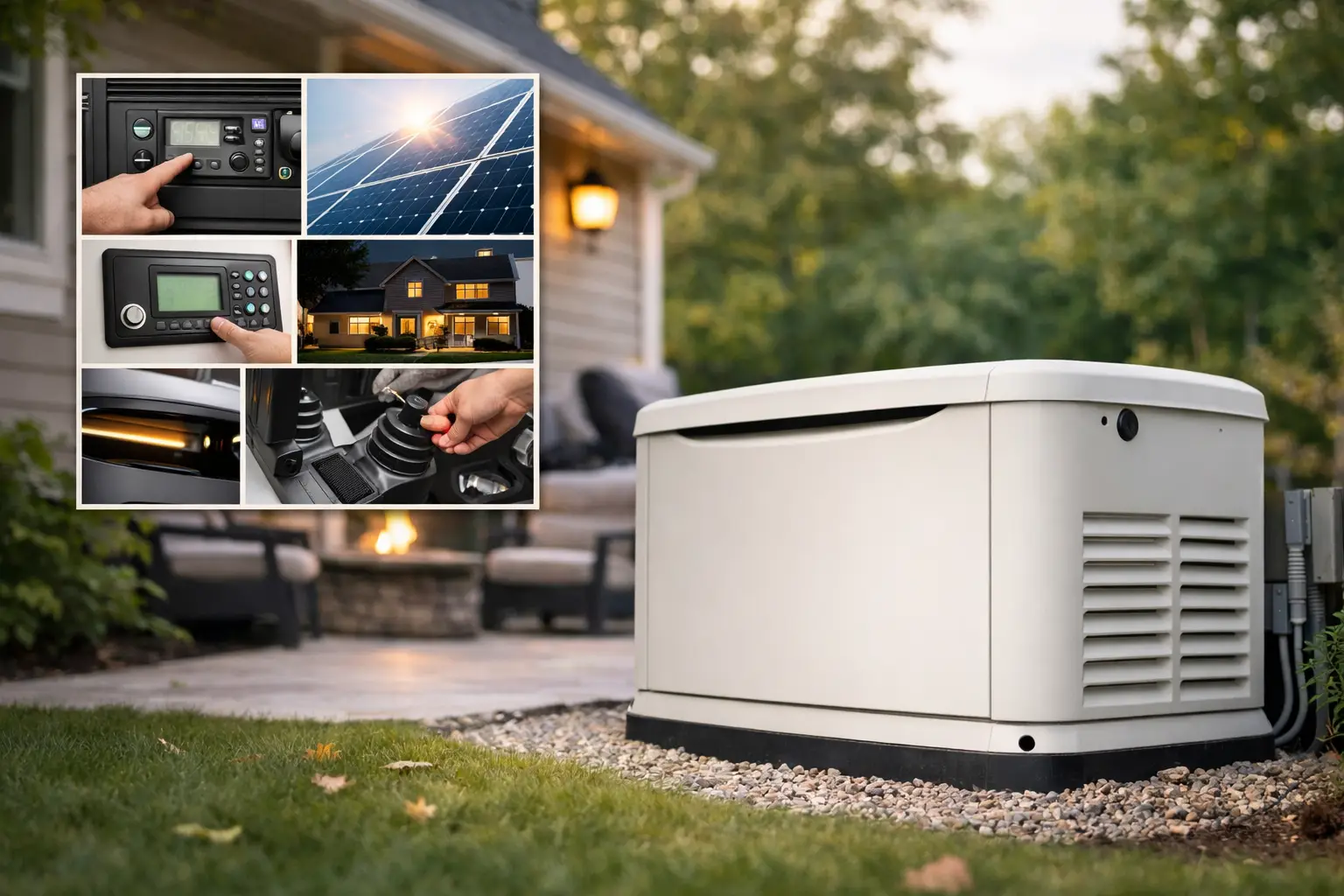
A standby generator is not simply a larger portable generator. It is a permanently installed backup power system designed to sense an outage, start on its own, and restore selected or whole-home power without requiring you to go outside in bad weather. Choosing the right features matters because the system must protect the way your household actually lives, not just produce electricity.
1. Automatic Start and Automatic Transfer
Automatic operation is the feature that turns backup power from a chore into real protection. When utility power fails, an automatic transfer switch detects the interruption, starts the generator, and moves your home onto generator power. Once utility power returns and stabilizes, the system transfers back and shuts the generator down safely.
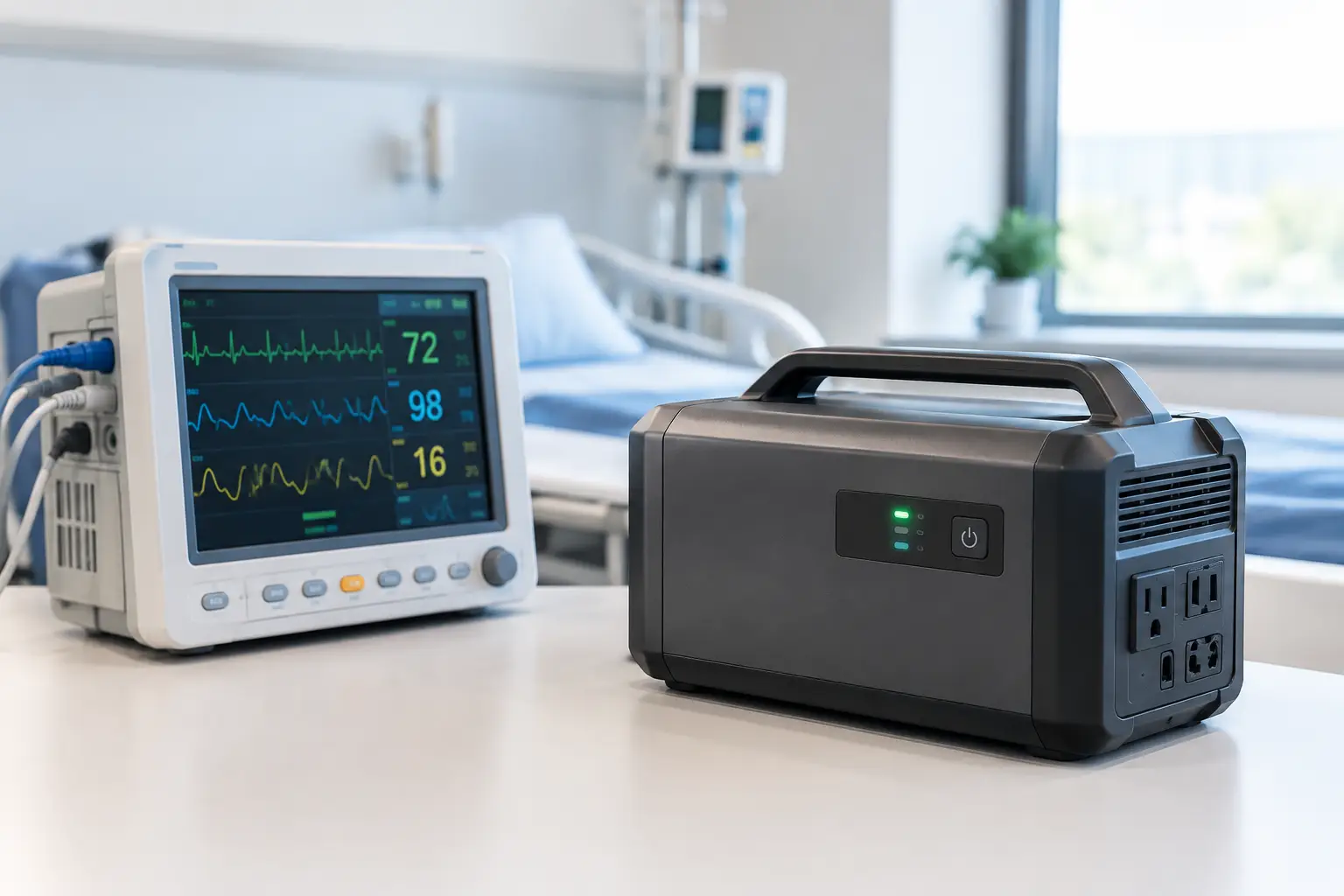
This is particularly valuable when outages happen while you are asleep, away from home, or unable to manage equipment outdoors. Families with sump pumps, well pumps, medical equipment, security systems, or temperature-sensitive medication should not have to depend on someone being present to pull-start a portable unit.
The transfer switch also prevents dangerous backfeeding – a condition where electricity travels from a generator into utility lines. Proper transfer equipment, installed and tested by licensed professionals, protects your home, utility workers, and the generator itself.
2. The Right Power Capacity for Your Real Needs
Generator size is one of the most important decisions in the entire project. A unit that is too small may not carry essential loads or may struggle when major appliances start. A unit that is oversized can add unnecessary upfront and operating cost. The right answer depends on your electrical load, heating and cooling equipment, fuel source, and the level of coverage you expect during an outage.
Some homeowners want essential-circuit coverage for refrigeration, lighting, internet, a furnace blower, a sump pump, and a few outlets. Others need whole-home backup so daily life can continue with central air conditioning, electric appliances, home offices, and smart-home systems operating normally.
A professional load assessment is more reliable than selecting a generator based on square footage alone. Starting power, not just running power, must be considered. Air conditioners, well pumps, refrigerators, and other motor-driven equipment can require a significant surge when they start. A properly sized system is built around those real-world demands.
3. Load Management That Protects Priority Equipment
Load management allows a generator to support more of your home intelligently without being forced to run every large electrical load at once. The system can prioritize essential circuits and temporarily delay lower-priority equipment when demand is high.
For example, your generator may keep the refrigerator, heat, lights, internet, and sump pump running while managing when central air conditioning, an electric dryer, or other large loads can operate. This approach can make excellent use of generator capacity while reducing the need to purchase a larger unit than your home requires.
The trade-off is that not every appliance may run at the exact same moment during an extended outage. For many homes, that is a sensible compromise. The key is planning priorities before installation, so there are no surprises during the first major storm.
4. Fuel Supply Designed for Extended Outages
A standby generator is only as dependable as its fuel supply. Natural gas is a popular option because it is supplied continuously through a utility line and eliminates the need to refill fuel containers during an outage. Propane is another dependable choice, particularly in areas without natural gas service, but it requires a correctly sized tank and a plan for fuel delivery.
Fuel planning should account for the generator’s size, expected runtime, local weather patterns, and other fuel-burning appliances in the home. During a prolonged winter outage, for instance, a propane supply may need to support both heating equipment and the generator.
A professional installation includes proper fuel-line sizing and coordination with qualified gas or propane providers. This is not an area for shortcuts. Fuel restrictions can limit generator output, cause starting problems, or create safety concerns when the system is needed most.
5. Remote Monitoring and Clear System Alerts
A generator can exercise itself every week, but homeowners still need to know whether it is ready to respond. Remote monitoring gives you visibility into generator status, exercise activity, maintenance reminders, and fault alerts from a phone, tablet, or computer.
This feature is especially useful for vacation homes, frequent travelers, and homeowners who want confirmation that the system is operating as intended. It also allows a service provider to identify certain issues early, sometimes before an outage exposes them.
Monitoring is not a replacement for maintenance. It is an added layer of oversight. A low battery, service code, or communication issue still needs a qualified technician to diagnose and correct it. The value comes from learning about the problem promptly instead of discovering it when the lights are already out.
6. Weather-Ready Enclosure and Cold-Weather Capability
Outdoor generator equipment must withstand rain, wind, snow, temperature changes, and debris. A purpose-built weather-resistant enclosure protects the engine and electrical components while allowing safe airflow and service access.
For cold climates, dependable starting performance deserves special attention. Features such as battery warming and oil warming can help the generator start more reliably in freezing conditions. These options are not necessary for every location, but they can be a practical investment where severe winter weather and extended outages are common.
Placement matters just as much as the enclosure. The generator needs required clearance from doors, windows, vents, and structures, as well as a stable installation surface. A professional site review ensures the system meets local codes while limiting noise and preserving access for future service.
7. Quiet Operation That Fits Your Property
No generator is silent, but modern residential standby models are considerably quieter than many homeowners expect. Sound-attenuated enclosures, engine-speed management, and proper placement can reduce disruption for your family and neighbors.
Noise should be weighed against the protection you need. A unit that operates for days during a severe outage will be heard, but a correctly installed generator should not create unnecessary disturbance. During a consultation, discuss property lines, bedroom locations, patios, and nearby homes so placement decisions are made thoughtfully rather than after the concrete pad is installed.
8. A Service Plan and Professional Installation Behind It
The best generator features for homeowners include more than what is printed on a specification sheet. The quality of installation, permitting, electrical work, fuel connection, startup testing, and long-term service support determines whether the system performs when it counts.
A complete installation should include load evaluation, site planning, permits, utility or fuel coordination where required, code-compliant wiring, transfer-switch installation, commissioning, and a clear walkthrough of system operation. After installation, routine maintenance helps protect the warranty, confirm battery condition, inspect fluids and connections, and verify that the generator is ready for outage duty.
This is where a full-service provider makes a meaningful difference. GenTek Power approaches standby backup as a long-term protection system, not a one-time equipment sale. Homeowners should know who will answer the phone, perform maintenance, and provide support if a fault occurs during a storm.
Choose Features Around What You Cannot Afford to Lose
The right generator is not always the largest model with every available option. It is the system that starts automatically, carries the loads your household depends on, has dependable fuel, and receives professional support throughout its service life.
Before selecting equipment, think through the first 24 hours of an outage. Which rooms need heat or cooling? What keeps water out of the basement? What protects food, work, internet access, security, or medical needs? Those answers create a much clearer path to a backup power system that protects your home long after the storm passes.