A standby generator is supposed to take over when the power fails, not become another problem in the middle of a storm. That reliability is not accidental. Knowing how to maintain standby generator reliability means treating the system as critical home or business infrastructure, with regular testing, professional service, and attention to the components that fail quietly over time.
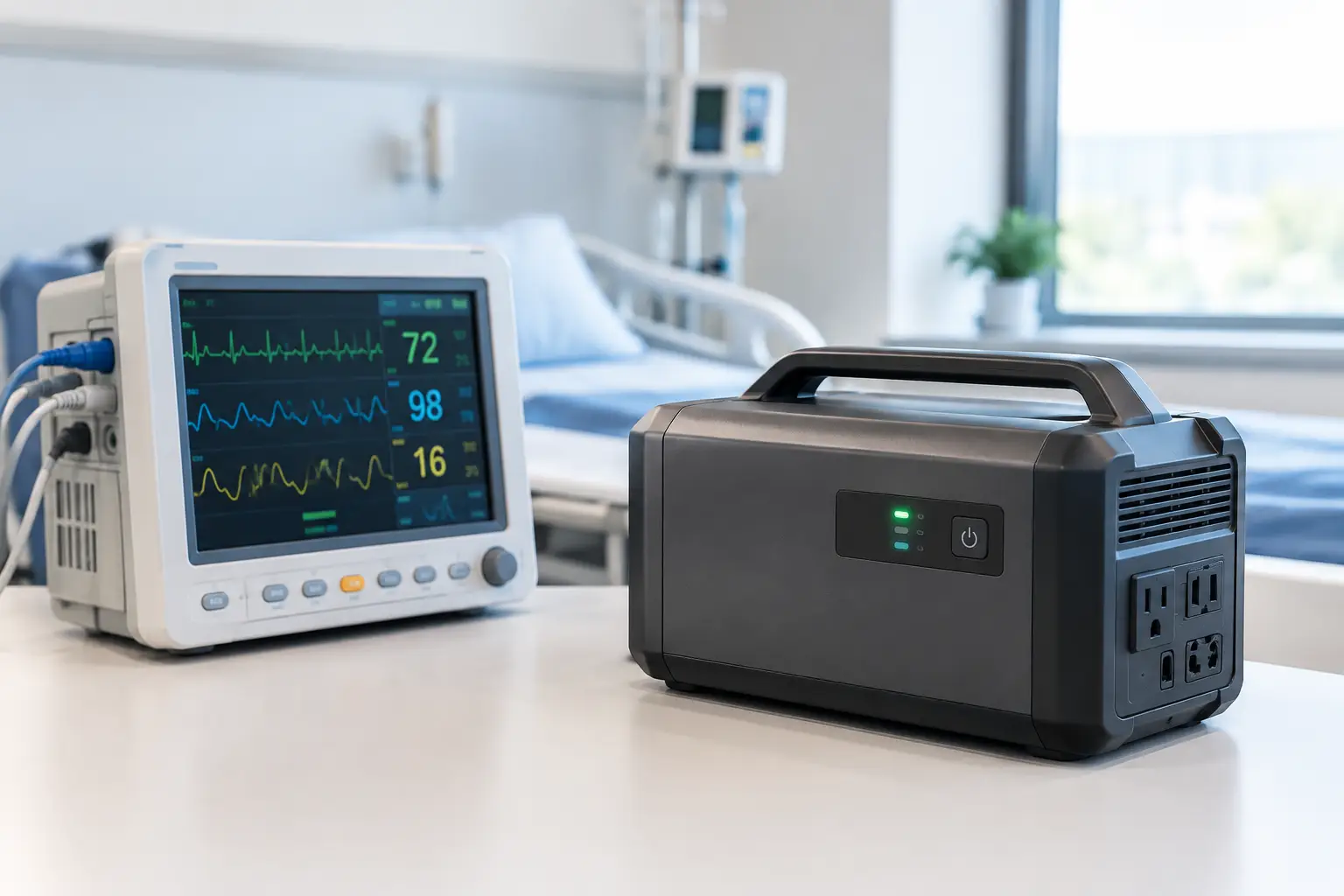
For a homeowner, a missed maintenance visit can mean spoiled food, a cold house, no internet, or an interrupted medical device during an outage. For a business, the stakes may include lost revenue, damaged inventory, security issues, and downtime that affects customers and staff. The good news is that most generator failures are preventable when maintenance is planned before the utility power goes out.
How to Maintain Standby Generator Reliability Year-Round
A standby generator is more than the unit outside. It is a connected system that includes the engine, fuel supply, battery, transfer switch, electrical connections, controls, and load requirements. Each part must work correctly, in sequence, for the generator to provide the protection you expect.
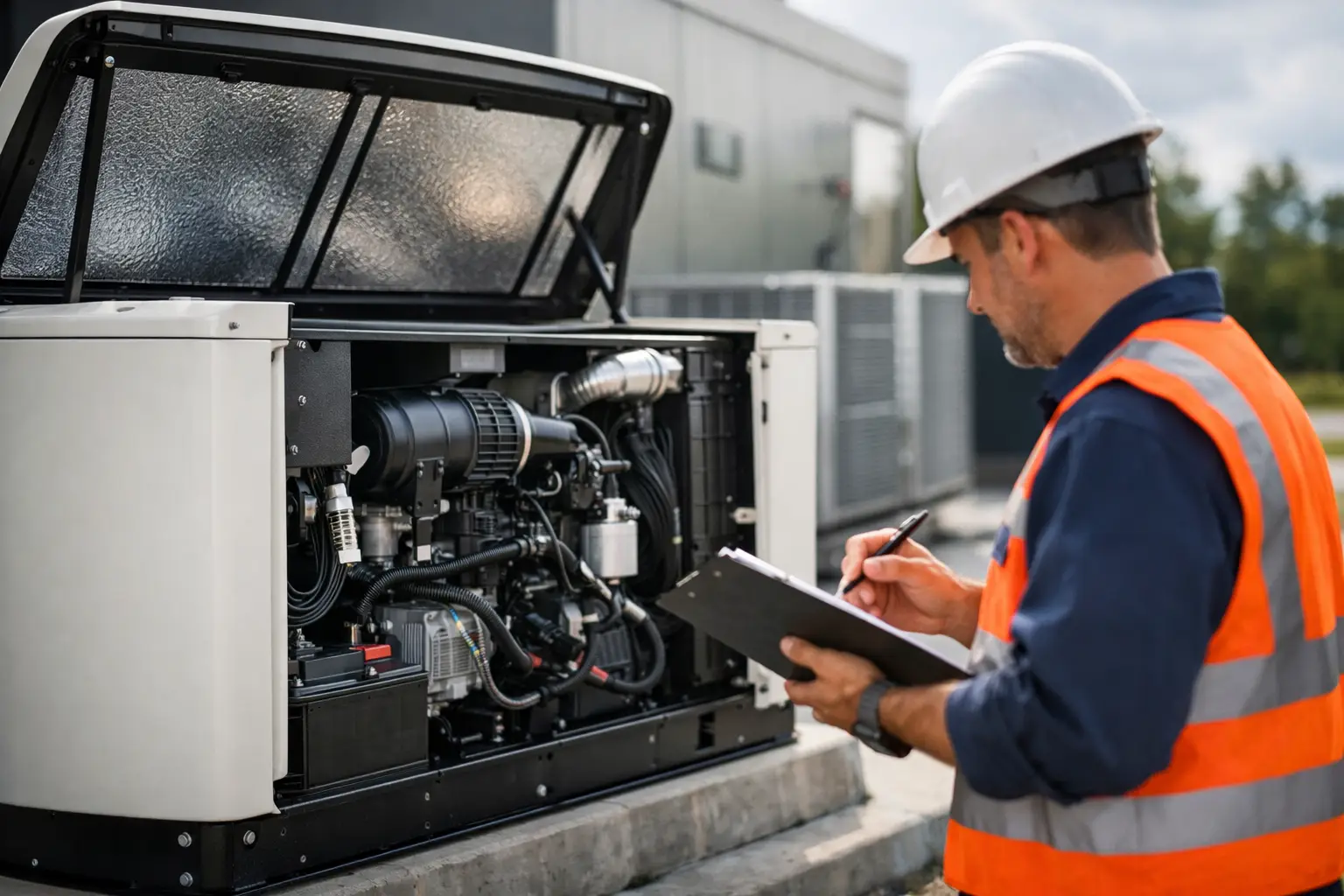
The most dependable approach is a combination of owner checks and scheduled service from a qualified technician. Automated exercise cycles are useful, but they are not a substitute for a complete inspection. A generator can start during a weekly test and still have a weak battery, restricted fuel supply, aging oil, or transfer switch issue waiting to surface under a real load.
Let the Generator Exercise on Schedule
Most automatic standby generators are programmed to run a brief exercise cycle every week. This keeps internal engine parts lubricated, circulates fluids, and confirms that the controller can start the unit. Check occasionally that the exercise is actually occurring at its scheduled time and that the generator runs without unusual noise, smoke, vibration, or warning messages.
A no-load exercise does not prove the generator can carry your house or facility during an outage. It only confirms a basic start-and-run function. Periodic testing under an appropriate electrical load is the better way to verify the complete system, including the automatic transfer switch. The right testing method depends on the generator size, the type of loads it supports, and local electrical requirements, so this is work best handled by a trained service provider.
Keep the Battery and Charger in Good Condition
Battery failure is one of the most common reasons a standby generator will not start. A battery can appear fine until cold weather, corrosion, or age exposes its weakness. Since the generator battery is constantly supported by a charger, both the battery and charging system need attention.
During routine visual checks, look for corrosion at battery terminals, loose cables, swelling, fluid leakage, or damaged insulation. Do not assume that a clean-looking battery is healthy. Battery capacity declines with age, and a proper service visit should include testing the battery and confirming the charger is operating within specification.
Battery replacement intervals vary by battery type, climate, generator use, and manufacturer recommendations. Replacing an aging battery before it fails is far less disruptive than discovering the problem during a winter outage.
Watch the Fuel Supply, Not Just the Generator
Your generator cannot protect the property if it cannot receive clean, sufficient fuel. Natural gas systems should have properly sized piping and adequate supply pressure when the generator is running at load. Propane systems need enough fuel in the tank to support an extended outage, particularly when the same tank also serves heating or other appliances.
Diesel systems require additional care because stored fuel can degrade or become contaminated over time. Water, sediment, and microbial growth can restrict filters and damage fuel-system components. Diesel fuel should be inspected, treated, and polished when needed as part of a professional maintenance plan.
Fuel planning is also about realistic expectations. A generator that supports essential circuits can often run longer on available fuel than a unit designed to power every electrical load in a large building. If your household or business has changed since installation, ask a technician to review whether your fuel capacity and generator configuration still match your needs.
Check Oil, Coolant, Filters, and Airflow
Standby generators need the same basic engine care as other engine-driven equipment, even if they only run occasionally. Oil and filters deteriorate with time and use. Low coolant, worn belts, clogged air filters, and rodent damage can all reduce performance or cause a shutdown when the generator is needed most.
Owners can safely check the exterior for blocked vents, debris, standing water, nests, and vegetation growing too close to the enclosure. Keep the area around the unit clear so it can draw air and discharge heat properly. Do not store patio furniture, garbage bins, firewood, or other materials against the generator.
Internal service should follow the manufacturer schedule and operating-hour requirements. In some locations, seasonal weather and frequent outage activity justify more frequent inspections. Skipping service because the generator has not run much is a costly mistake. Time affects fluids, batteries, seals, and electrical connections whether the engine has accumulated many hours or not.
Do Not Overlook the Transfer Switch
The automatic transfer switch is the component that detects a utility failure, starts the generator, and moves the electrical load to backup power. If the transfer switch is not properly installed, maintained, or sized, the generator may run while the building remains without usable power.
A technician should inspect the switch, wiring, connections, controller settings, and transfer operation during scheduled service. This is especially important for homes with sensitive electronics, smart-home systems, well pumps, HVAC equipment, or medical devices. Commercial properties may also need a review of priority loads, load shedding settings, and any changes to equipment added after the generator was installed.
Avoid making electrical changes around the generator system without coordination. Adding major loads such as electric vehicle charging, a hot tub, new HVAC equipment, or production machinery can alter the demand placed on the system. It may still work, but reliability depends on making sure the generator can start and support the loads that matter most.
Use Remote Monitoring as an Early Warning System
Remote monitoring provides a practical layer of protection for many standby generator owners. It can report exercise results, battery voltage, run hours, maintenance reminders, active alerts, and fault conditions. That gives you and your service provider a chance to address a problem before an outage turns it into an emergency.
Monitoring is not a replacement for maintenance. It cannot change oil, repair a fuel restriction, or remove corrosion. Its value is visibility. A warning that would otherwise go unnoticed can be reviewed quickly, scheduled for service, and documented as part of a long-term care plan.
For second homes, remote businesses, and properties where the owner is not always present, monitoring can provide added confidence that the system is still communicating and exercising as expected.
Build a Service Plan Around Your Actual Risk
There is no single maintenance schedule that fits every generator. A lightly used residential natural gas unit may have different needs than a diesel-backed commercial operation or a home in an area with repeated severe weather. Still, every system benefits from a consistent professional maintenance plan that includes inspection, fluid and filter service, battery testing, fuel-system review, error-code checks, and transfer-switch testing.
Keep service records and pay attention to recurring alerts, hard starts, extended cranking, fluid leaks, or changes in exercise behavior. Small symptoms are easier and less expensive to correct before the system is under pressure.
At GenTek Power, we believe the installation is only the beginning of the relationship. A professionally installed generator deserves professional support throughout its life, from routine service to the moments when the weather turns and dependable power matters most.
The best time to find a generator problem is on a calm day, with a qualified technician standing beside it. Schedule maintenance before the next outage, and your backup power system will be far more likely to do exactly what it was purchased to do: protect your home, your business, and the people who depend on it.