When the power goes out, a standby generator should do one job without creating new risks: keep your home or business running safely. That is why generator code compliance explained is more than a permitting question. It is the difference between a system that starts automatically when your family needs it and an installation that can create fire, carbon monoxide, electrical, fuel, insurance, or resale problems.
A properly installed generator is not simply a unit placed beside a building and connected to a panel. It is a complete backup power system. The generator, transfer switch, fuel supply, electrical connections, clearances, grounding, permits, and final inspection all have to work together. The exact requirements vary by location, but the purpose stays the same: protect people, property, utility workers, and the equipment itself.
What Generator Code Compliance Actually Means
Generator code compliance means your installation meets the rules enforced by the local authority having jurisdiction, often called the AHJ. Depending on where you live, that may involve municipal building officials, electrical inspectors, fire authorities, utility providers, and fuel-gas inspectors.
Most residential and commercial standby installations are shaped by several layers of requirements. Local building and zoning rules govern where equipment can sit on the property. Electrical codes address wiring, overcurrent protection, transfer equipment, grounding, and safe separation from the utility. Fuel-gas rules cover natural gas or propane piping, pipe sizing, shutoff valves, testing, and appliance connections. Manufacturer installation instructions matter too, because equipment must be installed according to its approved listing.
This is why a low quote can become expensive later. If an installer skips load calculations, uses undersized fuel piping, places the generator too close to a window, or treats the transfer switch as an afterthought, the system may fail inspection or fail when it is needed most. Correcting buried wiring, gas piping, pads, or electrical work after the fact is rarely simple.
Generator Code Compliance Explained: The Areas That Matter Most
Location, clearances, and airflow
A standby generator needs enough room around it to operate safely and to be serviced. Required distances commonly apply to doors, windows, vents, soffits, combustible surfaces, property lines, and other equipment. These clearances are not cosmetic details. They help prevent exhaust gases from entering the building, reduce fire risk, and ensure the generator has proper airflow.
The manufacturer’s requirements are the starting point, but local rules can be stricter. A location that looks convenient from the driveway may not be acceptable once lot lines, snow accumulation, drainage, roof runoff, service access, and fuel routing are considered. For commercial properties, noise limits, public access, vehicle exposure, and emergency egress can add another layer of planning.
A qualified installer evaluates the full site before choosing a location. That protects you from a common mistake: buying equipment first and discovering later that the only practical placement will not pass inspection.
The transfer switch and safe utility separation
The transfer switch is one of the most critical safety components in a backup power system. It separates generator power from utility power so electricity cannot backfeed onto utility lines.
Backfeeding is dangerous. It can injure utility workers, damage equipment, and create a serious fire hazard. It also leaves no safe, controlled way to manage the transition between utility and generator power. A properly selected automatic transfer switch monitors the utility, starts the generator when an outage occurs, transfers approved loads, and returns the property to normal power once the utility is stable.
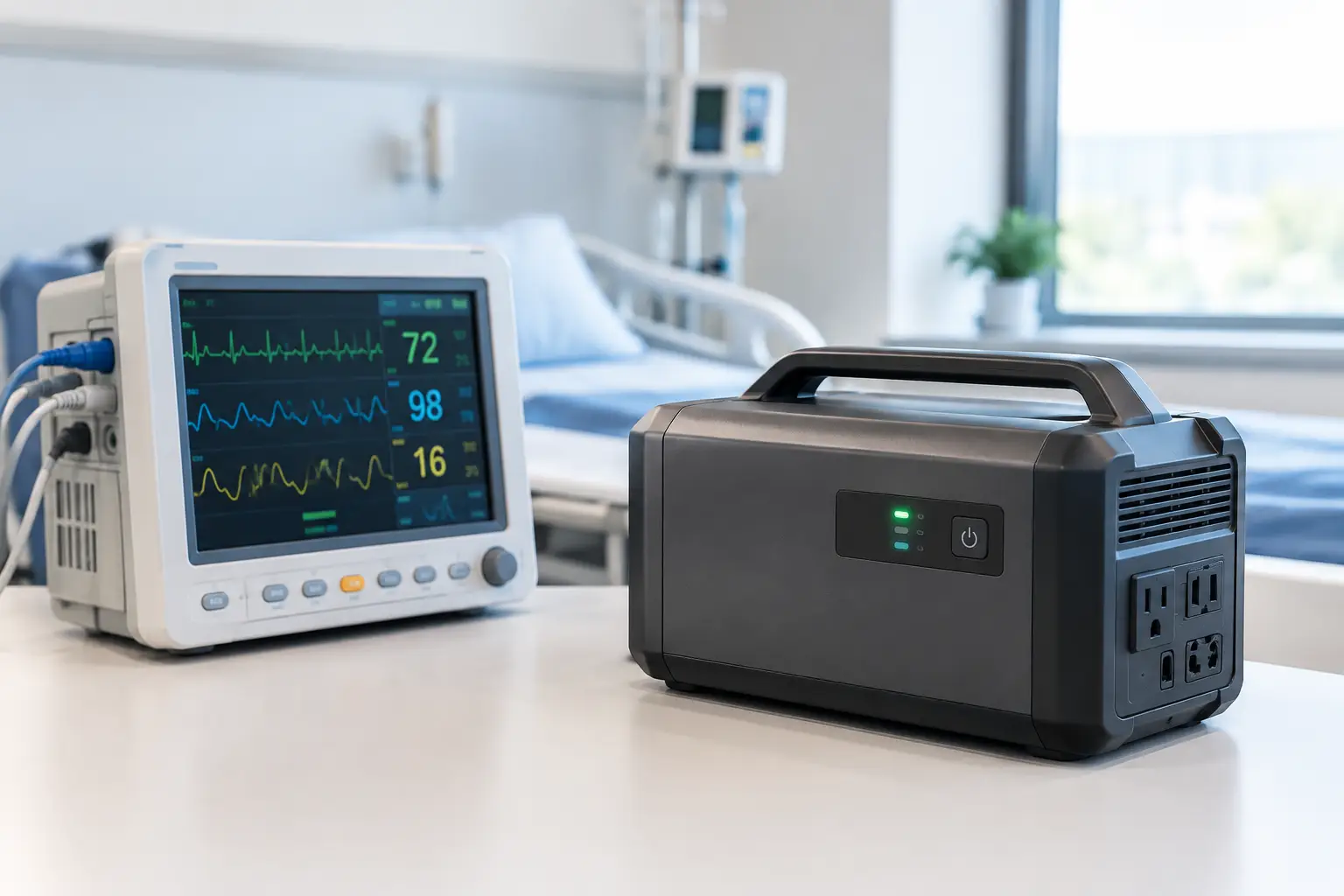
The switch must be matched to the electrical service, generator capacity, and loads being backed up. A whole-home solution may use a service-rated transfer switch, while a selected-load system may require a dedicated emergency panel. Neither approach is automatically better. The right choice depends on how much of the property you want protected, your electrical service, your budget, and the power demands of equipment such as HVAC systems, well pumps, refrigeration, elevators, medical devices, or production equipment.
Electrical sizing, grounding, and load management
A generator cannot be sized by square footage alone. A large home with gas heat may have lower electrical demand than a smaller home with electric heat, multiple air conditioners, a well pump, and EV charging. The same is true for businesses: the equipment that must stay online matters more than the size of the building.
Professional sizing begins with a load assessment. The installer identifies essential and desired circuits, accounts for starting loads from motors and compressors, and determines whether load management is needed. This planning helps avoid nuisance shutdowns, overloaded generators, and the frustrating experience of losing air conditioning or other critical equipment during an outage.
Code-compliant electrical work also includes correctly sized conductors, breakers, disconnects, grounding and bonding, and weather-rated equipment where required. These details are largely invisible after installation, yet they directly affect safety, inspection approval, and long-term reliability.
Fuel supply is part of the system
Natural gas and propane generators are only as dependable as their fuel supply. A generator may start perfectly during a brief weekly exercise and still struggle under a real outage if the gas line is undersized or the propane supply was not planned for extended runtime.
Fuel piping must be sized for the generator’s demand while accounting for pipe length, pressure, other gas appliances, and local requirements. On propane systems, tank capacity and vaporization capability need careful review, especially in cold conditions. A larger generator may need a larger fuel supply arrangement, which is one reason system sizing and fuel design should never be handled separately.
Permits, pressure tests, approved materials, and proper shutoff access are not paperwork for its own sake. They help confirm that the fuel system can safely support the equipment when demand is highest.
Permits and Inspections Are Protection, Not Delay
Some property owners worry that permits will slow down their generator project. In reality, permitting is a controlled process that catches preventable mistakes before the system is placed into service.
A typical project may require electrical, building or zoning, and fuel-gas permits. Utility coordination may also be necessary, particularly when service equipment changes or the utility meter area is affected. The requirements depend on the municipality and the scope of the installation, so promises that a permit is never needed should raise questions.
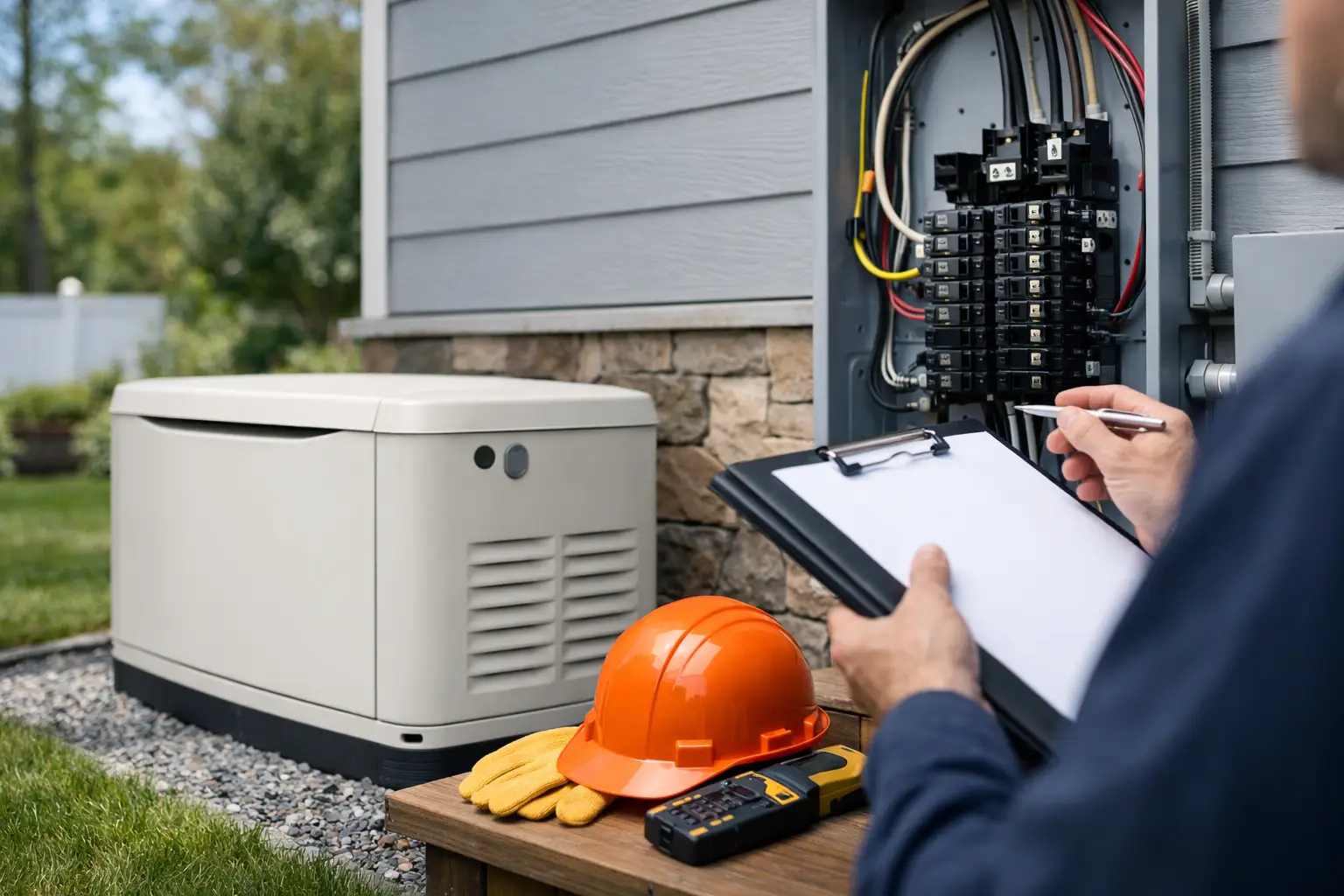
Inspections provide an independent check that the work meets applicable rules. A professional contractor manages this process, coordinates corrections if needed, and does not consider the job complete simply because the generator is running. Final testing should confirm automatic startup, transfer operation, load performance, shutdown behavior, and restoration to utility power.
Why DIY and Cut-Rate Installs Create Long-Term Risk
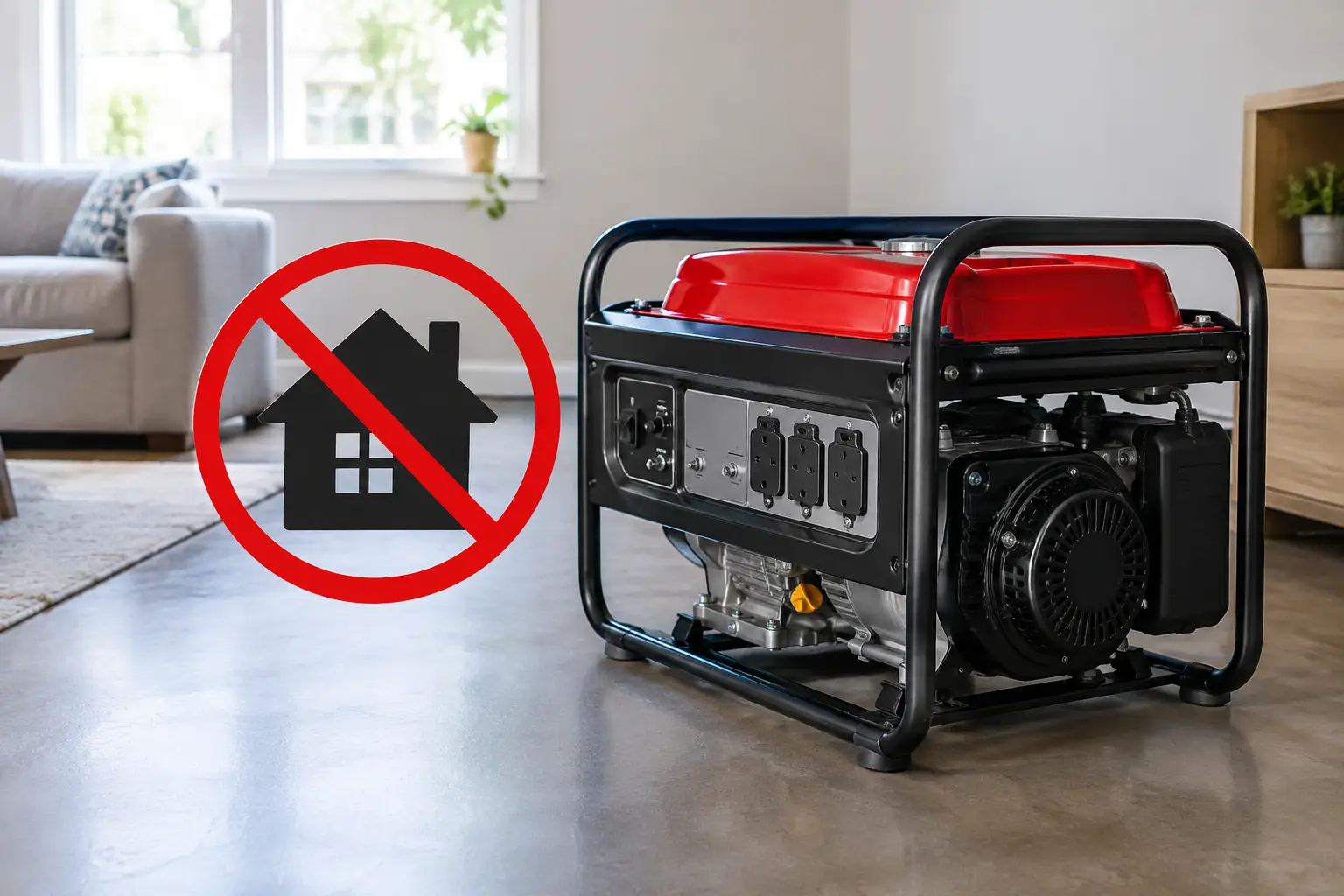
Portable generators have their place for temporary, carefully managed use. But connecting any generator to a building without approved transfer equipment is unsafe. Extension cords, open doors, improvised connections, and makeshift fuel arrangements are not substitutes for a designed standby system.
Even a licensed contractor can create problems when they work outside their specialty or do not coordinate the electrical, fuel, and site requirements. Generator systems sit at the intersection of several trades. A good installation requires planning before the equipment arrives, not troubleshooting after the concrete pad has been poured.
For homeowners, poor compliance can affect insurance claims, property transactions, warranties, and the ability to obtain service. For businesses, the stakes may include lost revenue, damaged inventory, interrupted communications, safety concerns, and preventable downtime. The lowest installation price does not reflect the cost of a system that fails inspection or fails in a storm.
A Better Way to Plan a Compliant Standby Generator
The strongest projects start with a site consultation, not a generic equipment recommendation. Your contractor should ask what must remain powered, review your electrical service and fuel source, inspect possible generator locations, and explain the expected permitting path.
From there, the work should be managed as one coordinated project: right-sized equipment, a code-compliant pad and location, properly designed fuel connection, approved electrical transfer equipment, permits, inspections, startup, and customer orientation. Ongoing maintenance matters as well. Codes help establish a safe installation, while regular service helps ensure it will perform years later.
GenTek Power takes ownership of that full process because backup power should not leave you coordinating electricians, gas fitters, inspectors, and manufacturers on your own. You should know what is being installed, why it is sized that way, and who will answer when the outage happens.
The best time to address compliance is before the storm forecast appears. A properly designed, permitted, and maintained generator lets you focus on keeping your family comfortable or your operation moving – not wondering whether the system beside the building is truly ready to protect what matters.