
A power outage can turn an ordinary workday into an expensive emergency within minutes. Point-of-sale systems go down, staff lose access to files, refrigeration warms up, security systems stop protecting the property, and customers are left waiting. Knowing how to protect business from outages starts with treating backup power as part of your operating plan, not as a last-minute purchase after the lights go out.
Outages Affect More Than the Lights
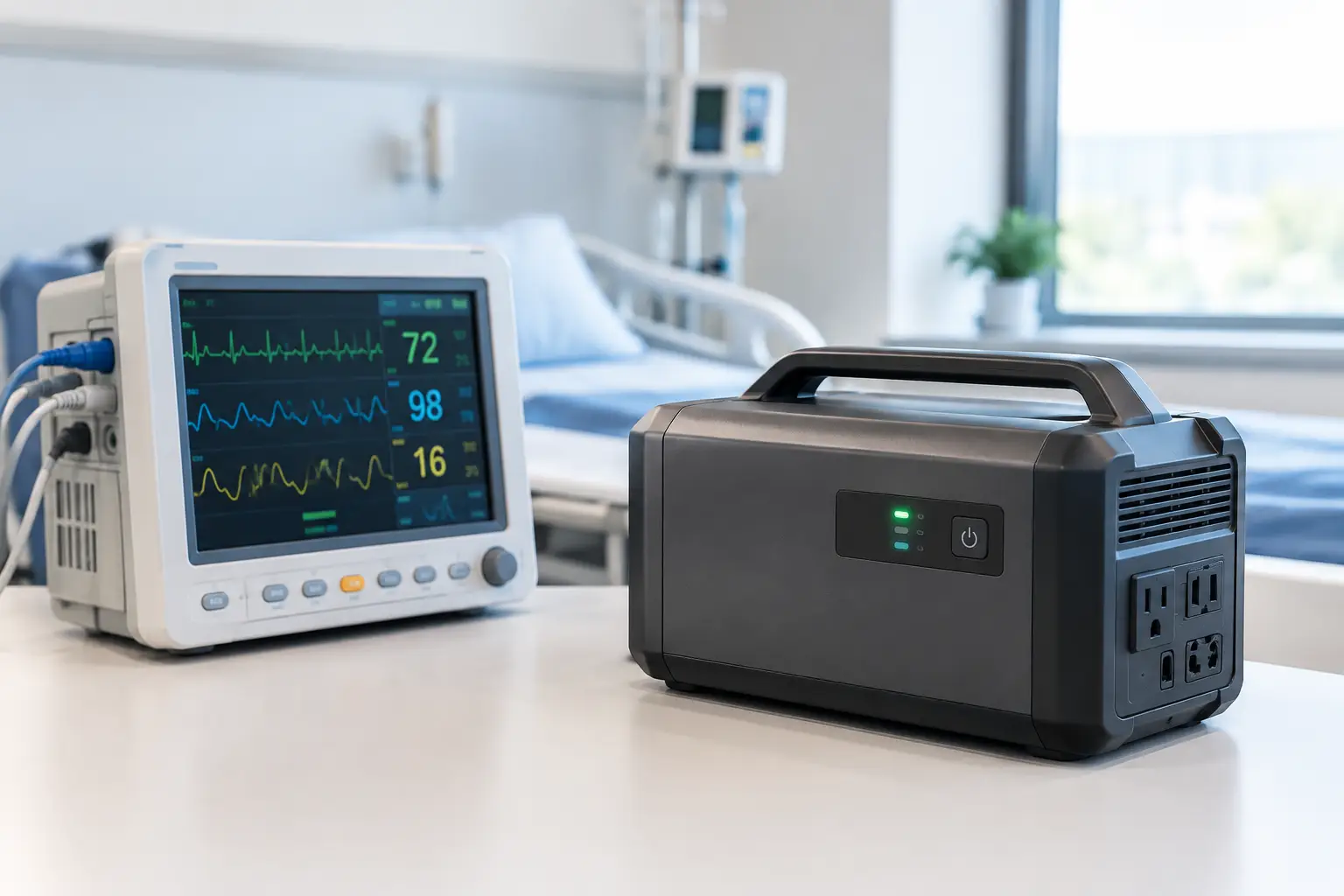
The cost of an outage is different for every business, but it rarely ends with a few hours of inconvenience. A restaurant may lose refrigerated inventory. A medical or care-related facility may lose critical equipment. An office can lose internet, phones, climate control, and access to cloud-based systems. Warehouses, retail locations, and service businesses may be unable to process payments, dispatch crews, or keep their buildings secure.
There is also the cost that is harder to measure: lost customer confidence. When your business cannot answer the phone, complete an order, or provide a safe and comfortable environment, customers may turn elsewhere. For businesses that serve a community during severe weather, being operational can become a meaningful competitive advantage.
The right plan begins by identifying what an outage actually interrupts in your operation. Avoid guessing. Walk through a typical workday and consider what happens when utility power fails for two hours, eight hours, or several days. Include employees, customers, equipment, building systems, inventory, communications, and safety.
How to Protect Business From Outages With a Clear Power Plan
A standby generator is most effective when it is designed around your real priorities. That does not always mean powering every circuit in the building. In some cases, a carefully designed essential-load system is the practical choice. In others, especially where downtime creates substantial operational or safety risk, whole-building backup may be the better investment.
Start by separating critical loads from convenience loads. Critical loads may include refrigeration, servers, internet equipment, security systems, emergency lighting, sump pumps, heating equipment, ventilation, point-of-sale terminals, and selected production equipment. The exact list depends on your business and the consequences of losing each system.
Runtime matters as much as capacity. A small generator that cannot carry the required load will not solve the problem, and a correctly sized generator without adequate fuel planning may not protect you through an extended outage. Natural gas, propane, and diesel systems each involve different considerations involving availability, storage, maintenance, and local site conditions. A qualified assessment should account for those details before equipment is selected.
Your plan should also define what happens automatically. An automatic transfer switch detects the loss of utility power, starts the generator, and moves the selected electrical load to backup power. When utility service returns and stabilizes, it transfers the building back and allows the generator to shut down safely. That automatic response is what protects your operation when an outage occurs overnight, while staff are away, or during a fast-moving storm.
Backup Power Should Support Your Entire Continuity Plan
Generator power is the foundation, but it should work alongside other protections. Data backup, battery backup for sensitive electronics, emergency communications, and clear employee procedures all matter. If your network equipment is protected but no one knows how to confirm the generator is operating, a preventable issue can still disrupt the business.
Document who is responsible for checking the building after an outage begins. That person should know where the generator is located, how to review its status, whom to contact for service, and which business functions receive priority. Staff do not need to become generator technicians. They simply need a clear, practical response plan that avoids confusion when conditions are stressful.
Consider your communication plan as well. Customers may need to know whether you are open, whether service is limited, or whether appointments are changing. Employees may need instructions about reporting to work, accessing systems remotely, or following safety procedures. Backup power gives you options. Planning determines whether you can use those options quickly.
Installation Quality Determines Whether the System Performs
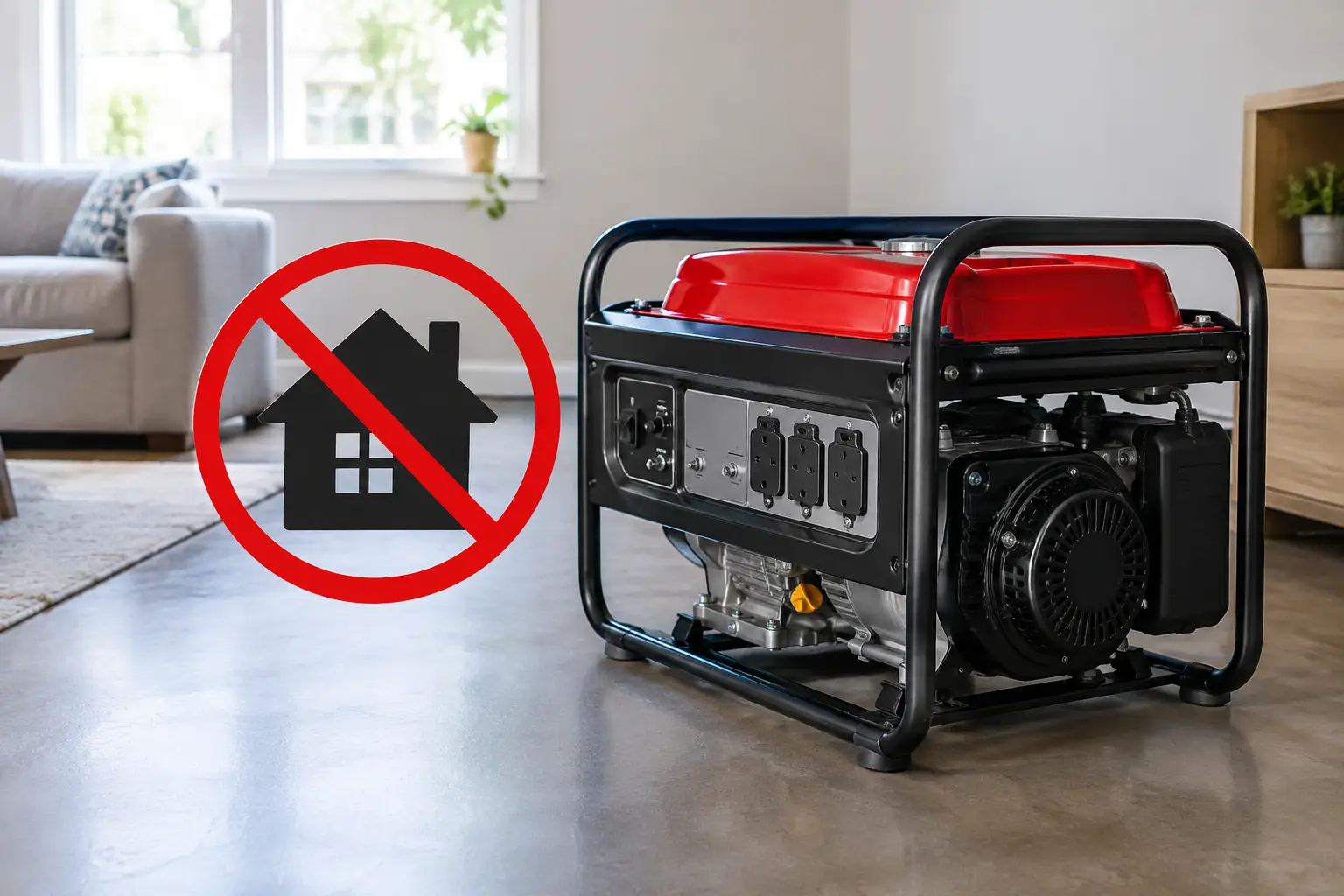
A generator is not a plug-in appliance. Commercial standby power involves electrical load calculations, transfer equipment, fuel supply requirements, placement rules, permits, utility coordination, code compliance, and commissioning. A low initial quote can become costly if the installer overlooks those responsibilities or is unavailable when the system needs attention.
Proper sizing is especially important. Oversizing equipment can increase upfront and operating costs without improving protection. Undersizing can overload the generator, prevent important systems from starting, or leave you without enough capacity when you need it most. Motor loads, HVAC equipment, refrigeration compressors, and other large equipment often have startup demands that must be evaluated separately from their normal running load.
Site planning matters, too. Equipment needs appropriate clearance, a stable base, safe exhaust routing, access for service, and a fuel source capable of supporting the intended runtime. The best installation is not simply the fastest one. It is the one that has been planned, installed, tested, and documented so your business can depend on it for years.
A full-service provider should manage the project from consultation through final testing. That includes helping you understand what the system will power, coordinating the required steps, and confirming that automatic operation works before the first real outage. GenTek Power takes that ownership seriously because a generator only provides confidence when every part of the system works together.
Test and Maintain the System Before a Storm
Even the best generator needs regular care. Batteries weaken, fuel systems need inspection, fluids and filters require service, and control panels can identify issues long before a storm exposes them. A generator that has been sitting unused for months should never be assumed ready simply because it starts during a quick visual check.
Set a maintenance schedule based on the equipment manufacturer, your operating environment, and how critical the system is to your business. Regular service commonly includes exercising the generator, inspecting the battery and charger, checking fluid levels, reviewing fault history, and verifying transfer switch operation. For businesses with high consequences of downtime, remote monitoring can add another layer of confidence by alerting the service team to faults, low battery voltage, or other conditions that need attention.
Testing should reflect real conditions whenever practical. It is one thing for a generator to run without a load. It is another to confirm that it starts automatically, transfers the intended circuits, carries the required equipment, and returns the building to utility power correctly. Planned testing gives you time to correct issues without customers, staff, or critical operations depending on the outcome.
Choose a Partner Who Will Be There After Installation
When evaluating a generator contractor, ask direct questions about what happens after the sale. Who handles permits and inspections? How is the generator sized? Will the installer coordinate electrical work and fuel connections? Is startup testing included? Who provides scheduled maintenance and emergency support if the system reports a fault during a storm?
Clear answers are a sign of a provider that stands behind its work. You should also expect transparent scope, properly licensed technicians, manufacturer-backed warranty support, and a service relationship that continues after commissioning. The lowest price may not include the planning, workmanship, or long-term accountability that protects your business when utility power fails.
Make the Decision While You Still Have Options
Waiting until the next outage is forecasted puts your business in a difficult position. Equipment availability, permitting, installation scheduling, and fuel planning all take time. The best time to build a backup power plan is when you can assess your needs carefully and choose a system based on risk, budget, and long-term operating goals.
A properly designed standby generator does more than keep the lights on. It helps protect your inventory, your people, your customer relationships, and the work your business depends on every day. Start with an honest assessment of what cannot go down, then put experienced professionals in charge of building the protection around it.