A summer outage can turn a comfortable home into an unsafe, sleepless one quickly. If you are asking, “can generator run HVAC system equipment during an outage?” the answer is yes, often it can. But the right answer depends on the type and size of your HVAC equipment, the generator’s available capacity, and how the system is designed to manage other electrical loads.
This is not a place for rough guesses. An undersized generator may start successfully during a test, then struggle when the air conditioner cycles on while appliances, lighting, refrigeration, and electronics are already running. A professionally sized standby system protects your comfort without putting your equipment or backup power system under unnecessary strain.
Can a Generator Run an HVAC System? It Depends on the Load
Central air conditioning, heat pumps, furnaces, air handlers, ductless mini-splits, and geothermal systems all use power differently. A gas furnace, for example, does not use electricity to create heat, but it still needs power for its blower motor, controls, ignition, and often a condensate pump. Its electrical demand is usually manageable for a properly sized standby generator.
Central air conditioning is a different calculation. The outdoor compressor can draw a large surge of electricity when it starts. That brief startup demand, often called locked-rotor amps or inrush current, can be several times higher than its normal running demand. A generator has to handle that surge without a major voltage drop or overload.
Heat pumps deserve the same careful attention because they use a compressor in both heating and cooling modes. In colder regions, many heat pump systems also use electric resistance heat strips as supplemental or emergency heat. Those strips can add a very large load. A generator that can comfortably run the heat pump may not be sized to run the heat strips at the same time as every other household circuit.
The equipment nameplate, electrical panel, HVAC specifications, and the loads you want powered during an outage all matter. Square footage alone is not enough to size a generator accurately.
Why HVAC Startup Demand Changes Everything
A common mistake is adding up the running wattage of a few appliances and choosing the next generator size above that number. That method can miss the moment that matters most: when a compressor starts.
Your HVAC system may only need a moderate amount of power once it is running. However, the compressor’s startup surge may temporarily demand far more. If the generator cannot support that demand, you may see lights dim, breakers trip, the generator struggle, or the compressor fail to start. Repeated hard starts are not good for either piece of equipment.
Modern inverter-driven mini-splits and variable-speed heat pumps can have gentler startup characteristics than older single-stage equipment. That does not mean every unit is easy to run on backup power. The actual electrical data still needs to be reviewed.
A soft-start device can sometimes reduce compressor startup demand substantially. It can be a useful part of the solution when a homeowner wants air conditioning without moving to a much larger generator. It is not a universal substitute for proper sizing, though. The generator, electrical service, transfer equipment, and HVAC unit must all be evaluated as one system.
Whole-Home Power vs. Managed HVAC Backup
There are two practical ways to approach HVAC backup power. The first is a whole-home standby generator sized to carry the home’s expected electrical load, including HVAC operation under defined conditions. This approach offers the greatest convenience. When utility power fails, the automatic transfer switch starts the generator and restores power to selected or all circuits based on the system design.
The second approach uses load management. With this setup, the generator can power the HVAC system, but certain high-demand appliances are controlled so they do not all run at once. Examples may include an electric range, clothes dryer, water heater, pool equipment, EV charger, or electric heat strips.
Load management is not a compromise in workmanship. It is a smart way to prioritize what matters during an outage. Your air conditioner or furnace can remain available while the system temporarily delays a less critical load. For many homes, this provides dependable comfort and essential power without installing a generator larger than the property needs.
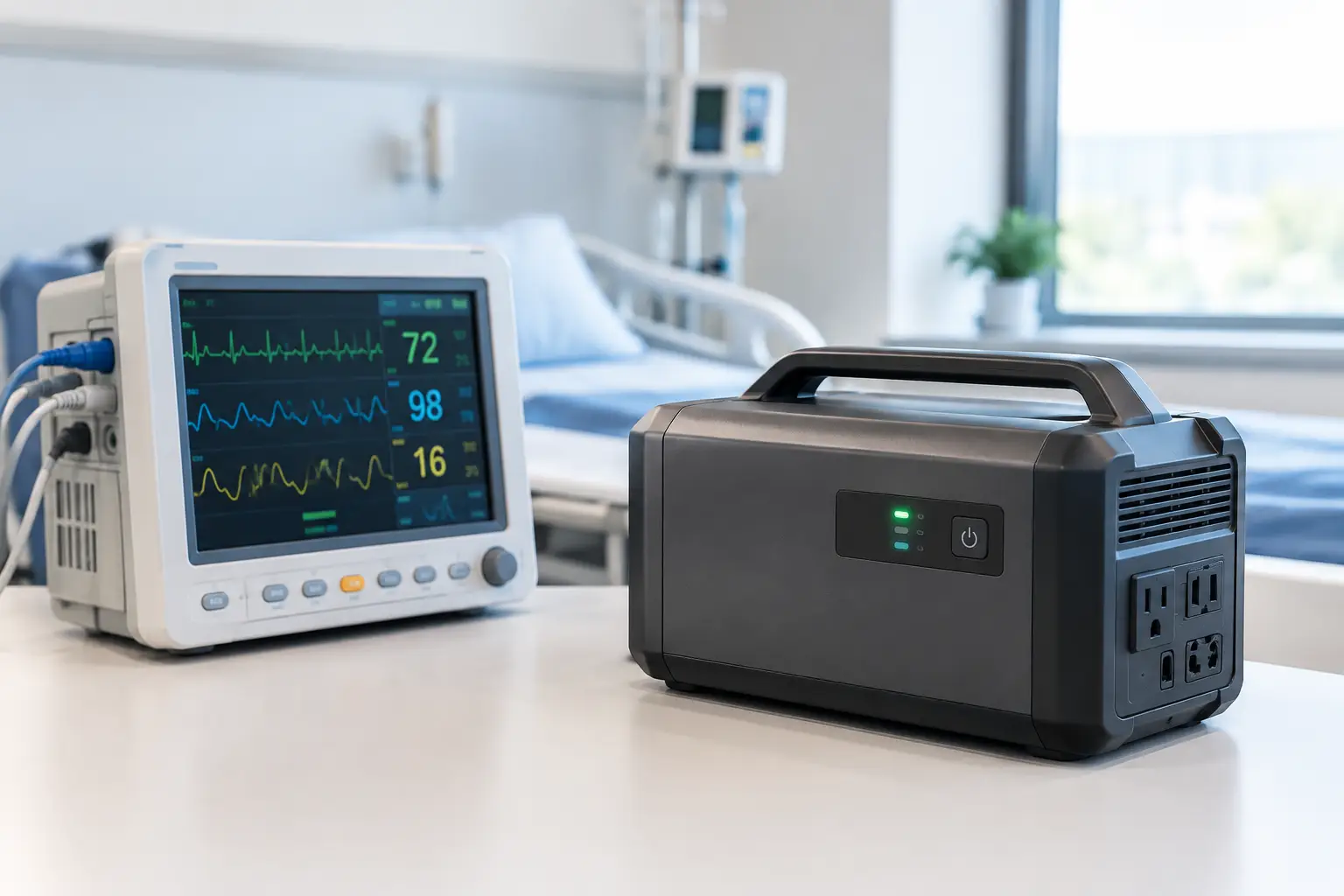
For businesses, the same principle applies. A backup system may prioritize climate control in server rooms, medication storage areas, occupied spaces, or production environments while managing nonessential loads. The goal is not simply to energize a building. It is to keep critical operations stable.
What Size Generator Is Needed to Run HVAC?
There is no honest one-size-fits-all generator recommendation. A small gas furnace and basic household essentials may fit within a relatively modest standby system. A large central air conditioner, electric air handler, electric water heater, electric cooking appliances, and EV charging can push the required capacity much higher.
A professional load calculation looks beyond the HVAC unit. It considers the home or business electrical service, appliance loads, well pumps, sump pumps, refrigeration, lighting, medical equipment, office equipment, and other circuits that need to remain active. It also accounts for the way equipment starts and operates over time.
The fuel source matters as well. Natural gas, propane, and diesel generators have different output ratings and fuel-planning considerations. Generator output can also vary depending on fuel type. The installed system must be sized and configured for real operating conditions, not an optimistic estimate.
A few HVAC situations that need extra planning
Electric resistance heating is one of the biggest factors. Baseboard heat, electric furnaces, and auxiliary heat strips can consume significant power. During a winter outage, it may make more sense to prioritize a gas furnace blower, a boiler circulator, or designated heating zones rather than attempt to power every electric heating element.
Homes with two air conditioners or multi-zone HVAC systems also require a plan. You may choose to power both units with a larger generator, or arrange priority controls so one system runs at a time. Either option can work when it is designed around the household’s needs.
Older HVAC equipment may have higher starting demands and less predictable performance than newer systems. If replacement is planned soon, discussing the future equipment with your generator professional can prevent a backup-power installation from becoming undersized after an HVAC upgrade.
Safe Installation Is More Than Choosing a Generator
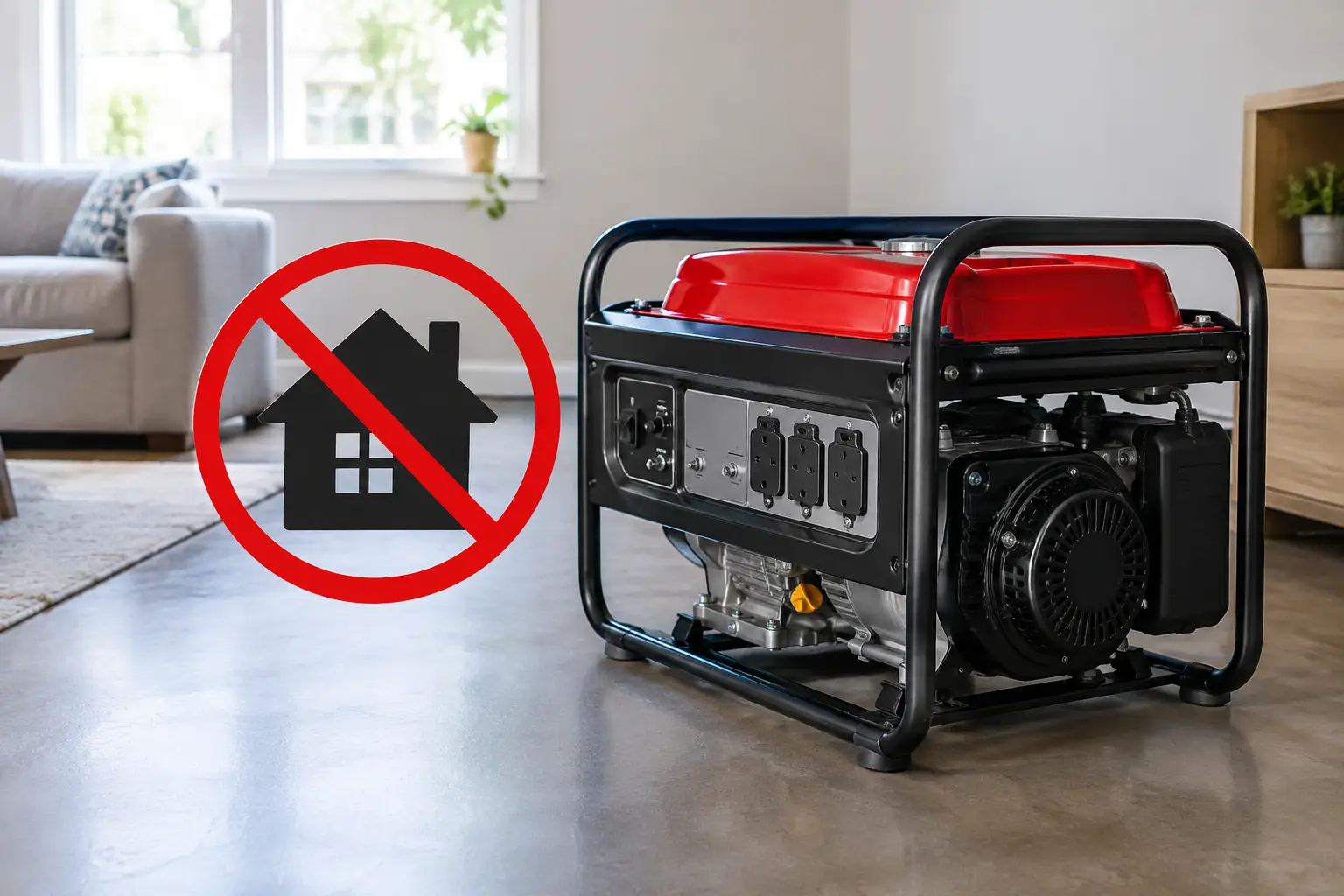
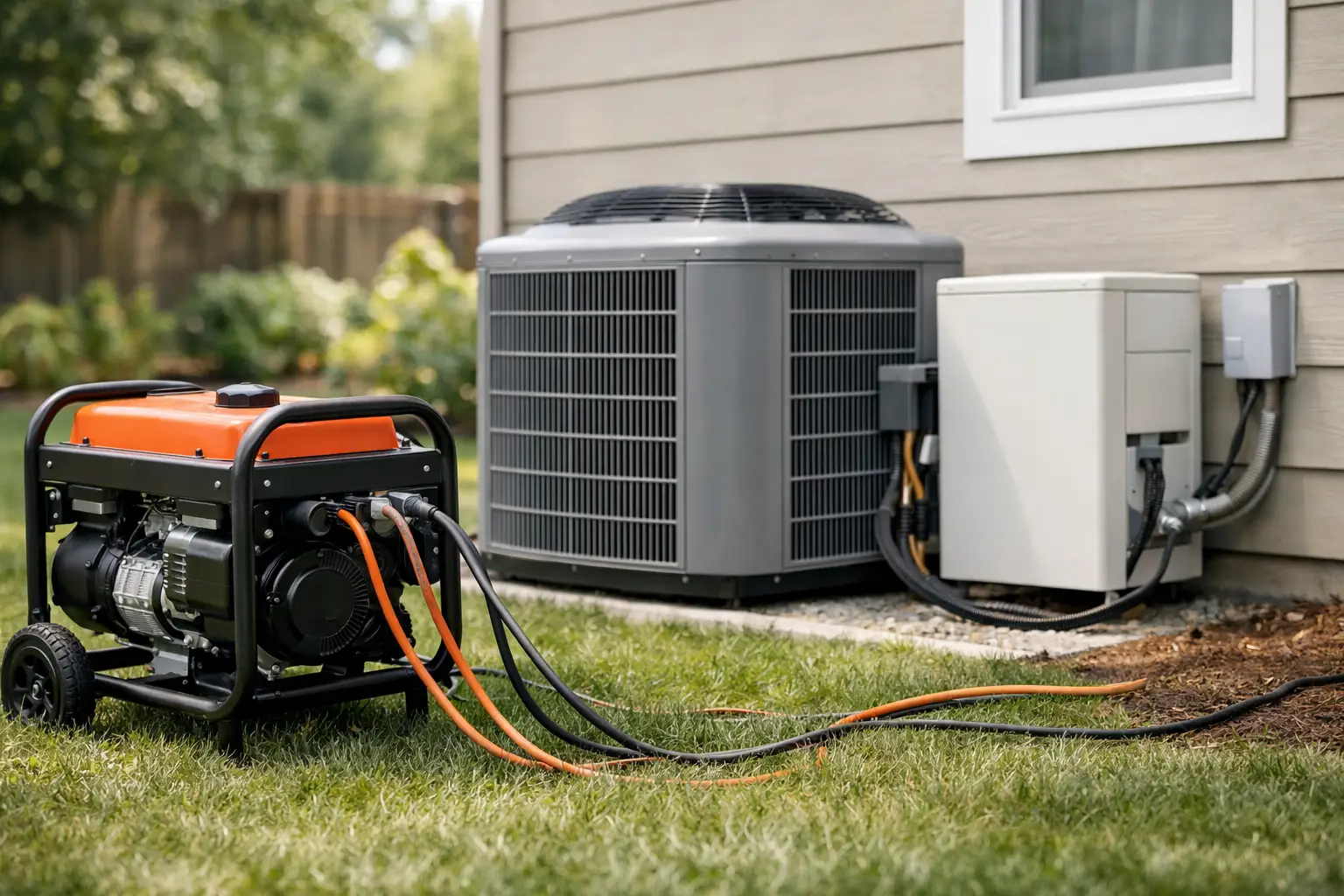
A portable generator connected improperly can create a serious backfeed hazard for utility workers and damage electrical equipment. It should never be connected to a home panel through an improvised cord arrangement. A permanently installed standby generator uses approved transfer equipment to isolate the property from the utility safely.
Proper installation also includes electrical permitting, fuel connections, placement clearances, gas-load review where applicable, grounding, startup testing, and verification that the generator operates correctly with the intended HVAC loads. These details are what separate a dependable backup system from one that only appears ready.
At GenTek Power, the planning process starts with what you need to protect when the grid is down. That means identifying whether HVAC is essential for your family, tenants, staff, equipment, or business continuity, then designing the generator and load-management strategy around that priority.
Questions to Answer Before You Size the System
Before choosing a generator, identify your HVAC equipment type and collect the model numbers for the outdoor unit, furnace or air handler, and any auxiliary heating equipment. Consider whether you need cooling, heating, or both during an outage. Then think through the other loads that cannot be interrupted, such as refrigeration, sump pumps, well pumps, internet equipment, medical devices, security systems, or business-critical equipment.
It also helps to decide what level of convenience you expect. Some owners are comfortable with managed loads and a few temporary limits during a prolonged outage. Others want a system designed to support nearly normal household operation. Neither choice is wrong. The right choice is the one that is clear, properly sized, and supported after installation.
A generator can absolutely keep HVAC running, but only when the system is built for the job. The best next step is a site-specific assessment that turns your outage concerns into a clear, safe backup-power plan – so comfort does not become another uncertainty when the lights go out.