A standby generator is supposed to take over when the utility power drops, often before the house or facility has time to go dark. When it does not start, the problem is rarely random. Most generator startup failure causes trace back to a small number of serviceable issues: a weak battery, fuel delivery problem, overdue maintenance, a controller fault, or an installation condition that needs professional attention.
The right response depends on what the system is doing. A generator that cranks but will not run needs a different diagnosis than one that is completely silent during an outage. Knowing the difference can help you avoid unsafe guesswork, protect your equipment, and get the right repair before the next storm.
The most common generator startup failure causes
A weak or failed starting battery
The battery is one of the most common reasons a standby generator fails to start. Even though the generator may exercise every week, its battery is constantly affected by temperature swings, corrosion, age, loose terminals, and charger problems. A battery can appear fine during a routine visual check yet lack enough power to turn the engine over when it is needed.
Warning signs include slow cranking, repeated clicking, battery-related alerts on the controller, or a generator that starts during a test but struggles after sitting for several days. Most standby generator batteries need periodic testing and eventual replacement. Waiting until the battery is completely dead turns a routine maintenance item into an outage-day emergency.
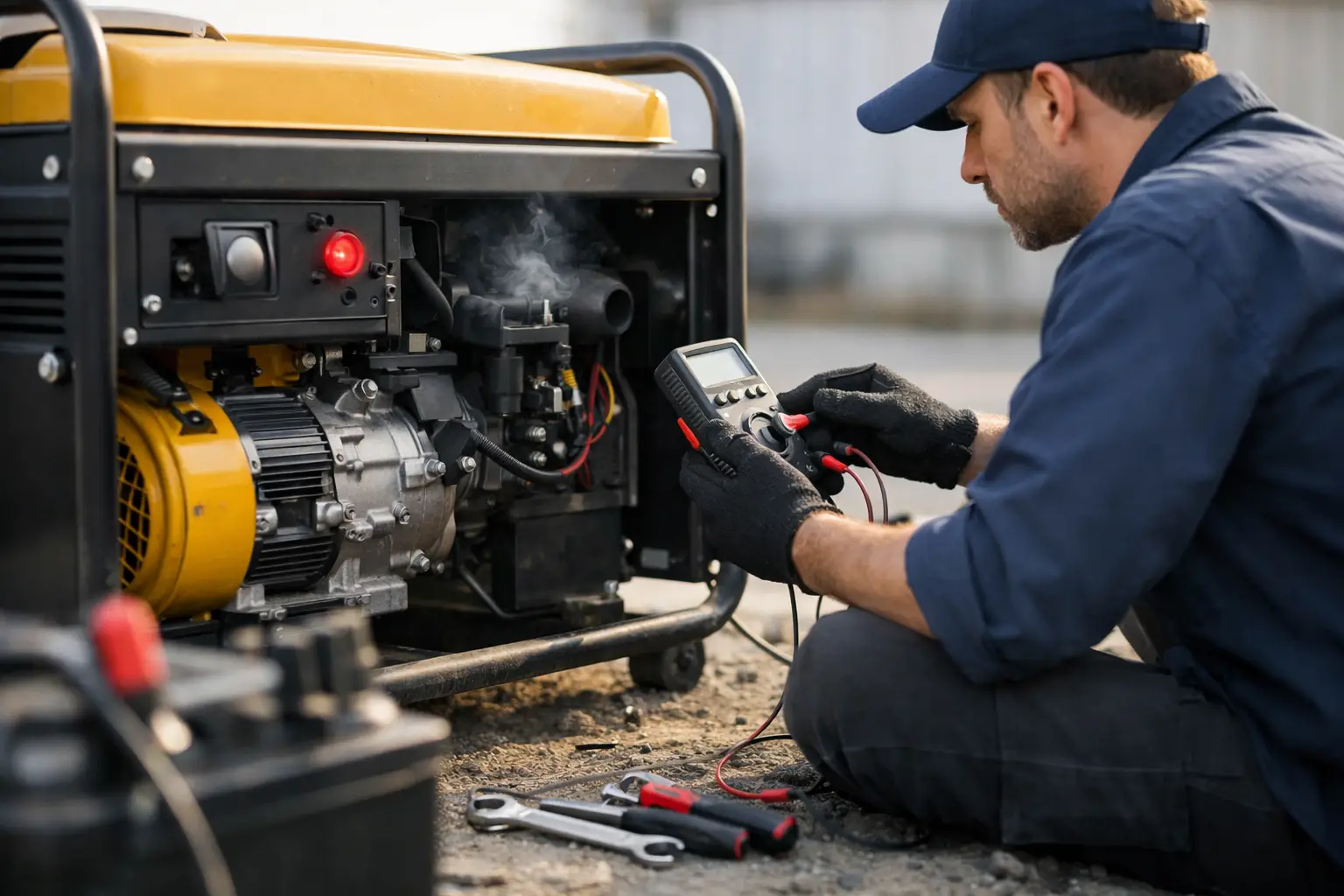
A technician should test battery voltage, load performance, cable condition, terminal tightness, and the charging circuit. Simply installing a new battery without identifying a failed charger or corroded connection may only delay the next failure.
Fuel supply or fuel shutoff issues
A natural gas or propane standby generator cannot start and run correctly without steady fuel pressure. For propane systems, an empty or low tank, a closed valve, a regulator issue, or a restriction in the fuel line can prevent startup. Natural gas systems can experience similar trouble if a valve is closed, the line is undersized, pressure is inadequate, or an upstream gas issue occurs.
Diesel generators introduce additional concerns, including low fuel, contaminated fuel, water in the tank, clogged filters, or fuel that has degraded during long storage. Commercial sites should be particularly careful with fuel management because a generator can look ready while its stored diesel is no longer reliable.
Do not attempt to adjust gas piping or regulators yourself. If you smell gas, leave the area, avoid switches and open flames, and contact the appropriate emergency provider. A licensed generator technician can determine whether the problem is the generator, fuel system, or supply capacity.
Low oil, coolant concerns, or protective shutdowns
Standby generators are designed to protect themselves. Low oil pressure, low coolant, high temperature, and other unsafe conditions can stop a generator from starting or cause it to shut down shortly after it starts. These safeguards prevent serious engine damage, but they can surprise an owner who expects the unit to run automatically.
Oil levels can fall because of normal consumption, a leak, or missed service. Liquid-cooled units may also develop coolant leaks, hose deterioration, or circulation issues. In cold climates, the engine heater and battery warmer play a meaningful role in dependable starting. If those components fail, a generator may be far less willing to start when winter weather puts it under the greatest demand.
Check the controller for fault codes, but do not keep resetting alarms and attempting repeated starts. A recurring shutdown is a message that the system needs diagnosis. Repeated cranking can drain the battery and may create a more expensive repair.
Old fuel filters, air filters, spark plugs, or ignition components
Like any engine, a generator needs clean air, proper fuel flow, and a reliable ignition source. Clogged filters, worn spark plugs, failing ignition coils, and dirty carburetor components can all cause hard starting or no-start conditions on certain generator models.
These issues usually develop gradually. The generator may start less smoothly during its scheduled exercise, run roughly, produce an unusual exhaust smell, or stop after a few minutes. Regular service catches those changes before they become a complete failure during an outage.
The service interval depends on the generator model, operating hours, fuel type, and local conditions. A unit that runs frequently during outages may need attention sooner than one that only performs weekly exercises. Maintenance should follow manufacturer requirements rather than a one-size-fits-all schedule.
Controller, sensor, or electrical faults
The controller is the generator’s decision-maker. It monitors utility power, runs scheduled exercises, records faults, and tells the generator when to start. A failed sensor, blown fuse, damaged wire, loose connection, or controller setting issue can interrupt that process.
Sometimes the generator starts manually but does not start automatically during an outage. In that case, the generator engine may be healthy while the automatic transfer switch, control wiring, utility sensing circuit, or controller programming needs service. Other times, the controller displays an alarm that points toward a specific problem, such as low battery voltage, overspeed, underspeed, or a communication loss.
Do not assume an alarm has cleared just because the display looks normal after a reset. Fault history matters. A qualified technician can retrieve the code history, test the related circuit, and confirm that the generator will respond properly under real outage conditions.
Transfer switch problems mistaken for generator failure
A generator may start correctly while the building still has no backup power. That does not always mean the generator has failed. The automatic transfer switch may not be receiving the utility outage signal, may have a wiring or breaker issue, or may not be transferring the load to generator power.
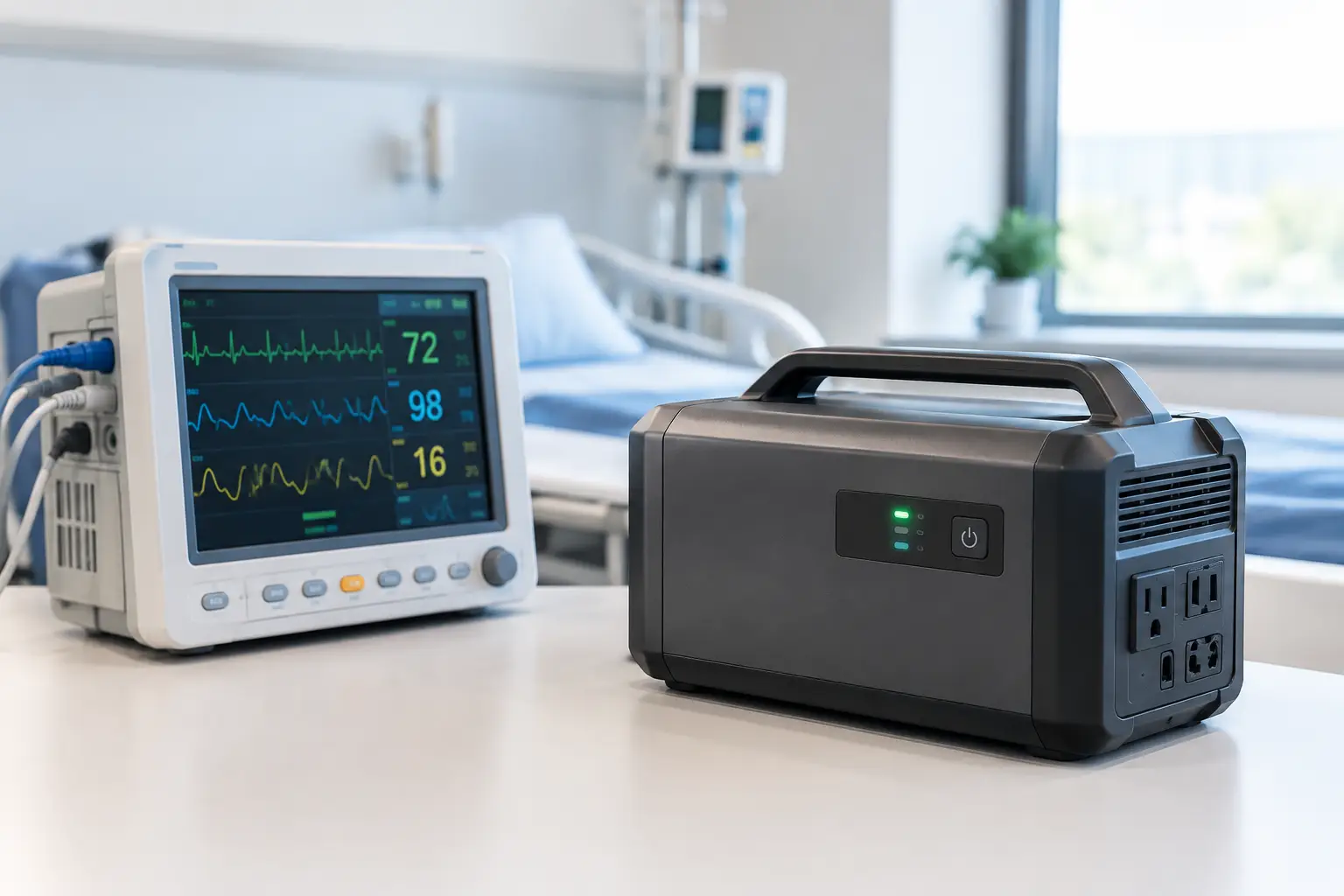
This distinction matters for homeowners relying on refrigerators, sump pumps, medical equipment, heating, or internet service. It matters even more for businesses protecting servers, security systems, refrigeration, or critical operations. The entire backup power system must be tested as one system: generator, fuel supply, battery, controller, transfer switch, and connected loads.
What you can safely check before calling for service
A quick inspection can provide useful information, but it should never involve bypassing safety devices, opening energized electrical equipment, or working on gas connections. Start by looking at the generator controller. Record any warning message or fault code, and note whether the unit is cranking, clicking, running briefly, or staying completely silent.
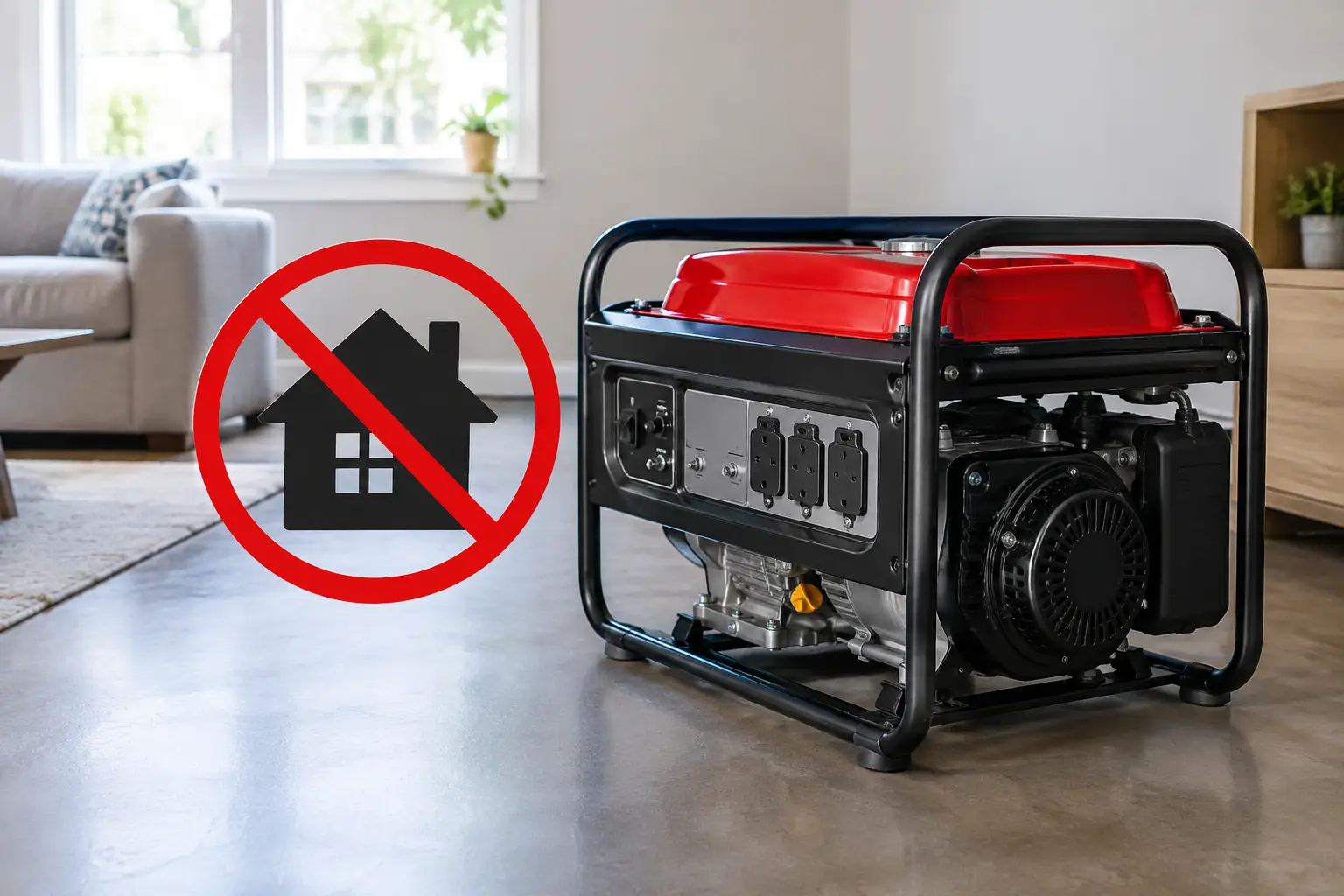
From a safe distance, check for obvious concerns: a blocked exhaust area, accumulated snow or debris around the enclosure, a visibly leaking fluid line, a tripped exterior breaker, or a closed fuel valve that you are authorized to operate. If the generator is propane-fueled, confirm that the tank supplier has not reported a low-fuel condition. For a portable unit, move it outdoors well away from doors, windows, and vents before any operation. Never run a portable generator in a garage, basement, or enclosed space.
If the system shows a fault, fails an exercise cycle, or does not transfer power during a test, schedule service before the next outage. A no-start condition is not a problem to postpone simply because utility power has returned.
How professional maintenance prevents startup failures
A dependable maintenance visit is more than an oil change. It should include battery and charger testing, fluid and filter inspection, fuel system review, controller alarm review, exercise verification, electrical connection checks, and a functional test of the transfer process. For commercial systems, load testing and fuel quality checks may also be appropriate.
Professional installation matters just as much as maintenance. Incorrect generator sizing, undersized gas piping, poor battery connections, improper transfer switch wiring, and missed code requirements can create failures that do not appear until the system is under pressure. The lowest installation price can become costly when the contractor is unavailable to correct problems later.
GenTek Power approaches standby power as a long-term service relationship, not a one-time equipment sale. A properly installed and maintained system gives you a clear path for support when a warning appears, rather than leaving you to troubleshoot a critical piece of infrastructure alone.
When a startup failure needs urgent attention
Call for professional service promptly if you smell gas, see fuel or coolant leaks, notice burned wiring, receive repeated fault alerts, hear grinding or severe cranking noises, or find that the generator starts but cannot carry the building load. These conditions can affect safety as well as reliability.
You should also arrange service after any failed exercise cycle. Weekly exercise is the system’s chance to reveal a weak battery, fuel issue, or control fault while the lights are still on. Treat that warning as useful notice, not an inconvenience.
Backup power earns its value in the hours when you cannot wait for a repair appointment. Keeping your generator serviced, tested, and supported now is the practical way to protect comfort, safety, and continuity when the next outage arrives.