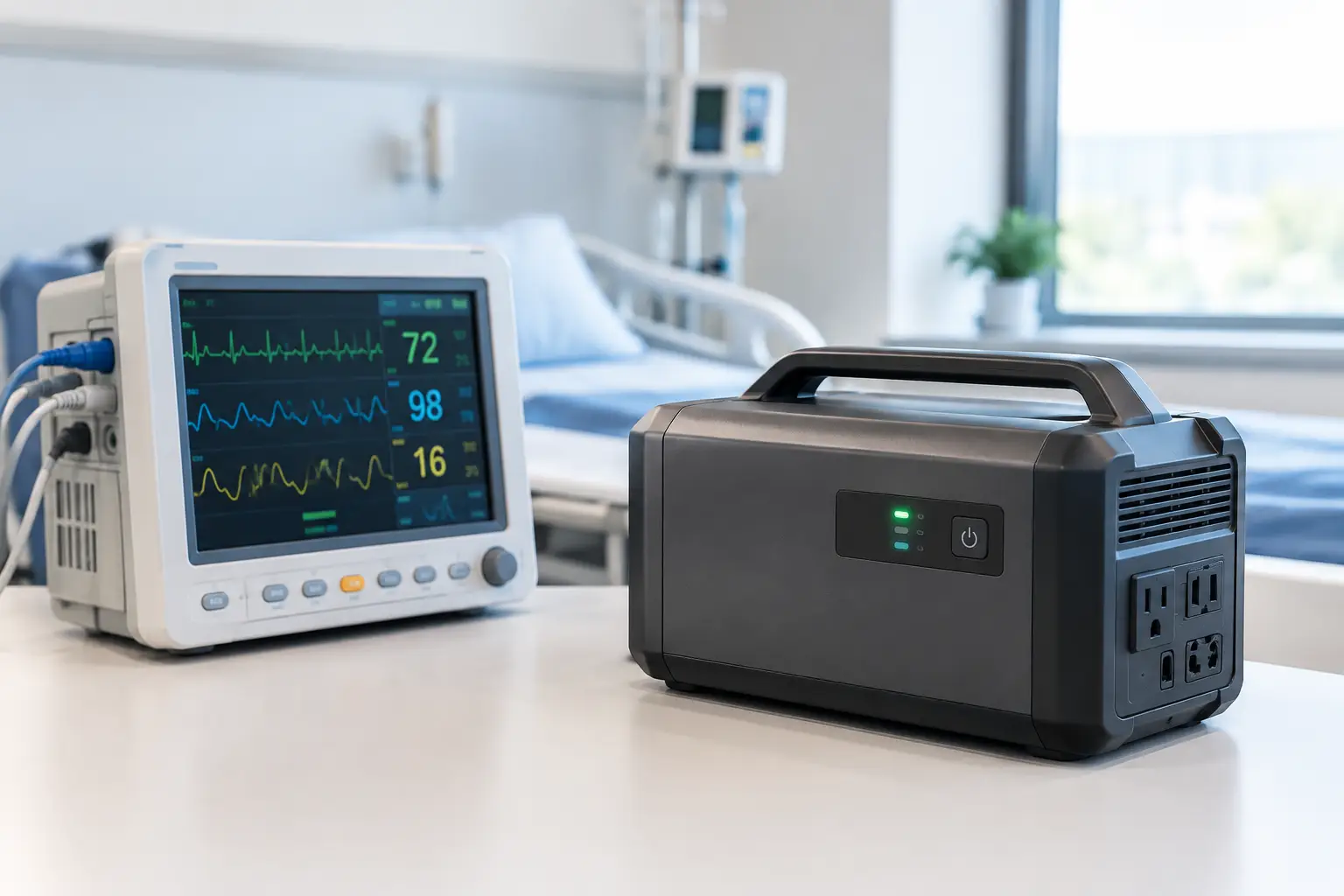

A power outage can turn an ordinary business day into a costly emergency within minutes. Point-of-sale systems go down, internet access disappears, refrigeration begins warming, employees lose safe working conditions, and customers look elsewhere. Effective power outage business preparedness is not about reacting faster when the lights go out. It is about deciding, well before a storm, what must stay powered, who is responsible, and how your facility will continue operating safely.
For many businesses, the real cost of an outage is not the utility bill or the fuel used by a generator. It is lost revenue, damaged inventory, missed deadlines, payroll spent during downtime, and the risk that customers will not return after a failed service experience. A professionally planned backup power system can protect the operations that keep your business moving when the grid cannot.
Start With the Cost of Downtime
Every business has a different outage threshold. A small office may be able to pause operations for a few hours if phones, servers, and remote access remain available. A restaurant, grocery store, medical office, manufacturing facility, or property management company may face immediate losses when refrigeration, security systems, pumps, climate control, or essential equipment stop working.
Begin by asking a practical question: what happens in the first 15 minutes, four hours, and 24 hours without power? Put a dollar amount beside the answers where possible. Include lost sales, spoiled products, canceled appointments, equipment shutdown procedures, employee disruptions, and potential safety risks.
This exercise often changes the conversation. A standby generator is not simply equipment outside the building. It is business continuity infrastructure. The right solution depends on what your organization cannot afford to lose.
Identify Your Critical Loads First
Trying to power an entire commercial building is not always necessary or cost-effective. The better approach is to identify critical loads: the systems that protect people, property, revenue, and your ability to reopen.
For some businesses, that means emergency lighting, security, fire and life-safety equipment, computers, communications, and a few essential HVAC components. For others, refrigeration, freezers, sump pumps, water systems, production equipment, loading doors, or server rooms may be non-negotiable.
A detailed load assessment should also account for equipment startup demands. Motors, compressors, and HVAC systems can require substantially more power when starting than when running. This is one reason generator sizing should never be based on a rough online estimate or a neighbor’s system. An undersized unit can overload, fail to start critical equipment, or leave you with difficult choices during an outage.
A qualified backup power contractor evaluates your electrical service, current loads, future expansion plans, fuel availability, transfer equipment, local code requirements, and the operational priorities behind the numbers. That planning work is where dependable performance begins.
Build a Power Outage Business Preparedness Plan
A generator is central to many continuity plans, but equipment alone is not a plan. Your team needs clear procedures that work when normal communication, access, staffing, and technology are disrupted.
Document who has authority to close, reopen, communicate with customers, authorize emergency repairs, and coordinate with building management or utilities. Keep current contact information for key staff, alarm providers, IT support, fuel suppliers, and your generator service company in a place that does not depend solely on cloud access.
Your plan should answer practical questions. Can staff enter the facility safely after an outage? Which systems are shut down first if generator capacity is limited? How will you protect refrigerated inventory? Where will employees receive updates if office phones and email are unavailable? If you serve vulnerable customers or tenants, how will they be notified?
For larger operations, assign responsibilities by role rather than by one person’s name. People are sometimes unavailable during widespread storms, and a plan that relies on a single manager can fail at the worst possible time.
Plan for more than a short outage
Many businesses plan around a brief interruption and overlook the complications of a multi-day event. Fuel management, staffing coverage, deliveries, access control, sanitation, and customer communication all become more difficult over time.
If your generator runs on natural gas, confirm that the fuel supply and gas line sizing support the unit under full demand. If diesel or propane is appropriate for your site, establish fuel delivery expectations and safe on-site storage requirements. The right fuel choice depends on your building, local infrastructure, runtime needs, and operating priorities.
Choose Automatic Backup Power Over Manual Workarounds
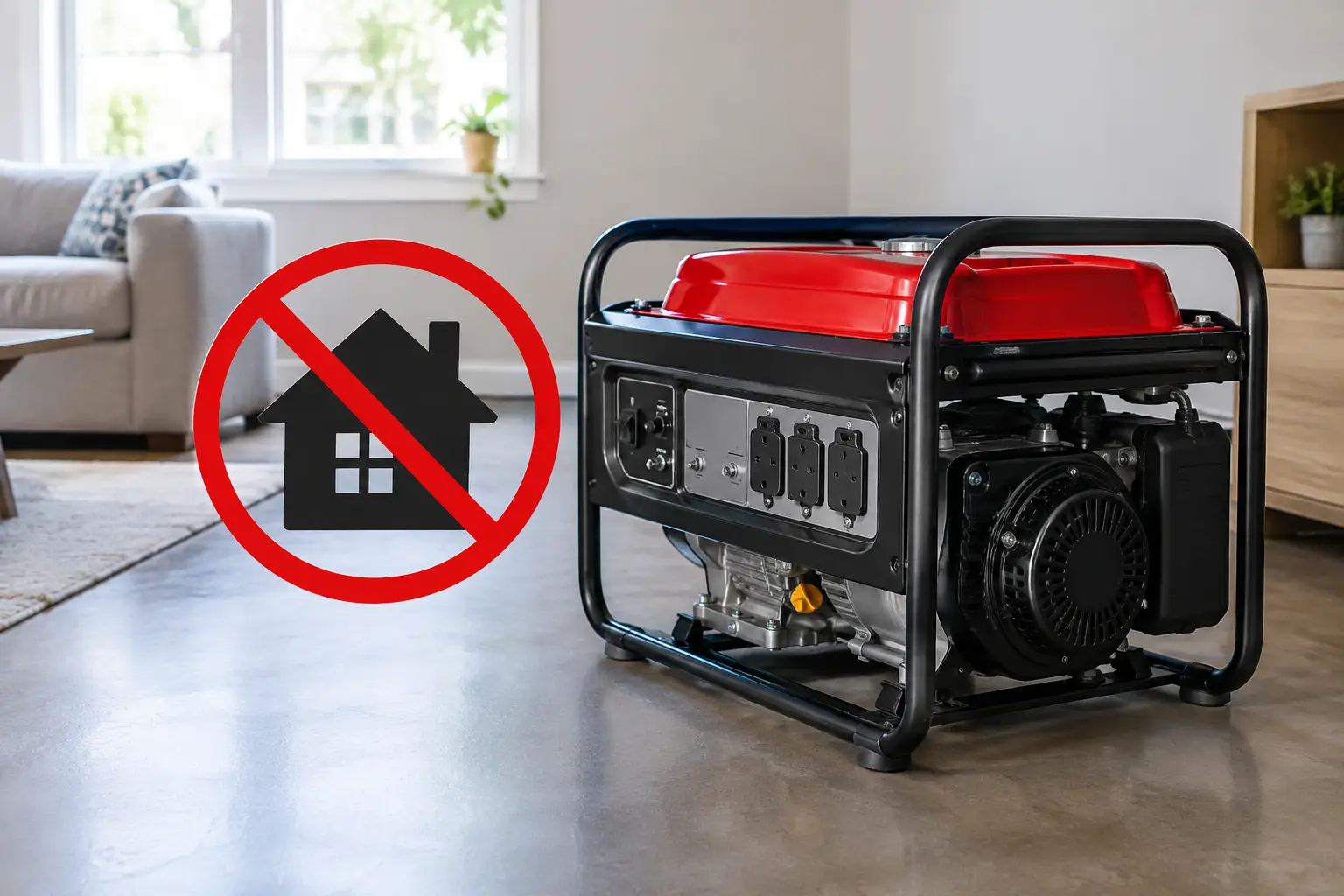
Portable generators and manual procedures may have a place for limited, temporary needs. They also introduce trade-offs. Someone must be present to set up the equipment, manage cords or connections, refuel it safely, and determine which loads can be powered. During severe weather, that is not a dependable strategy for operations that need to continue without delay.
An automatic standby generator is permanently installed and connected through an automatic transfer switch. When utility power fails, the transfer switch detects the outage, safely separates the building from the grid, and signals the generator to start. Once stable power is available, selected circuits or the designated electrical distribution system receive backup power automatically.
That response matters when an outage occurs overnight, when staff cannot reach the facility, or when every minute of refrigeration, security, network uptime, or climate control counts. It also eliminates the dangerous practice of attempting to power a building through improvised connections.
Professional installation matters just as much as the generator itself. Permitting, gas piping, electrical work, pad placement, ventilation clearances, load management, transfer switch configuration, and final testing must all be handled correctly. Low-cost installation shortcuts can create code issues, poor performance, warranty concerns, or service problems long after the installer has left.
Test the System Before You Need It
A generator that has not been tested is a risk, not a solution. Routine exercise cycles help verify that the engine starts and runs, but they do not replace professional maintenance and load testing where appropriate.
Your maintenance schedule should include inspection of batteries, fluid levels, filters, electrical connections, transfer switch operation, enclosure condition, alarms, and remote monitoring alerts. The exact service interval depends on the generator model, fuel type, operating environment, and manufacturer requirements. Businesses with critical loads may need more frequent attention than a low-use office.
Ask your provider what happens after installation. Who answers if the generator reports a fault? Can they access service records? Are factory-trained technicians available for repairs? Is maintenance scheduled proactively, or does the relationship end when the installation is complete?
GenTek Power approaches standby power as an ongoing service responsibility, from proper system design and installation through testing, maintenance, and support when conditions are difficult. That long-term accountability is what business owners should expect from a backup power partner.
Keep People Informed During an Outage
Customers are often more understanding of an outage than of silence. A clear message can protect trust even when operations are limited. Prepare short communication templates in advance for temporary closures, delayed service, adjusted hours, or continued operation on generator power.
For employees, communicate where to report, whether the building is open, any safety restrictions, and how payroll or scheduling will be handled. Do not assume staff can access normal internal systems. Text messaging, printed call trees, and preassigned supervisors may be more reliable during a widespread disruption.
The same applies to vendors and tenants. If your business depends on scheduled deliveries, temperature-sensitive goods, building access, or shared facilities, early communication can prevent a manageable outage from becoming a chain of missed commitments.
Treat Preparedness as a Business Decision
The best time to evaluate backup power is when your business is operating normally and there is time to make careful decisions. Waiting until the next major storm is forecast can lead to rushed choices, limited installation availability, and a plan built around what happens to be in stock rather than what your facility actually needs.
Start with your critical loads and your true cost of downtime. Then work with a qualified team that can manage sizing, permitting, utility coordination, installation, testing, and ongoing service. When the forecast turns serious, the goal is simple: your employees know what to do, your customers know what to expect, and your business has the power to keep going.