A standby generator is meant to take over when the lights go out, the refrigerator is full, the internet is needed for work, and your home cannot afford to wait. If you are researching how to test home generator equipment, the goal is not simply to hear the engine run. You need to confirm that the generator starts, carries the right loads, and transfers power to the parts of your home that matter.
A quick exercise cycle can reveal obvious problems, but it does not prove the entire backup power system will perform during a real outage. Testing should be safe, deliberate, and matched to your generator, fuel source, transfer switch, and household needs.
Start with a safe generator test
Before starting any test, walk around the generator enclosure. Clear away leaves, snow, stored items, and anything that could restrict airflow or create a fire hazard. The unit needs open space around it, and its exhaust must never be blocked. If you smell natural gas, propane, fuel, or exhaust where it should not be, stop and arrange professional service.
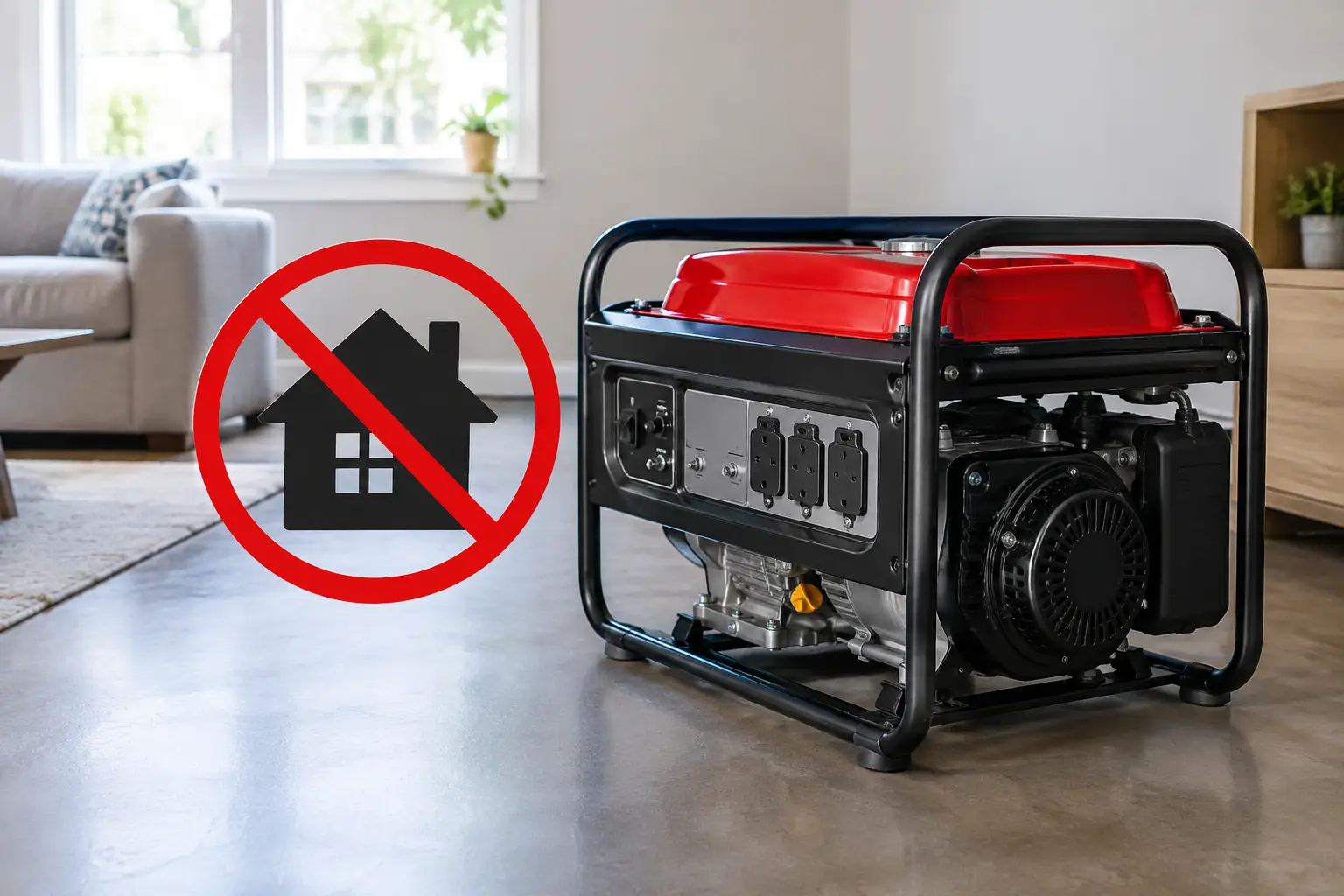
Never test a generator in an attached garage, enclosed space, or near open doors and windows. Carbon monoxide is odorless and dangerous. A permanently installed standby generator should be outdoors on its approved pad, with proper clearances and a correctly installed transfer switch.
Check the controller display for warning lights, fault codes, low battery notices, or maintenance alerts. Look for signs of oil leakage, rodent damage, loose wiring, corrosion, or a damaged enclosure. If your generator has a fuel gauge, verify that the tank has enough fuel for the test and for a meaningful outage. Propane customers should pay particular attention to tank level before storm season, because a generator cannot protect the home if its fuel supply runs short.
How to test a home generator in exercise mode
Most automatic standby generators run a scheduled weekly exercise cycle. This starts the engine for a short period, often without transferring the home to generator power. It keeps engine components lubricated, confirms the starter battery can crank the engine, and may flag basic controller issues.
You can usually initiate this test through the generator controller, following the operating manual for your specific model. Stand nearby for the first few minutes. Listen for a clean start and steady engine operation. Watch the controller for alerts, and check that there is no unusual vibration, smoke, fluid leak, or repeated attempt to start.
Exercise mode is valuable, but it has limits. A generator can run without a meaningful electrical load and still fail when asked to power air conditioning, a well pump, refrigeration, a furnace, or essential business equipment. It also may not confirm that the automatic transfer switch will respond correctly when utility power fails.
For that reason, a no-load exercise should be treated as a routine health check, not the final test of your backup power plan.
Test the automatic transfer switch under load
The most useful home generator test simulates an outage. For a professionally installed automatic system, this commonly means turning off utility power at the main service disconnect or using the approved transfer-test procedure for your equipment. Do not remove a utility meter, open energized electrical equipment, or guess at which breakers to operate. If you are not fully confident in the procedure, schedule a technician to perform the test.
Once utility power is interrupted, a properly operating standby generator should recognize the outage, start after its programmed delay, and transfer the home or selected circuits to generator power. The sequence often takes less than a minute, but the exact timing depends on the system settings.
During the test, confirm that the priorities you discussed during installation are actually being met. Lights should work where needed. Refrigerators and freezers should remain powered. Internet equipment, sump pumps, medical equipment, security systems, and heating or cooling equipment should operate as planned. If your generator was sized for whole-home backup, test the major loads you expect to use during an outage. If it was designed for selected circuits, do not assume every outlet or appliance is included.
Let the generator run long enough to carry a realistic load. In many homes, 15 to 30 minutes provides a useful operational check. A longer professionally supervised load test may be appropriate for a large home, a complex electrical system, a generator that has been idle for an extended period, or a property with high-demand equipment.
Avoid turning on every large appliance at once just to see what happens. Generators are sized around expected demand and load management, not a contest to create the highest possible draw. Electric ovens, dryers, hot tubs, pool equipment, and multiple HVAC systems can exceed available capacity if they were not included in the system design.
Watch for warning signs during the test
A successful test is quiet from a systems standpoint: the generator starts, power transfers, and your essential equipment works without errors. Pay attention if lights flicker excessively, the generator surges, the engine hunts for speed, or the controller displays a warning. Repeated starting attempts, delayed transfer, or a battery warning all deserve attention before the next storm.
Also check the practical details that are easy to miss. Does your Wi-Fi router reboot and come back online? Does the furnace or boiler restart properly? Does the sump pump cycle? If you work from home, can you power the modem, router, computer, and a few necessary lights without overloading the system? A test is the right time to identify these gaps, not the middle of a winter outage.
For homes with load-management modules, certain appliances may start in sequence rather than all at once. That is normal. The system is protecting the generator from an unnecessary overload by prioritizing power based on the configuration. If the result does not match your household’s current needs, a qualified technician can review the settings and determine whether changes to load management or generator capacity make sense.
Restore utility power and confirm cooldown
When the test is complete, restore utility power using the proper procedure. The transfer switch should return the home to utility service after its programmed delay. The generator should continue running briefly during its cooldown period, then shut down automatically.
Do not be concerned if the generator does not stop immediately. Cooldown allows the engine to stabilize and manage heat before shutdown. Once it stops, inspect the controller again for fault codes or maintenance messages.
Keep a simple record of the date, how long the test ran, any loads you used, and anything unusual you noticed. This history is useful when scheduling service and can reveal a developing issue, such as a battery that is becoming unreliable or an error that appears only under load.
Know when a professional test is the better choice
Homeowners can often observe a scheduled exercise cycle and perform a basic operational check if they understand their equipment. But some situations call for a trained generator technician. This includes recurring alarms, a failed start, fuel concerns, electrical work at the service equipment, transfer-switch problems, oil or coolant leaks, and any system that has not been serviced according to the manufacturer schedule.
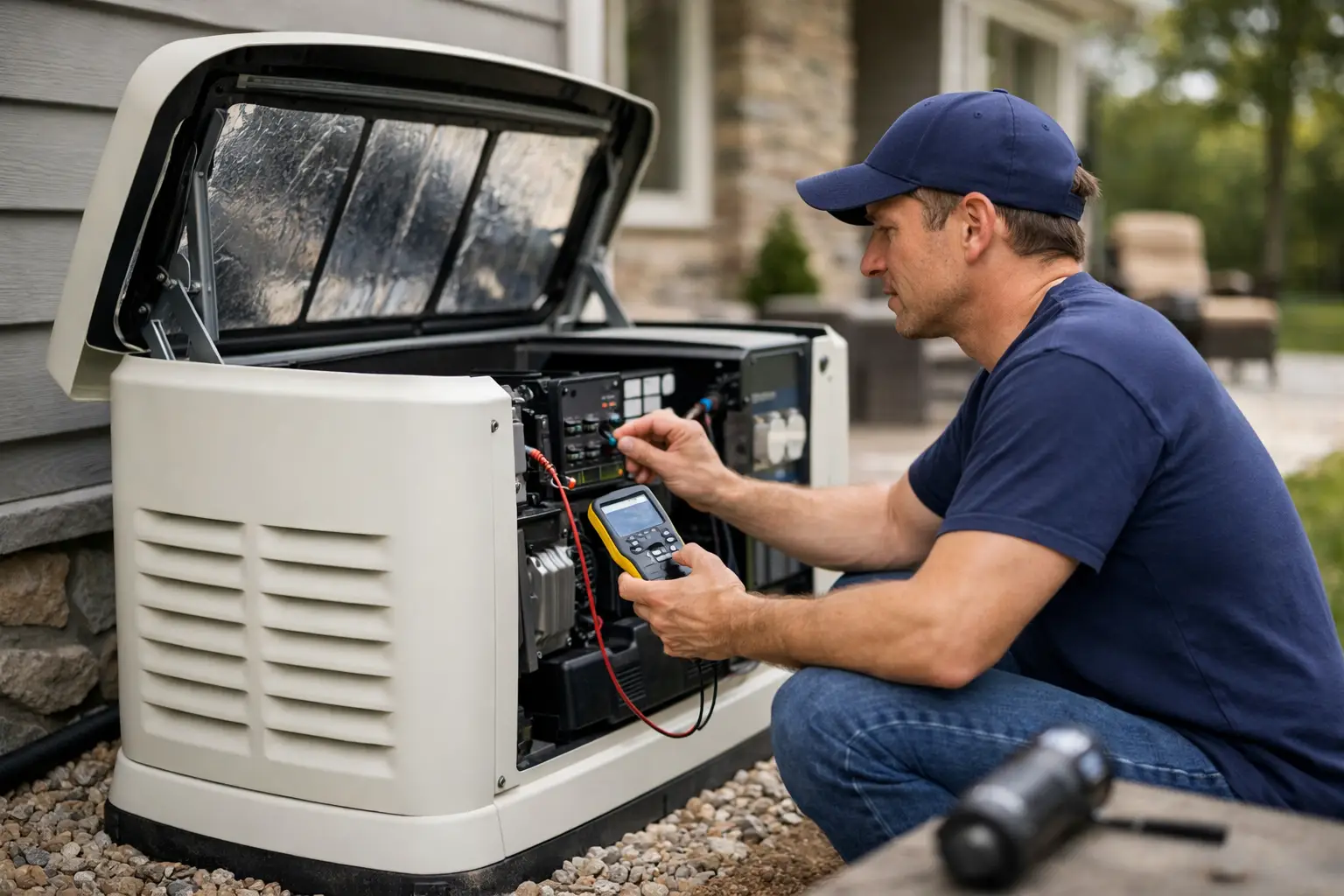
Professional maintenance goes beyond pushing the test button. It can include inspecting electrical connections, checking battery condition and charging output, reviewing fault history, servicing engine components, verifying fuel supply, and testing transfer operation under appropriate load. That level of attention matters because a standby generator is part of your home’s safety infrastructure, not a piece of equipment you want to troubleshoot during an outage.
GenTek Power helps homeowners maintain and test automatic backup systems with licensed, factory-trained support that stays accountable after installation. A scheduled service visit is especially worthwhile before severe weather season or after you have made major changes to the home’s electrical loads.
Test before the forecast gives you a reason
The best time to find a weak battery, a transfer issue, or an overlooked critical circuit is a calm day with utility power available. Set a recurring reminder to review the generator, observe its exercise cycle, and arrange maintenance at the interval recommended for your unit. When the next outage arrives, that preparation gives your home a far better chance of staying safe, comfortable, and connected.