A generator that starts automatically during a storm is only useful if it keeps running for as long as your outage lasts. For homeowners and business owners asking how long generators run, the honest answer is: it depends on the generator, its fuel source, the electrical load, and whether the system has been properly installed and maintained.
A portable generator with a small gasoline tank may run for several hours. A professionally installed standby generator connected to a natural gas line or a properly sized propane supply can run for days or longer, provided fuel remains available and the equipment is operating correctly. The goal is not simply to have backup power. It is to have a system that protects the essentials without creating a new problem during an already stressful outage.
How Long Do Standby Generators Run?
Most residential standby generators are designed to operate continuously during extended outages. If the unit is connected to natural gas, runtime is generally limited by the availability of utility gas and the condition of the generator, not by an onboard fuel tank. In many outage situations, natural gas service remains available even when electricity is not.
A propane-powered standby generator can also run for an extended period, but its runtime depends on tank size, outside temperature, and how hard the generator is working. A larger tank provides more operating time, but it must also be sized correctly for the generator and any other propane appliances at the property.
For example, a whole-home generator supporting a typical household may consume several gallons of propane per hour depending on its electrical load. If it is running heating equipment, air conditioning, a well pump, major appliances, and other high-demand systems, fuel use will rise. A system carrying only critical circuits will usually consume less.
This is why a runtime estimate should never be based on generator size alone. A dependable answer requires a full look at the home or facility, the expected loads, and the available fuel supply.
Natural Gas: The Longest Practical Runtime
Natural gas is often the preferred fuel choice for standby power because it is supplied continuously through a utility line. There is no tank to refill during an outage, no gasoline to store, and no need to arrange an emergency fuel delivery after roads have become difficult to travel.
That does not mean natural gas systems are automatically worry-free. The gas line must have enough capacity to support the generator while other gas appliances are running. A generator may start successfully but perform poorly under load if the fuel supply was not properly evaluated during installation. Professional load calculations and gas-piping assessment are part of building a system that can stay online when it matters.
Propane: Reliable With the Right Tank Plan
Propane is an excellent option for properties without natural gas service, including rural homes and many commercial sites. It stores well, burns cleanly, and gives the owner direct control over the fuel supply.
The trade-off is planning. A small propane tank may be sufficient for routine household use but may not provide the runtime needed for a multi-day outage when a generator is added. Tank capacity, refill arrangements, winter access, and the needs of furnaces, water heaters, fireplaces, and other propane equipment all need to be considered together.
A properly designed propane standby system can provide dependable backup power for several days or much longer. The right answer comes from matching the tank and generator to real operating conditions, not choosing the smallest option that appears to work on paper.
What Affects How Long a Generator Can Run?
Fuel supply is the biggest factor, but it is not the only one. Runtime and long-term reliability are also shaped by how the generator is sized, installed, exercised, and serviced.
Electrical Load Changes Fuel Consumption
Generators do not use fuel at one fixed rate. They consume more when they are supporting larger electrical loads. If your generator is powering lights, a refrigerator, internet equipment, and a furnace, its fuel demand may be moderate. Add central air conditioning, electric heat, a pool pump, multiple ovens, or commercial equipment, and consumption can increase significantly.
This is one reason whole-home backup and essential-load backup are different decisions. Whole-home systems are designed to support more of your property with fewer compromises. Essential-load systems focus on priority circuits, which can extend fuel efficiency but require clear decisions about what remains powered during an outage.
Neither approach is automatically better. The right system reflects what your family or operation cannot afford to lose.
Generator Sizing Matters More Than Many People Realize
An undersized generator may struggle when major equipment starts, especially HVAC systems, pumps, refrigeration equipment, and motors. Repeated overload conditions can trigger shutdowns or prevent the system from delivering the protection you expected.
An oversized generator is not always the answer either. It can increase installation cost and fuel consumption without delivering a meaningful benefit. Proper sizing looks at starting watts, running watts, load priorities, future electrical needs, and the specific equipment installed at the property.
For businesses, the conversation often extends beyond basic power capacity. Critical loads may include point-of-sale systems, network equipment, security systems, refrigeration, production equipment, elevators, sump pumps, or life-safety equipment. A generator plan should account for operational continuity, not just whether the lights come back on.
Maintenance Determines Whether Long Runtime Is Safe
Standby generators are built for extended duty, but they still need regular maintenance. During a long outage, the engine accumulates operating hours quickly. Oil condition, air filtration, battery health, coolant level, fuel pressure, and system alerts all matter.
Many generator manufacturers provide maintenance intervals based on run hours as well as calendar time. A unit that runs for several days after a major storm may reach a service interval much sooner than expected. Ignoring that need can lead to avoidable wear, warning alarms, or a failure during the next outage.
Automatic exercise cycles are also valuable. They help confirm that the generator can start, run, and communicate normally before an emergency occurs. Remote monitoring adds another layer of protection by alerting the service team or owner when the system reports a fault, low battery, or other issue that needs attention.
Portable Generator Runtime Is Different
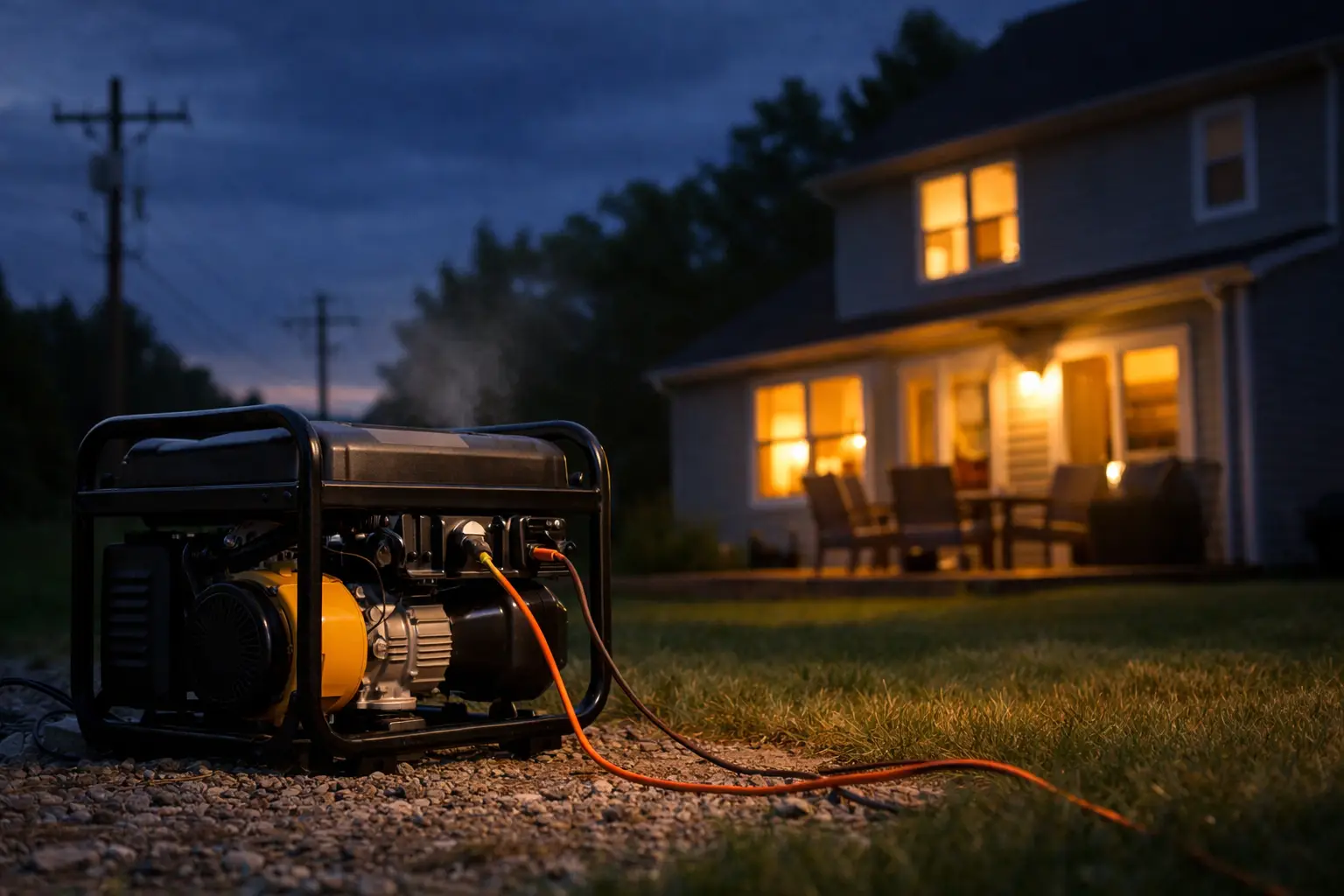
Portable generators are useful for temporary, limited backup needs, but they operate under very different conditions than an automatic standby system. Many portable gasoline generators run between 6 and 18 hours on a tank, depending on tank capacity and load. They require manual refueling, safe fuel storage, weather protection, and careful connection to the building.
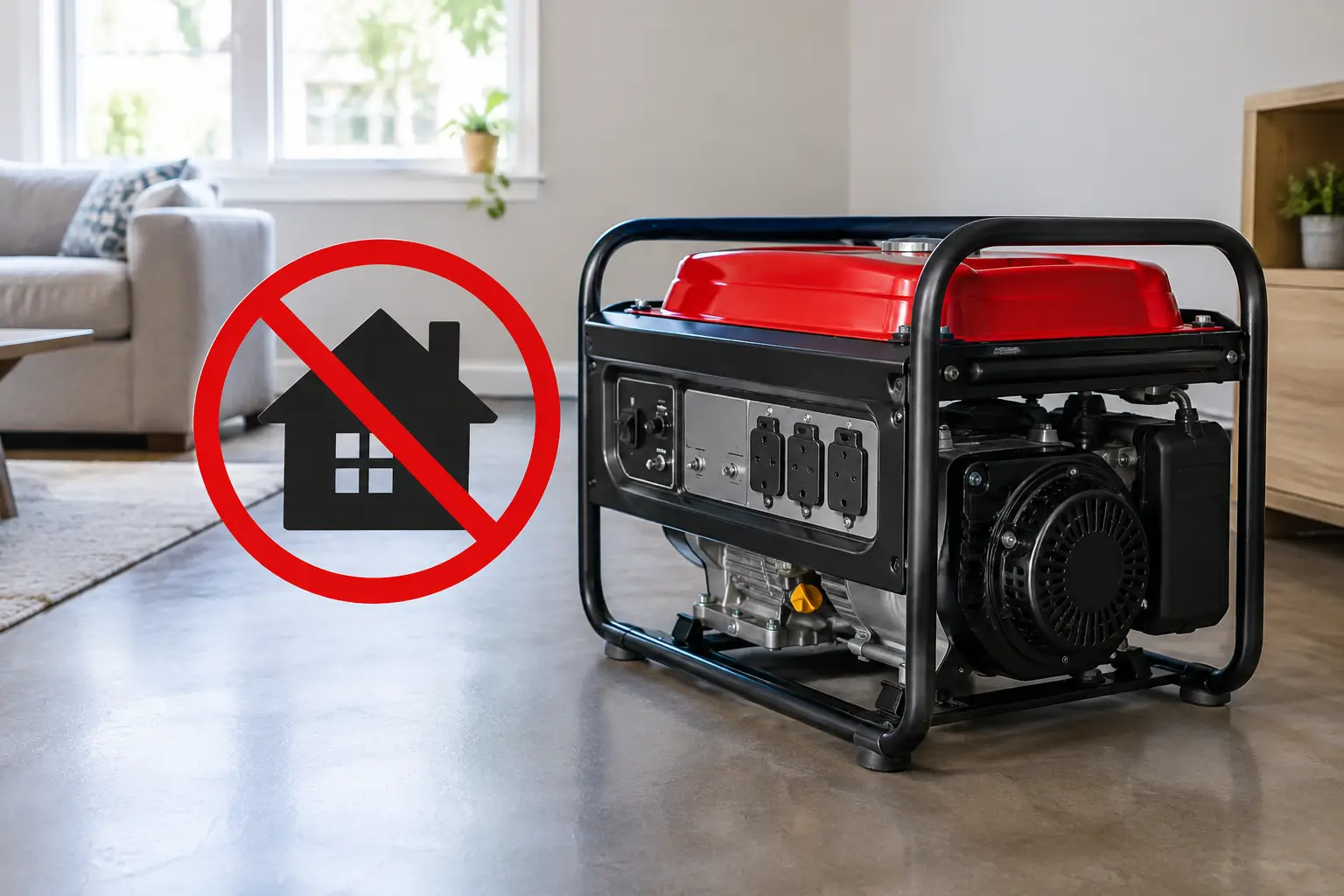
Refueling a portable generator during an outage can be inconvenient and hazardous. Gasoline must be handled safely, and a portable generator must always operate outdoors, away from doors, windows, vents, and attached garages because of carbon monoxide risk.
Portable units can support selected appliances when used correctly. They are not typically the best fit for homeowners or businesses that need automatic operation, extended runtime, consistent HVAC support, or dependable power when no one is present to start and refuel the equipment.
Planning for a Multi-Day Outage
The right generator plan starts with a practical question: What must continue operating if the outage lasts three days, five days, or longer?
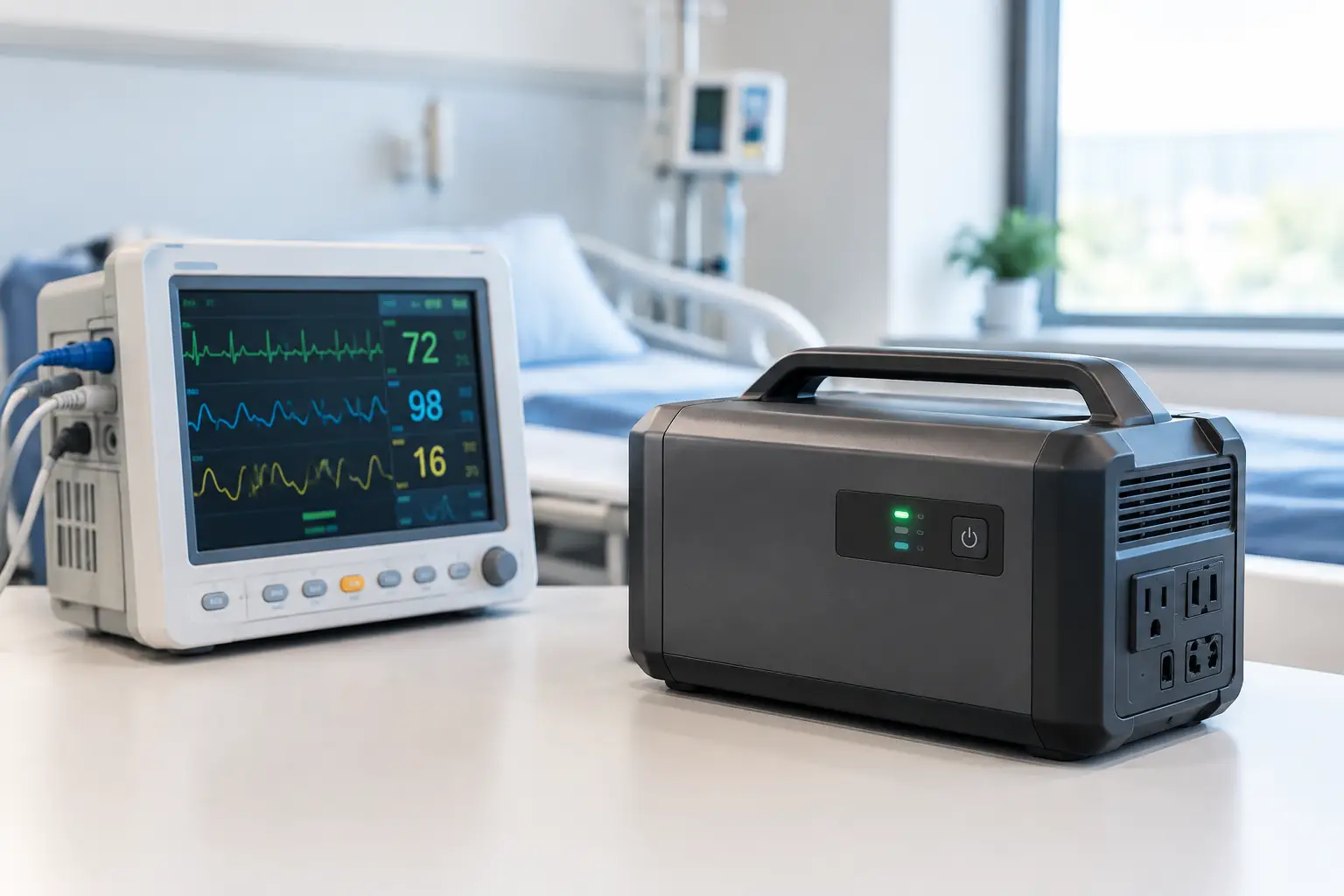
For a home, that may mean refrigeration, heating or cooling, well pumps, medical equipment, internet access, security systems, and enough lighting to keep the household safe and comfortable. For a business, it may mean protecting inventory, keeping communications online, supporting employees, preventing water damage, or maintaining essential customer service.
From there, a qualified generator professional can assess the electrical demand, fuel source, transfer equipment, local permitting requirements, and placement of the generator. The installation should include proper testing under load, clear operating guidance, and a maintenance plan that does not end once the equipment is installed.
GenTek Power approaches backup power as a long-term protection system, not a box placed beside a building. That means handling the details that influence real-world runtime: correct sizing, fuel coordination, code-compliant installation, testing, scheduled maintenance, and responsive support after the storm arrives.
When Should You Shut a Generator Down?
An automatic standby generator should generally be allowed to operate as designed during an outage. It will transfer power back to the utility when service is restored and then complete its programmed cooldown cycle before shutting down.
However, you should contact a qualified service provider if the generator displays warning lights, unusual alarms, visible leaks, smoke, repeated shutdowns, or signs that it is not carrying the load properly. Do not attempt repairs around energized electrical equipment or fuel connections during severe weather.
For portable generators, shut the unit down before refueling and allow it to cool according to the manufacturer’s instructions. Never refuel a hot generator or operate it in an enclosed or partially enclosed space.
A long outage is the wrong time to find out that a generator was undersized, poorly installed, or left without service. The most reassuring backup plan is one designed around your actual needs, supplied with enough fuel, and supported by a team that will still answer the phone after the installation is complete.