A standby generator is not a box you set beside the house and forget. It is a backup power system connected to your electrical panel, fuel supply, utility equipment, and the systems your family depends on when the grid fails. That is why generator installation cost factors matter as much as the generator itself. A low equipment price can become an expensive problem if the system is undersized, improperly installed, or left without dependable service after the sale.
The right budget starts with a clear understanding of what your property needs to stay safe, comfortable, and operational during an outage. For some homes, that means essentials such as refrigeration, heat, sump pumps, and internet. For others, it means whole-home coverage. For a business, it may mean protecting point-of-sale systems, refrigeration, production equipment, security, or critical communications.
The Generator Size Sets the Starting Point
Generator capacity is one of the largest drivers of project cost. A smaller system designed for selected circuits costs less than a larger unit capable of supporting most or all of a home. But choosing the smallest possible generator is rarely the best value if it cannot carry the loads that matter during a real outage.
Proper sizing looks beyond square footage. An installer should review the electrical demands of your HVAC equipment, well pump, sump pump, electric range, water heater, refrigeration, garage equipment, and other major loads. Starting loads also matter. Motors and compressors can draw significantly more power when they start than when they are running.
For commercial properties, the calculation is even more specific. A generator must be sized around critical operations, load sequencing, future growth, and the consequences of a shutdown. Running a few lights is very different from keeping a medical office, restaurant, workshop, or data-dependent business operating.
A professional load assessment helps avoid two costly mistakes: paying for capacity you will never use or buying a unit that struggles when the power goes out. The goal is not simply a bigger generator. It is a system built around the way you actually live or work.
Generator Installation Cost Factors Beyond the Unit
The generator itself is only one portion of a turnkey standby power project. The installation must safely connect the generator to the home or facility, meet local requirements, and operate automatically when utility power fails. Site conditions determine how much work that takes.
Electrical panel and transfer equipment
Every automatic standby generator requires transfer equipment that isolates your property from the utility during an outage. This protects utility workers, prevents dangerous backfeeding, and allows the generator to start and transfer power automatically.
The type of transfer switch, the size of your service, and the condition of your existing electrical panel all affect the scope. Some properties need a straightforward connection. Others require panel upgrades, additional distribution equipment, load-management controls, or electrical repairs before a generator can be added safely.
Load-management technology can be a smart way to control costs. Rather than installing an oversized generator to run every heavy appliance at once, the system can prioritize critical loads and temporarily manage less essential equipment. Whether that is the right choice depends on your expectations during an outage and your electrical setup.
Fuel type and fuel-line work
Most residential standby generators run on natural gas or propane. Fuel availability, distance from the meter or tank, pipe sizing, and local capacity requirements can significantly affect the installation price.
Natural gas can offer convenient, continuous fuel where service is available and the utility supply can support the generator’s demand. Propane may be the better option in areas without natural gas, but it can require tank placement, supply planning, and coordination with a fuel provider. A generator is only as reliable as its fuel source, so this is not a place to accept assumptions or shortcuts.
The fuel line must be sized for the generator’s full demand while accounting for other gas appliances in the building. An undersized line can cause poor performance or prevent the generator from carrying its intended load when the system is needed most.
Location, concrete pad, and site access
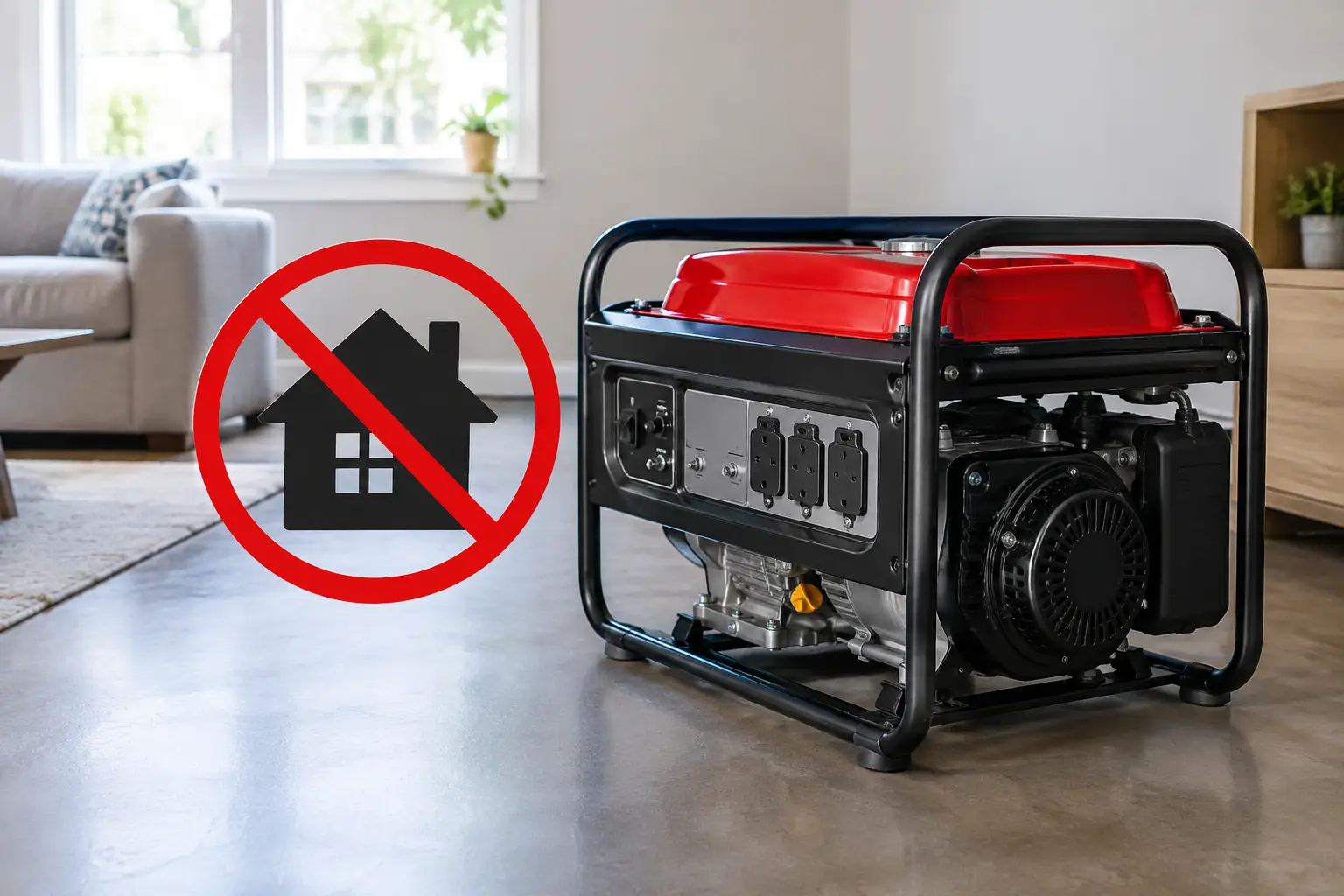
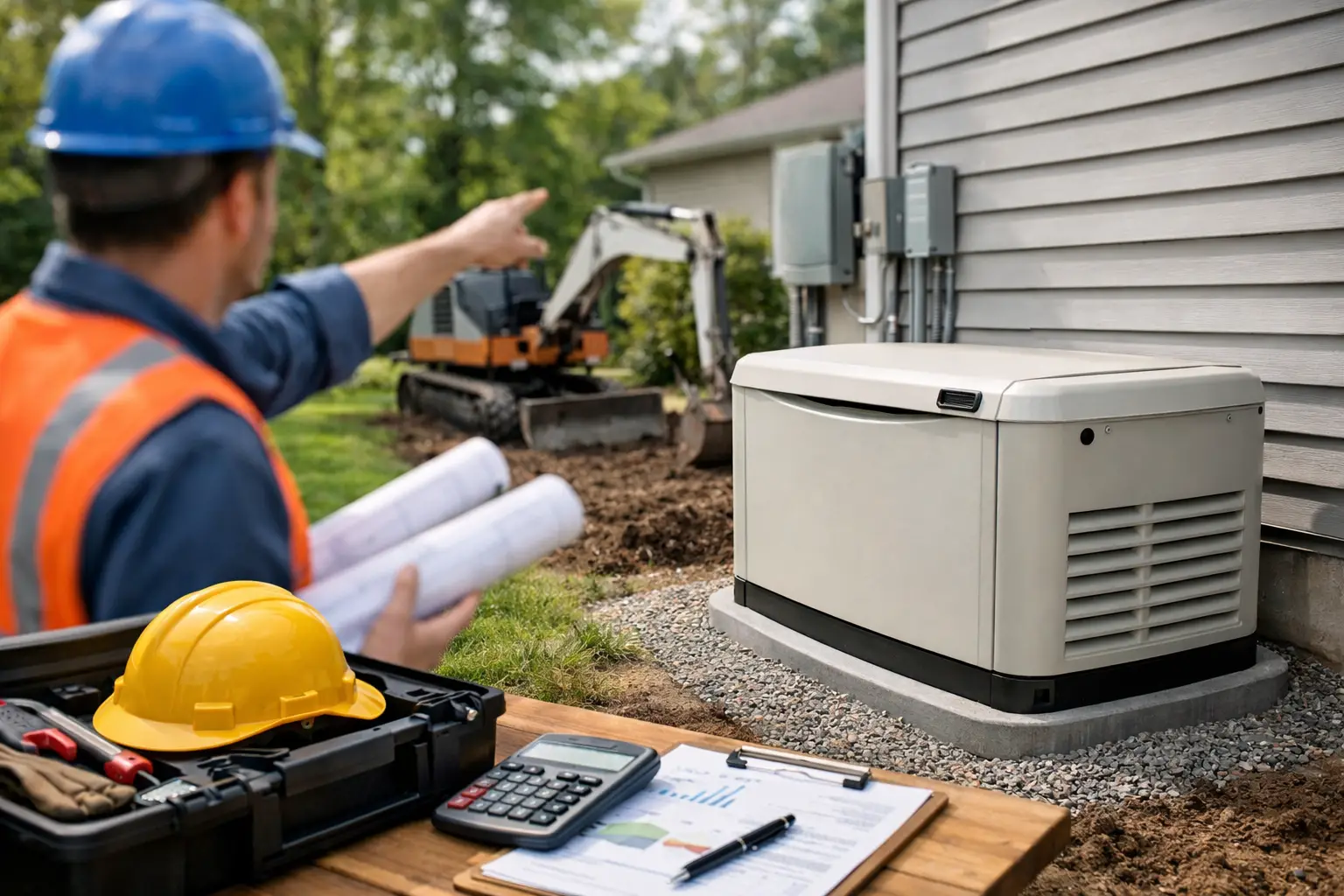
A generator needs a stable, code-compliant location with adequate clearance from openings, vents, property lines, and combustible materials. The installation may require grading, vegetation removal, a concrete or composite pad, trenching, or protective bollards in commercial settings.
Distance matters. A unit located farther from the electrical service or fuel supply generally requires more wire, conduit, gas piping, trenching, and labor. Tight side yards, steep terrain, fenced properties, and difficult access can also add time and equipment needs.
The least expensive location is not always the best location. A thoughtful site plan balances cost with service access, noise considerations, drainage, safety clearances, and the ability to perform maintenance years from now.
Permits, inspections, and utility coordination
Standby generator work commonly involves electrical, plumbing or gas, and building requirements. Permit fees vary by jurisdiction, but the larger cost consideration is the work required to meet the applicable codes and pass inspection.
Utility coordination may also be needed, especially when electrical service equipment, gas meters, or service capacity are involved. These steps can feel tedious, but they protect your property, preserve equipment warranties, and reduce the risk of a failed inspection or unsafe connection.
A complete quote should make clear who is handling permits, inspections, and coordination. When these responsibilities are vague, homeowners are often left chasing paperwork while a project stalls.
Existing Conditions Can Change the Scope
Older homes and commercial buildings sometimes reveal issues once the installation is planned. Corroded panels, insufficient service capacity, outdated grounding, damaged wiring, or gas systems that do not meet current requirements may need attention before the generator can be installed.
This does not mean every older property becomes a major project. It means a site assessment matters. A contractor who prices a generator without reviewing the electrical service, fuel route, and installation area may offer an attractive number upfront, then introduce expensive changes later.
Ask for a quote based on an on-site evaluation whenever possible. Clear assumptions, documented scope, and a plan for potential upgrades make budgeting far more predictable.
Whole-Home Coverage Versus Essential Loads
One of the most practical decisions is deciding what should remain powered during an outage. Whole-home backup offers the greatest convenience. Depending on system capacity and load management, it can keep much of the home functioning normally, including HVAC, kitchen appliances, lighting, internet, and security.
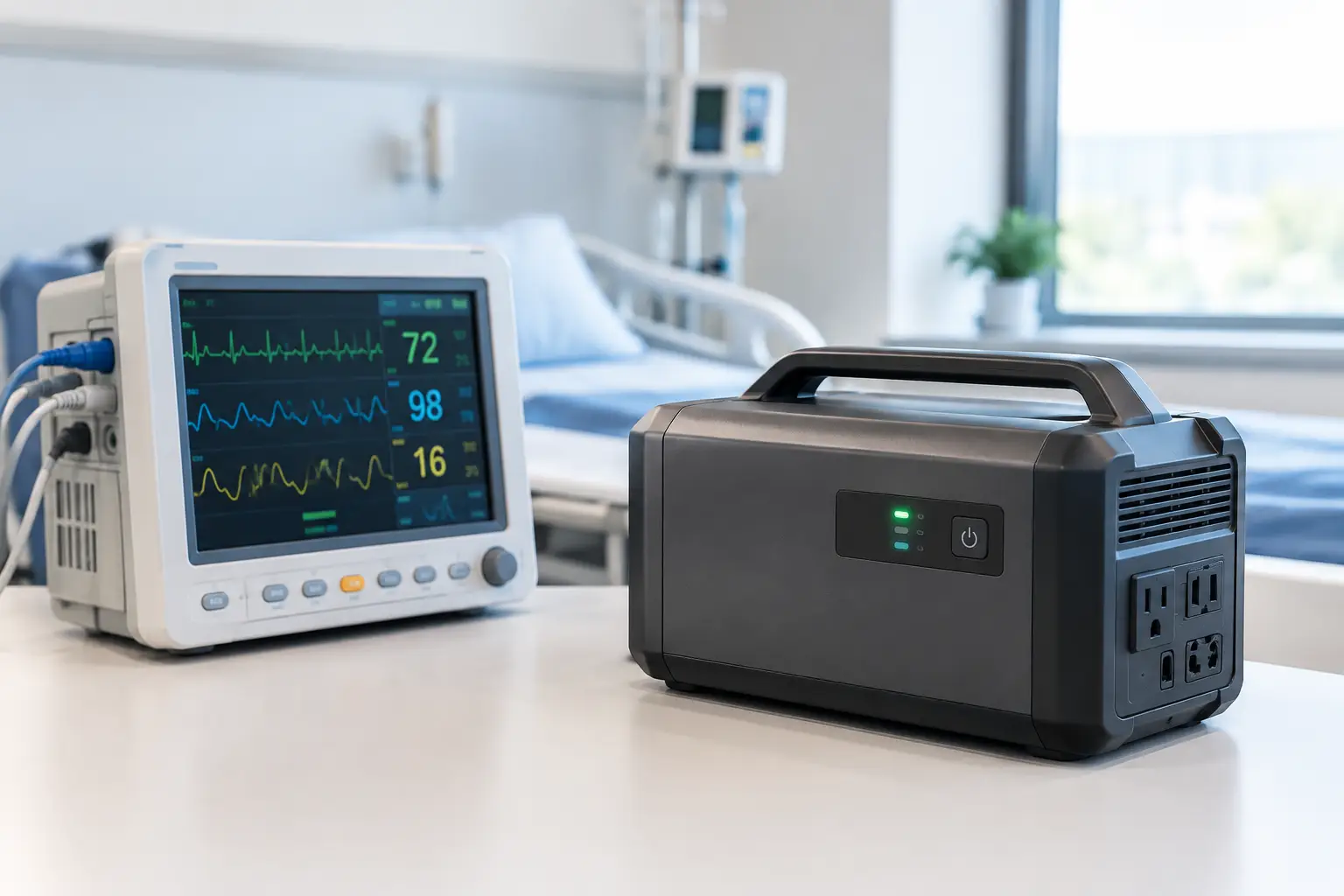
Essential-load coverage costs less because it supports a selected group of circuits. It can be an excellent fit for homeowners focused on heat, refrigeration, a sump pump, medical equipment, and communications. The trade-off is that you may need to manage appliances and accept that some parts of the home will remain off.
There is no universal answer. A family with a well pump, home office, electric heat, and frequent outages may reasonably prioritize broader coverage. A homeowner who mainly wants to prevent flooding and food loss may prefer a focused system. The best investment is one that matches the disruption you are trying to prevent.
Installation Quality Is Part of the Cost
Comparing quotes only by the generator model and bottom-line price can hide meaningful differences. A professional installation includes correctly sized conductors and fuel piping, secure mounting, weather-appropriate materials, clean routing, proper labeling, code-required safety measures, startup testing, and customer instruction.
It also includes accountability. When an outage occurs, you want a company that understands how the system was installed and can support it. Factory-trained technicians, documented commissioning, warranty registration, and a service plan may not be the cheapest path on day one, but they can prevent the far higher cost of a system that fails when your home or business needs it.
At GenTek Power, the installation process is designed as a complete project, not a handoff between disconnected contractors. That means the work is planned around the generator, the property, the permits, and the support your system will need after installation.
Plan for Maintenance and Long-Term Readiness
A standby generator needs routine maintenance, much like a vehicle that must perform reliably without warning. Oil, filters, batteries, exercise cycles, firmware settings, and fuel-system performance all deserve attention. The specific schedule depends on the manufacturer, operating hours, and local conditions.
Remote monitoring can add cost, but it can also provide early warning of battery issues, fault codes, missed exercise cycles, or utility events. For homeowners who travel or businesses with little tolerance for downtime, that visibility can be worthwhile.
When reviewing installation costs, ask what happens after the final inspection. Who handles warranty work? Is preventive maintenance available? Can you reach a trained technician after a storm? Those answers are part of the real value of backup power.
A well-planned generator project is not about finding the lowest number on a quote. It is about knowing that when the lights go out, the system starts, the right loads stay protected, and there is a qualified team ready to stand behind the work.