A long outage changes the way a home feels. Refrigerators warm up, sump pumps stop, internet drops, and a comfortable house can become difficult to live in within hours. So, do generators increase home value? A professionally installed standby generator can make a home more attractive to buyers and may support a stronger sale price, especially in outage-prone areas. But it is not a guaranteed dollar-for-dollar return.
The difference comes down to the system itself and the quality behind it. Buyers respond to dependable protection they can understand. They are less impressed by equipment that looks improvised, has no permits or service records, or leaves them wondering who will support it after closing.
Do Generators Increase Home Value in Every Market?
Not equally. A standby generator tends to have the most value in markets where power failures are common, prolonged, or especially disruptive. That may include areas with severe storms, heavy snow, wildfire-related shutoffs, aging utility infrastructure, rural power lines, or frequent flooding.
It also matters who is likely to buy the home. A family with young children may see backup power as protection from food spoilage, heating or cooling loss, and disrupted routines. A remote worker may care about keeping the internet, office equipment, and lighting available. A homeowner who relies on a well pump, sump pump, security system, elevator, or medical equipment may see it as a serious continuity feature rather than a luxury.
In a neighborhood where whole-home standby systems are common, not having one can make a property feel less prepared. In an area with reliable power and modest outage risk, the same system may still help a listing stand out, but it may not carry the same financial weight.
A generator should be viewed as a home infrastructure investment first. Its clearest return is the protection it provides during ownership. Any added resale value is a meaningful benefit, but not the only reason to install one.
Standby Generators Add More Value Than Portable Units
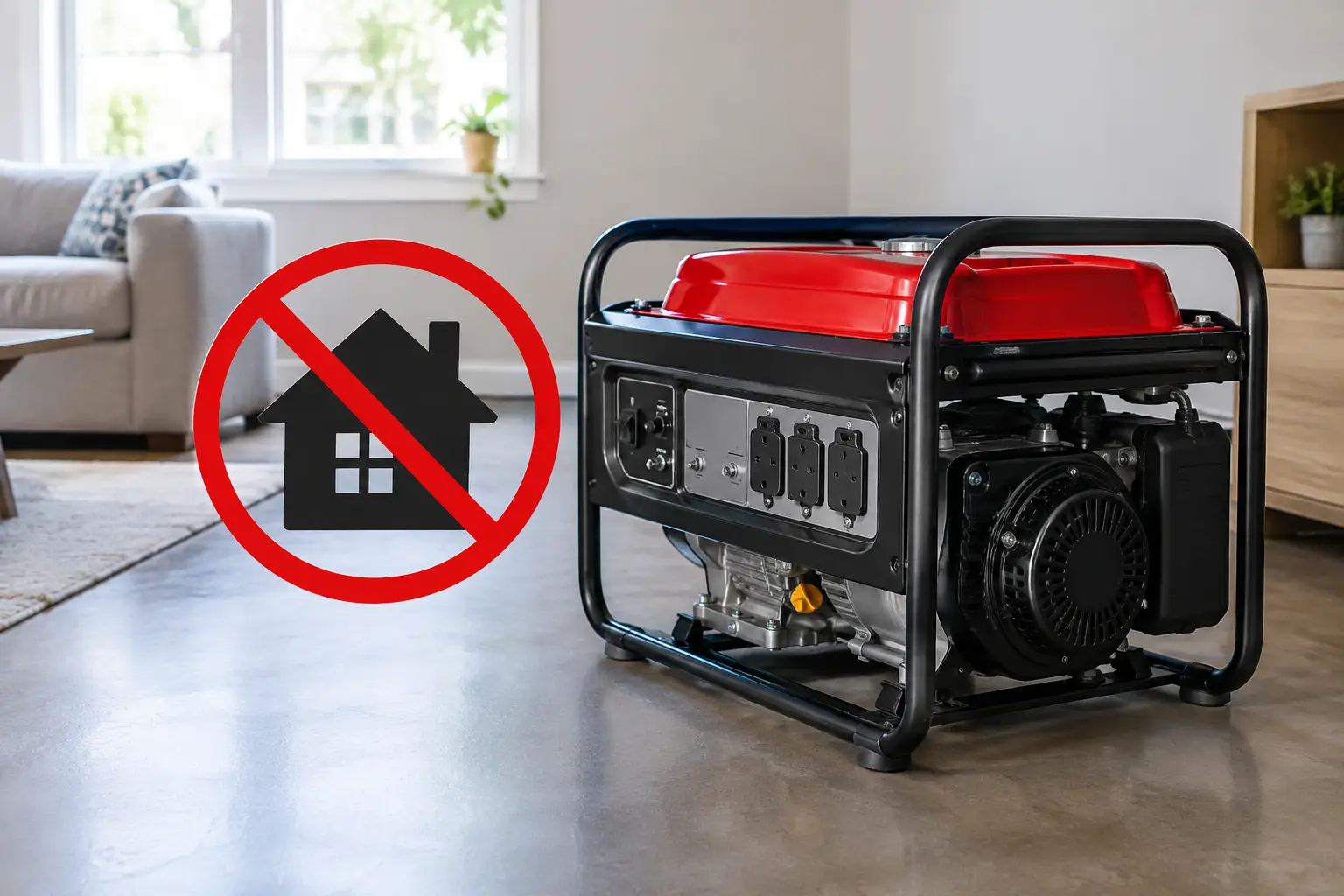
Not all generators are perceived the same way by buyers. A portable generator can be useful in an emergency, but it is usually personal property. It can be moved, stored, sold separately, and may require the next owner to set it up manually in poor weather.
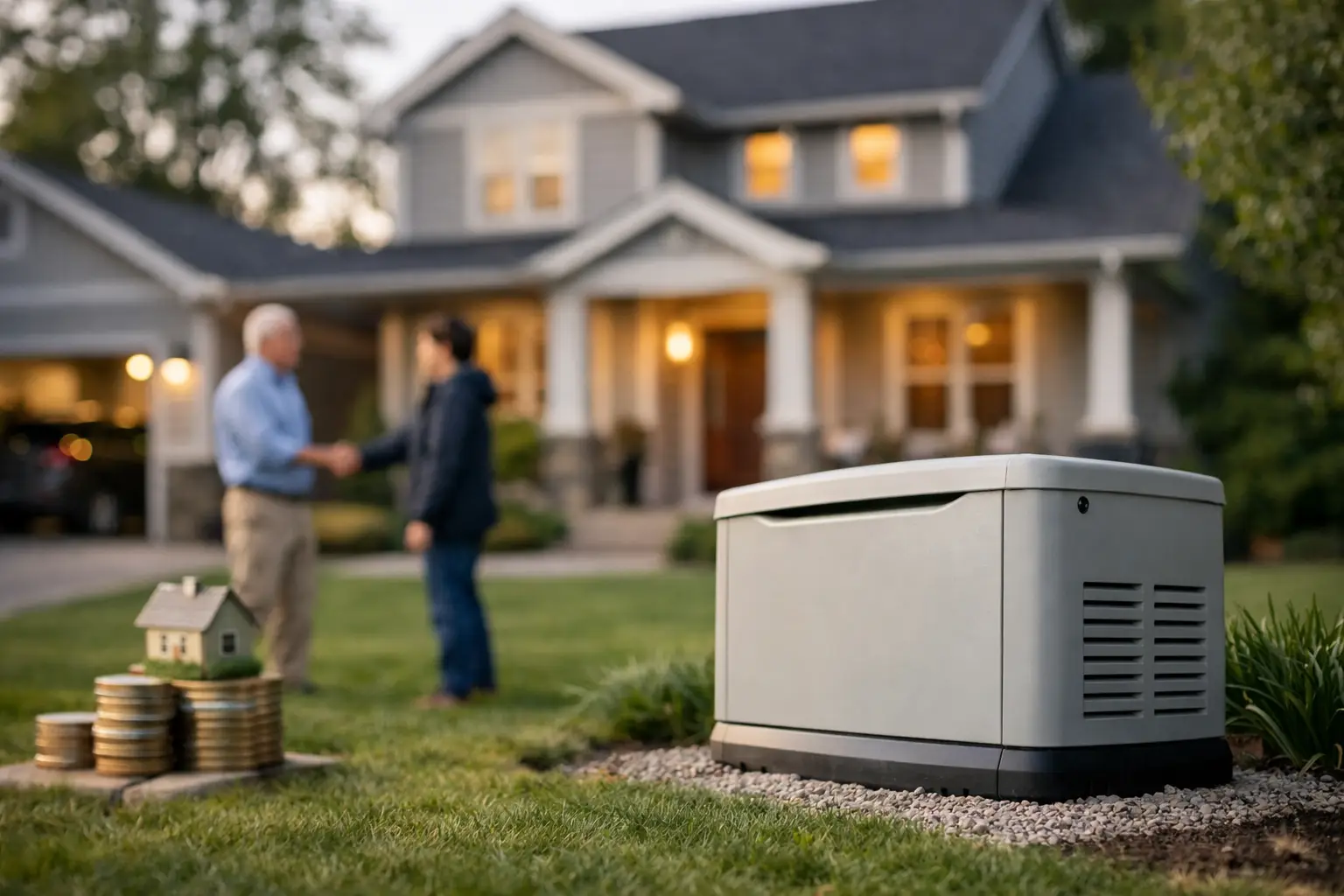
A permanently installed standby generator is different. It is connected to the home through an automatic transfer switch, fuel supply, and electrical system. When utility power fails, the generator can start automatically and restore selected circuits or the whole home, depending on the design.
That permanent, automatic operation is what gives a standby system real appeal in a real estate transaction. Buyers can see it as part of the property, much like central air conditioning, a security system, or a finished basement. It signals that the home has been planned for resilience.
Still, a generator only helps the home’s value when it has been installed correctly. A poorly located unit, undersized electrical work, unsafe fuel connection, or missing permit can create questions that reduce buyer confidence instead of building it.
What Buyers Actually Notice
Most buyers will not evaluate generator load calculations or transfer-switch specifications. They will notice whether the system looks complete, orderly, and cared for. The best installations make the benefit easy to explain: when the power goes out, the home remains safe, functional, and comfortable.
Buyers and their inspectors commonly care about whether the equipment is permanently installed, whether permits and inspections were completed, and whether the generator has a documented maintenance history. They may also ask what the system powers. A generator that supports the HVAC system, refrigeration, lighting, internet, garage doors, well pump, or sump pump offers a more tangible benefit than one with unclear capabilities.
Noise, placement, and appearance matter as well. The unit should meet local setback requirements, sit on a proper base, and be positioned with attention to ventilation and access for future service. Professional installation is not simply a technical detail. It is evidence that the homeowner took the project seriously.
The Details That Support Resale Value
A standby generator is easier to present as a premium home feature when the paperwork is in order. Save the original proposal, permit documentation, inspection records, warranty information, startup report, and maintenance invoices. If the system is enrolled in monitoring or has a service agreement, keep clear records of that history too.
This documentation answers the questions that can otherwise slow down a sale. Was the work code-compliant? Who installed it? Has it been exercised and serviced? Is the warranty transferable? Has the system been reliable during actual outages?
A seller should also be able to state plainly what the system does. For example: “The generator automatically powers the main floor lights, refrigerator, furnace, sump pump, internet equipment, and garage door during an outage.” That is more useful to a buyer than simply saying, “The house has a generator.”
If the home has a whole-home system, explain that carefully. Whole-home backup does not always mean every appliance can run at full demand at the same moment. The actual capability depends on the generator size, electrical load management, and the home’s major equipment. Accurate information protects the seller and builds trust with the buyer.
Why Correct Sizing Matters More Than Oversizing
A larger generator is not automatically a better investment. Buyers want dependable backup power, not an unnecessarily expensive system that consumes more fuel or creates avoidable installation complications.
The right system starts with a professional assessment of the home’s electrical loads and the priorities during an outage. Some homeowners want essential circuits protected. Others need heating and cooling, well water, electric appliances, pool equipment, home offices, or a larger smart-home setup to continue operating.
Proper sizing gives the homeowner confidence that the system will perform as intended. It also avoids the disappointment of discovering that a generator cannot start essential equipment or that it was designed around assumptions rather than the actual home. This is one reason turnkey planning matters. Generator sizing, fuel requirements, electrical design, permitting, and testing all affect the system’s usefulness and its future appeal.
Fuel Type Can Influence Buyer Confidence
Natural gas is often attractive because it can provide a continuous fuel source during an outage, provided utility service remains available. Propane is a strong option where natural gas is unavailable, but buyers may want to know the tank size, ownership arrangement, and fuel supplier requirements.
The key is not that one fuel source is universally better. The key is that the system is designed for the property, installed safely, and supported with a clear plan for long outages. A buyer should not have to guess how the generator is fueled or whether the fuel supply is adequate.
For homes in areas where fuel access is limited, this conversation can be especially important. A well-designed standby system paired with a sensible fuel strategy can be a major point of reassurance during a showing.
A Generator Is Not a Guaranteed Appraisal Increase
Homeowners should be careful about expecting an appraisal to rise by the full cost of a generator installation. Appraisers consider local comparable sales, market demand, condition, square footage, location, and many other factors. A standby generator may be recognized as a valuable feature, but its contribution can vary substantially from one property and market to another.
Its value may show up in ways that are harder to isolate on an appraisal report. The home may attract more interest, feel better equipped than similar listings, receive fewer objections after an inspection, or help buyers feel comfortable making a stronger offer. In competitive conditions, confidence can be valuable.
The opposite is also true. An aging, neglected system with no maintenance record may be viewed as a future expense. If a generator is near the end of its useful life, disclose its condition honestly and consider whether service or replacement is appropriate before listing the property.
Protect the Investment Before You Sell
Annual maintenance is one of the simplest ways to preserve both generator reliability and resale appeal. A service visit can verify battery condition, oil and filter needs, exercise performance, fault history, connections, and overall readiness. It is far better to identify a problem during routine service than during a storm or a home inspection.
Before putting the home on the market, arrange a professional inspection if the system has not been serviced recently. Have the technician confirm operation, address any active alerts, and provide current service documentation. A clean, tested, well-maintained system gives buyers a far better experience than a unit they are asked to trust without proof.
The right time to consider standby power is before the next outage forces the decision. Choose a system that protects the way your household actually lives, have it installed and maintained by qualified professionals, and keep the records that show the next owner it is ready when the lights go out.