A power outage does not wait for a convenient time. It can stop point-of-sale systems during a rush, spoil refrigerated inventory overnight, interrupt production, lock out employees, and leave customers wondering whether you are open. This commercial standby generator planning guide helps business owners make the right decisions before an outage exposes a costly gap in their operation.
A commercial generator is not simply a piece of equipment placed behind the building. It is a backup power system that must work with your electrical infrastructure, fuel supply, local codes, operating priorities, and long-term maintenance plan. Proper planning protects the systems that keep your business moving without paying for capacity you do not need.
Start With the Cost of Downtime
Generator planning begins with operations, not generator size. Ask what happens during the first hour of an outage, then what happens if power is unavailable for a full day or longer. The answers will identify what requires immediate backup and what can wait.
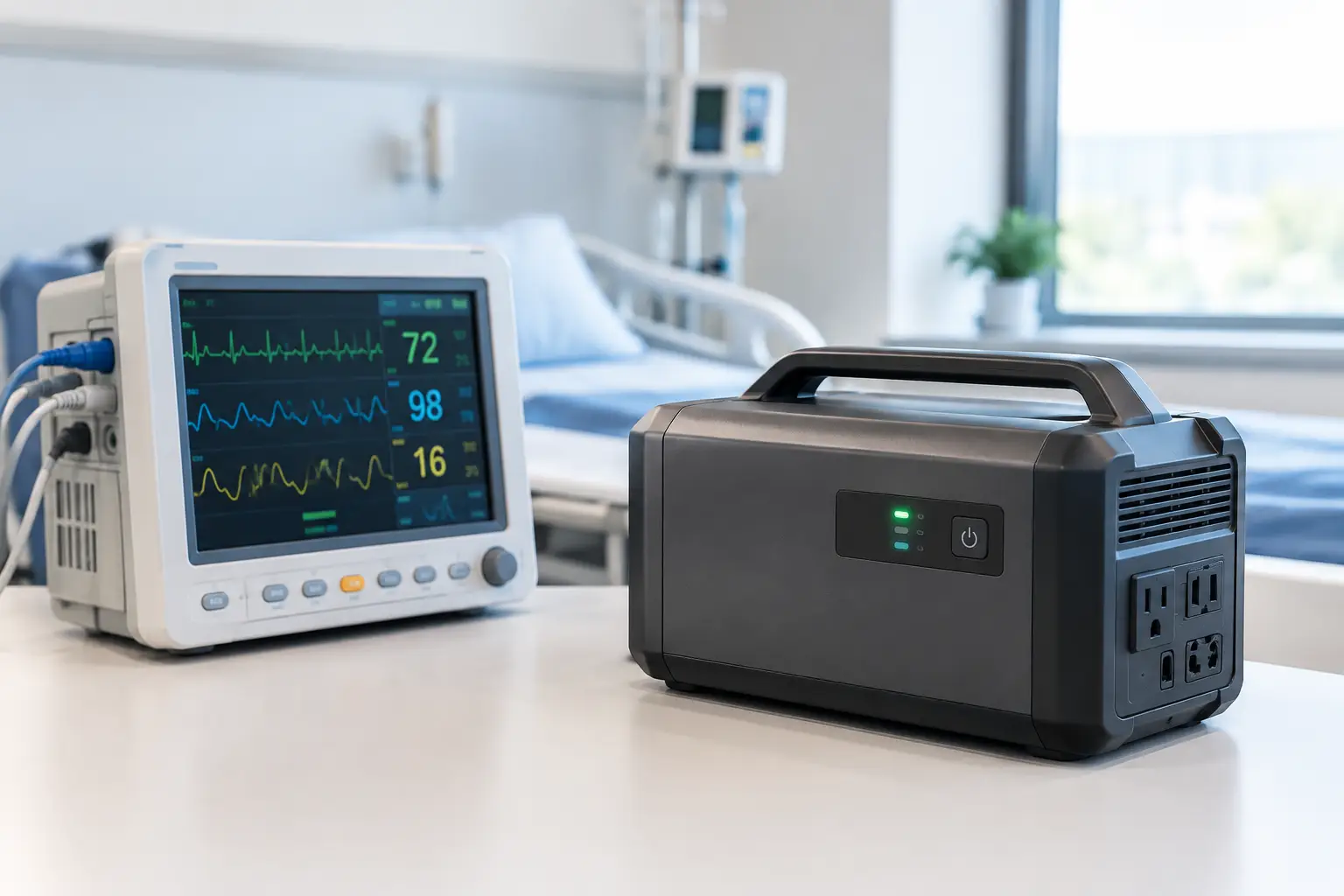
For a medical office, that may mean refrigeration, lighting, security, network equipment, and critical clinical devices. A restaurant may prioritize walk-in coolers, freezers, ventilation, POS equipment, and a limited kitchen load. For a warehouse, loading doors, emergency lighting, communications, security, and selected HVAC systems may be the essentials.
Put a real dollar value on downtime when possible. Include lost sales, damaged inventory, payroll for idle staff, missed production, data loss, customer disruption, and the cost of reopening after an unplanned shutdown. This makes the investment easier to evaluate and helps prevent a common mistake: purchasing the smallest generator possible rather than the generator the operation actually needs.
Define Critical Loads Before Sizing Equipment
The most reliable way to control project cost is to clearly separate critical loads from convenient loads. A standby generator does not always need to power every circuit in the building. In many facilities, a properly designed emergency distribution panel protects essential operations while leaving noncritical equipment offline.
Your electrical assessment should account for connected loads, running loads, and starting loads. Motors found in compressors, pumps, air handlers, elevators, and refrigeration equipment can require significantly more power to start than to run. Ignoring those starting demands can cause voltage drops, nuisance shutdowns, or a generator that cannot carry the load when it matters most.
Consider these questions during planning:
- Which equipment must remain on immediately for safety, revenue, security, or regulatory reasons?
- Which loads can be manually managed or delayed until the generator is stable?
- Are there large motor loads that need staged startup or specialized controls?
- Will future renovations, added equipment, or business growth increase the required capacity?
A professional load calculation should be based on your actual electrical system and operating requirements, not a quick estimate from square footage. Oversizing has a cost, but undersizing can leave critical systems unprotected. The right answer depends on how your business operates during an outage.
Choose the Fuel Strategy That Fits Your Risk
Fuel availability often determines whether a backup system can support a short interruption or a prolonged utility outage. Natural gas is a practical choice for many commercial sites because it does not require on-site refueling under normal conditions. Where dependable natural gas service is available, it can support extended runtime without fuel deliveries.
Diesel is common for larger commercial applications and can offer high output in a compact footprint. However, it requires fuel storage, fuel-quality management, periodic testing, and a plan for refueling during a regional emergency. Propane can also be a strong option where natural gas is unavailable, but tank capacity must be sized around realistic runtime expectations.
Do not treat runtime as an afterthought. A generator that runs for only a few hours may be enough for a facility that can close safely and reopen quickly. A business supporting refrigerated goods, essential services, remote operations, or continuous production may need a fuel plan that supports multiple days. Your backup-power contractor should discuss fuel consumption at expected load levels, tank placement, supplier access, and local site requirements before installation begins.
Plan the Site, Electrical Work, and Permits Together
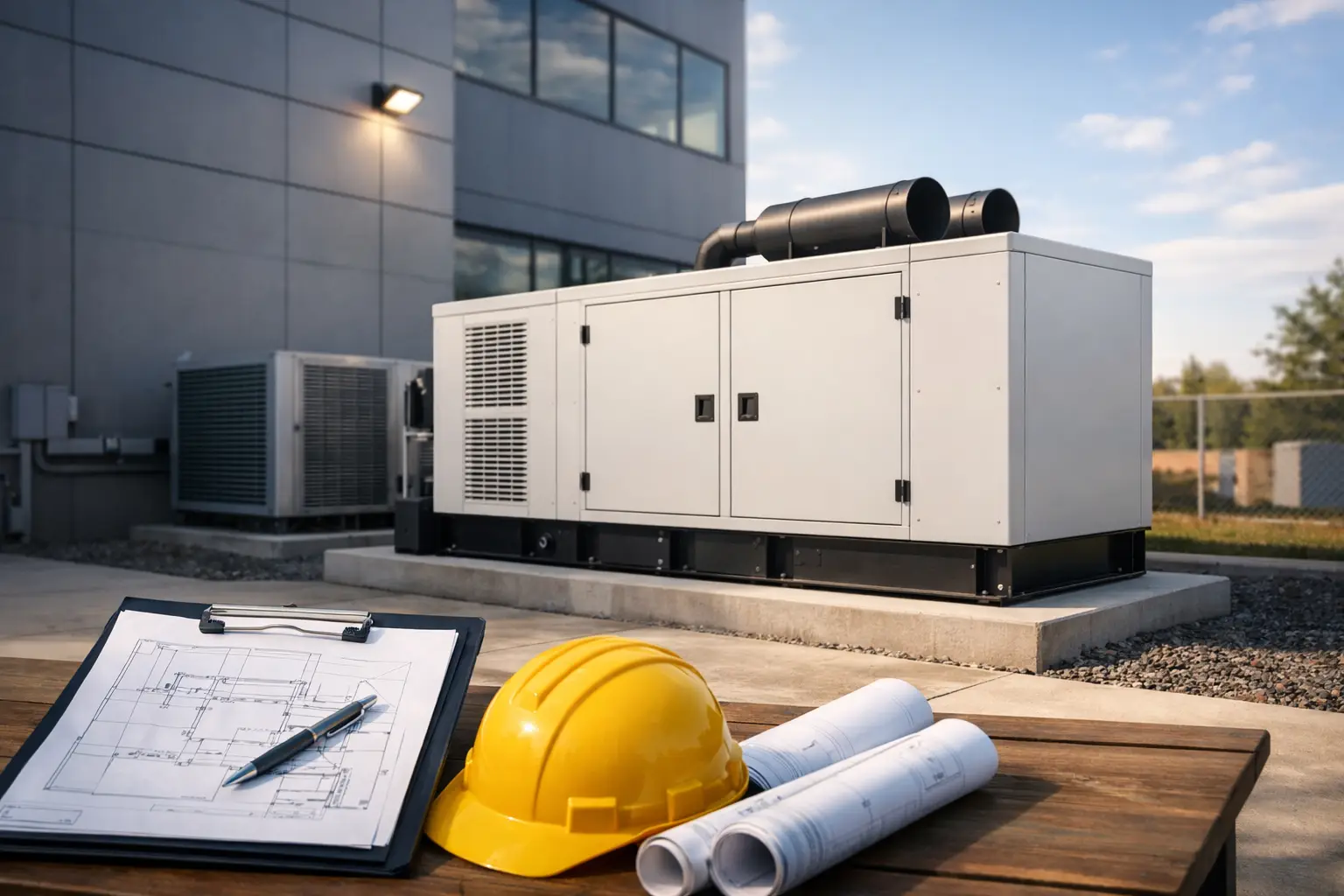
The generator location affects noise, service access, ventilation, fuel routing, electrical trenching, and compliance. A unit cannot be placed wherever there is open ground. Setback requirements, clearances from doors and windows, property lines, utility equipment, combustible materials, and air intakes must all be considered.
The transfer switch deserves equal attention. This device detects a utility outage, starts the generator, and transfers selected loads to backup power. Its location and configuration influence how quickly critical systems are restored and which circuits are protected. For businesses with complex electrical service, the project may also require switchgear modifications, load-shedding controls, or coordination with building management.
Permitting and utility coordination can add time to a commercial project, particularly when gas service upgrades or electrical changes are involved. Skipping steps to move faster usually creates a bigger delay later, along with unnecessary liability. A qualified installer should manage the process, use licensed trades, and ensure the system is installed to applicable electrical, building, fuel, and fire requirements.
Build for Automatic Operation, Not Emergency Scrambling
When the utility fails, staff should not have to find extension cords, start equipment manually, or decide what can stay on while customers wait. An automatic standby generator monitors utility power and starts on its own when an outage occurs. After a short delay, the transfer switch moves approved loads to generator power.
That automation is valuable only if the system is tested under conditions that reflect real use. Commissioning should verify generator startup, transfer switch operation, load performance, alarms, safety shutdowns, and return-to-utility operation. Staff should know what the system will power, what it will not power, and who to call if an alarm appears.
Remote monitoring is worth considering for locations that are unattended overnight, spread across multiple sites, or dependent on continuous operation. It can alert the service team to battery issues, warning codes, exercise failures, and other developing problems before a storm puts the system to the test.
Make Maintenance Part of the Purchase Decision
A standby generator can sit quietly for months, which is exactly why it needs professional care. Batteries weaken, fluids age, connections corrode, fuel can degrade, and small alarms can become major failures if nobody is watching. The unit may start during its scheduled exercise but still struggle when carrying real load.
A commercial maintenance plan should include scheduled inspections, exercise verification, battery testing, fluid and filter service at appropriate intervals, fuel-system checks where applicable, and documented load testing. The right schedule depends on generator type, runtime, environment, local requirements, and the consequences of failure.
Before choosing an installer, ask who will support the system after startup. Will the same company provide maintenance? Are trained technicians available for repairs? Is there a clear process for emergency service during an outage? Low upfront pricing can become expensive when the original installer is unavailable and another provider must diagnose unfamiliar work.
GenTek Power approaches standby power as a long-term protection plan, handling the details from site assessment and system design through installation, testing, maintenance, and ongoing support. That continuity matters because the value of a generator is proven years after installation, not on the day the equipment arrives.
A Better Commercial Standby Generator Planning Guide Starts Early
The best time to plan backup power is before your business is forced to operate without it. Early planning gives you time to assess loads carefully, address permit requirements, choose a fuel strategy, and install a system without the pressure of a recent loss.
If an outage would put your people, inventory, revenue, or reputation at risk, start with a professional site evaluation. A clear plan now gives your business a far better chance of staying safe, open, and in control when utility power does not.