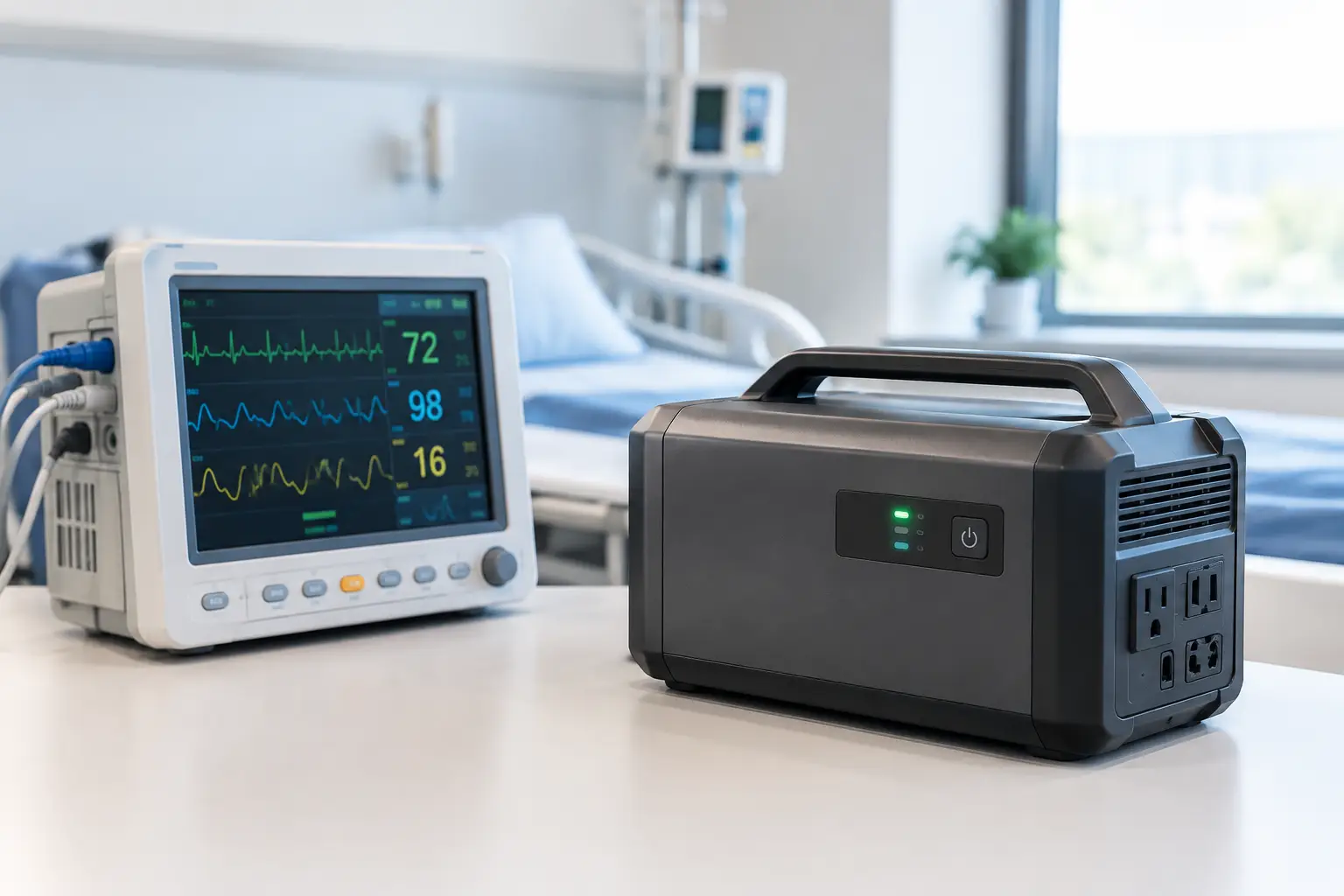
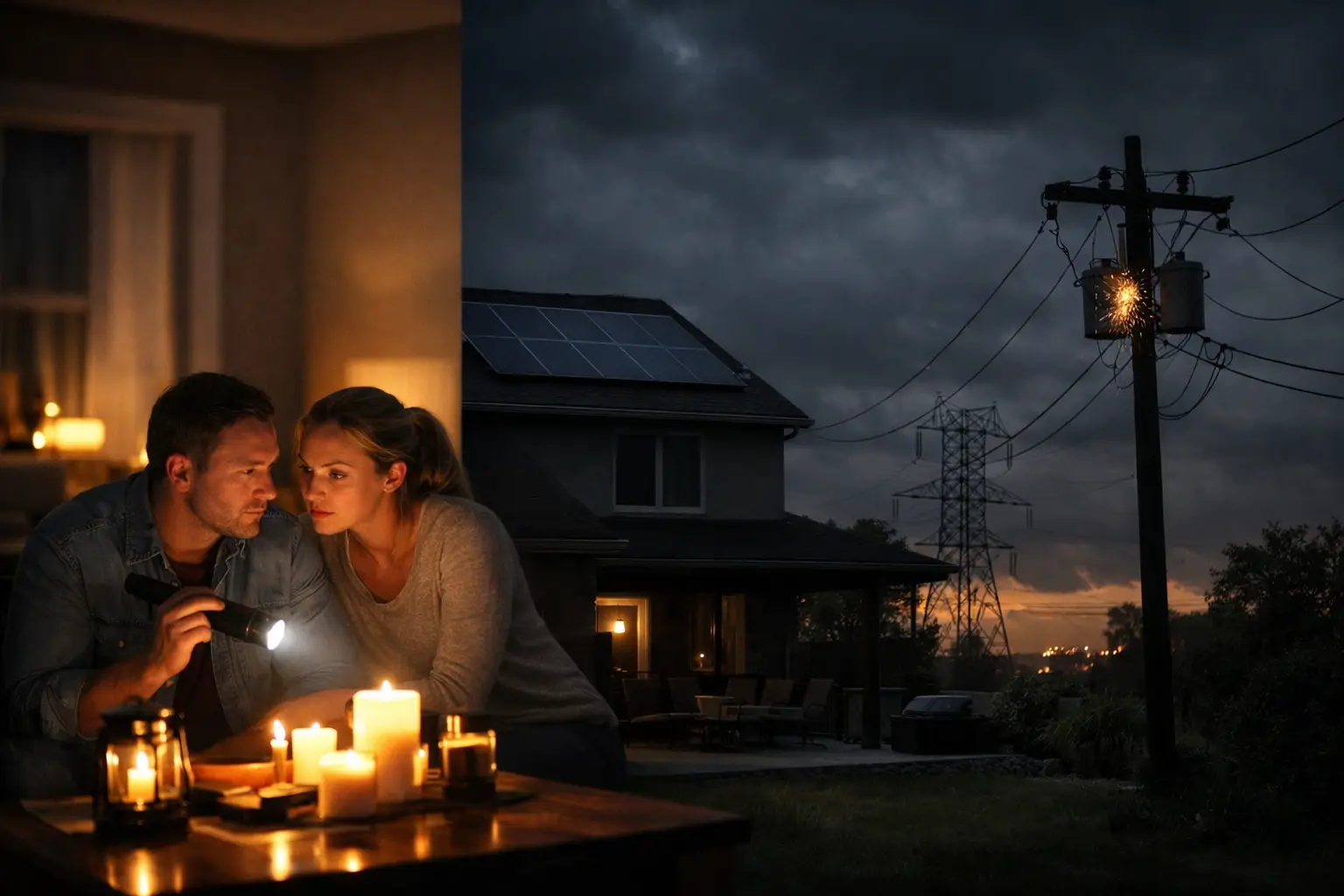
A power outage used to feel like a short-term inconvenience: find flashlights, wait for the lights to return, and reset a few clocks. For many households and businesses, that assumption no longer holds. Grid outage trends point to a more disruptive reality, where weather events, aging equipment, rising demand, and local utility issues can leave people without power long enough to affect safety, comfort, work, inventory, and critical systems.
That does not mean every outage will last for days, or that every property needs the same backup plan. It does mean preparation deserves more thought than a few battery-powered lanterns. A professionally designed standby generator can keep the systems that matter running automatically, without forcing your family or team to make decisions in the dark.
Why Grid Outage Trends Matter More Than Ever
The electric grid is a complex network of generation facilities, transmission lines, substations, distribution equipment, and local service connections. An outage can begin far from your property or right outside it. A severe storm may damage a regional transmission line, while a fallen tree, failed transformer, vehicle collision, or equipment fault can interrupt service to one neighborhood.
For homeowners, the consequences are immediate. Refrigerated food begins to spoil, sump pumps stop, internet service drops, heating or air conditioning may be unavailable, and well pumps may not run. Families with medical equipment, young children, elderly relatives, or work-from-home responsibilities face even higher stakes.
For a business, a few hours without power can mean closed doors, lost sales, disrupted payments, damaged product, missed service commitments, or a costly restart. Restaurants, offices, retail operations, healthcare-related facilities, property managers, and businesses with temperature-sensitive inventory all have different vulnerabilities. The common issue is simple: when utility power fails, operations do not pause without consequences.
What Is Driving More Concern About Outages?
Weather remains one of the most visible causes. High winds, ice, heavy rain, flooding, lightning, heat waves, and wildfire conditions can damage infrastructure or force utilities to take protective actions. The impact depends on the event, the local grid, tree coverage, access for repair crews, and how widespread the damage is.
Aging infrastructure is another concern. Much of the country relies on equipment that has been in service for decades. Utilities continually inspect, replace, and upgrade components, but large-scale improvements take time and significant investment. One failed piece of equipment can still affect a large number of customers.
Demand also places pressure on the system. More homes rely on electric heating and cooling, smart devices, home offices, electric vehicle charging, and connected appliances. During periods of extreme heat or cold, demand can rise sharply. Utilities plan for these conditions, but peak demand can expose weak points and make outages more challenging to manage.
Finally, restoration is not always predictable. A local outage caused by a simple equipment issue may be resolved quickly. A regional storm affecting roads, poles, trees, and transmission infrastructure can take much longer. The uncertainty is often as difficult as the outage itself. You may not know whether power will return in thirty minutes or the next day.
The Difference Between an Outage Plan and Real Backup Power
Many people prepare for outages with portable generators, extension cords, bottled water, and phone batteries. Those steps can help, but they are not the same as an integrated backup power solution.
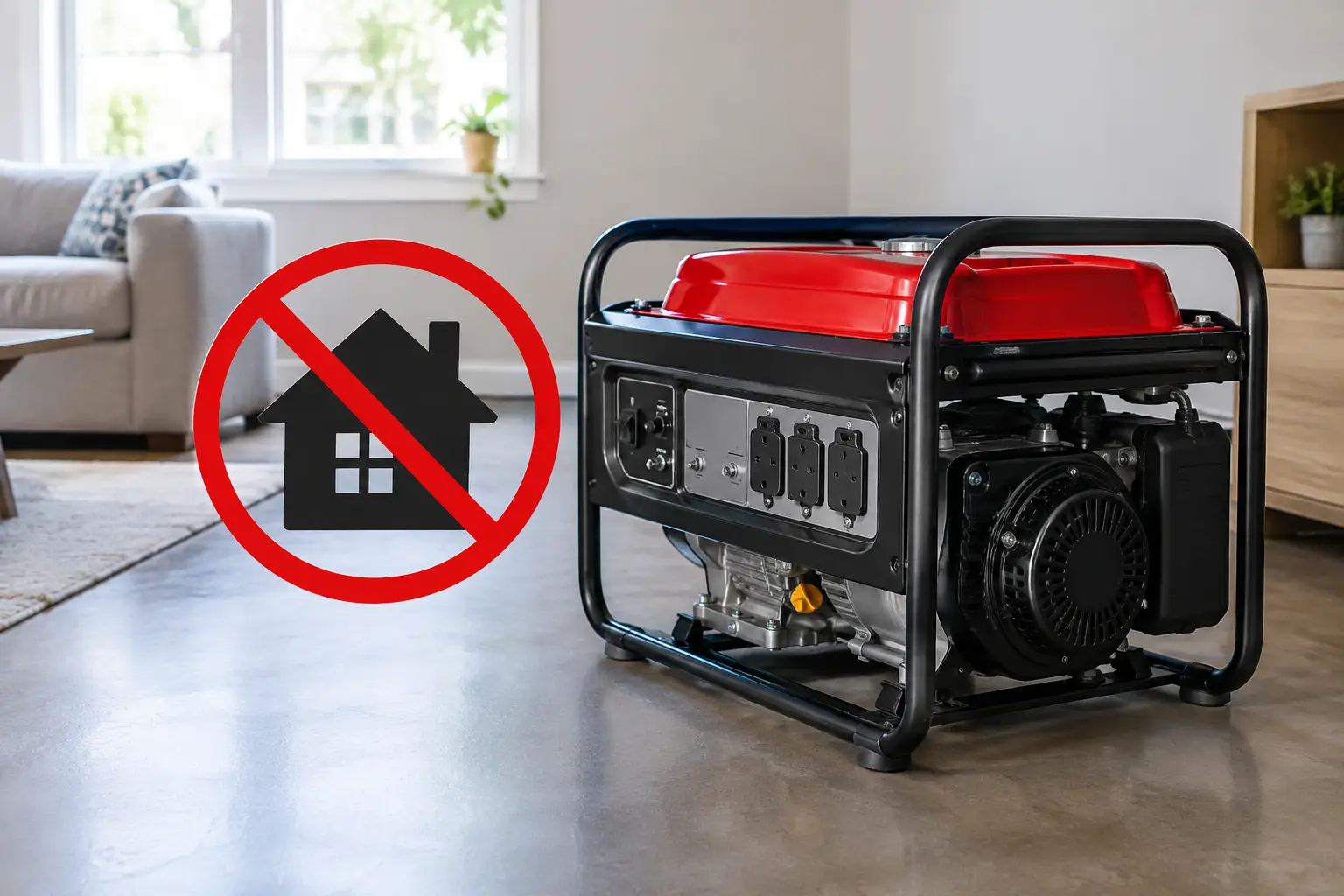
A portable generator requires manual setup, safe outdoor placement, refueling, cord management, and careful load planning. It may support a few selected appliances, but it generally will not restore normal operation throughout the property. It also creates risk when used improperly. Portable generators must never run indoors, in a garage, or near doors, windows, or vents because carbon monoxide can be deadly.
A standby generator is permanently installed outside the home or business and connected through an automatic transfer switch. When utility power fails, the system detects the interruption, starts the generator, and transfers the electrical load automatically. When utility power is restored and stable, the system transfers back and shuts down after a cooldown period.
That difference matters at 2:00 a.m., while you are away, or when an outage begins during severe weather. You do not have to pull a generator from storage, manage extension cords, or decide which appliances can run. The system is designed to respond whether you are home or not.
How to Prepare for Grid Outage Trends Without Overbuying
The right generator is not always the largest unit available. Proper sizing starts with how you need the property to function during an outage. Some homeowners want essential circuits covered, such as refrigeration, lighting, internet, a furnace, a sump pump, and a few outlets. Others want whole-home protection that can support central air conditioning, electric appliances, well pumps, and connected home systems.
Commercial planning follows the same principle, but the conversation starts with business continuity. Which equipment must remain online? What creates the greatest financial or safety risk if it shuts down? Are there code-required emergency loads, refrigeration systems, servers, access controls, pumps, security equipment, or production processes to consider?
A qualified contractor evaluates the electrical load, service capacity, fuel source, site conditions, local requirements, and generator placement. This assessment prevents two expensive mistakes: installing a generator that cannot carry the required load or paying for oversized capacity that does not match the property’s actual needs.
Fuel availability is equally important. Natural gas is a convenient option where service is available and properly sized. Propane can provide reliable long-term storage, but tank capacity and refill planning matter during extended outages. The best choice depends on your property, local utility infrastructure, expected loads, and how long you want to operate independently.
Installation Quality Determines Whether the System Performs
A generator is only as dependable as its installation. The equipment must be correctly sized, placed, wired, fueled, tested, and maintained. Permitting, utility coordination, electrical code compliance, gas work, site clearances, and transfer-switch installation are not administrative details. They are part of building a system that will work safely when utility power disappears.
Low-cost quotes can leave out critical work or assume conditions that do not exist at the site. That may lead to change orders, permit problems, unreliable performance, or a contractor who is difficult to reach once the installation is complete. A clear proposal should explain what is included, what assumptions are being made, and who is responsible for the process from start to finish.
At GenTek Power, that means treating standby power as a long-term service relationship, not a one-day equipment sale. Professional installation, commissioning, owner orientation, and dependable after-install support all matter when the system is protecting your home or business.
Maintenance Is Part of Being Ready
Standby generators exercise automatically, but an exercise cycle is not a substitute for professional maintenance. Like any engine-driven system, a generator needs regular inspection and service. Oil, filters, battery condition, electrical connections, fuel supply, control settings, and system operation all need attention over time.
Maintenance becomes even more important after a generator has carried a significant outage load. A trained technician can inspect the system, confirm that it is ready for the next event, and address small issues before they become failures. Remote monitoring can add another layer of confidence by reporting operating status and alerts before a homeowner discovers a problem during an emergency.
There is a trade-off to consider. Essential-load backup can cost less and meet the needs of many properties. Whole-home or full-building coverage provides greater continuity and convenience, but requires more capacity and investment. The right choice depends on what you cannot afford to lose when the grid goes down.
A Better Question Than “Will the Power Go Out?”
No contractor can predict the exact date or duration of your next outage. The more useful question is what happens at your property when it does. Will your basement stay dry? Will your food remain safe? Can your family stay warm or cool, stay connected, and use critical medical equipment? Can your business protect its inventory, serve customers, and reopen without a costly scramble?
Backup power is not about assuming the worst every day. It is about removing uncertainty from an event that can quickly become stressful and expensive. A properly planned standby generator gives you a clear answer when the lights go out: your essential systems are protected, and you have a professional team behind the equipment long after installation day.