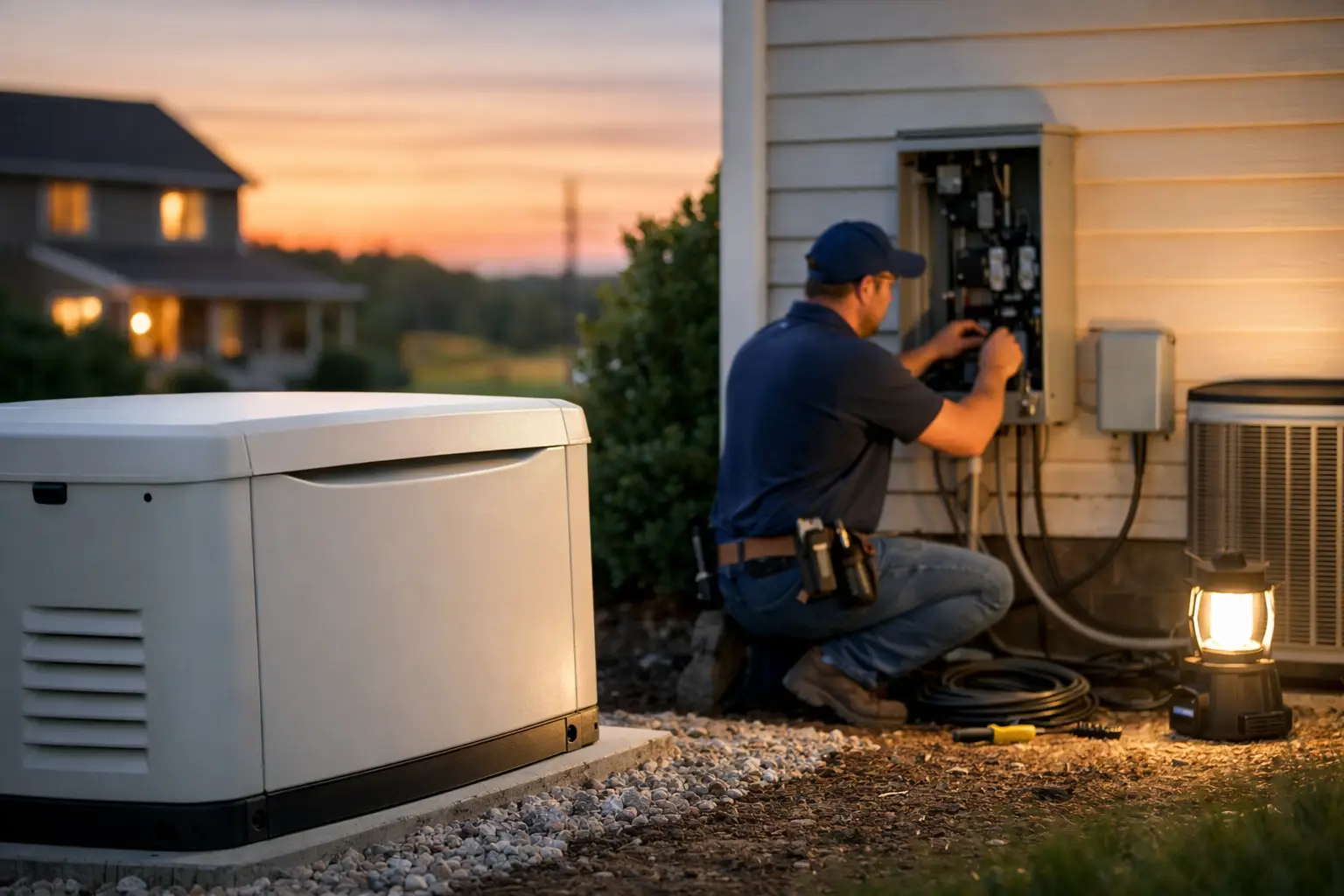
A standby generator is supposed to take uncertainty out of an outage. When the lights go out, your heat or air conditioning, refrigeration, internet, security systems, and critical equipment should keep running without a scramble for extension cords. That outcome depends on far more than buying the right unit. Professional generator installation is the work that turns backup power equipment into a dependable protection system.
For homeowners, that can mean keeping a family safe and comfortable through a storm, preserving food, supporting medical equipment, and staying connected for work. For businesses, it can mean protecting inventory, preventing lost revenue, maintaining security, and keeping essential operations moving. The difference between a generator that starts and a backup system you can trust comes down to planning, workmanship, code compliance, and support after installation day.
A Generator Is Only as Good as Its Installation
A standby generator is part of a larger system. It needs the right electrical connection, a properly sized transfer switch, a safe fuel supply, correct placement, reliable controls, and thorough testing. If any one of those pieces is treated as an afterthought, the system may not perform as expected when an actual outage occurs.
Low-price installation quotes can be tempting, especially when power has already been unreliable. But a quote that leaves out permitting, electrical upgrades, gas work, site preparation, startup testing, or future service often creates a more expensive problem later. The goal is not simply to place a generator beside the house or building. The goal is to deliver safe, automatic power when normal utility service fails.
That is why a professional installer begins by understanding what must stay on during an outage, not by pushing a generator size before asking the right questions.
Generator Installation Starts With the Right Load Plan
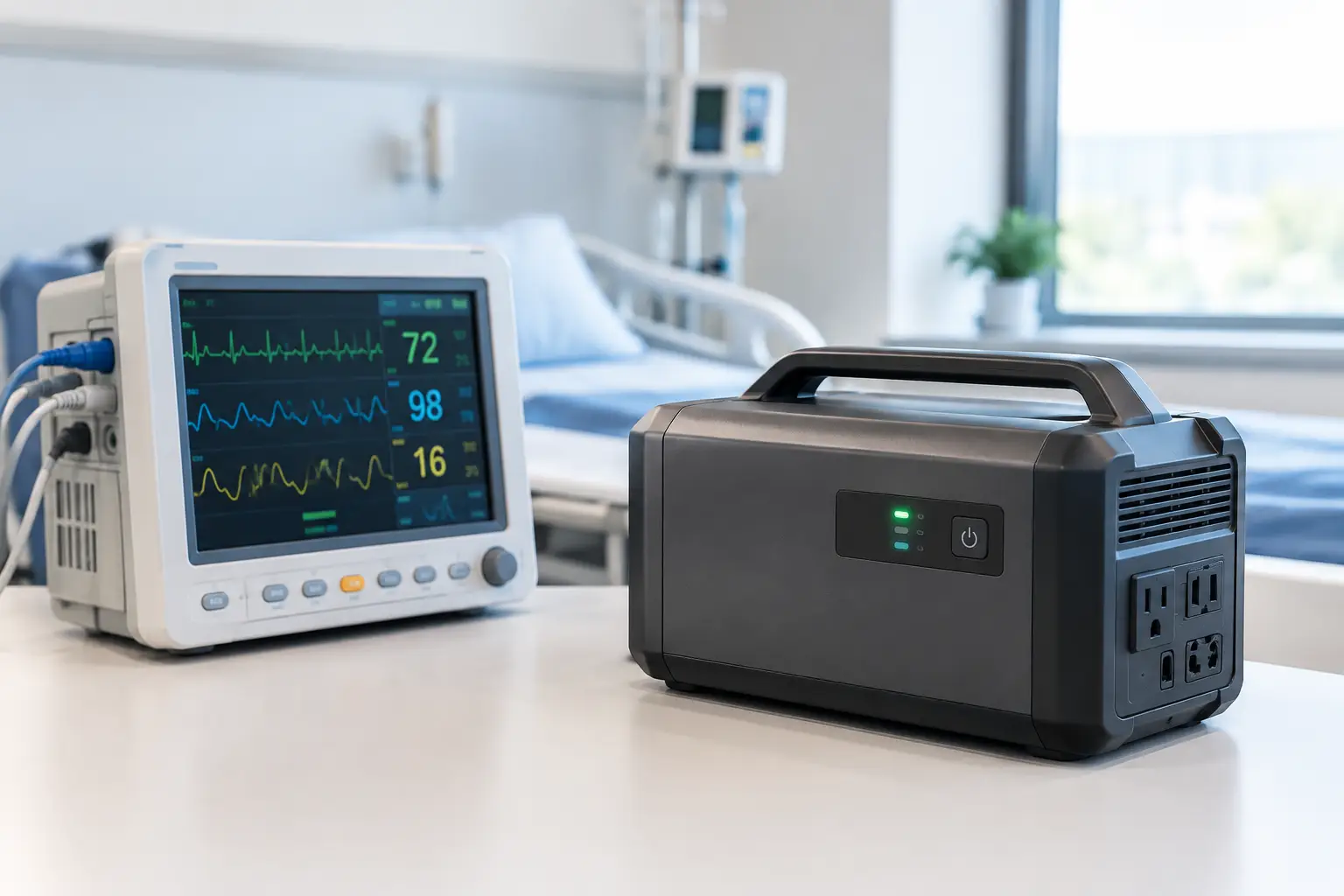
The first major decision is determining what the system needs to power. Some properties need whole-home coverage. Others are best served by protecting selected circuits, such as the furnace, sump pump, refrigerator, lighting, internet equipment, security system, and a few essential outlets. Businesses may prioritize refrigeration, point-of-sale systems, server rooms, access control, production equipment, or life-safety systems.
There is no single generator size that fits every property. A system that is too small can overload when high-demand equipment starts. A system that is unnecessarily large may increase equipment, fuel, and installation costs without providing meaningful value. Proper sizing considers both the electrical load you expect to run and the surge demand created by motors, compressors, pumps, and HVAC equipment.
A careful assessment should account for factors such as:
- The appliances, circuits, and equipment that must operate during an outage
- Whether you want essential-load coverage or whole-property backup
- Heating and cooling equipment, including startup demand
- Existing electrical service capacity and panel configuration
- Fuel availability, runtime expectations, and future expansion plans
This planning stage is where homeowners and business owners gain clarity. Instead of guessing what will work, you receive a recommendation built around the way your property actually operates.
Site Planning Protects Safety, Access, and Performance
Where a generator sits matters. Local codes and manufacturer requirements establish clearance distances from doors, windows, vents, combustible materials, property lines, and other structures. The equipment also needs a stable base, adequate airflow, drainage, and access for technicians to perform maintenance and repairs.
A rushed installation can create problems that are easy to miss at first. Poor location choices may expose the unit to water runoff, restrict service access, create excessive noise concerns, or fail inspection. Fuel lines and electrical conduits must also be routed cleanly and protected appropriately. These details are not cosmetic. They affect safe operation and long-term reliability.
For commercial properties, site planning often requires additional coordination. Generator placement may affect parking, deliveries, noise management, safety routes, and access to critical electrical rooms. A qualified team evaluates these issues before equipment arrives, reducing disruption and preventing costly changes midway through the project.
Permits and Utility Coordination Are Part of the Job
Generator work commonly involves electrical permits, inspections, and, depending on the fuel source and local requirements, plumbing or gas permits. Some installations also require coordination with the utility, particularly when equipment changes affect the electrical service or meter area.
Skipping those steps can put a property owner at risk. An unpermitted or improperly installed system may fail inspection, compromise insurance coverage, create safety concerns, or cause trouble when the property is sold. It can also leave you without clear accountability if something goes wrong during an outage.
A turnkey installation partner manages the details that customers should not have to chase down themselves. That includes reviewing applicable requirements, preparing the work properly, scheduling inspections, and making sure the final system meets the standards expected for the property and equipment.
The Transfer Switch Is What Makes Backup Power Automatic
The transfer switch is the control center of an automatic standby power system. It senses a utility failure, signals the generator to start, disconnects the property from the utility source, and transfers selected loads to generator power. When utility power returns and stabilizes, it transfers the property back and shuts the generator down after its cooling cycle.
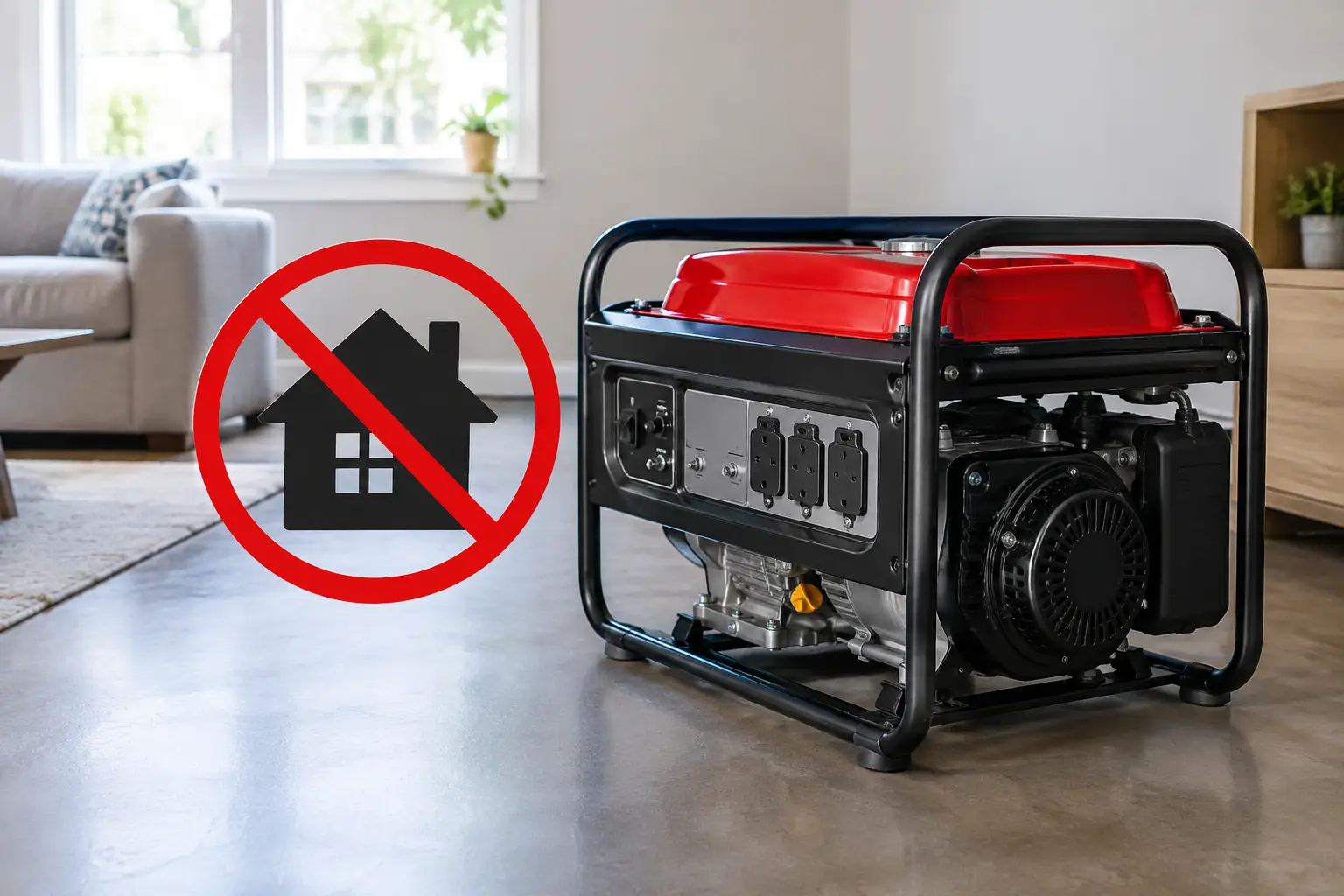
This process protects utility workers, your electrical system, and the generator itself. A generator should never backfeed power into utility lines through an improvised connection. That practice is dangerous, can damage equipment, and is not a substitute for a professionally installed transfer switch.
The transfer switch also shapes your backup strategy. Whole-home systems generally use service-rated equipment designed to manage the entire electrical service. Essential-load systems may use a dedicated panel that supplies only selected circuits. Both approaches can be effective. The right choice depends on your priorities, budget, electrical layout, and the level of outage protection you expect.
Testing Is the Moment of Truth
An installation is not complete when the generator is bolted down and wired. It is complete when the system has been commissioned and tested under realistic conditions. The technician should confirm that the generator starts automatically, the transfer switch operates correctly, protected loads receive power, and the system returns to utility power as designed.
This is also the time to review the owner controls, maintenance alerts, fuel considerations, and what you should expect during an outage. You should not be left wondering whether the generator is operating normally or whether a warning light needs attention.
At GenTek Power, the focus is on managing the full process so customers are not left coordinating electricians, fuel contractors, inspections, and service calls on their own. That ownership matters most when the weather is bad and dependable power is no longer a convenience.
Ongoing Service Keeps the System Ready
A standby generator may sit quietly for months, but it is expected to perform immediately when utility power fails. Like any critical mechanical system, it needs regular attention. Maintenance typically includes inspecting the engine and battery, checking fluid levels, replacing filters as needed, reviewing fault history, testing automatic operation, and confirming that connections remain secure.
Remote monitoring can add another layer of confidence by notifying the service team of faults, missed exercise cycles, or operating issues before the next outage. It is especially valuable for vacation homes, properties with medical needs, and businesses where downtime has a direct financial cost.
Ask any installer a simple question before you sign: who will support this system after it is installed? A dependable answer should include scheduled maintenance, access to trained technicians, warranty support, and a clear path for emergency service. The lowest initial price has little value if no one answers when the generator fails to start.
What to Expect From a Professional Installation Process
A well-managed project should feel clear from the beginning. After an on-site assessment and load discussion, you should receive a transparent scope that identifies the equipment, installation work, fuel connection, electrical work, permitting expectations, and any site-specific considerations. If upgrades are needed, they should be explained before work begins, not introduced as a surprise after equipment is delivered.
Installation timing depends on equipment availability, permit turnaround, site conditions, fuel work, and the complexity of the electrical system. A simple residential project may move quickly, while a larger commercial installation can require more design and coordination. Faster is not always better if it means skipping the work that makes the system safe and dependable.
When you invest in standby power, choose a team that treats the installation as the beginning of a long-term service relationship. The right system should give you more than electricity during an outage. It should give you the confidence that your home or business has a plan when the grid does not.