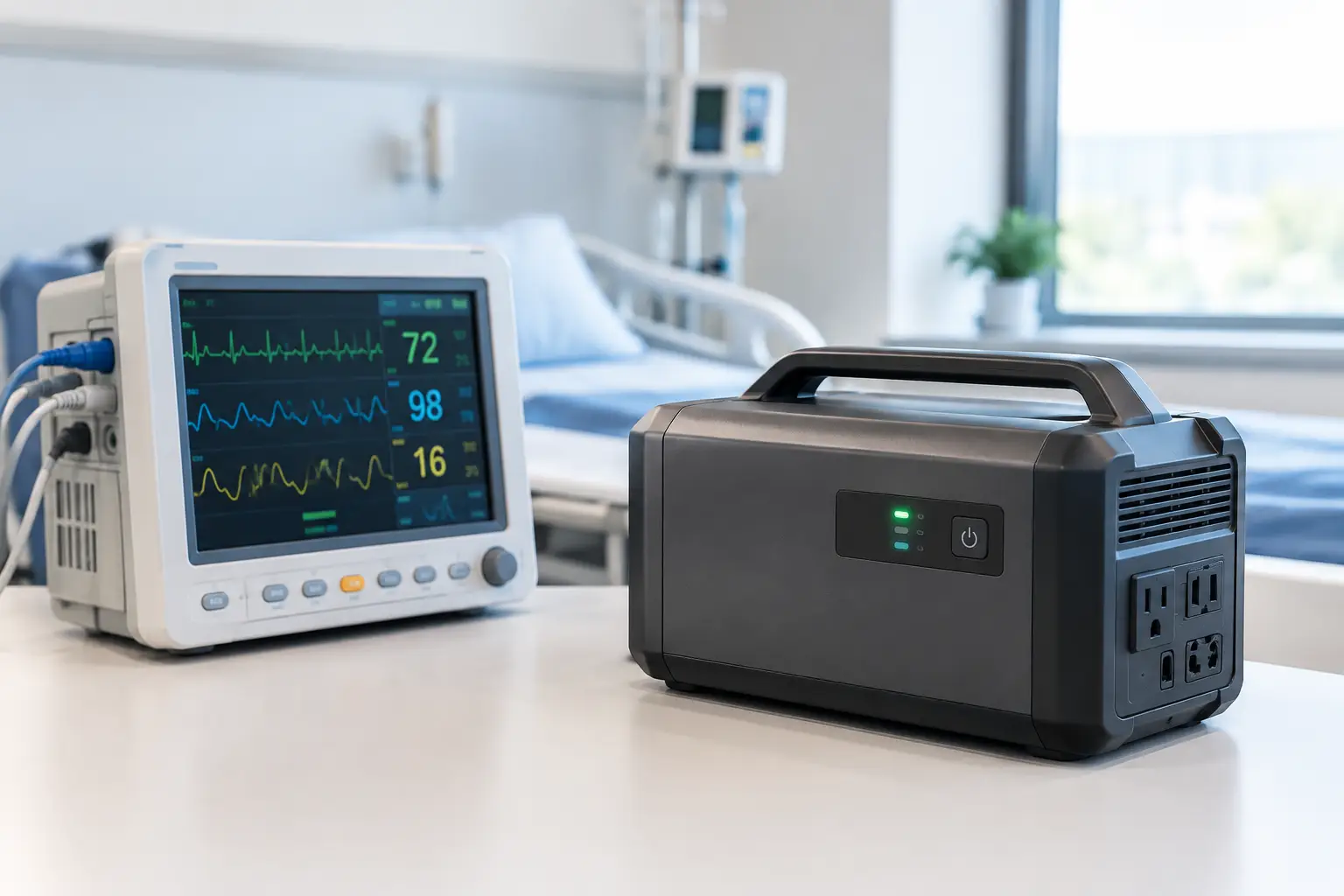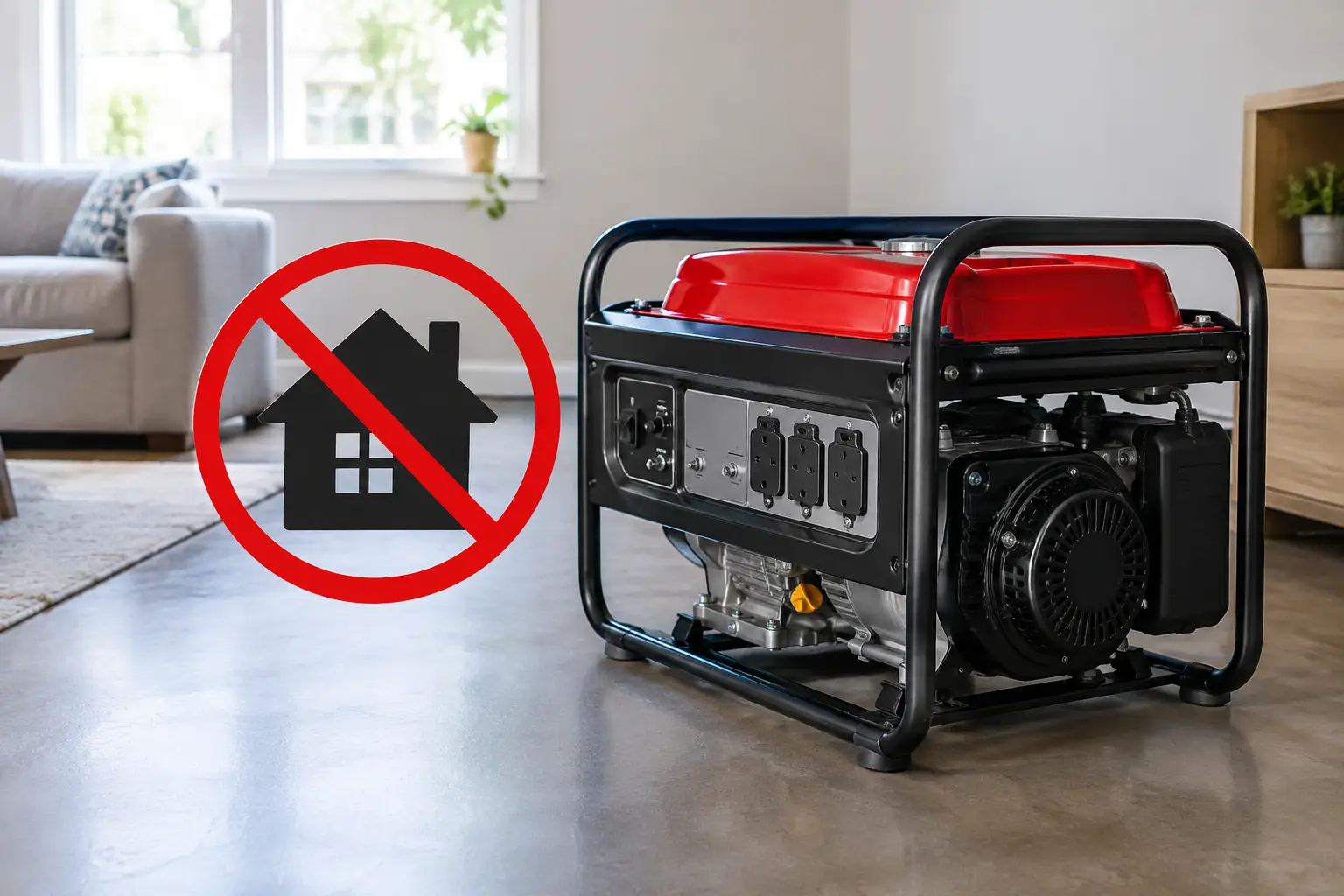
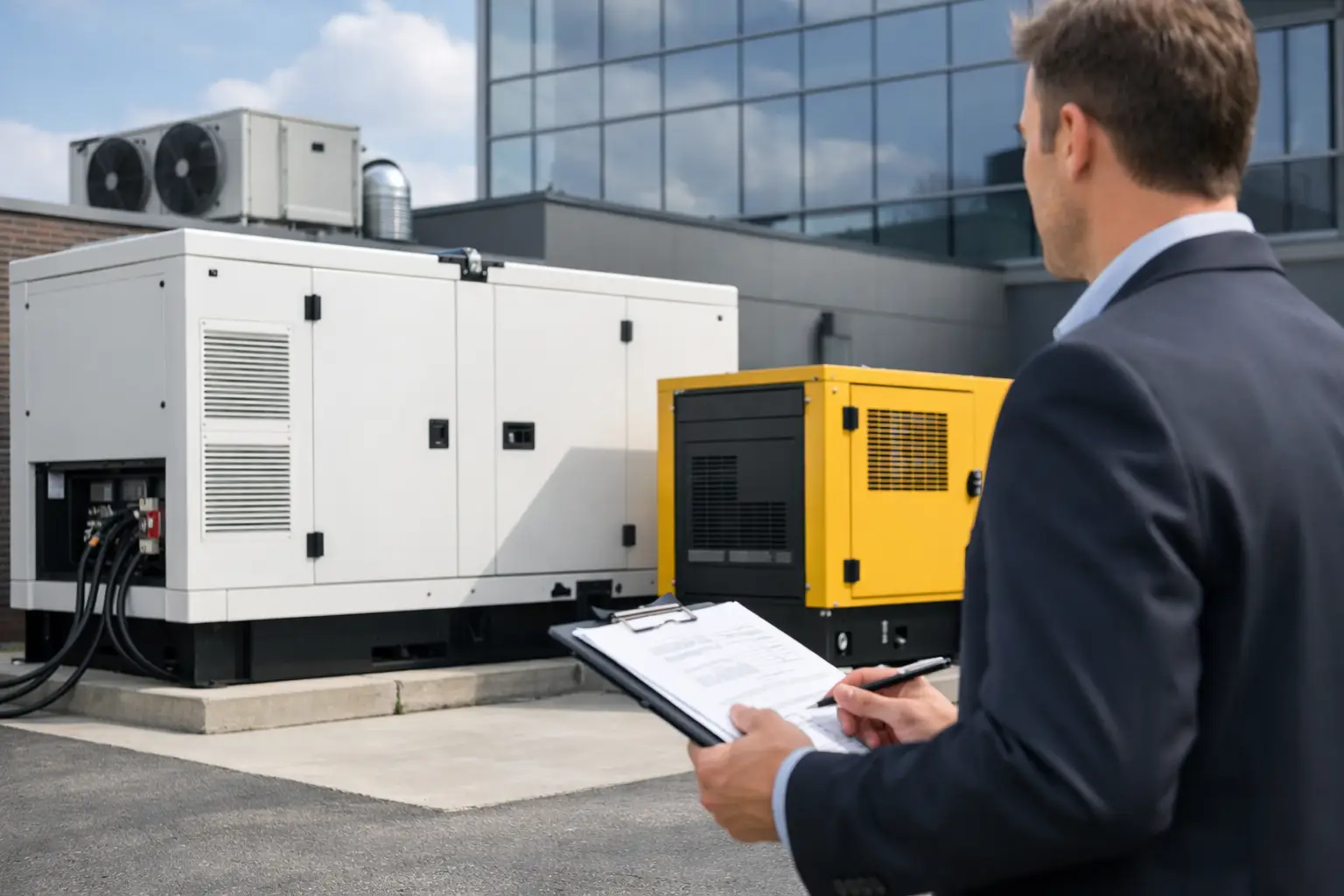
A power outage does not affect every business the same way. For one operation, it means a few hours of inconvenience. For another, it can mean lost inventory, interrupted production, closed doors, damaged equipment, missed customer commitments, or a serious safety concern.
That is why the right answer to what size generator for business is not a single number. A properly sized standby generator must support the systems your business truly needs, handle the momentary surge when motors start, and leave enough capacity for dependable operation when an outage lasts longer than expected.
Choosing a generator based on square footage alone or a neighbor’s recommendation can leave you with an expensive system that either cannot carry critical loads or is much larger than your operation requires. The goal is not simply to buy more generator. It is to build a backup power plan that protects your business without unnecessary cost or risk.
Start With What Must Stay On
The first sizing question is straightforward: what must continue operating during an outage?
For some businesses, that may be essential lighting, internet, point-of-sale equipment, security systems, refrigeration, and a few outlets. A medical office may need refrigeration for medications, specific clinical equipment, HVAC in select areas, and communications. A warehouse may prioritize loading equipment, alarm systems, office systems, and heat. A restaurant may need refrigeration, freezers, ventilation, lighting, point-of-sale systems, and selected kitchen equipment to avoid food loss and extended closure.
Not every electrical circuit needs to run. Separating critical loads from convenience loads is often the most practical way to manage generator size and project cost. If your facility has large electric heaters, multiple rooftop HVAC units, electric water heating, compressors, or production machinery, deciding which of those systems must operate is especially important.
A backup power consultation should begin with operational consequences, not equipment catalogs. Ask what happens after 15 minutes without power, then after four hours, then overnight. The answers reveal which loads are truly critical.
Calculate Running Load and Starting Load
Generators are typically rated in kilowatts, or kW. Your facility’s connected equipment may be labeled in watts, amps, volts, horsepower, or kVA, so a professional load calculation translates those values into a real generator requirement.
The running load is the power equipment needs while operating normally. Lighting, computers, network equipment, many electronics, and some refrigeration loads draw a relatively steady amount of power. Add the running wattage of the loads that will operate at the same time, not every device that happens to exist in the building.
Starting load is where many sizing mistakes happen. Motors in air conditioners, walk-in coolers, pumps, air compressors, exhaust fans, and some refrigeration equipment can require a much higher burst of power when they start. A generator that can support those loads once they are running may still struggle if several motors start together.
This is why a site assessment matters. An experienced generator contractor reviews nameplate data, electrical panels, existing service capacity, motor loads, and the way your equipment operates. In many cases, sequencing controls can prevent large loads from starting at the same moment. Soft starters or variable-frequency drives may also reduce startup demand for certain equipment. Those solutions can sometimes make a right-sized system possible without sacrificing the systems that protect your operation.
Use Demand, Not Guesswork
A business does not always use every connected circuit at full capacity. Demand is the portion of electrical load likely to operate simultaneously. Understanding demand prevents both under-sizing and costly over-sizing.
For example, an office may have dozens of workstations, but not every device will draw its maximum rated load at the same time. On the other hand, a commercial kitchen during service has predictable periods when refrigeration, ventilation, lighting, cooking equipment, and point-of-sale systems all run together. A professional sizing plan accounts for that reality.
Do not assume your normal utility bill provides the complete answer. Utility consumption data is useful, but it does not always show peak load, motor starting demand, or which systems need priority during a utility outage. It also cannot tell you whether your facility’s electrical distribution needs changes to safely connect a generator.
Build in Capacity for Real-World Conditions
A generator should not be selected so tightly that it runs at its limit whenever an outage occurs. Capacity margin gives the system room to handle changing loads, future equipment, and the normal operating conditions that occur during a storm or utility interruption.
The appropriate margin depends on the business. A small professional office with a stable set of critical loads may need less future capacity than a growing retail location adding refrigeration or a manufacturing facility expanding equipment. A generator is a long-term infrastructure investment, so growth plans deserve a place in the conversation.
That said, bigger is not automatically better. Oversizing can raise purchase, installation, fuel, and maintenance costs. It can also create challenges for generators that spend long periods operating far below their intended load, particularly in some diesel applications. The best system balances present needs, likely growth, fuel source, and the specific equipment it will support.
Consider Fuel and Runtime Early
Generator size affects fuel use, and fuel availability affects the backup plan. Natural gas is often a strong option where utility gas service is reliable and available at sufficient pressure. It avoids on-site refueling during a prolonged outage, but the gas supply and piping must be properly evaluated.
Propane offers reliable on-site fuel storage and is common where natural gas is unavailable. The tank size should be selected with expected runtime in mind, especially for businesses that need protection through multi-day outages.
Diesel generators can be a practical choice for larger commercial applications and certain duty requirements. They require a fuel management plan, including fuel storage, testing, and refueling arrangements. The right choice is not just about generator capacity. It is about how confidently your business can keep that generator running when local conditions are difficult.
The Transfer Switch Is Part of the System
A standby generator is not simply a unit outside the building. It needs an automatic transfer switch and properly designed electrical distribution to detect an outage, start the generator, and transfer selected loads safely.
The transfer switch may serve the entire facility or a dedicated emergency panel containing only critical circuits. For more complex operations, controls may prioritize loads or shed nonessential equipment when demand rises. This design work directly affects generator size. A well-planned critical-load system may provide better continuity than an oversized generator connected without a clear load strategy.
Permitting, utility coordination, gas work, electrical code requirements, placement, noise considerations, and clearance rules also affect the final project scope. These are not details to sort out after a generator has been purchased. They influence what can be installed safely and how the system will perform when it is needed.
Common Business Generator Size Ranges
There is no universal chart that can replace a site-specific calculation, but broad ranges can help frame the conversation. Small offices, retail spaces, and service businesses protecting selected essentials may fall in the 20 kW to 60 kW range. Larger retail operations, restaurants, medical offices, and facilities with significant refrigeration or HVAC loads may require 60 kW to 150 kW or more.
Warehouses, multi-tenant commercial buildings, manufacturing facilities, and operations with large motors or extensive critical equipment may need systems above 150 kW. These ranges overlap for a reason: two businesses with the same floor area can have completely different electrical demands.
A 5,000-square-foot office and a 5,000-square-foot restaurant are not comparable generator projects. Neither are two warehouses where one stores dry goods and the other relies on refrigerated inventory. Load type matters more than the size of the building alone.
A Better Way to Size Your Business Generator
A dependable recommendation comes from a process that accounts for your actual operation. It should include a review of critical equipment, electrical service and panels, motor starting requirements, desired runtime, fuel options, transfer switch design, local permitting requirements, and growth plans.
Before a consultation, it helps to gather recent utility information, a list of equipment that cannot go down, and any known plans for expansion. You do not need to know every electrical specification. A qualified team can inspect the site, verify the details, and explain the recommendation in plain language.
At GenTek Power, the focus is not on selling a number pulled from a generic calculator. It is on designing a standby power system that starts automatically, supports the loads your business depends on, and remains serviceable long after installation. That includes professional planning, installation, testing, maintenance, and support when outages put your operation to the test.
The right generator should give your team a clear answer when the lights go out: essential work can continue, critical equipment is protected, and you have a qualified partner responsible for the system behind the power.