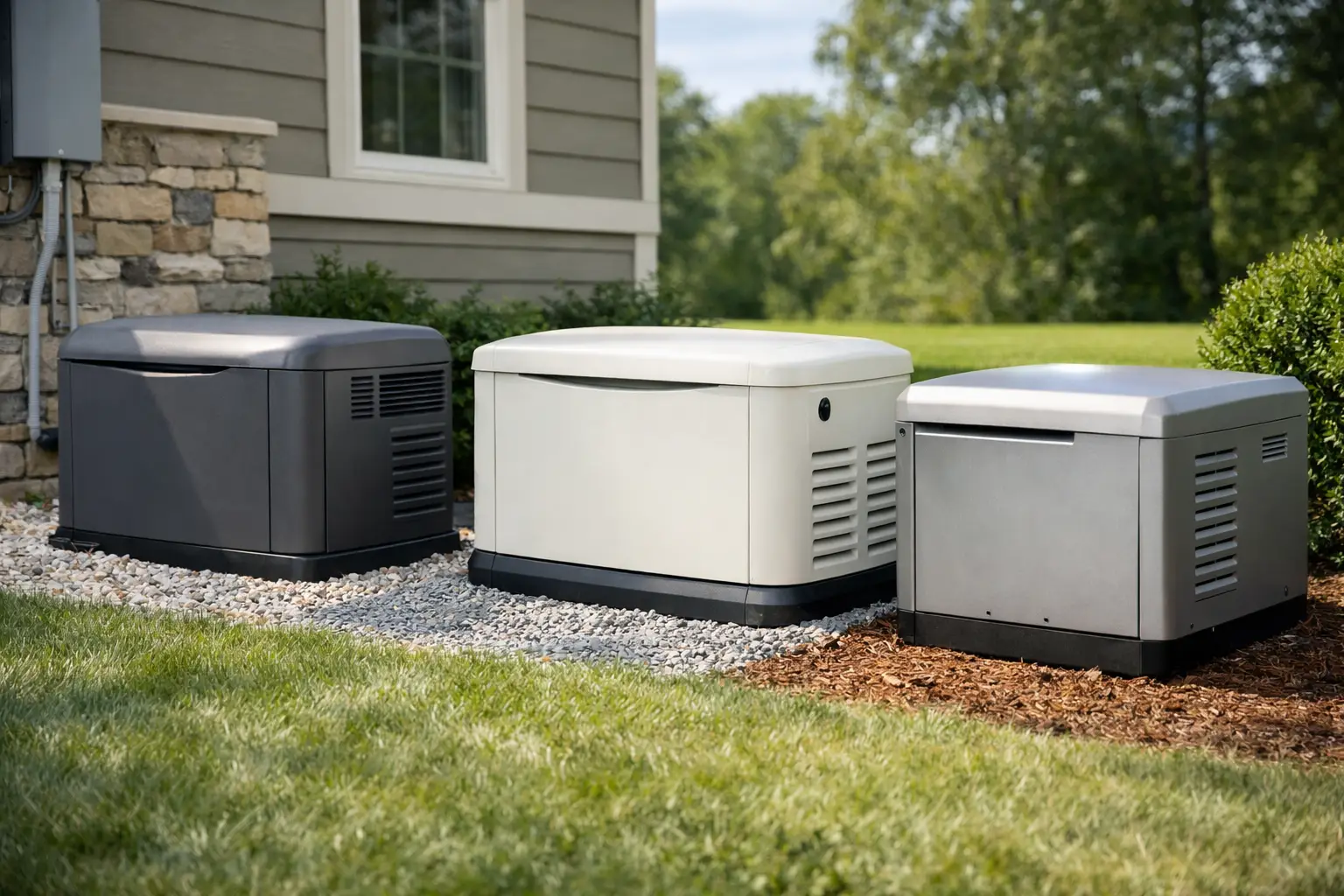
When the power goes out at 2 a.m., brand reputation stops being a marketing detail and starts feeling very personal. If you are comparing the best whole house generator brands, you are really trying to answer a more practical question: which system will start when your home or business needs it, and which one will still be supported years after installation?
That is the right question to ask. A standby generator is not a gadget purchase. It is a long-term protection system tied into your electrical service, fuel supply, permits, code requirements, and maintenance schedule. The brand matters, but so do parts availability, dealer support, warranty strength, and whether the unit is a good fit for your property and power needs.
What actually makes the best whole house generator brands stand out
Most buyers start with the name on the enclosure. That makes sense, but the strongest brands earn their reputation in the less visible areas. They build dependable engines and controllers, they maintain dealer and service networks, and they support products long enough that owners are not stranded when they need repairs.
Reliability is first. A standby generator has one job – detect an outage, start quickly, transfer the load safely, and keep running under pressure. Brands that perform well over time usually have proven transfer switch integration, stable voltage output, and consistent cold-weather starting.
Service support is a close second. Even a good generator needs maintenance, software updates, troubleshooting, and occasional repair. A strong brand with weak local support can become a frustrating ownership experience. That is why experienced installers look beyond brochures and ask harder questions about parts lead times, technical support, and factory training.
Fuel flexibility also matters. Some brands are especially strong in natural gas and propane residential standby systems. Others shine in larger commercial applications or diesel configurations. The best choice is not always the most advertised one. It is the one that fits your load profile, fuel source, property constraints, and service expectations.
Best whole house generator brands to consider
Generac
Generac is often the first name homeowners recognize, and there is a reason for that. The brand has a large presence in the residential standby market, broad model availability, and a product lineup that covers many common whole-home applications. For many properties, Generac offers a practical entry point into automatic backup power.
Its strength is accessibility. Homeowners can often find a size and price point that fits their needs, especially for standard residential loads. The product ecosystem is also familiar to many electricians and generator technicians, which can make service easier in markets with strong dealer coverage.
The trade-off is that popularity alone does not guarantee the right outcome. Install quality and ongoing maintenance matter just as much as the equipment itself. A Generac system installed by a low-cost contractor with poor load planning or weak after-install support can underperform, while the same brand installed and maintained properly can serve a home very well for years.
Kohler
Kohler has a strong reputation for build quality and dependable performance, especially among buyers who prioritize premium equipment and long-term durability. Many property owners and contractors view Kohler as a strong choice when reliability under demanding conditions is the top priority.
One of Kohler’s advantages is its reputation for solid engineering and clean power output. That can matter in homes with sensitive electronics, advanced HVAC systems, smart home equipment, and other loads that do not tolerate unstable power well.
The downside for some buyers is cost. Kohler systems can come at a higher price point, and model availability or local support can vary by area. If a premium brand does not have strong service backing where you live, the value proposition changes fast.
Cummins
Cummins is widely respected in power generation, particularly on the commercial and industrial side, but it also has residential standby solutions worth considering. Buyers who know the brand from engines and heavy-duty applications often see it as a serious reliability option.
Cummins tends to appeal to customers who want a strong engineering pedigree and are willing to invest in a well-supported system. In larger homes, mixed-use properties, and small commercial settings, the brand can be especially attractive.
As with any major manufacturer, local expertise is the deciding factor. Cummins may be an excellent fit, but only if the sizing, installation, and support structure are there. Without that, even a respected name can become a complicated purchase.
Briggs & Stratton
Briggs & Stratton has long been associated with engines and outdoor power equipment, and its standby generators are often considered by homeowners who want another mainstream residential option. The brand can be a good fit for certain home backup applications, particularly when budget matters but automatic standby protection is still the goal.
Its appeal is usually straightforward value. Buyers may find competitive pricing and models that cover essential whole-home or managed-load backup needs. For some households, that balance works well.
Still, value should be measured over the full life of the system, not just the purchase price. If a lower upfront number leads to weaker service access, slower repair timelines, or poor installer support, the savings can disappear quickly during the first serious outage.
Honeywell and private-label considerations
Some buyers come across Honeywell-branded standby generators and assume they are comparing a fully separate manufacturer. In practice, generator branding can be more complicated than it looks. Private-label arrangements and shared manufacturing relationships can affect what you are really buying.
That does not automatically make the product better or worse. It just means buyers should pay attention to who manufactures the unit, how warranty support works, and who will service it locally. The logo on the enclosure matters less than the support behind it.
How to choose between whole house generator brands
The smartest way to compare brands is to start with your property, not the catalog. A 2,200-square-foot home with natural gas, central air, sump pumps, and a home office needs a different solution than a larger property with well pumps, pool equipment, and multiple HVAC systems. A business protecting refrigeration, point-of-sale systems, servers, or tenant operations has another set of requirements entirely.
That is why load analysis comes first. Some owners want true whole-home coverage with no compromises. Others are comfortable protecting only critical circuits. The right brand is the one that offers a model range suited to your actual electrical demand, not an estimate based on square footage alone.
Then look at fuel source. Natural gas is convenient where available, but it may not support every load size equally well. Propane can be an excellent option for homes outside gas service areas, but tank sizing and runtime planning matter. Diesel is common in many commercial applications but less typical for standard residential standby use. Certain brands are stronger in one fuel category than another.
Noise, footprint, and cold-weather performance should also be part of the conversation. A generator that looks good on paper may create installation headaches because of setbacks, exhaust placement, utility coordination, or local code requirements. This is where experienced planning protects you from expensive surprises.
Brand matters, but installer quality matters more
This is the part many buyers do not hear early enough. You are not just choosing among the best whole house generator brands. You are choosing the team that will size the system, secure permits, coordinate utility work, install the transfer switch, test the equipment, and stand behind it when the grid fails.
A strong brand installed poorly can lead to nuisance faults, failed startups, overloaded circuits, premature wear, and warranty headaches. A well-chosen brand installed by licensed, factory-trained professionals is much more likely to give you the confidence you expected when you made the investment.
That is also why long-term service should be part of the purchase decision from day one. Ask who handles routine maintenance, who responds to outage calls, how remote monitoring is managed, and whether the installer will still be there three years from now. At GenTek Power, that full-process accountability is a core part of the value because backup power only works when every stage is handled properly.
Which brand is best for most buyers?
There is no honest one-size-fits-all answer. Generac is often a practical fit for many residential properties. Kohler is frequently attractive for buyers focused on premium performance. Cummins can be a strong option where heavier-duty reliability or commercial crossover matters. Briggs & Stratton may fit buyers balancing budget and protection.
The better question is this: which brand is best supported in your area, correctly sized for your load, and backed by a contractor who will still answer the phone after the install? That is usually where the right decision becomes clear.
If you are serious about protecting your home or business, do not shop by brand name alone. Shop for a complete backup power plan, installed correctly and supported for the long haul. The best generator is the one you do not have to think about when the lights go out.