The power goes out at 2:13 a.m. Your lights blink off, the HVAC stops, the Wi-Fi dies, and the refrigerator goes quiet. A few seconds later, power is back – not because the utility returned, but because your standby generator recognized the outage and took over on its own. That is the real value behind how standby generators work automatically: they remove the scramble, reduce downtime, and keep your home or business protected when the grid fails.
For most property owners, the automatic part is what matters most. You do not want to drag out extension cords in the rain, figure out which appliances to save, or hope a portable unit starts when you need it. A standby generator is built to monitor utility power continuously, respond within seconds, and power selected circuits or the entire building depending on system design. It is a permanent backup power system, not a temporary workaround.
How standby generators work automatically during an outage
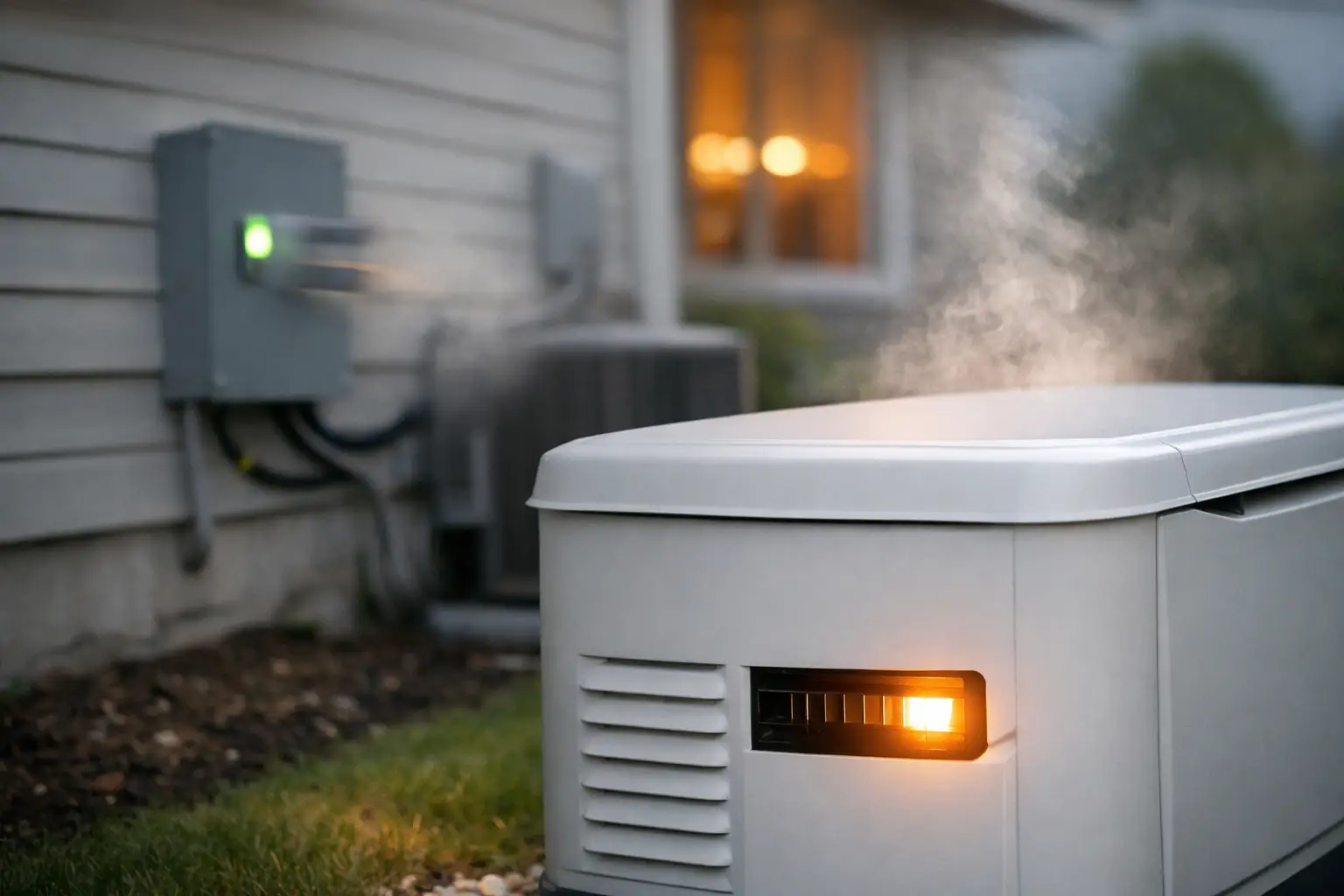
A standby generator sits outside your home or building much like a central air conditioner. It is connected to a fuel source, usually natural gas or propane, and wired into your electrical system through an automatic transfer switch. That transfer switch is the decision-maker. It constantly watches the incoming utility power.
When the utility supply drops below acceptable voltage or disappears completely, the transfer switch detects the problem almost immediately. It sends a signal to the generator controller to start the engine. The generator comes up to speed, stabilizes its voltage and frequency, and then the transfer switch safely moves the electrical load from utility power to generator power.
That switching process is what makes the system automatic and safe. The generator does not simply push electricity into your panel at random. It waits for the transfer switch to isolate your property from the utility lines first. This prevents dangerous backfeeding and ensures the backup system powers your building the way it was designed to.
Once utility power returns and remains stable for a preset period, the transfer switch moves the load back to the utility. The generator then runs for a short cool-down cycle before shutting itself off. The whole sequence happens without you needing to step outside, refuel anything, or flip breakers in the dark.
The key parts that make automatic operation possible
The generator itself gets most of the attention, but automatic backup power depends on several parts working together.
The generator unit
This is the engine and alternator assembly that creates electricity. The engine runs on natural gas or propane, and the alternator produces electrical output for your home or business. Modern standby units are designed for rapid startup and steady operation under load.
The automatic transfer switch
This is the part that makes automation possible. It monitors incoming utility power and directs the building to the right source at the right time. It also protects lineworkers and your equipment by separating generator power from the grid during an outage.
The controller
The controller is the generator’s brain. It receives signals from the transfer switch, starts and stops the engine, tracks faults, monitors performance, and often handles weekly exercise cycles. On many systems, it can also support remote monitoring and service alerts.
The fuel supply
Unlike portable units that need gasoline refills, standby generators are tied into a continuous fuel source. That is a major reason they can operate automatically. If the generator has fuel available and the system is maintained properly, it can respond even if no one is on site.
The electrical distribution setup
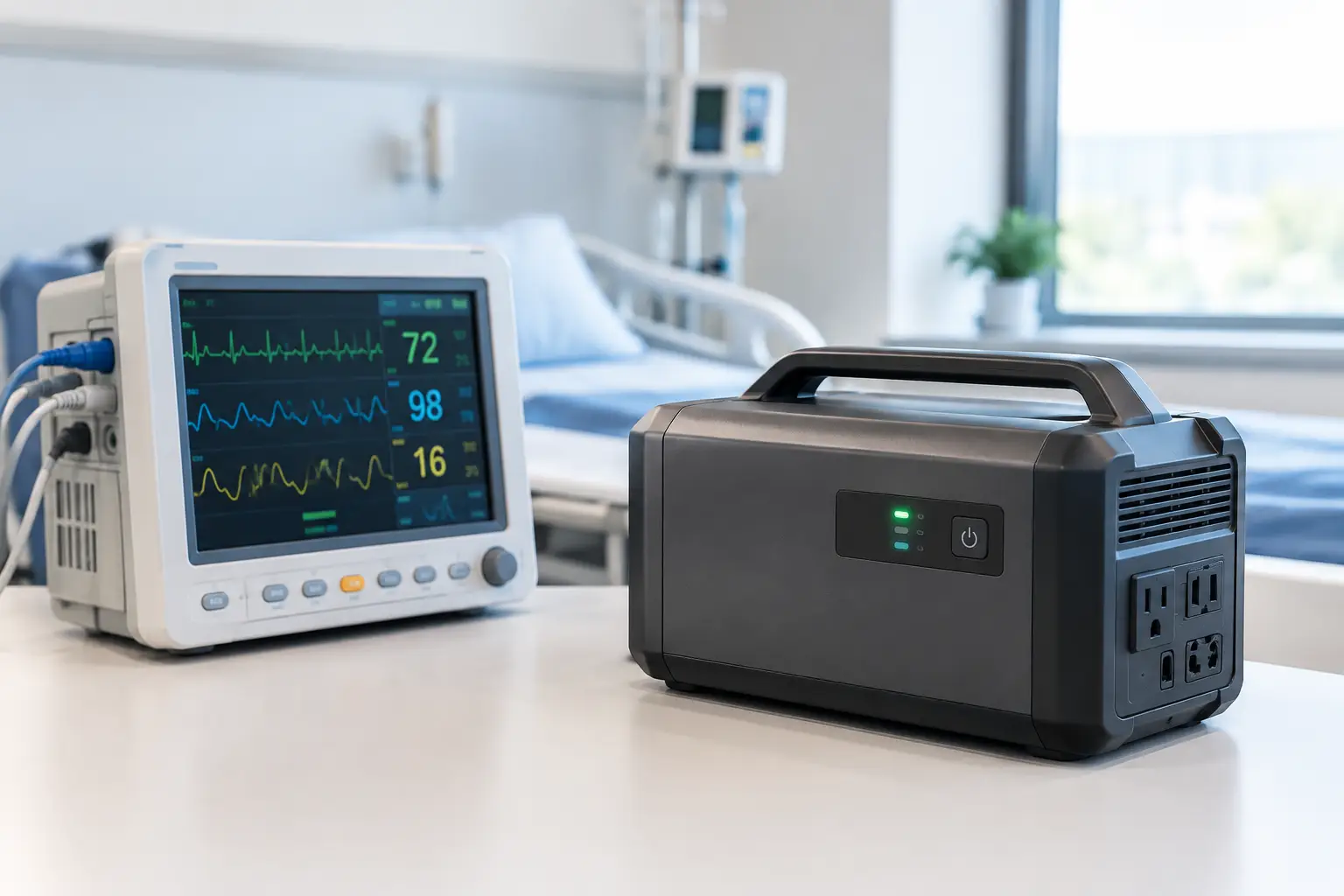
Some standby generators are sized for whole-home or whole-building backup. Others are designed to support only critical loads such as refrigeration, sump pumps, heating equipment, network systems, medical devices, security systems, or selected business circuits. The way the system is designed affects what stays on during an outage.
What happens in the first 30 seconds
Most people experience an outage as a simple pause followed by restored power. Behind the scenes, more is happening.
First, the transfer switch senses utility failure. Then the controller starts the engine. After that, the generator reaches proper operating speed and electrical output. Once power quality is within acceptable range, the transfer switch moves the load over.
That process usually takes seconds, not minutes. Exact timing varies by manufacturer, temperature, load requirements, and system configuration. Sensitive electronics may still reboot during the brief interruption, which is why some sites also use battery backup systems for servers, alarms, or communications equipment that cannot tolerate even a short gap.
This is where professional design matters. Automatic does not mean one-size-fits-all. A family trying to keep a whole house comfortable during winter has different needs than a business protecting POS systems, refrigeration, and internet connectivity. The equipment has to be matched to the property, the load, and the consequences of downtime.
Why automatic standby power is different from portable backup
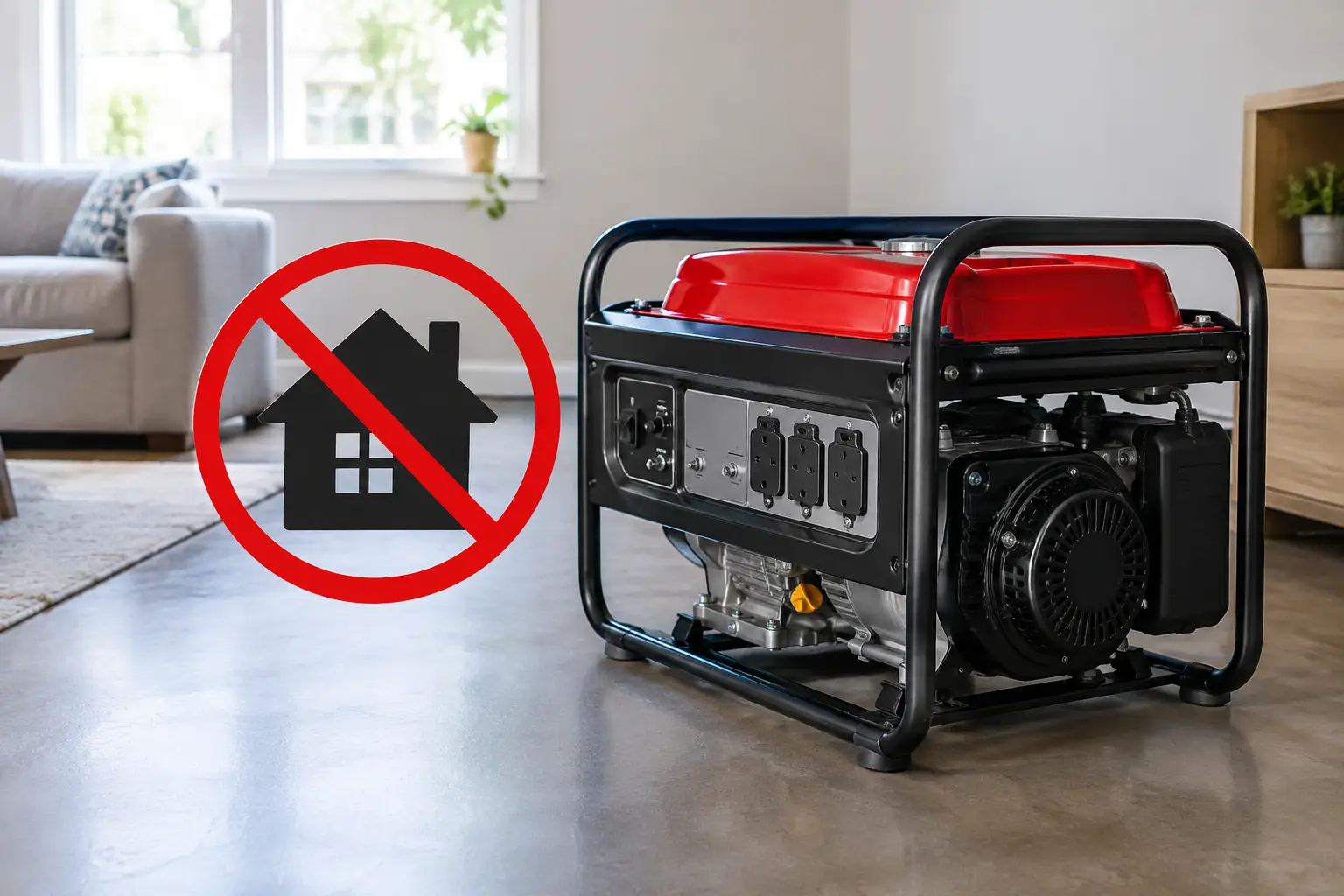
Portable generators can keep some essentials running, but they are not automatic and they are not intended to deliver the same level of protection. Someone has to be present, move the unit into place, start it, connect loads properly, and refuel it safely. During a storm or overnight outage, that can be inconvenient at best and risky at worst.
A standby generator is permanently installed, code-compliant, and built to take over without manual setup. It is also quieter, more secure, and usually better suited for long-duration outages when connected to natural gas or a properly sized propane supply.
That does not mean standby is the right choice for every property. If you only want occasional power for a few tools or a refrigerator, portable backup may be enough. But if your priorities are comfort, safety, business continuity, or protecting a home with critical electrical loads, automatic standby power solves a different class of problem.
How standby generators know when to shut off
A well-designed system does more than start automatically. It also knows when not to switch too early.
When utility power comes back, the transfer switch and controller do not always return the load instantly. Most systems are programmed with a delay to make sure utility power is stable and not flickering on and off. Once stable power is confirmed, the switch reconnects the building to the grid.
After that, the generator keeps running briefly without load so internal temperatures can normalize. This cool-down period helps protect engine components and supports long-term reliability. Then the system shuts down and returns to standby mode, ready for the next outage.
The role of maintenance in automatic performance
People often assume automatic means maintenance-free. It does not. A standby generator can only respond properly if it is installed correctly and serviced consistently.
Battery condition, oil level, air filters, spark plugs, fuel pressure, software settings, transfer switch operation, and exercise history all affect whether the system starts when it should. If any of those pieces are neglected, the system may fail at the exact moment you are counting on it.
That is why long-term support matters as much as the equipment itself. The best installation in the world still needs periodic testing, inspection, and service by trained technicians. Owners who choose a contractor based only on low upfront price often learn later that backup power is only as dependable as the company standing behind it.
For homeowners and business owners, this is usually the biggest relief of working with a full-service provider like GenTek Power. You are not left sorting out sizing, permits, fuel coordination, startup testing, and future maintenance on your own. The goal is not just to install a generator. The goal is to make sure it actually performs automatically when the lights go out.
Why proper installation affects how standby generators work automatically
Automatic operation depends on planning long before the first outage. The system has to be sized correctly, the transfer switch has to be matched to the electrical service, fuel supply has to support the generator under load, and the installation has to meet code.
If the generator is undersized, it may not carry the loads you expected. If fuel delivery is inadequate, performance can suffer. If the transfer equipment is installed improperly, the system may not switch cleanly or safely. These are not small details. They are the difference between confidence and a very expensive false sense of security.
That is why experienced contractors spend time on load calculations, site conditions, permitting, startup procedures, and final testing. Automatic backup power should feel simple to the owner because the complexity was handled correctly behind the scenes.
A standby generator is supposed to step in when everything else stops. If you are considering one, focus on more than the box outside. Ask how the system will be sized, how the transfer switch will be configured, what will happen during an outage, and who will service it after installation. When those answers are clear, backup power stops feeling uncertain and starts feeling like protection you can count on.