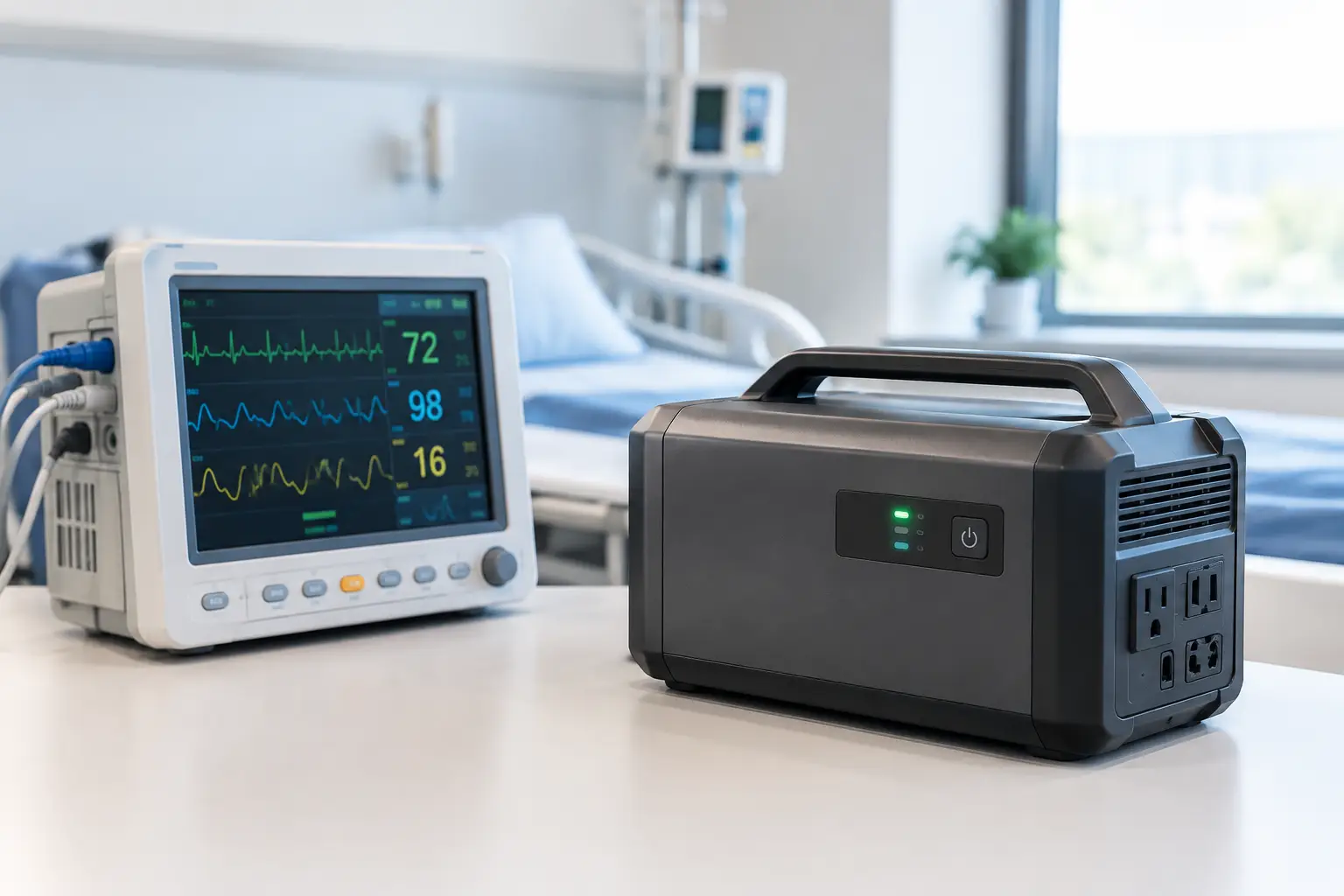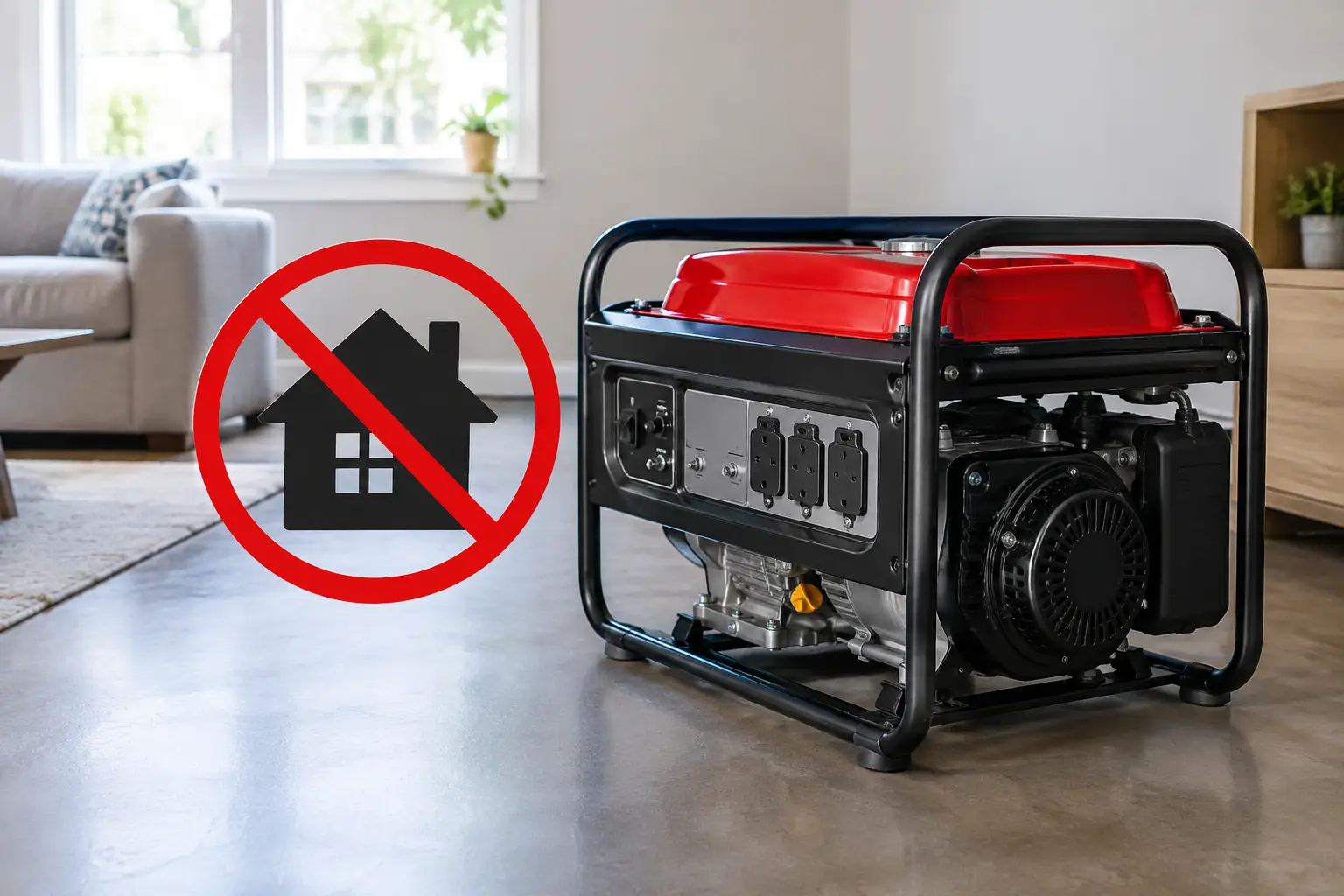
The difference between a generator that simply turns on and one that truly protects your home or business often shows up at the worst possible time – in the middle of a storm, after dark, when the utility power is out and everyone expects the backup system to carry the load without hesitation. That is why smart standby generator technology trends matter. They are not about gadgets for the sake of gadgets. They are about faster response, clearer system visibility, better maintenance planning, and fewer surprises when power loss becomes a real problem.
For homeowners, that can mean keeping heat, refrigeration, internet service, sump pumps, and medical equipment running without scrambling. For business owners, it can mean avoiding lost sales, damaged inventory, or an expensive shutdown. The trend line is clear: standby generators are becoming more connected, more efficient, and more capable of telling you when something needs attention before an outage puts that weakness on display.
What smart standby generator technology trends are really changing
The biggest shift is that standby generators are no longer treated as isolated machines. They are becoming part of a broader power management system. Instead of waiting for a visible problem, owners and service providers can now monitor operating status, maintenance intervals, battery condition, fault alerts, and exercise activity in much more useful ways.
That changes the ownership experience. In the past, many customers assumed a generator would either work or not work, and they would not know until the grid failed. Today, smart controls and remote monitoring can reduce that uncertainty. If a battery is weakening, if a fault code appears, or if a scheduled exercise did not complete properly, there is a better chance someone will know before a storm arrives.
This does not mean technology eliminates all risk. It does mean problems can be caught earlier, which is often the difference between a quick service visit and a failure during an outage.
Remote monitoring is becoming a baseline feature
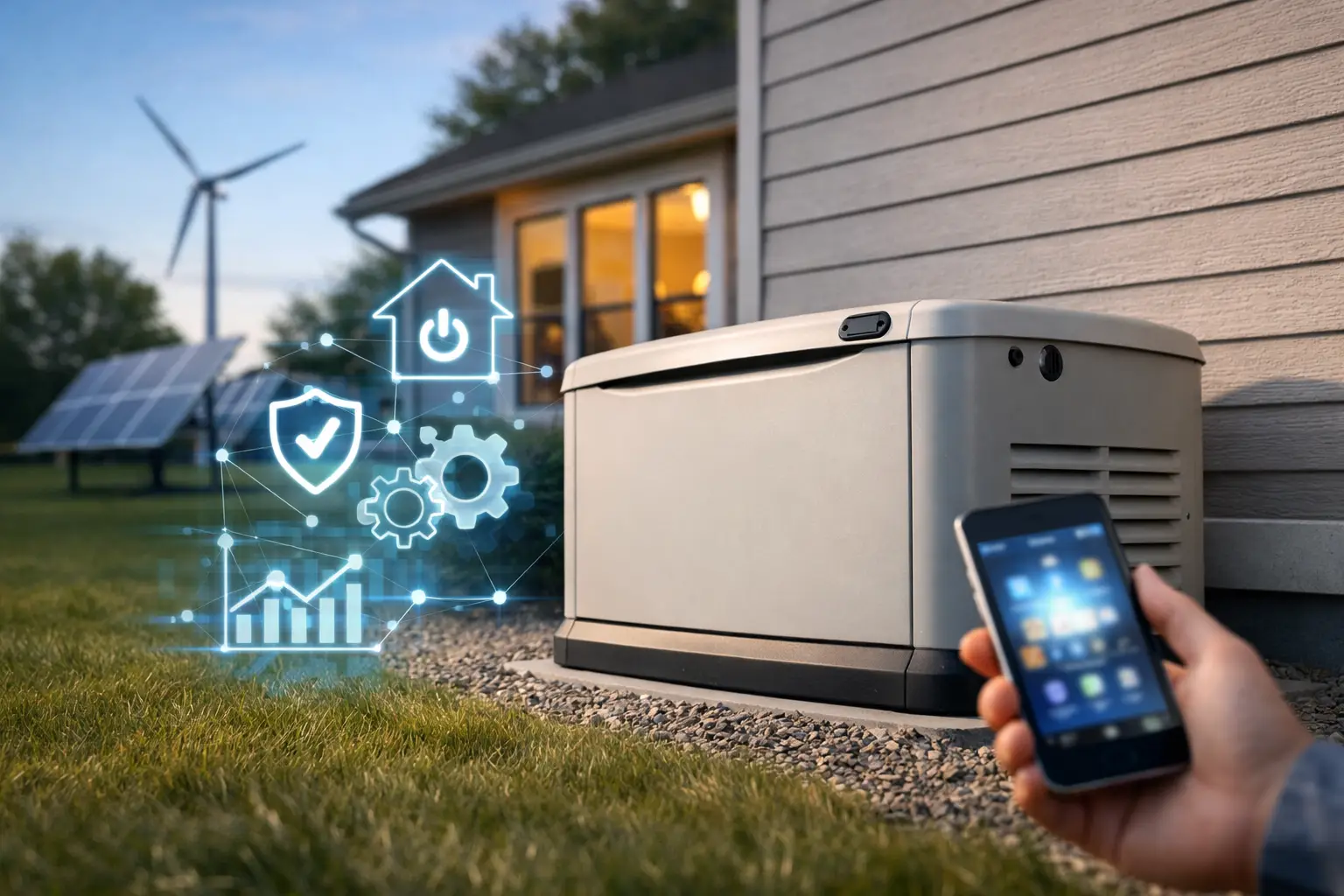
One of the most practical trends is remote visibility. Many newer standby systems allow status checks, notifications, and performance alerts through connected monitoring platforms. For property owners, this adds peace of mind. For service teams, it adds speed and context.
If you travel often, manage a second property, or run a business outside normal hours, remote access is more than a convenience. It helps you confirm whether the generator exercised as scheduled, whether utility power has been restored, and whether the unit is showing any warning conditions. That can shorten response time and reduce guesswork during a stressful outage.
There is a trade-off here. Connected features are only as useful as the setup behind them. A generator still needs proper installation, commissioning, signal reliability, and ongoing support. Smart monitoring cannot fix poor sizing, improper fuel planning, or neglected maintenance. It works best when the fundamentals are already handled correctly.
Better control systems are improving transfer and load management
Another important development is smarter controller design. Modern standby systems can make more informed decisions about startup timing, transfer behavior, and how the generator manages connected loads. This matters when the home or building includes heavy electrical demand, sensitive equipment, or varying usage throughout the day.
For some properties, intelligent load management allows a properly designed generator system to support priority circuits and larger comfort loads without forcing unnecessary oversizing. In plain terms, the system can help decide what should run first and what can wait briefly, keeping power available where it matters most.
That does not mean every property should rely on aggressive load shedding strategies. In some homes and many commercial settings, whole-building continuity is the goal, and the better solution is still a correctly sized unit with the right transfer equipment. The technology is useful, but it has to match how the property actually operates.
Cleaner operation and fuel efficiency are getting more attention
Customers are asking better questions about fuel use, emissions, and runtime. Manufacturers have responded with engines and controls that are designed to operate more efficiently and in some cases more cleanly than older standby models. This is especially relevant for natural gas and propane systems, where long-term fuel planning plays a major role in reliability.
Efficiency improvements can help reduce operating costs during extended outages, but the bigger value is often stability. A well-matched unit that manages fuel properly and runs within its intended load range is generally more dependable over time than a system that is too small, too large, or poorly configured.
For business owners, fuel strategy is not just about cost. It is about continuity. For homeowners, it is about confidence that the system can support the essentials for as long as the outage lasts. Smart standby generator technology trends are pushing this conversation beyond nameplate capacity and toward real-world performance.
Battery health and self-diagnostics are becoming more useful
A standby generator can have a strong engine, quality fuel supply, and proper wiring, yet still fail because of a weak starting battery or an ignored alarm. That is one reason improved onboard diagnostics matter so much.
Newer systems can do a better job tracking battery condition, logging faults, and reporting irregular operating behavior. Some can provide clearer alerts that help owners and technicians identify whether the issue is related to charging, exercise failures, controller settings, or another service need. That clarity reduces the chances of a minor issue turning into a major one.
Still, diagnostics should never be confused with maintenance. A generator can report a problem, but it cannot replace a technician inspecting wear items, verifying operation under proper conditions, and making sure the full installation still meets code and manufacturer requirements.
Integration with smart homes and facility systems is growing
Many homeowners now expect major equipment to communicate with the rest of the property. The same is becoming true for standby power. Smart home integration is expanding, and commercial facilities are also looking for better coordination between backup power, building controls, and alert systems.
In residential settings, this may mean easier visibility through a home monitoring platform or more awareness of how backup power supports connected systems. In commercial settings, integration can support maintenance oversight and faster issue escalation. The benefit is not novelty. It is operational awareness.
This trend does require caution. The more connected a system becomes, the more important it is to keep the backup power side professionally configured and protected from avoidable complexity. Backup power should remain dependable first. Added features should support that goal, not distract from it.
Serviceability is becoming part of the buying decision
One of the quieter but more important trends is that customers are paying closer attention to long-term service support. They are asking whether the system can be monitored remotely, whether parts and diagnostics are accessible, and whether there is a real maintenance plan after installation.
That is a healthy shift. The smartest generator on the market is still a poor investment if no one takes responsibility for setup, testing, service intervals, and outage support. Technology has improved, but ownership still comes down to execution.
This is where professionally managed installation makes a real difference. A standby generator is not a simple appliance purchase. It involves sizing, permitting, utility coordination, transfer equipment, fuel considerations, code compliance, startup testing, and long-term maintenance planning. GenTek Power is built around that full-service model because customers need more than equipment. They need a system they can trust when conditions are at their worst.
What to watch if you are buying now
If you are evaluating a new standby generator, the smartest question is not, “What features does it have?” It is, “How will these features improve reliability for my property?” That keeps the conversation focused where it belongs.
Remote monitoring is valuable if someone will actually respond to alerts. Load management is useful if it is based on a real understanding of your electrical demand. Better diagnostics help if they are paired with scheduled maintenance. Integration features can be a plus if they do not create confusion or compromise reliability.
The right system depends on what you are protecting. A family with a fully electric home, a sump pump, and remote work needs will have different priorities than a small business protecting refrigeration, point-of-sale systems, and customer operations. The technology should fit the risk, not the other way around.
As smart standby generator technology trends continue to move forward, the best outcomes will still come from the same foundation: proper design, professional installation, routine service, and a support team that stays accountable after the sale. The smart features are getting better. What matters most is making sure they are backing up a system that was done right from day one.