When the power goes out at 2 a.m., the difference between automatic standby vs manual backup power gets very real, very fast. One system is designed to respond on its own and keep your home or business running with minimal interruption. The other depends on someone being present, prepared, and able to start the process safely under pressure.
That distinction matters more than most people expect. Backup power is not just about owning a generator. It is about what happens during an actual outage – when the weather is bad, the temperature is extreme, the building is dark, and the stakes are higher than they seemed on a sunny day during shopping and planning.
Automatic standby vs manual backup power: what is the real difference?
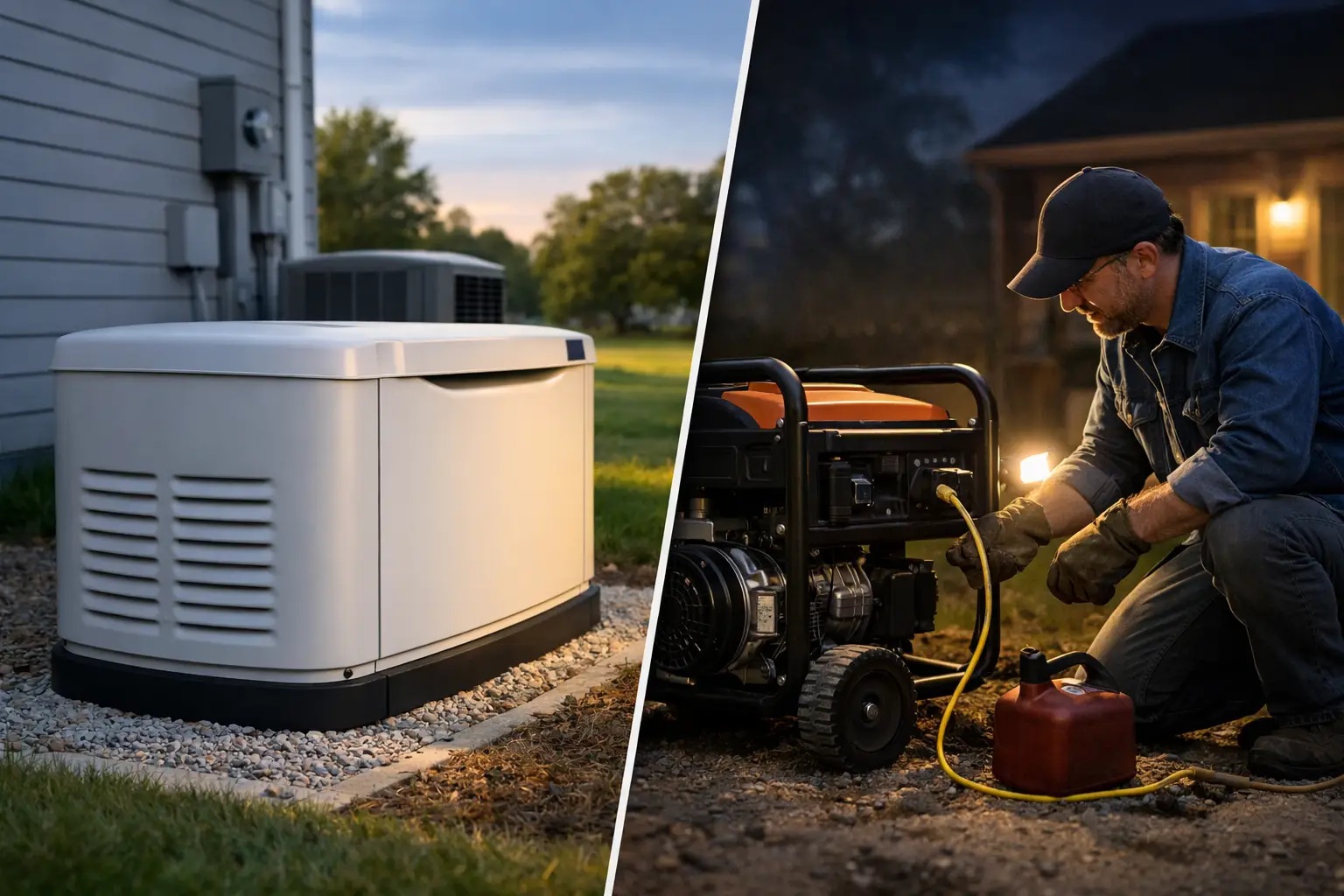
An automatic standby system is permanently installed and connected to the building through an automatic transfer switch. When utility power fails, the system detects the outage, starts the generator, and transfers the electrical load without requiring someone to intervene. When utility power returns, the system switches back and shuts down the generator.
Manual backup power works differently. It usually involves a portable generator or a manually operated transfer setup. Someone has to bring the generator out, fuel it if needed, connect it properly, start it, and manually switch selected circuits or loads over. In some cases, people rely on extension cords rather than a proper transfer setup, which creates even more limitations and risk.
On paper, both options provide backup electricity. In practice, they serve very different needs.
Why convenience is only part of the story
People often frame this as a convenience question. Automatic standby is easier. Manual backup is more hands-on. That is true, but it does not go far enough.
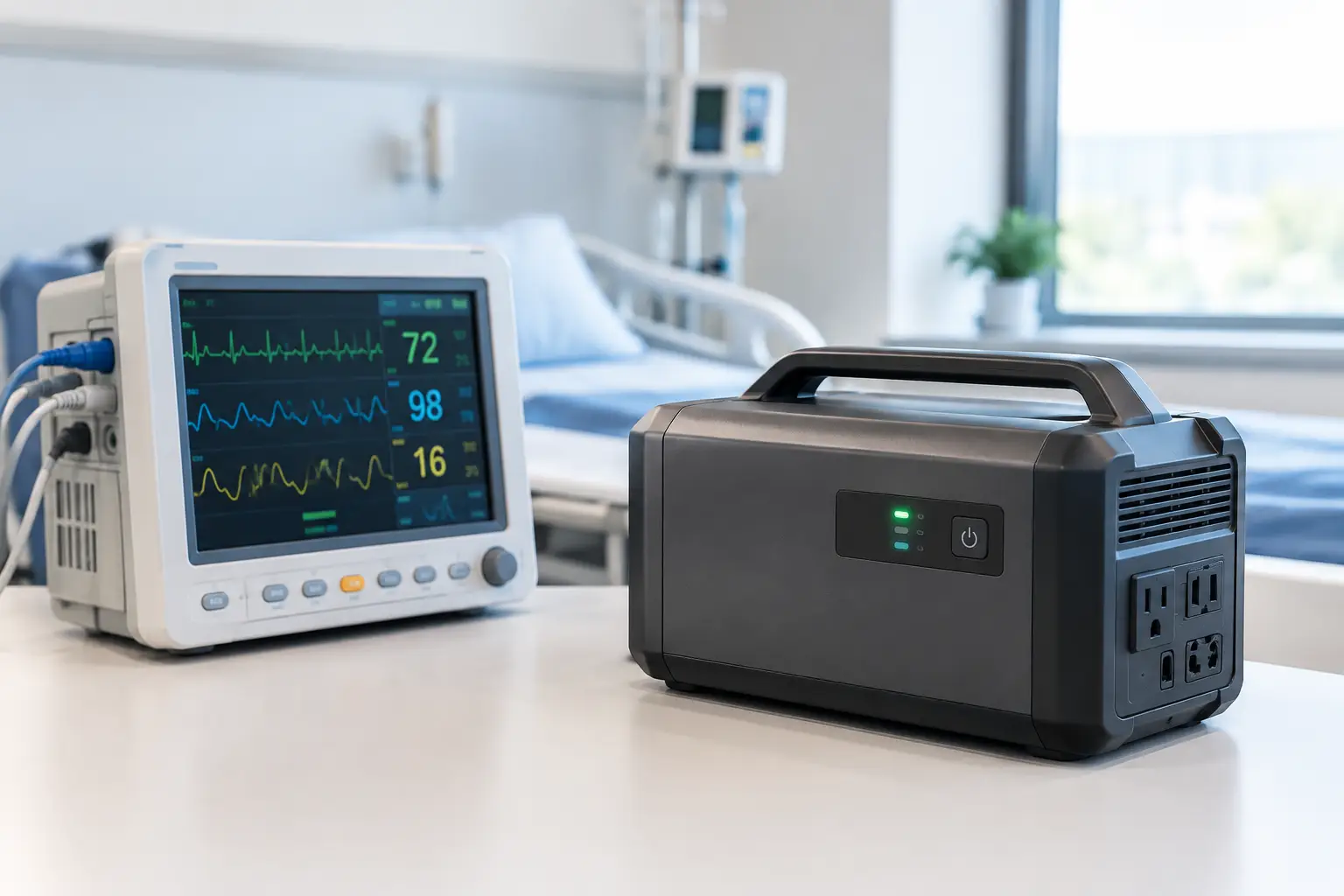
The bigger issue is reliability during the exact moment you need power most. If an outage happens while you are traveling, sleeping, at work, or trying to manage an emergency, manual backup may not help you at all. A portable generator in the garage does nothing until someone sets it up. If your sump pump, well pump, refrigerator, server rack, or medical equipment needs power right away, delay matters.
Automatic standby systems are built for continuity. That is why they are often the right fit for whole-home backup, critical systems, and businesses that cannot afford downtime. The value is not simply that the generator starts itself. The value is that your protection does not depend on perfect timing or perfect conditions.
Where manual backup power still makes sense
Manual backup power is not the wrong choice in every case. For some customers, it is a practical lower-cost option.
If your outage risk is low, your power needs are limited, and you are comfortable handling setup yourself, a manual solution can cover short-term essentials. That might mean keeping a refrigerator cold, powering a few lights, charging devices, or running a small heater in a limited area. For a detached cabin, occasional use property, or a budget-driven emergency plan, manual backup can be enough.
But this is where honest tradeoffs matter. Manual backup asks more from the owner every time the grid goes down. You need fuel on hand. You need to be physically present. You need to know the startup procedure. You need to operate it safely. And you need to accept that some parts of the property may stay offline.
That is manageable for some people. For others, it becomes a weak point in the plan.
Cost upfront vs cost over time
The upfront price difference is one reason many buyers start by comparing portable generators to permanent standby systems. Manual backup usually costs less at the beginning. The equipment is cheaper, installation can be simpler, and the initial barrier to entry is lower.
Automatic standby costs more because it is a complete infrastructure upgrade. It involves proper sizing, electrical integration, transfer equipment, fuel planning, permitting, code compliance, startup testing, and long-term service considerations. That higher cost is real.
Still, the cheapest option at purchase is not always the lowest-cost decision over the life of the system. Food loss, frozen pipes, flooded basements, interrupted business operations, spoiled inventory, failed internet connectivity, and emergency service calls can erase the savings from a lower-cost setup. If backup power is protecting something critical, the conversation should include the cost of failure, not just the cost of hardware.
Safety is a major dividing line
This is one of the most overlooked parts of the automatic standby vs manual backup power decision. Manual systems create more opportunities for user error.
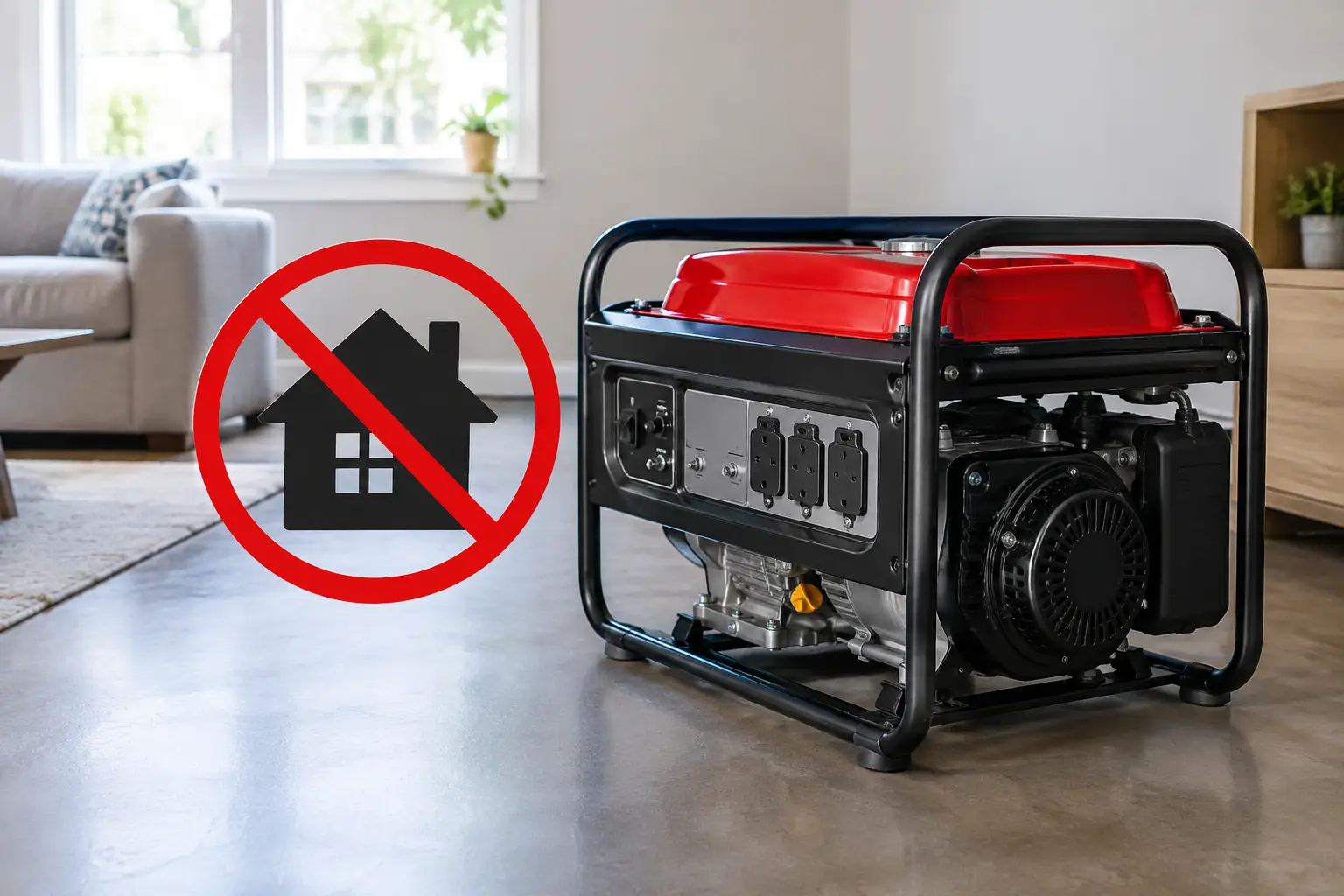
Portable generators must be operated outdoors with proper clearance because of carbon monoxide risk. They must be fueled and stored correctly. If they are connected improperly, they can create dangerous backfeed conditions that put occupants, equipment, and utility workers at risk. Even when a manual setup includes a transfer switch, safe operation still depends on the user following the process correctly every time.
Automatic standby systems reduce those risks because they are professionally installed, permanently connected, and designed to operate as part of the building’s electrical system. That does not remove the need for maintenance or service, but it greatly reduces the chances of mistakes during an outage.
For many homeowners and business owners, that alone changes the conversation. Backup power should make a property safer, not create another emergency to manage.
Choosing based on what must stay on
The best backup power decision starts with a simple question: what absolutely needs to keep running when utility power fails?
If the answer is a few lights, phone chargers, and a refrigerator, manual backup may be enough. If the answer includes HVAC, sump pumps, well pumps, security systems, home office equipment, medical devices, freezers, network equipment, or full-building operations, automatic standby becomes much more compelling.
For businesses, the threshold is often even clearer. If downtime means lost revenue, disrupted service, damaged product, or frustrated customers, manual backup can be too slow and too dependent on staff availability. Commercial continuity usually requires something more dependable than a plan that starts with wheeling equipment into a parking lot during a storm.
The installation question most buyers underestimate
Many problems with backup power begin long before the first outage. They start with bad sizing, incomplete planning, and installers who treat generators like one-time equipment sales instead of long-term protection systems.
A properly installed automatic standby system should be sized to the actual loads you want to protect. It should account for startup demand, fuel type, utility requirements, site conditions, code compliance, and future service access. It should also be tested under realistic conditions and supported by a maintenance plan.
That is one reason many property owners move toward a turnkey provider instead of piecing the project together through multiple contractors. The generator itself is only part of the solution. The real value comes from proper design, clean installation, and support after the sale when the system is needed most.
Automatic standby vs manual backup power for peace of mind
Peace of mind can sound vague until you picture a real outage. Maybe you are out of town and temperatures drop below freezing. Maybe a summer storm cuts power while you are trying to keep a business open. Maybe a family member depends on refrigeration for medication or uninterrupted power for health equipment.
In those moments, peace of mind is not abstract. It is knowing the system will respond without hesitation. It is knowing the transfer happens correctly. It is knowing there is a service team behind the equipment, not just a box with an engine in it.
That is where automatic standby earns its place. It is not the right answer for every property or every budget, but it is the clearest answer for customers who want dependable protection instead of a partial workaround.
For buyers who are still weighing the options, the right decision usually comes down to tolerance for interruption. If you can accept delay, manual setup, limited coverage, and more owner responsibility, manual backup may do the job. If you want the power to come back on whether you are home or not, and you want that result handled safely and professionally, automatic standby is built for exactly that purpose.
A good backup plan should feel dependable before the storm hits, not questionable after the lights go out.