The call usually comes after the outage, not before it. A homeowner assumes the generator ran fine through the night, only to find a low battery warning the next day. A business owner learns that the unit started, but shut down on a fault no one saw in real time. That is where an automatic generator monitoring review matters – not as a gadget check, but as a serious look at whether your backup power system is actually being watched when it counts.
For most property owners, remote monitoring sounds simple. You install a standby generator, connect it to an app or portal, and expect updates if something goes wrong. Sometimes that is exactly how it works. Sometimes it is not. The difference usually comes down to the quality of the equipment, the strength of the connection, the setup process, and most of all, whether anyone is responsible for acting on the alerts.
What an automatic generator monitoring review should actually cover
A useful automatic generator monitoring review should go beyond whether the app looks polished on your phone. Good monitoring is about visibility, speed, and accountability. It should tell you if the generator is available, if it is exercising properly, if a fault has appeared, and if service is needed before the next outage exposes a problem.
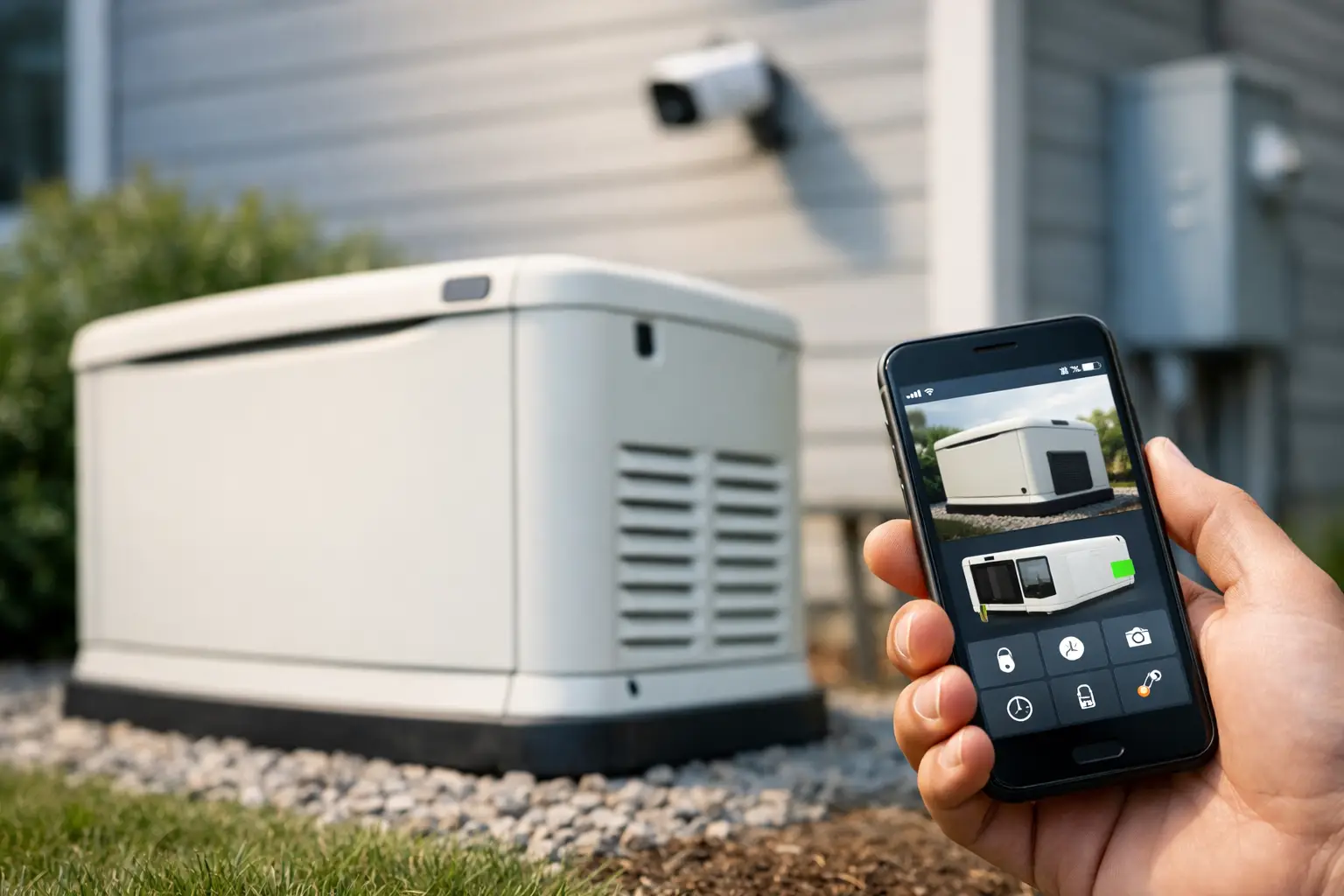
That means reviewing both the technology and the service around it. A strong monitoring setup typically reports generator status, utility loss, run time, battery condition, maintenance reminders, and active alarms. In better systems, that information is available to both the owner and the service provider, so issues can be flagged before you are standing in the dark wondering why the unit did not carry the load.
The weak point is rarely the idea of monitoring itself. The weak point is assuming all monitoring is equal. Some systems offer only basic owner-facing notifications. Others support real service response with trained technicians who understand the unit history, common failure points, and what an alert actually means in the field.
Automatic generator monitoring review: what works well
When monitoring is set up properly, it adds real value to generator ownership. The biggest advantage is early warning. A failed exercise cycle, charger issue, communication loss, or service reminder can show up before it becomes an outage-day failure. That matters for homeowners who need refrigeration, heating, cooling, internet, or medical equipment to stay online. It matters even more for businesses where downtime affects customers, staff, inventory, and daily operations.
Another strength is convenience. You do not have to walk out to the generator to guess whether it is ready. You can confirm status from your phone or computer, and your service company can often see the same information. For owners who travel, manage second properties, or simply want peace of mind during storm season, that visibility is a real benefit.
There is also a maintenance advantage. Monitoring can help identify patterns, not just one-time faults. If a generator shows repeated warning events, missed exercise runs, or communication drops, a qualified service team can investigate before the issue gets worse. That can reduce emergency repairs and avoid the far more expensive problem of discovering a failure during a major outage.
Where remote monitoring falls short
Monitoring is not the same as guaranteed performance. That is the first trade-off to understand. A monitored generator can still have a mechanical problem, fuel issue, battery failure, transfer switch fault, or wiring problem. Monitoring improves awareness. It does not replace proper installation, testing, and maintenance.
Connection reliability is another factor. Some systems rely on home internet, while others use cellular communication. Both can work well, but each has limitations. If internet equipment loses power or network settings change, the generator may still operate normally while the monitoring goes offline. Cellular systems can be more independent, but signal quality, subscription setup, and hardware compatibility all matter.
Notification fatigue is also real. If alerts are too frequent, too vague, or not tied to meaningful action, owners start ignoring them. An app full of warnings is not helpful if no one explains what is urgent, what can wait, and what needs a technician. This is one reason professional support matters so much. Data without interpretation can create more anxiety, not less.
What homeowners should look for
If you are reviewing monitoring for a residential standby generator, the best question is not, “Does it have an app?” It is, “Who is watching this system with me?” A basic owner app is better than nothing, but for a high-value piece of emergency equipment, most homeowners benefit from support that extends beyond self-monitoring.
Look for clear reporting on exercise status, active faults, maintenance intervals, and communication health. You should also know how alerts are delivered, who receives them, and what happens next. If there is a problem, are you expected to diagnose it yourself, or is there a service team that can review the alert, contact you, and schedule the right response?
That distinction matters because most generator problems are not homeowner problems to solve. Battery charging issues, controller faults, firmware settings, fuel delivery concerns, and transfer switch behavior need trained eyes. The safer and more dependable approach is a system tied to ongoing service, not just a login screen.
What business owners should expect
For commercial properties, an automatic generator monitoring review should be stricter. The cost of a missed issue is higher, and the operating environment is often more complex. A business may be supporting refrigeration, point-of-sale systems, network equipment, life safety systems, tenant loads, or process-critical operations. In that setting, monitoring should be part of a larger continuity plan.
Commercial users should expect detailed status visibility, documented alarm history, service coordination, and a clear chain of responsibility. They should also ask whether the system is being monitored during non-business hours and how emergency service is handled when an alert appears before or during an outage event.
This is where experienced generator companies stand apart from installers who treat the project as complete once the unit starts. Monitoring only helps if the service side is organized enough to respond. If no one owns the follow-up, the feature becomes a checkbox instead of protection.
The installation and setup piece most reviews miss
A lot of people evaluate monitoring after installation, when they are already stuck with whatever was configured. That is backward. The quality of the monitoring experience starts with system design and commissioning.
The generator, transfer switch, communication hardware, network or cellular path, notification settings, and owner account access all need to be set up correctly. Testing should confirm not only that the generator runs, but that alerts report properly and reach the right people. If this step is rushed, owners may think they are protected when the system is only partially connected.
That is one reason full-service providers tend to deliver better results. When one team handles consultation, installation, startup, testing, maintenance, and support, there is less finger-pointing if something goes wrong. A company like GenTek Power builds value by owning the process from the beginning, not by handing over equipment and disappearing.
Is automatic generator monitoring worth it?
For most standby generator owners, yes – with one condition. It is worth it when monitoring is paired with professional service and realistic expectations. If you expect an app alone to replace maintenance and support, you will probably be disappointed. If you use monitoring as one layer in a properly installed and professionally maintained backup power system, it can be extremely useful.
The return is not just technical. It is practical. You get faster visibility into issues, better service timing, and fewer unpleasant surprises during bad weather. That does not remove every risk, but it lowers the chance that a preventable problem turns into a failure when your home or business needs backup power most.
The right question is not whether monitoring is perfect. It is whether you want to know about problems early, or only after the lights go out. For most people making a serious investment in standby power, that answer is already clear.
If you are considering a monitored generator system, pay close attention to who installs it, who services it, and who stands behind it after the sale. The technology matters, but the partnership behind it matters more when the storm arrives.