A standby generator should make life simpler the moment the power goes out. If you are trying to figure out how to choose generator installer companies, that is the real standard to keep in mind. You are not just buying a machine. You are choosing the team that will size it correctly, install it safely, coordinate the details, and still answer the phone when the outage actually happens.
That is where many people get stuck. On paper, several contractors may look similar. They all say they install generators. They all promise reliability. But backup power is not a basic plug-and-play project. It involves electrical work, fuel supply, code requirements, permitting, startup testing, and long-term maintenance. A weak installer can leave you with nuisance shutdowns, failed inspections, warranty headaches, or a generator that does not carry the loads you expected.
How to choose generator installer companies without guessing
The best installer is not always the cheapest, the fastest, or the one with the most aggressive sales pitch. The right choice is the contractor who can take full responsibility for the system from planning through long-term support.
Start by looking at whether the company specializes in standby power or treats generators as a side service. That distinction matters. A company that mainly does general electrical work or HVAC may be perfectly competent in its own field, but standby generators bring their own design standards, transfer switch requirements, fuel considerations, load calculations, startup procedures, and service demands. Experience with backup power systems usually shows up in the questions they ask. A serious installer wants to know what must stay running, how your home or business uses power, what fuel source is available, and what happens if the outage lasts for days rather than hours.
A good installer should also make the process feel clearer, not more confusing. If your first conversation leaves you with vague answers, unexplained pricing, or a push to buy a larger unit without a real load review, that is a warning sign. You want straightforward guidance, not pressure.
Look for a complete process, not just an installation date
One of the biggest mistakes customers make is comparing generator quotes as if they were only buying equipment. The generator itself is only part of the job. The quality of the process around it often determines whether the project goes smoothly and whether the system performs when you need it.
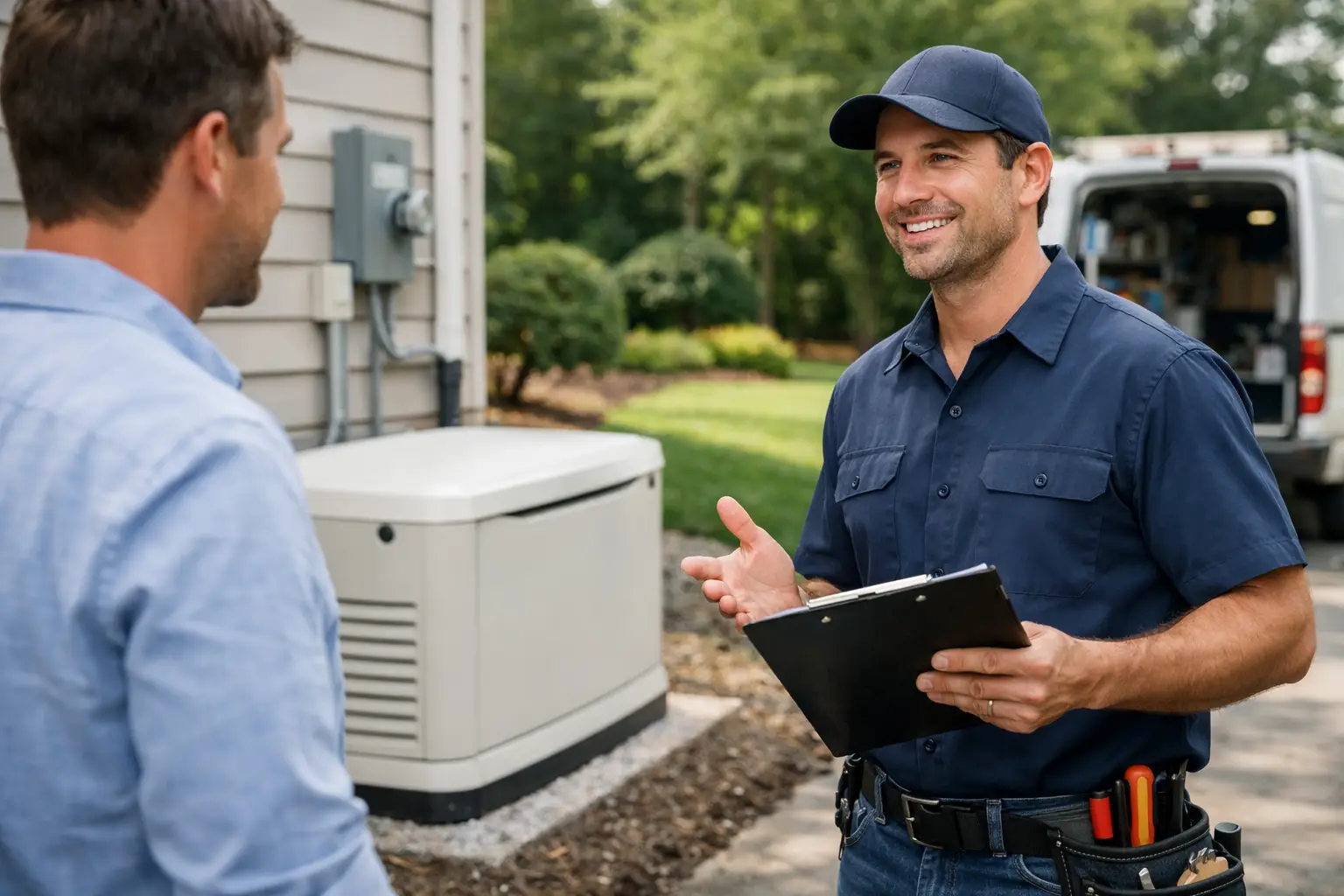
A dependable installer should be able to handle or clearly coordinate site assessment, generator sizing, permitting, utility or fuel coordination, pad placement, electrical connections, startup, testing, and final customer walkthrough. For many homeowners and business owners, this is where peace of mind comes from. You do not want to manage five subcontractors and hope everyone shows up in the right order.
This is also where low-cost quotes can become expensive. A lower price may leave out permit handling, trenching, gas upgrades, startup testing, or follow-up support. That does not always mean the company is being deceptive. Sometimes it means they are quoting only the parts they do directly and leaving the rest to you. But if you want predictable results, that handoff creates risk.
Ask how they size the generator
Sizing is one of the clearest ways to separate a professional installer from someone simply trying to close a sale. If the unit is undersized, essential systems may not run together or the generator may strain under startup loads. If it is oversized, you may pay more upfront than necessary and end up with a less efficient setup for your actual needs.
A trustworthy installer should explain how they determine size. In a home, that may involve reviewing major appliances, HVAC, well pumps, electric water heaters, smart home loads, and any medical or work-from-home requirements. In a business, they should ask about critical equipment, refrigeration, point-of-sale systems, server rooms, production needs, and acceptable downtime.
There is no one-size-fits-all answer. Some customers want whole-home backup. Others only need critical circuits. Some businesses need full continuity. Others only need enough power to protect inventory, security, and core operations. The right installer does not guess. They design around your priorities.
Verify licensing, code compliance, and manufacturer training
Generator installation is a high-trust purchase because most customers cannot easily inspect the work themselves. That is why credentials matter.
Ask whether the company uses licensed technicians for the electrical and fuel-related portions of the project and whether their team is trained on the specific generator brands they install. Factory training matters because modern standby generators are not just engines on a pad. They include control systems, automatic transfer equipment, and diagnostic procedures that need to be set up correctly.
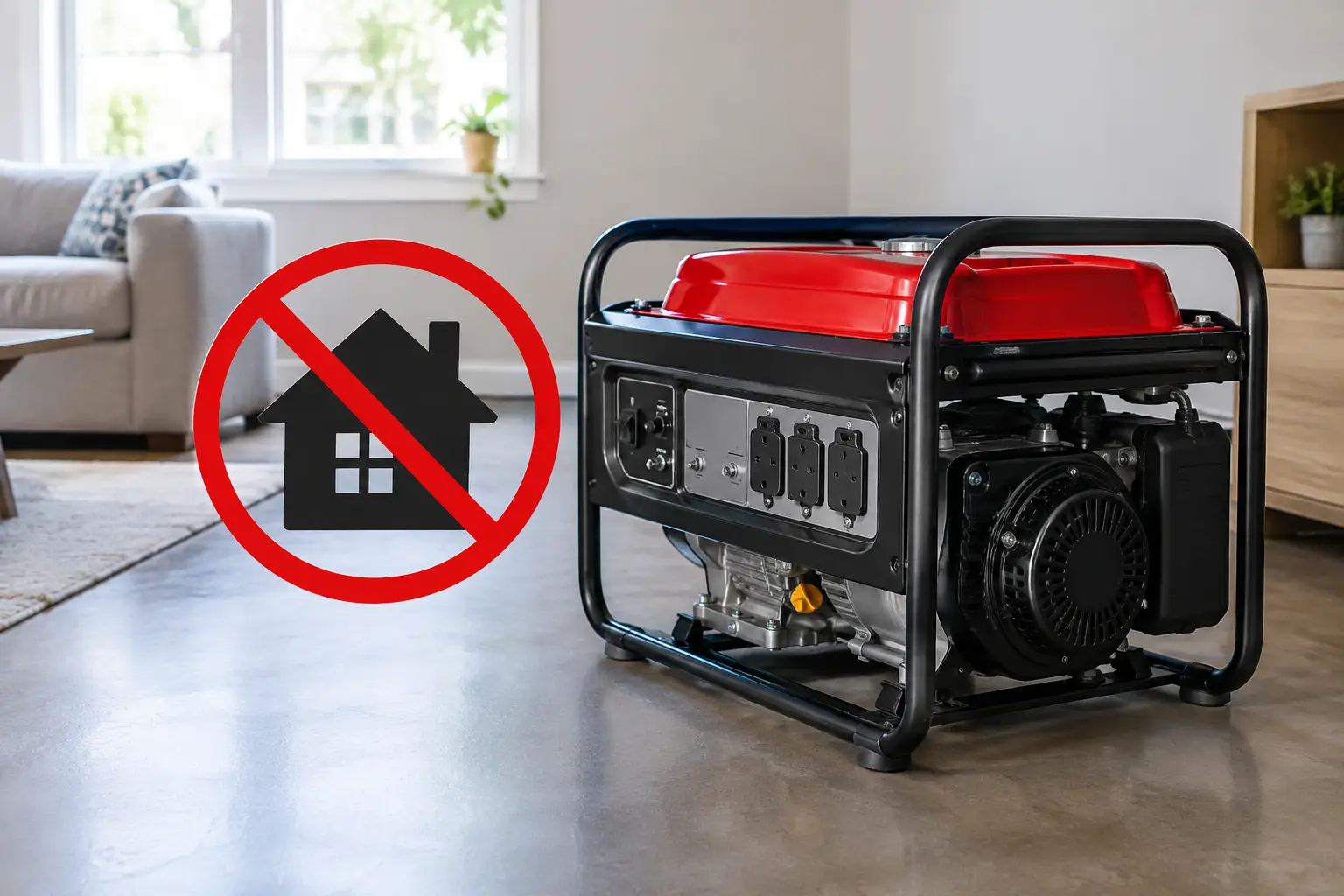
Code compliance matters just as much. Setback requirements, ventilation clearances, grounding, overcurrent protection, transfer switch configuration, and fuel connections all have safety and inspection implications. A good installer should be comfortable talking about permits and inspections in plain language. If someone acts like permits are optional or says they can “save you time” by skipping official steps, walk away.
Pay close attention to what happens after the install
If you remember one thing about how to choose generator installer partners, make it this: the relationship should not end at startup.
Generators sit quietly for long stretches, then get called into service during the worst weather and the most stressful moments. That means after-install support is not an extra. It is part of the value.
Ask what happens once the unit is commissioned. Do they offer preventive maintenance? Will they perform load testing and annual inspections? Is remote monitoring available? If the generator throws an alarm during a storm, who responds? If a warranty issue comes up, do they handle that process or send you elsewhere?
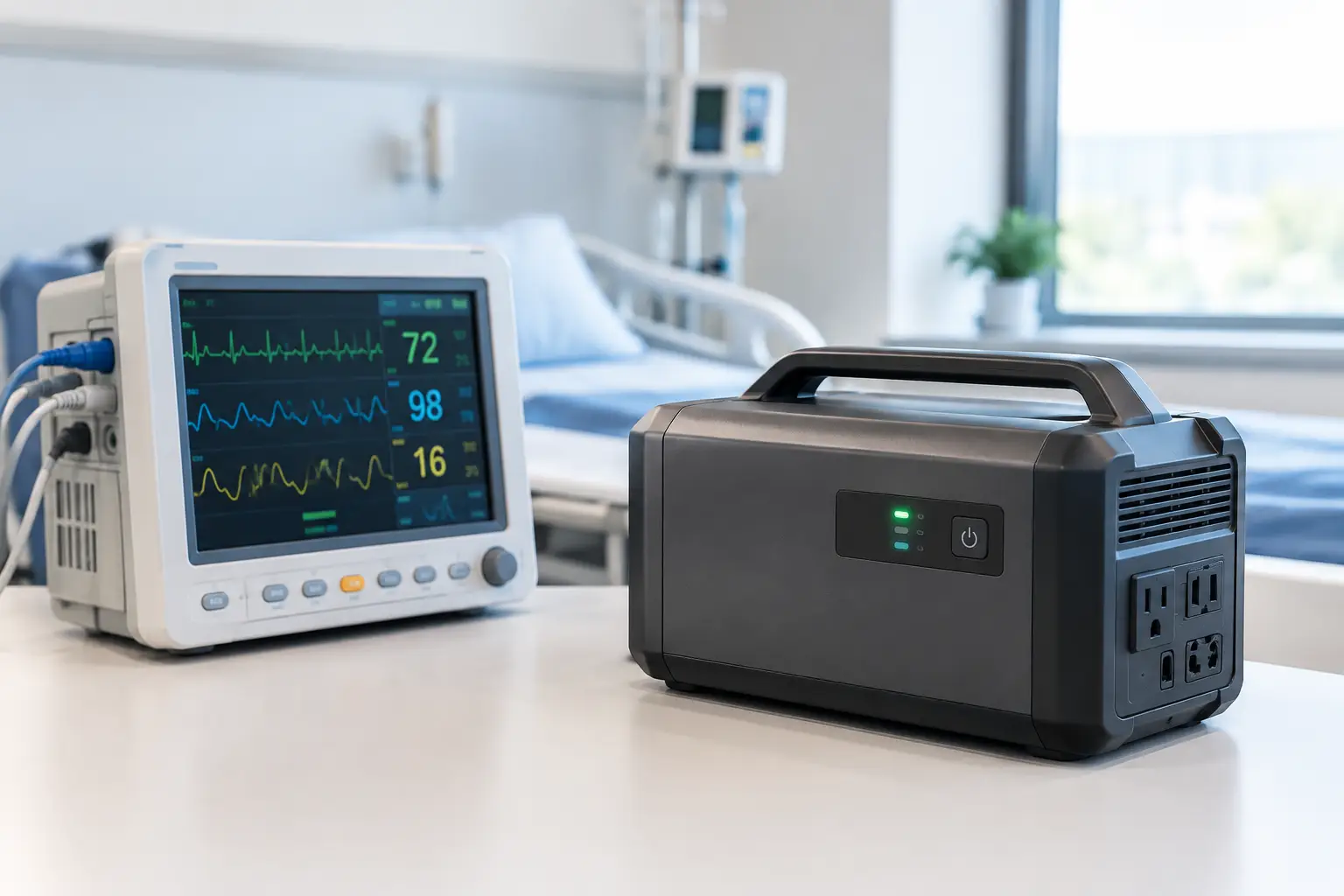
A contractor who disappears after the final invoice leaves you owning the risk. A service-focused company stays accountable for the system over time. That is especially important for customers who rely on backup power for medical equipment, home offices, cold storage, tenant comfort, or uninterrupted business operations.
Read quotes carefully, not just prices
A professional quote should help you understand what you are getting. It does not need to be overloaded with technical jargon, but it should be clear about scope.
Look for details about the generator model, transfer switch, included labor, startup and testing, permitting, fuel or utility coordination, pad or mounting work, and any exclusions that could affect final cost. Transparency matters more than how polished the proposal looks.
Be careful with unusually low bids. Sometimes a lower quote reflects legitimate differences in system size or scope. Other times it signals shortcuts in materials, labor quality, service support, or code compliance. The cheapest installation is rarely the cheapest ownership experience if it leads to callbacks, failures, or rework.
Watch for signs of a contractor you can trust
Trust is built in small moments. A strong installer shows up prepared, asks practical questions, explains trade-offs, and does not rush you past concerns. They should be comfortable discussing lead times, fuel limitations, placement constraints, noise expectations, maintenance intervals, and what the generator will and will not do.
That honesty matters. Not every property is ideal for every generator model. Some homes need fuel upgrades. Some businesses need a more involved power plan. A contractor who tells you only what you want to hear may be easier to like at first, but harder to rely on later.
By contrast, a company that takes ownership of the details is usually the one protecting you from expensive surprises. That is the kind of approach GenTek Power believes customers deserve – clear recommendations, professional execution, and support that continues long after installation day.
Questions worth asking before you sign
A few direct questions can tell you a lot. Ask who will perform the work, whether permits and inspections are included, how they calculate generator size, what service support looks like after installation, and how warranty issues are handled. Ask what could change the quoted price and what site conditions might affect the timeline.
The goal is not to interrogate the contractor. It is to find out whether they have a reliable system for delivering a reliable result. A good company will welcome those questions because they know informed customers make better long-term clients.
Choosing a generator installer should leave you feeling more protected, not more uncertain. When the right team is in place, backup power stops being another project to worry about and becomes one less thing your family or business has to fear when the lights go out.