A standby generator can solve the outage problem and still create a new one if it is installed in the wrong place. The best practices for generator placement are not just about fitting the unit somewhere outside. They are about protecting your family, your building, your neighbors, and the long-term reliability of the system you are counting on when the grid goes down.
This is where many property owners get tripped up. They assume placement is mainly a convenience decision, or they focus on the shortest gas and electrical run to save money. In reality, generator location affects safety clearances, exhaust movement, noise, service access, snow and flood exposure, permitting, and even how well the generator performs over time. A poor location can lead to nuisance shutdowns, code issues, difficult maintenance, or worse, dangerous exhaust conditions.
Why generator placement matters more than most people expect
A standby generator is not patio equipment. It is an engine-driven power system with fuel supply, electrical connections, moving air, hot exhaust, and controls that need to work under stress. That means placement has to account for more than where the pad looks neatest.
The biggest concern is carbon monoxide. Generators must be located far enough from doors, windows, soffits, vents, and other building openings so exhaust cannot migrate indoors. That seems straightforward until you factor in prevailing winds, lot shape, elevation changes, decks, alcoves, and neighboring structures that can trap or redirect exhaust.
Noise is another factor that gets underestimated. Even quieter residential standby units produce noticeable sound during exercise cycles and outages. On a commercial property, the impact can be even greater if the generator is close to offices, customer areas, or neighboring businesses. The wrong location can create frustration long after installation day.
Then there is serviceability. A generator that is squeezed into a tight side yard or boxed in by fencing may technically fit, but routine maintenance becomes harder, slower, and less effective. If technicians cannot access panels safely, small service issues can become expensive problems.
Best practices for generator placement around a home or building
The safest and most reliable placement starts with code and manufacturer requirements, then works outward from there. Clearance rules vary by unit, fuel type, municipality, and site conditions, so there is no honest one-size-fits-all answer. Still, a few principles apply almost everywhere.
Keep the generator outside and away from openings
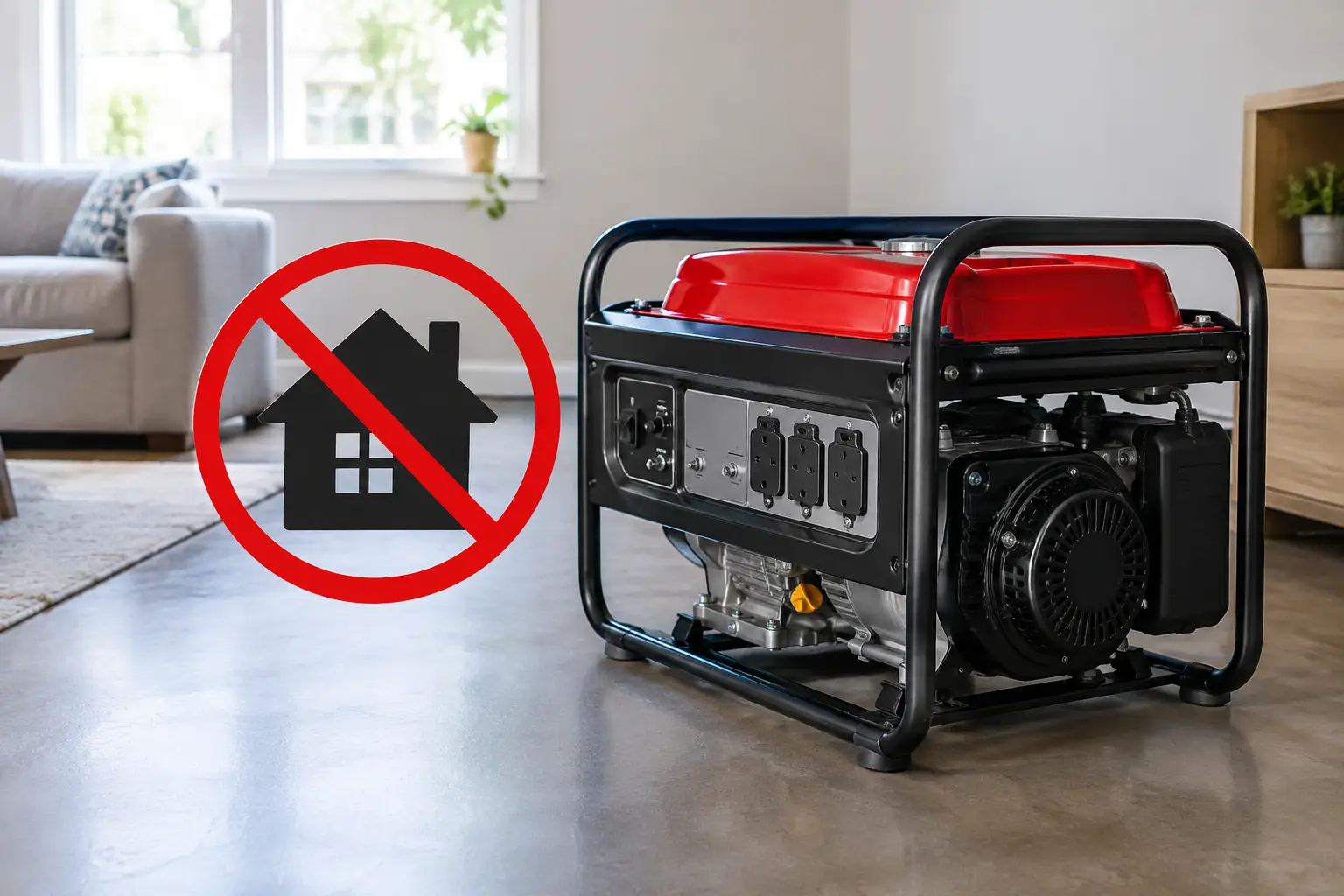
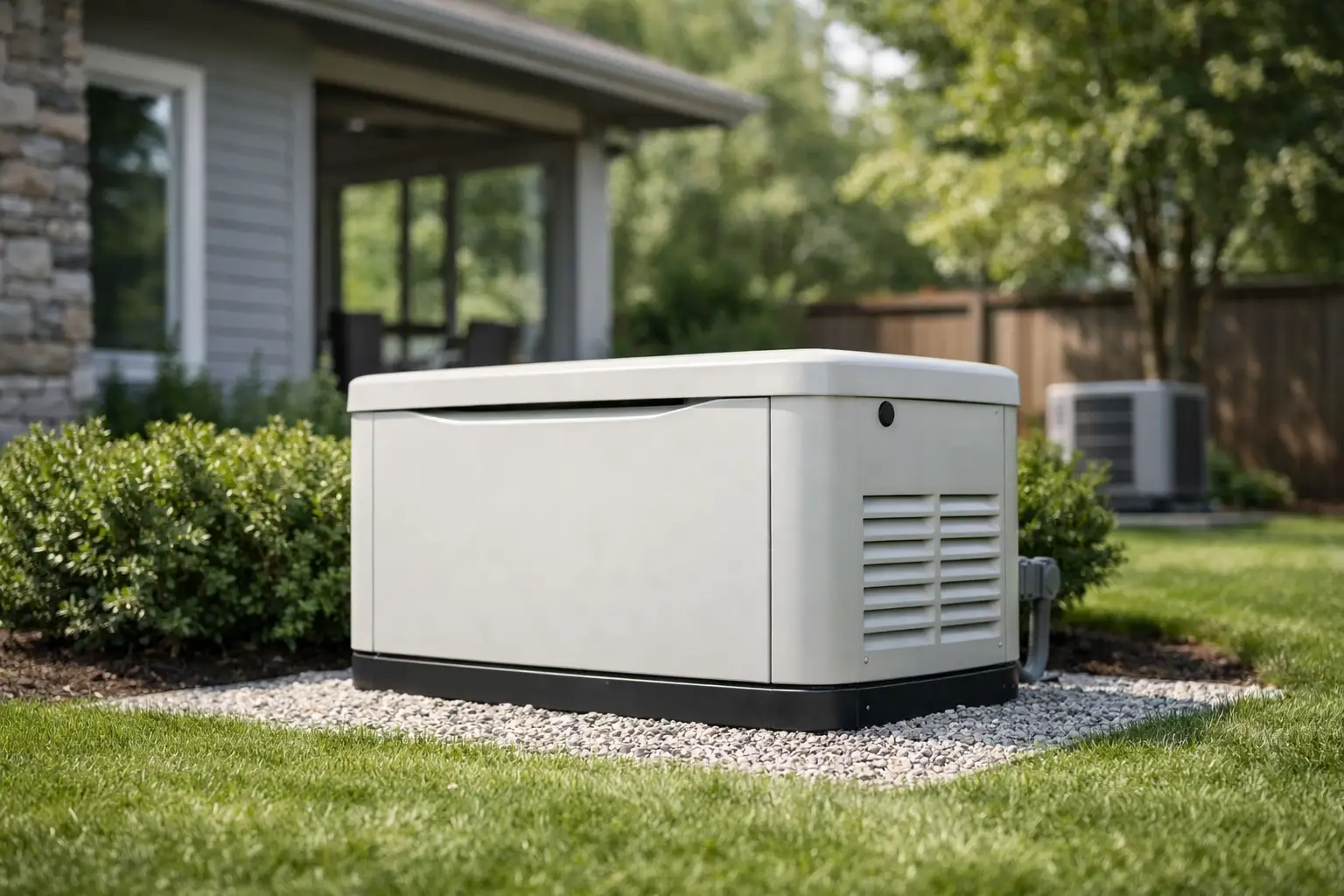
A standby generator belongs outdoors, on a proper pad, with required separation from doors, windows, fresh air intakes, crawl space vents, and similar openings. This is not an area to improvise. If a location feels tucked away but places the unit near a basement window or under an overhang where exhaust can collect, it is not a good location.
Covered areas deserve special caution. Some homeowners assume a spot under a deck or near a breezeway offers weather protection. In practice, those spaces can create serious airflow and exhaust hazards unless the unit and structure specifically meet all clearance and ventilation requirements. Most of the time, open placement is the safer route.
Leave room for maintenance and airflow
Generators need breathing room. They pull in air for cooling and combustion, and they need adequate clearance for technicians to inspect, repair, and maintain them. Crowding the unit with shrubs, fencing, storage, or HVAC equipment can restrict airflow and complicate service.
This matters during bad weather too. Snow drifts, leaves, and debris are more likely to collect in tight corners and narrow side yards. A generator that cannot move air properly may shut down exactly when you need it most.
Think beyond the shortest utility run
Property owners often ask for the closest possible location to the gas meter or electrical service. Sometimes that works well. Sometimes it creates a poor result because the closest spot is too close to a bedroom window, too exposed to drifting snow, or too hard to service.
The better approach is to balance utility efficiency with safety, code compliance, and long-term usability. A slightly longer run can be the smarter choice if it creates better clearance, lower noise impact, and easier access.
Noise, neighbors, and everyday livability
Placement is not just about emergency operation. Standby generators run self-tests on a schedule, and those exercise cycles become part of everyday life. If the generator sits right outside a bedroom, home office, patio, or neighbor’s fence line, you may regret the choice even if the installation passes inspection.
Consider where people actually live and work
A technically acceptable location is not always the most comfortable one. For a home, think about bedrooms, nurseries, patios, pools, and home offices. For a business, think about entrances, loading areas, customer-facing spaces, and work zones where noise matters.
This is where experience counts. A professional installer looks at how the property functions, not just where the box can physically sit. That kind of planning helps avoid complaints, relocation costs, and second-guessing later.
Plan for the worst weather, not the best day
Generator placement should reflect storm conditions, not just clear-day convenience. Water runoff, ice buildup, drifting snow, and falling debris all affect reliability. A low spot in the yard might seem hidden and tidy in summer, but it can become a drainage problem during heavy rain or spring thaw.
Likewise, placing a unit directly under a roof valley or near an area where snow slides off can create winter trouble. The right location reduces exposure to the conditions most likely to interrupt operation.
Site conditions that change the right answer
One reason the best practices for generator placement are not universal is that every property has constraints. Corner lots, narrow side yards, townhomes, commercial buildings, and heavily landscaped sites all create trade-offs.
A small residential lot may leave very few code-compliant options. In those cases, the installer may need to coordinate more carefully around windows, gas routing, utility setbacks, and neighboring properties. A commercial site may have more room but also more complexity, including customer traffic, service lanes, rooftop intakes, and larger fuel or electrical requirements.
Grade also matters. The unit needs a stable base and proper drainage. If the generator is installed on a pad that shifts, settles, or collects water, vibration and moisture can shorten equipment life. Placement should always account for the ground itself, not just the surrounding walls and utilities.
Why professional placement beats guesswork
Generator placement is one of those decisions that looks simple from a distance. Then permitting, code review, manufacturer clearances, utility coordination, and site realities enter the picture. What seemed like a good location on a sketch can quickly fall apart once all the requirements are applied.
That is why professional planning matters. A qualified installer evaluates fuel supply, electrical connection points, clearances, exhaust direction, sound impact, pad location, and service access together. They also account for what happens after the install, because the job is not finished when the generator starts for the first time. It has to remain safe, maintainable, and dependable for years.
This is also where low-cost bids can become expensive. Some contractors treat placement as a way to make the estimate easier or cheaper, not better. They may choose the quickest location without fully thinking through airflow, maintenance space, noise, snow, or future service. The problem may not show up until the first major outage, when reliability matters most.
A company like GenTek Power approaches placement as part of the full protection plan, not a box to check. That means looking at the property carefully, explaining trade-offs clearly, and choosing a location that supports safe operation and long-term performance.
Questions to ask before approving a location
If you are reviewing a proposed generator site, ask simple direct questions. Is it fully code compliant. Does it meet manufacturer clearance requirements. How will exhaust move in this area. Will noise affect bedrooms, workspaces, or neighbors. Can the unit be serviced easily in winter. Is the pad above likely water accumulation. Will snow, leaves, or debris be a recurring issue.
A good contractor should answer those questions without hand-waving. You should hear a clear explanation, not just reassurance that it will be fine.
Placement is one of the earliest decisions in a generator project, but it affects everything that follows. When the location is chosen carefully, the system is safer, easier to maintain, less intrusive, and more likely to perform the way you expect during an outage. That peace of mind starts long before the storm does.