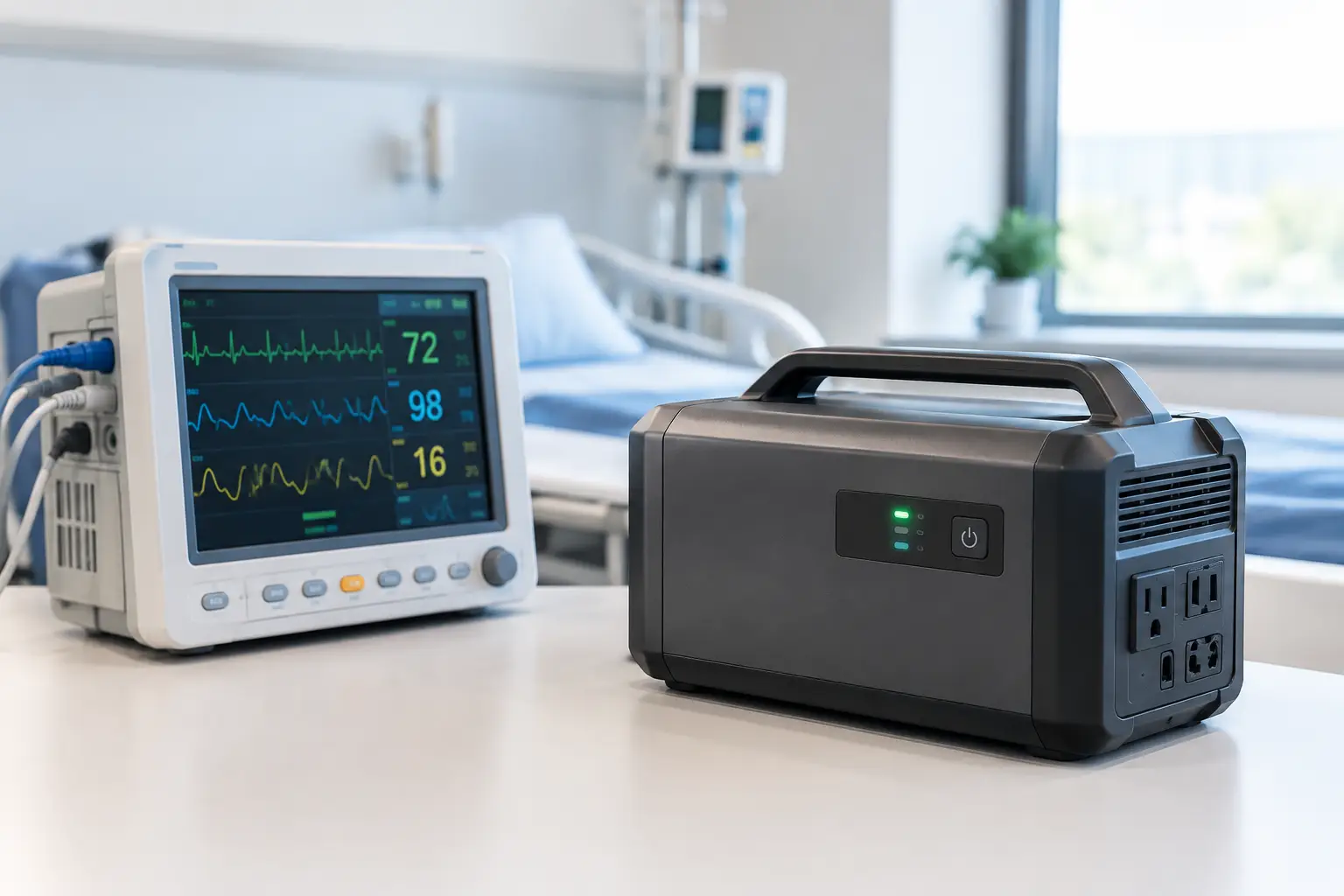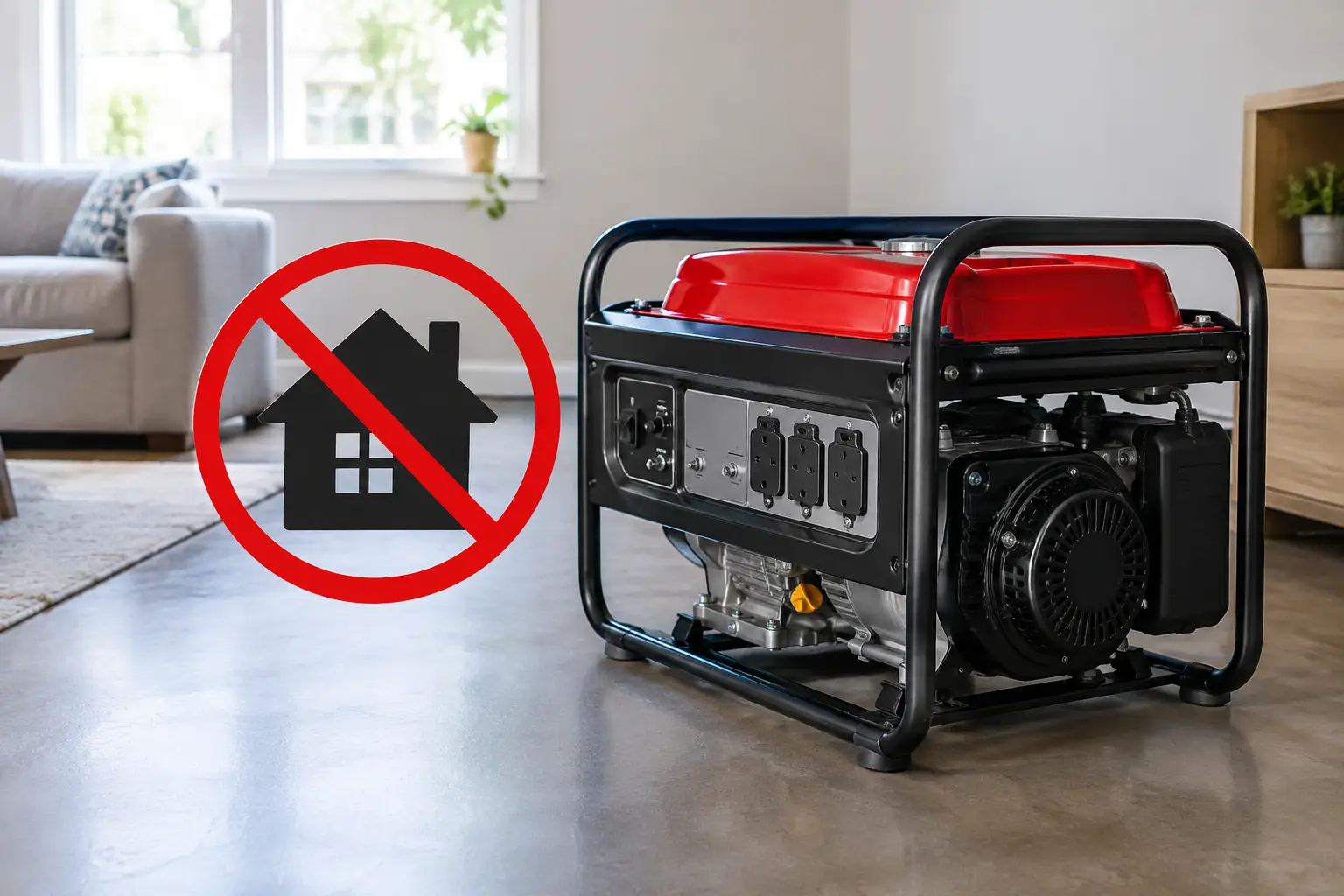
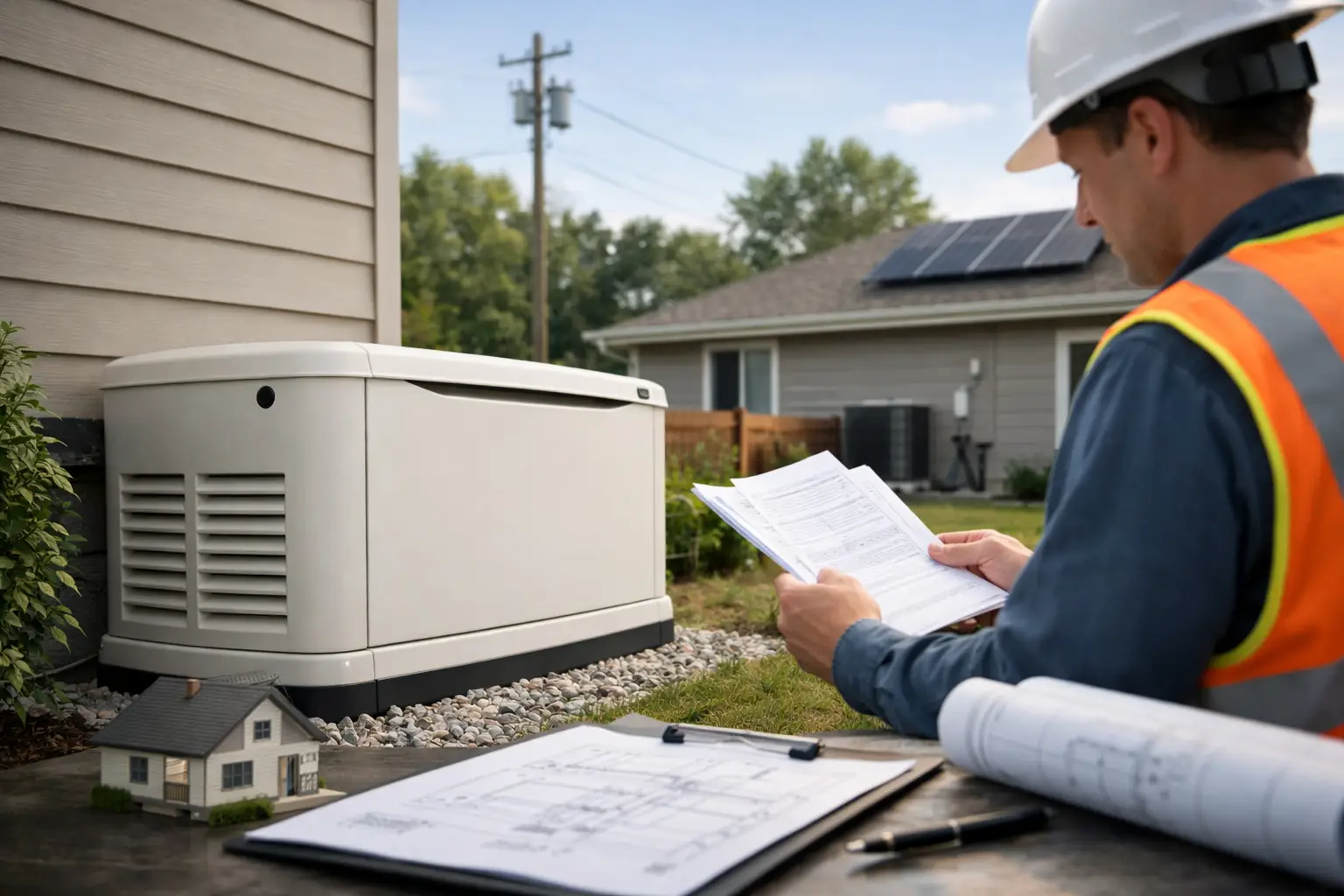
The surprise for most people is not the cost of a standby generator. It is the paperwork. A backup power permitting guide matters because the permit process is where good projects stay on track and bad ones start to drift, stall, or fail inspection. If you are protecting a home, a small business, or a critical property, permitting is not a side task. It is part of getting a system that is safe, legal, and ready when the lights go out.
A lot of generator problems begin long before startup. They start with the wrong placement, missing utility approvals, poor load planning, or an installer who treats permitting like an afterthought. That usually leads to delays, change orders, failed inspections, or systems that technically run but create headaches later. The permit process exists to prevent those mistakes.
What permits are usually involved
Backup generator projects often require more than one approval. The exact mix depends on your location, the size of the system, whether it is residential or commercial, and how the generator is fueled.
In many jurisdictions, there is an electrical permit for the transfer switch, service connections, grounding, and any panel work. If the generator sits on a concrete pad or meets local zoning review, there may also be a building permit. If the unit uses natural gas or propane, a fuel gas permit is often required for new piping, regulators, or tank connections. Some locations also require zoning approval for setbacks, sound limits, or screening.
Commercial projects can involve another layer. Fire code review, engineering signoff, site plans, and utility coordination are more common when the generator supports occupancy, refrigeration, communications, or other business-critical systems. That does not mean the project is complicated beyond reason. It means the permitting path should be handled deliberately from day one.
Backup power permitting guide: what the process looks like
Permitting usually follows a straightforward sequence, even though local requirements vary. First comes site evaluation and load planning. That is where the installer determines what the generator must support, where it can be safely placed, and whether the existing electrical and gas infrastructure can handle it.
Then the paperwork gets built around the real project. That may include a site plan, equipment specifications, electrical one-line information, load calculations, gas pipe sizing, and manufacturer cut sheets. If utility approval is needed, that request is typically submitted before installation begins.
Once permits are issued, installation can move forward. After the work is complete, inspections are scheduled. In many cases, final startup and handoff happen after the authority having jurisdiction signs off, or in coordination with that signoff. The order can shift slightly by area, but the principle stays the same: design first, permit second, install third, inspect before closeout.
Why generator permits get delayed
Most delays are avoidable. The issue is usually not the permit office alone. It is incomplete preparation.
A common problem is bad site selection. A generator cannot simply go wherever there is empty space. Clearance from windows, doors, vents, lot lines, and ignition sources matters. Noise ordinances and HOA rules can also affect placement. If the first proposed location fails review, the drawing has to be revised and resubmitted.
Fuel planning is another frequent snag. A generator that is correctly sized on the electrical side can still be underfed if the gas service is not evaluated properly. Existing meters, regulators, and pipe runs may need upgrades. If that is discovered late, the schedule stretches quickly.
There is also the issue of scope drift. Some owners start by saying they want to back up a few essentials, then decide they want air conditioning, a pool system, a workshop, or more business loads included. That can change the generator size, transfer equipment, fuel demand, and permit package. None of that is wrong. It just needs to be settled early enough to avoid rework.
Residential permits versus commercial permits
Homeowners and business owners face the same basic goal – safe, code-compliant standby power – but the path is not always identical.
For homes, permitting tends to focus on placement, electrical integration, gas connections, and neighborhood rules. The review is often simpler, especially for standard air-cooled standby systems installed beside a single-family home. Still, simple does not mean casual. A failed electrical inspection on a home project can delay utility coordination and final startup just as easily as on a larger job.
For commercial properties, the review can be more detailed because downtime has broader consequences. A generator supporting point-of-sale systems, servers, refrigeration, tenant operations, or access control may involve larger transfer equipment, longer run-time expectations, and more documentation. Some businesses also need to consider whether the generator is legally required standby, optional standby, or tied to a specific operational risk. That affects design and approval requirements.
What a professional installer should handle
A reliable contractor does more than install equipment. They manage risk. That is especially true in permitting.
At minimum, your installer should verify site suitability, determine the right permit path, prepare the required drawings and documentation, coordinate with the utility when needed, schedule inspections, and correct any deficiencies if questions come up. They should also know the difference between what is technically possible and what will actually pass review in your area.
This is where full-service support matters. When one company owns the consultation, design, permit package, installation, testing, and follow-up, there is less room for finger-pointing. You are not left trying to sort out whether the electrician, plumber, concrete contractor, or salesperson missed something. Companies like GenTek Power build trust by taking responsibility for the entire process, not just the day the generator gets set in place.
Backup power permitting guide: how to avoid costly mistakes
The best way to keep a project moving is to treat permitting as part of system design, not a box to check at the end.
Start with an accurate load assessment. Oversizing and undersizing both create problems. An oversized unit may raise costs and fuel demands unnecessarily. An undersized one may force redesign or leave important circuits out. The right system size shapes the permit package from the beginning.
Be realistic about location. The best spot for the owner is not always the best spot for code, service access, or noise control. A good installer will explain the trade-offs clearly. A unit closer to the electrical service may simplify wiring but create setback issues. A unit farther away may solve noise concerns but increase trenching and gas piping costs.
Ask early about utility involvement. If gas meter upgrades or electrical service coordination are needed, lead times may exceed the permit office timeline. This is where project schedules often go sideways.
Finally, do not choose an installer based on a low number that assumes the permits will somehow work themselves out. If a quote is vague about permitting, inspections, or utility coordination, that is not a bargain. It is a risk.
What owners should ask before signing
You do not need to become a code expert, but you should get direct answers. Ask which permits are required, who is pulling them, what inspections will be needed, whether utility approvals are included, and what could affect the timeline. Ask whether the quoted scope includes correcting minor inspection items if they arise. Ask how the final startup is handled and whether post-install service is available after the permit is closed.
These questions are not about being difficult. They are about making sure your protection plan is real. A standby generator is supposed to remove uncertainty during an outage. The installation process should do the same.
The real value of getting permitting right
When permitting is handled properly, most of it stays invisible to the owner. That is a good thing. You get a system placed where it belongs, wired and fueled correctly, approved by the right authorities, and ready to carry your home or business through an outage without last-minute surprises.
There is no shortcut worth taking here. The generator you depend on during a storm, a winter freeze, or an unexpected grid failure should be backed by more than equipment specs. It should be backed by a process that protects you before the outage ever happens.
If you are planning backup power, treat permitting as part of the protection you are buying, not just the paperwork you have to get through.