The power goes out at 7:12 p.m. The freezer is full, the sump pump is one storm away from overtime, the Wi-Fi drops, and the house gets quiet in a way nobody likes. A residential standby generator buying guide should make that moment simpler, not more confusing. The right system protects your home automatically, but the wrong size, installer, or service plan can leave you with expensive equipment that still fails when you need it most.
What a residential standby generator is really buying you
Most homeowners start by asking what size generator they need. That matters, but it is not the first question. What you are really buying is continuity. You are protecting heat, air conditioning, refrigeration, lighting, internet service, security systems, medical equipment, garage access, and in many homes, basement flood prevention.
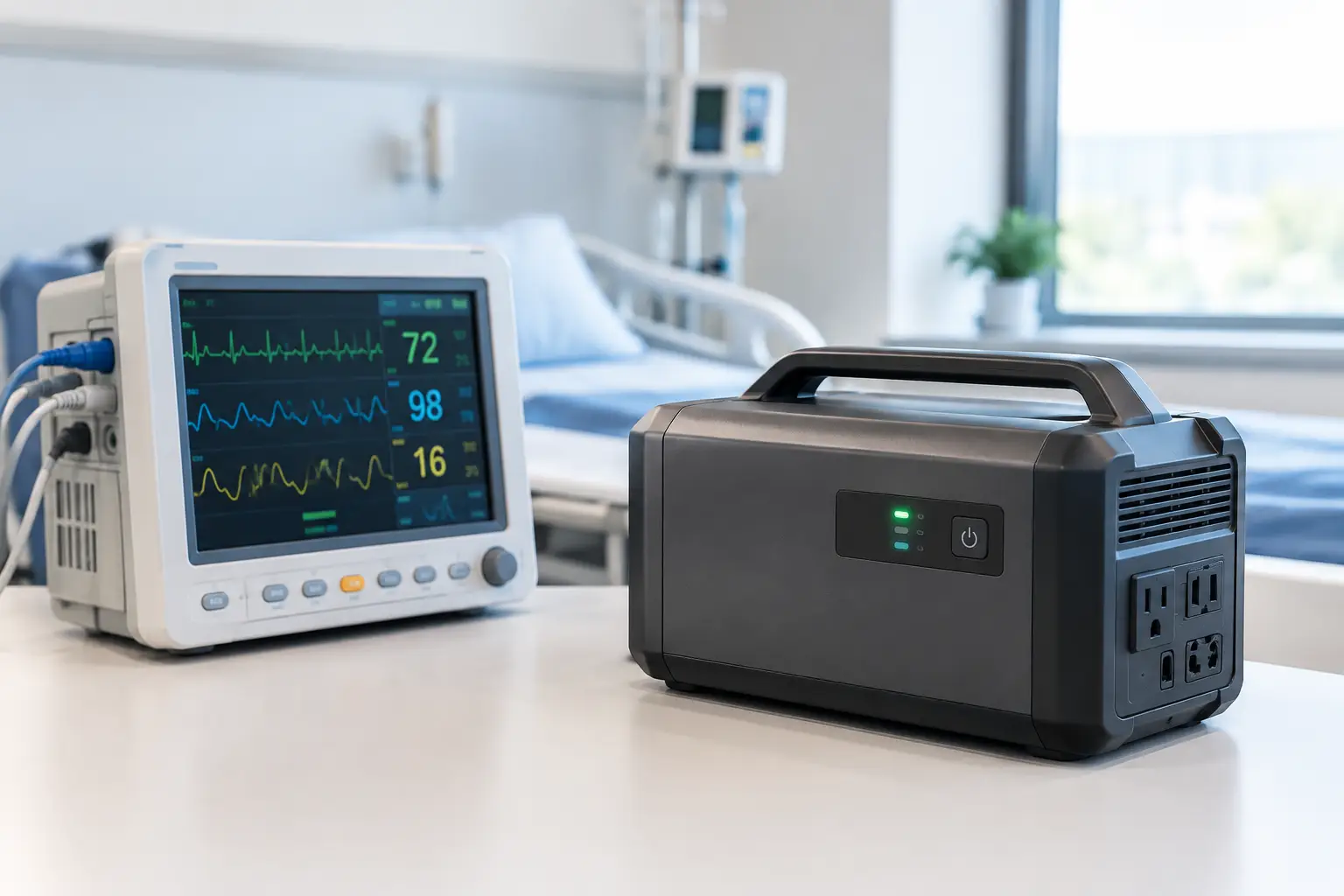
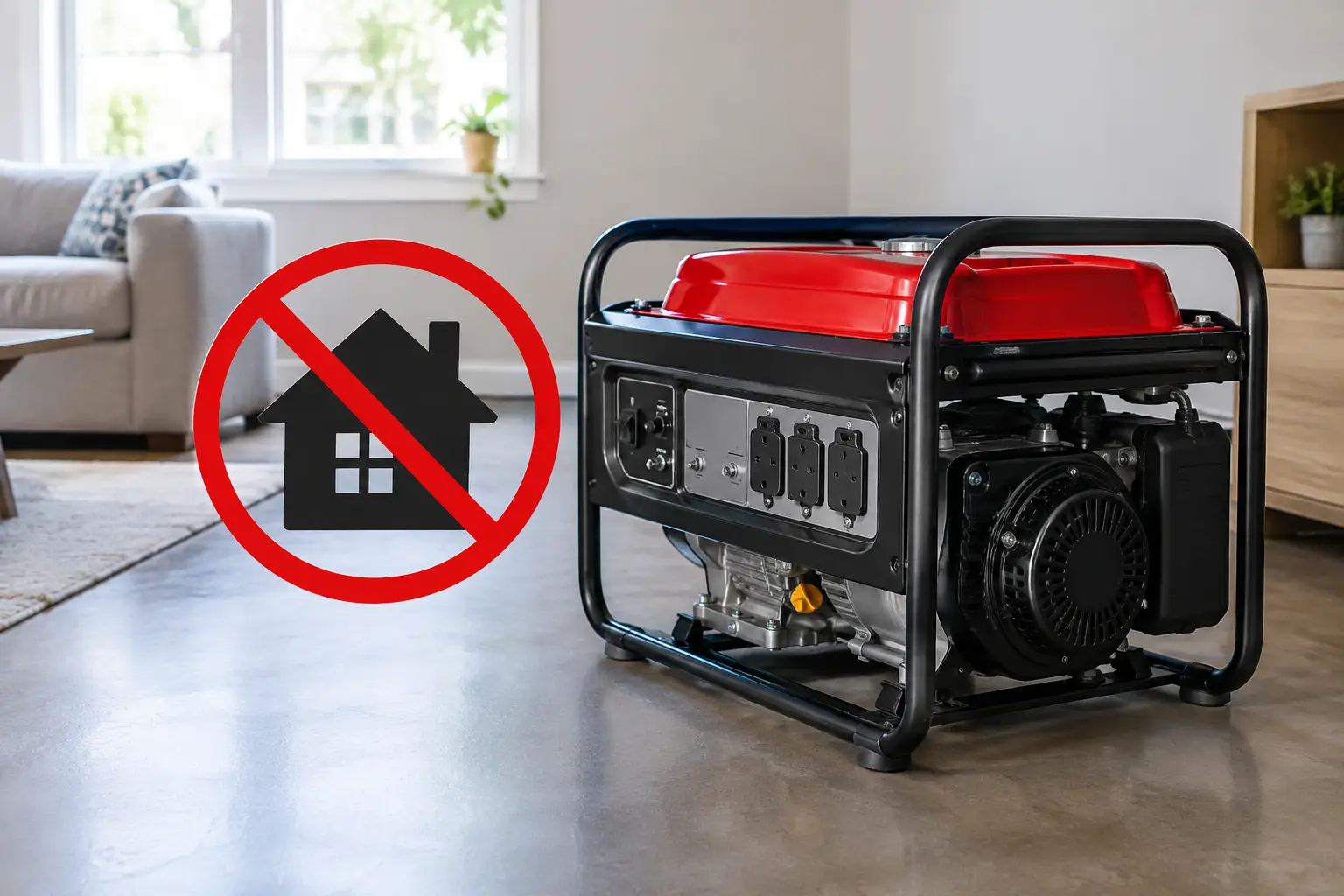
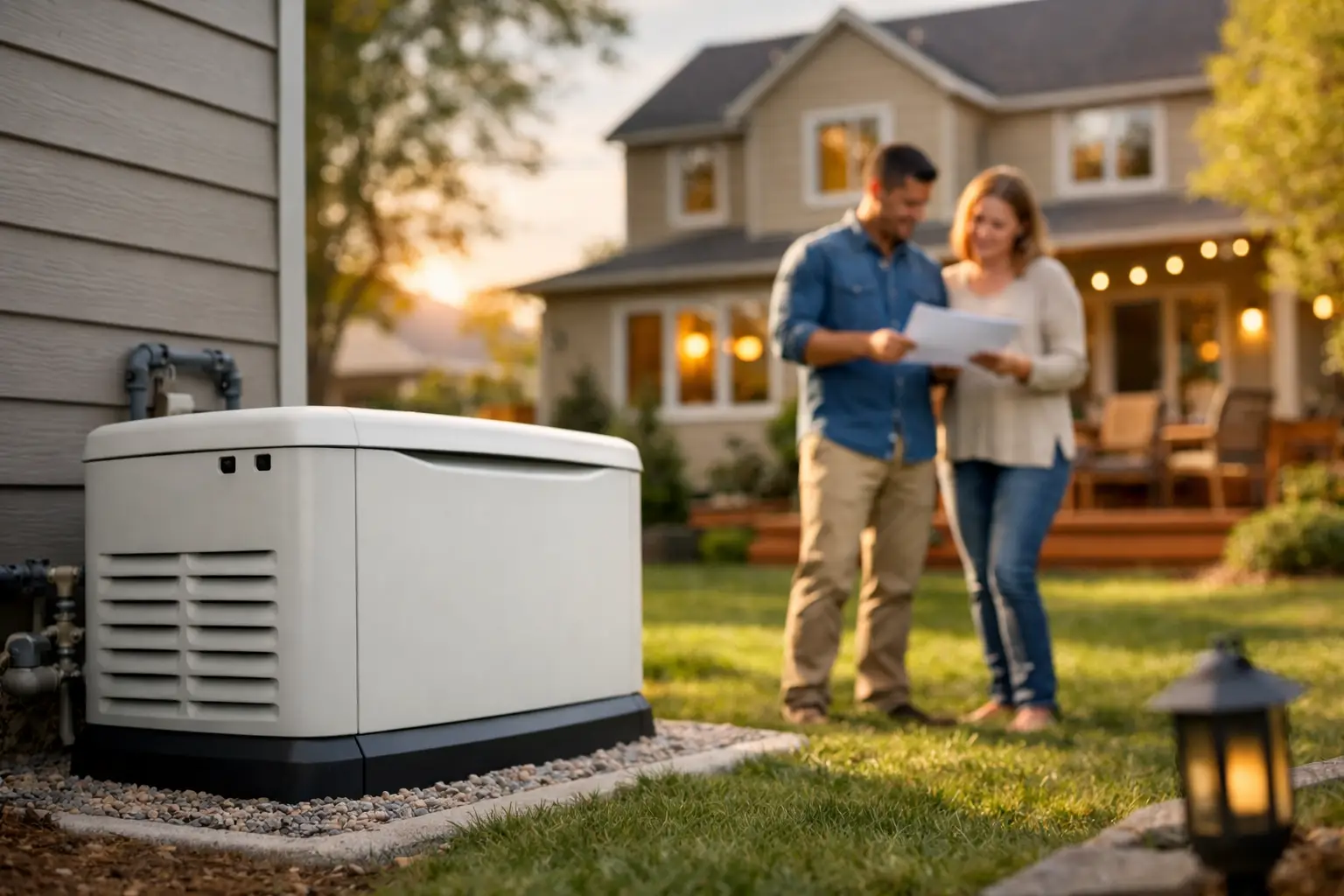
That is why standby power should be treated more like a home system than an appliance. A portable unit can cover temporary basics. A residential standby generator is built to detect an outage, start automatically, transfer power safely, and keep the home running without extension cords, refueling in the rain, or guessing what can stay on.
For some families, that means whole-home backup. For others, it means keeping only critical circuits alive. Neither approach is automatically right. It depends on your budget, your utility reliability, and what your household cannot afford to lose during an outage.
Residential standby generator buying guide: start with load, not brochure claims
Generator sizing is where many purchases go sideways. Homeowners often see a kilowatt number and assume bigger is always safer. Sometimes it is. Sometimes it just costs more upfront, burns more fuel, and still does not solve the right problem.
A proper sizing conversation looks at your actual electrical demand. That includes major loads like central air, electric heat, well pumps, sump pumps, electric water heaters, ovens, dryers, and EV chargers. It also considers motor starting loads, because certain equipment needs a higher surge of power when it kicks on.
If you want whole-home backup, the generator and transfer equipment need to support the house in a realistic way, not just on paper. If you want selective backup, the system should be designed around your true priorities. Refrigeration, heating equipment, medical devices, internet, home office equipment, and water management usually rank high. Pool equipment, secondary HVAC zones, and luxury loads may not.
This is one place where a site visit matters. Good sizing is not guesswork. It should come from load calculations, an understanding of the electrical service, and a clear discussion about how you live in the home.
Whole-home backup vs. essential circuit backup
Whole-home backup gives the most convenience. When the utility fails, life continues with fewer compromises. That is especially valuable for larger families, remote workers, smart homes, and households with finished basements or health-related power needs.
Essential circuit backup lowers the entry cost and can still provide strong protection. If your main goal is preserving food, preventing water damage, maintaining heat, and keeping communication online, a smaller system may be enough. The trade-off is that some circuits stay off, and that needs to be planned carefully so there are no surprises during an actual outage.
Fuel type matters more than many buyers expect
Most residential standby generator systems run on natural gas or propane. The better choice depends on what is available at your property and how you want to manage outage risk.
Natural gas is convenient because there is no on-site refueling and no tank to monitor. If your utility service is reliable and you already have gas at the home, it is often the simplest long-term option. Propane can be an excellent choice in areas without natural gas, and it gives homeowners more independence from utility gas infrastructure. The trade-off is that tank sizing and fuel supply management become part of the ownership equation.
Diesel is less common for standard residential installations. It can make sense in certain applications, but it is not the default choice for most homes because storage, maintenance, and emissions considerations are different.
Fuel planning should never be an afterthought. A properly sized generator still depends on a properly designed fuel supply.
The installation is just as important as the generator
One of the biggest mistakes homeowners make is shopping the box and ignoring the system around it. The generator itself is only part of the project. Transfer switch selection, electrical integration, gas or propane line sizing, pad placement, code clearances, noise considerations, permitting, and utility coordination all affect whether the system performs reliably.
This is why low-cost bids deserve a closer look. A cheap number can hide undersized fuel piping, vague electrical scope, no clear permit path, minimal startup testing, or limited support after installation. Standby power is not a product you want installed by someone who disappears after final payment.
A professional installation process should include a home assessment, documented scope, transparent quote, permit handling, code-compliant installation, startup and testing, and a clear plan for service after commissioning. That structure protects the homeowner from the kind of mistakes that only show up during the first storm.
Where placement and code compliance come in
Residential standby generators cannot be placed just anywhere. Manufacturers and local codes set minimum clearances from windows, doors, vents, regulators, and property features. Sound levels, drainage, snow accumulation, service access, and airflow also matter.
A good layout balances safety, performance, and practicality. It should not create future service headaches or put the system in a location that is more vulnerable during severe weather.
Look beyond purchase price to ownership cost
A residential standby generator buying guide should be honest about long-term cost. The generator is a home protection system, not a one-time transaction. That means the lowest purchase price is rarely the full story.
You should expect cost variables tied to generator size, fuel type, electrical complexity, trenching or gas work, transfer equipment, permitting, and site conditions. Then there is ownership after installation: preventive maintenance, battery replacement, firmware updates when applicable, repairs, and emergency support.
That is not a reason to avoid standby power. It is a reason to buy it correctly. A professionally installed system with manufacturer-backed warranty support and a real maintenance relationship usually costs less in frustration than a bargain installation that turns into a service problem later.
Service support is part of the buying decision
A generator is easy to love on installation day. The real test comes during an outage, or six months later when it needs maintenance, throws an alarm, or fails an exercise cycle. That is why service should be part of your buying decision from day one.
Ask who handles maintenance. Ask who responds if the unit has a fault during a storm. Ask whether the installer has factory-trained technicians, whether they stock common parts, and whether they support the systems they sell long after the installation is complete.
Homeowners often focus on brand first. Brand matters, but service accountability matters just as much. Even a strong generator line needs proper commissioning, ongoing care, and responsive troubleshooting. Companies like GenTek Power have built their reputation around owning that full process, which is exactly what many homeowners are trying to buy when they say they want peace of mind.
Questions worth asking before you sign
A good proposal should answer practical concerns clearly. What exactly will the generator power? How was the system sized? What fuel assumptions were used? What permits are required? Who is responsible for utility coordination? What testing is performed after installation? What maintenance does the manufacturer require to keep warranty coverage valid?
You should also ask what happens during an extended outage. How often will the unit exercise? How loud is it under load? What alarms should you expect to see? If your house changes later, such as an added air conditioner, finished basement, or EV charger, can the backup plan still support those loads?
Clear answers are a sign of a contractor who thinks beyond the sale.
Choosing the right system for the way you actually live
The best residential standby generator is not the biggest model or the cheapest quote. It is the system that matches your home, your risk level, and your expectations for reliability. If outages are rare and brief, essential backup may be enough. If you have a well pump, a finished basement, vulnerable plumbing, remote work requirements, or family members who depend on powered medical equipment, the value of full automatic protection rises quickly.
A smart purchase feels specific. It accounts for your electrical needs, your fuel options, your property layout, and the quality of the team standing behind the installation. That is what turns backup power from a product into real protection.
When you are comparing options, do not just ask what the generator costs. Ask whether the system will protect your home the way you expect when the lights go out and nobody has time for excuses. That answer is usually where the right decision starts.