A power outage rarely arrives at a convenient time. It can stop a point-of-sale system in the middle of a busy shift, shut down refrigeration overnight, leave staff without lighting or heat, or take critical communications offline when customers need answers. Understanding how commercial generators prevent downtime starts with recognizing that backup power is not simply a piece of equipment. It is a professionally designed system that keeps the parts of your business that matter most operating when utility power fails.
For businesses that depend on continuous operations, the cost of an outage can climb quickly. Lost sales are only part of the problem. There may be spoiled inventory, damaged equipment, missed production deadlines, security concerns, safety risks, and a loss of customer trust. A commercial standby generator helps reduce that exposure by automatically supplying power to selected or whole-building electrical loads during an outage.
How commercial generators prevent downtime during outages
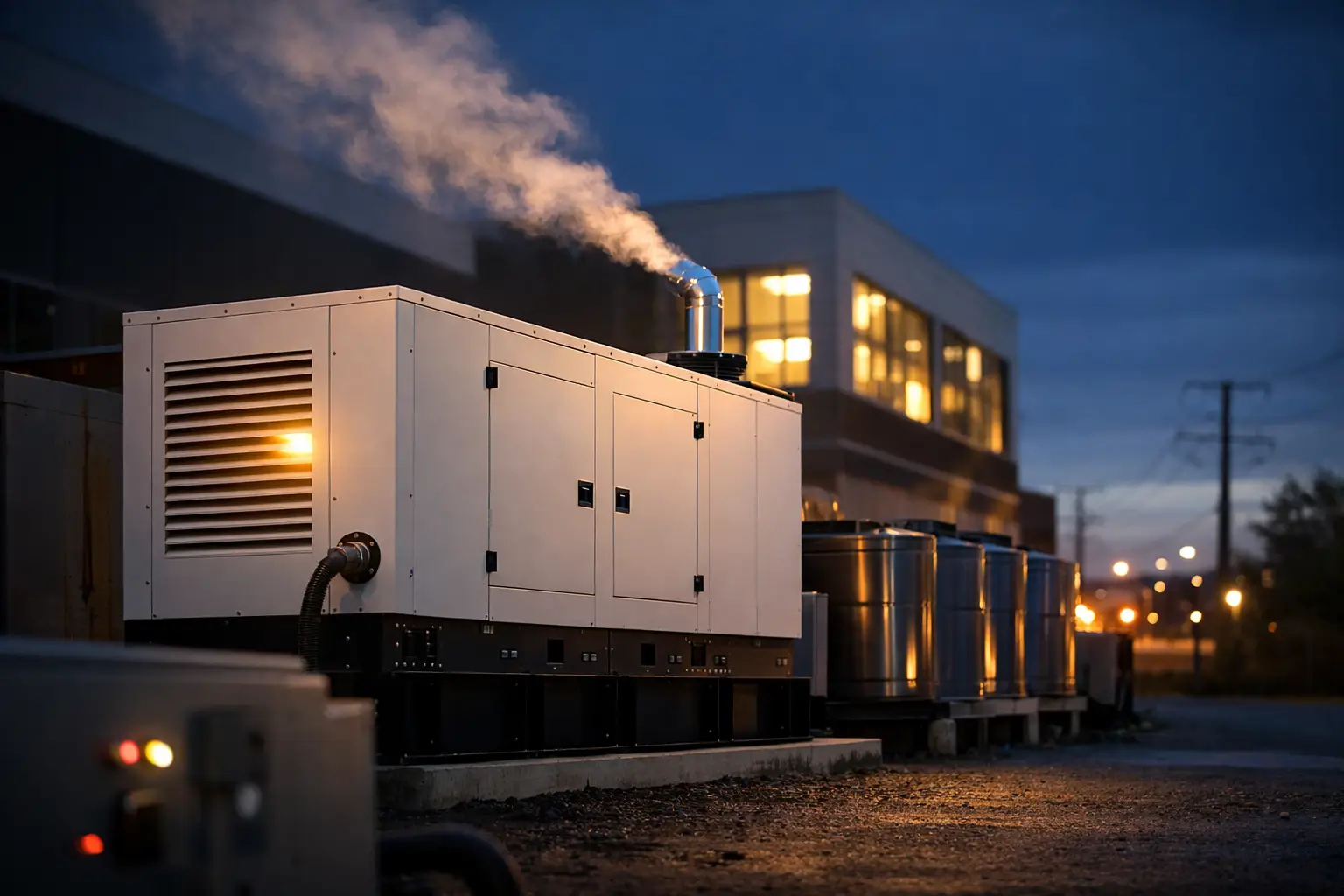
A properly installed commercial standby generator is connected to your electrical system through an automatic transfer switch. This switch constantly monitors utility power. When it detects a sustained outage, it safely disconnects the building from the utility supply and signals the generator to start.
Within seconds, the generator begins supplying electricity to the circuits identified in the system design. Depending on the application, that may include essential lighting, emergency systems, servers, network equipment, refrigeration, HVAC controls, pumps, security systems, production equipment, or the entire facility. When utility power returns and stabilizes, the transfer switch moves the building back to normal power and shuts the generator down after an appropriate cool-down period.
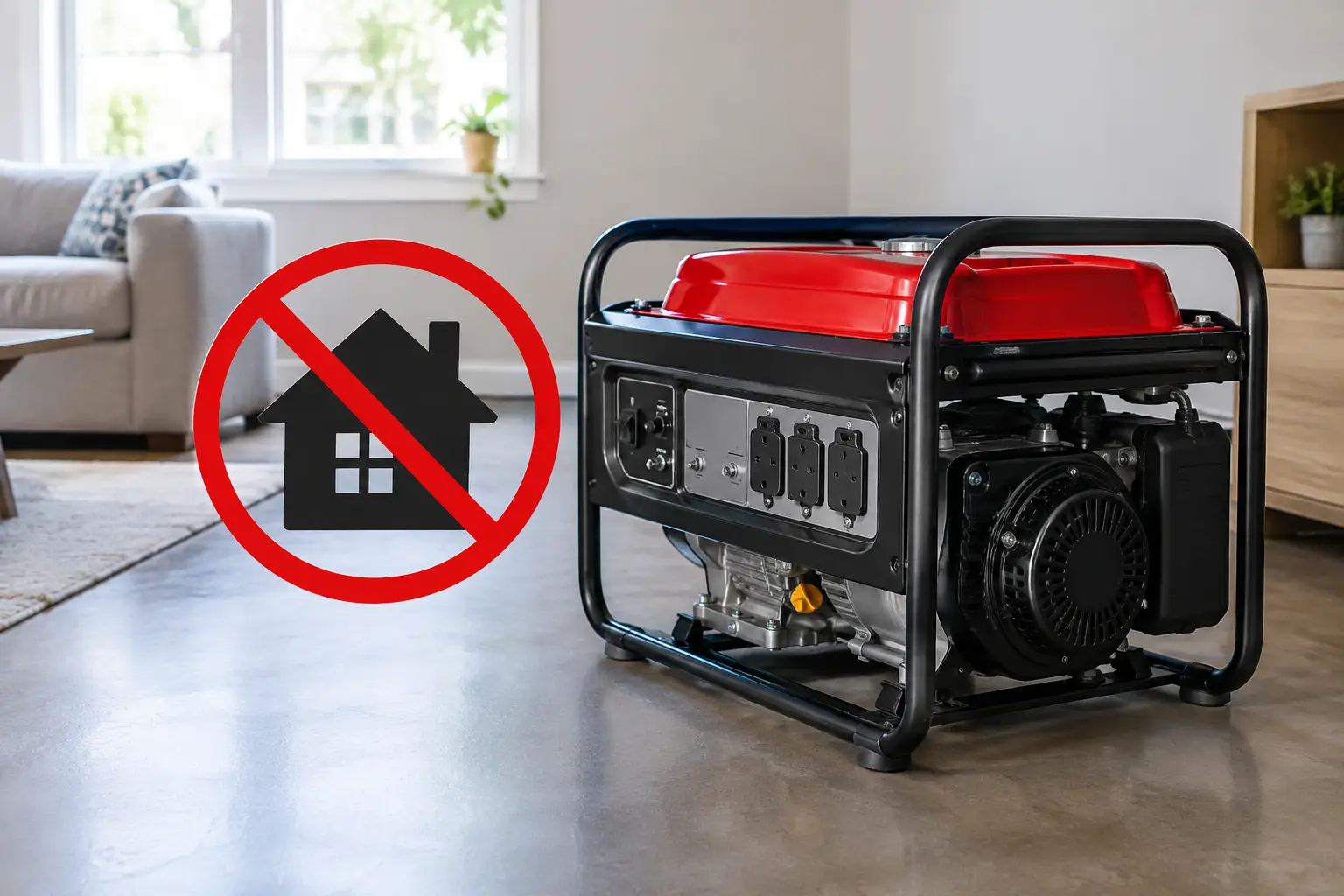
That automatic response is what separates a standby system from a portable generator and a rushed emergency plan. No one needs to be on-site to drag equipment into place, run extension cords, refuel a small unit, or decide which systems can stay on. The system is ready before the storm, utility failure, or equipment issue occurs.
Power reaches the systems that keep business moving
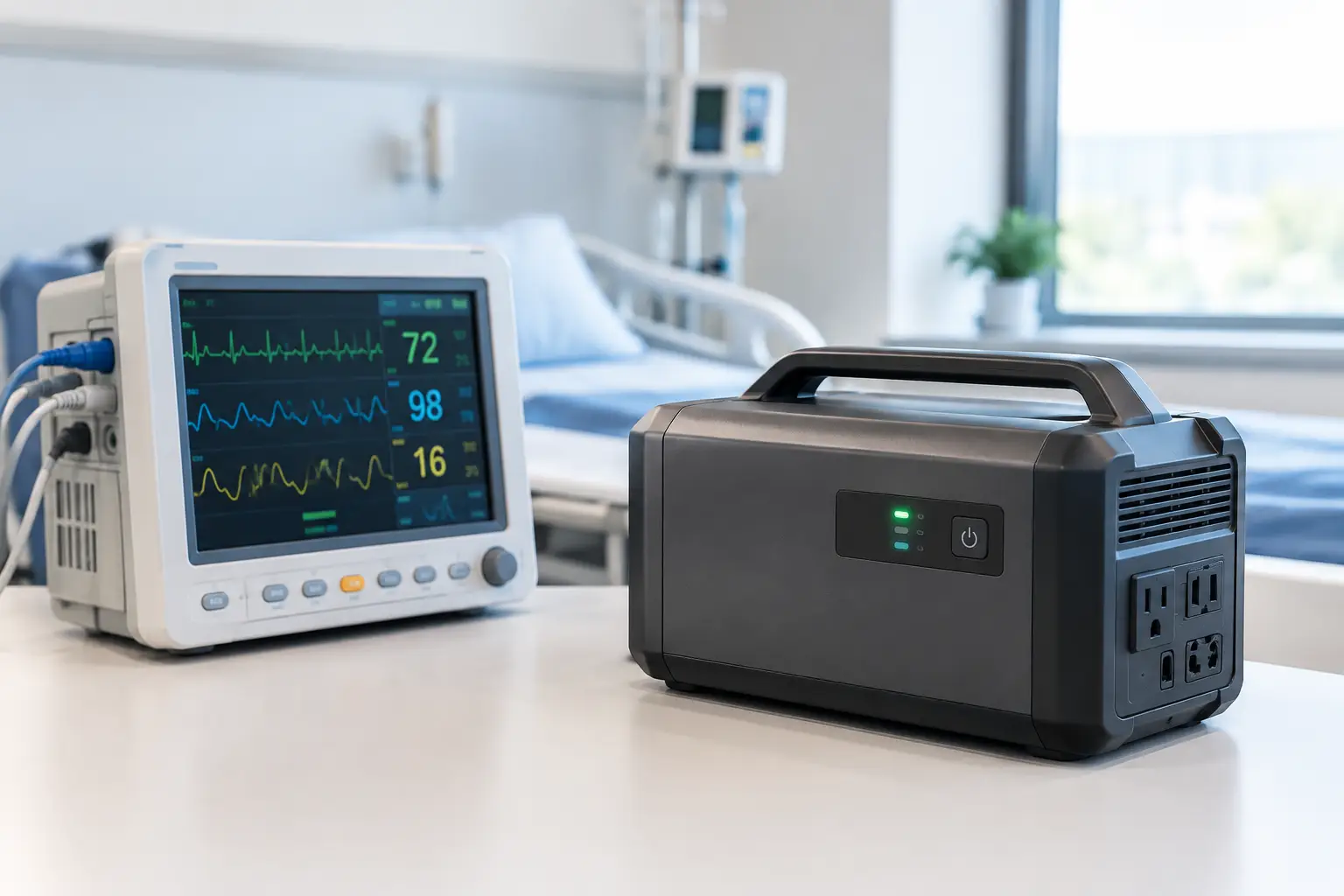
Not every business needs to power every circuit during an outage. In many cases, the best approach is to identify critical loads and build the system around them. A medical office may prioritize refrigeration, communications, lighting, and select clinical equipment. A restaurant may need walk-in coolers, freezers, kitchen refrigeration, point-of-sale equipment, and safety lighting. An office may focus on internet connectivity, servers, access control, and essential HVAC.
This planning matters because generator capacity must match the real demand. Undersizing a generator can lead to overloaded equipment and poor performance when it is needed most. Oversizing can increase installation and operating costs without delivering a meaningful benefit. A qualified assessment considers running loads, motor starting requirements, future expansion, local code requirements, fuel availability, and the operational consequences of losing each system.
The goal is not to sell the largest generator possible. It is to provide enough dependable power to protect the operation you cannot afford to lose.
Downtime prevention begins before the generator starts
A generator can only protect a business if the entire backup power system has been designed and installed correctly. The generator itself is one component. The transfer switch, electrical distribution, fuel supply, load calculations, placement, ventilation, permits, and commissioning all affect whether the system performs as expected.
For example, a natural gas generator may be an excellent long-term option when there is a reliable gas supply and sufficient gas pressure under full load. A diesel generator may make more sense for certain larger applications or sites where fuel can be stored and managed on-site. Neither choice is automatically right for every property. Fuel strategy should reflect runtime expectations, local conditions, maintenance needs, and the systems your business must support.
Site conditions also matter. Equipment needs proper clearances, a suitable foundation, safe exhaust routing, and protection from damage or obstruction. Electrical work must integrate correctly with existing service equipment and comply with applicable codes. Skipping these details may save money at the start, but it can create costly problems during inspection, startup, or a real outage.
A turnkey provider takes responsibility for the full process: consultation, system sizing, permitting, utility coordination, installation, testing, and long-term service. That accountability reduces the risk of gaps between contractors and gives business owners one clear partner to call when questions arise.
Automatic operation protects more than revenue
The most visible benefit of standby power is keeping the lights on, but the operational value goes much further. Backup power can help maintain safe conditions for staff and customers when utility power fails. It can keep alarm systems, cameras, access controls, and exterior lighting functioning when a dark building would otherwise be vulnerable.
It can also protect equipment and inventory. Refrigerated products, temperature-sensitive materials, computer hardware, and building systems may be damaged or compromised by a prolonged loss of power. In some operations, even a short interruption can trigger a lengthy restart process, force manual recovery work, or create compliance concerns.
For customer-facing businesses, continuity also preserves confidence. Customers are more likely to remember the business that stayed open, answered the phone, processed payments, or delivered service while surrounding locations were offline. That does not mean every company needs whole-facility backup. It means the backup plan should be based on the real cost of interruption, not only the purchase price of a generator.
Maintenance is part of preventing downtime
A commercial generator is not a set-it-and-forget-it purchase. Like any critical mechanical and electrical system, it needs routine service to remain ready. Batteries weaken, filters become dirty, fluids age, connections can loosen, and fuel-related issues can develop over time. A generator that has not been maintained may still start during a test, yet struggle under a real building load.
A professional maintenance program typically includes scheduled inspections, oil and filter service as required, battery checks, exercise testing, control panel review, and an inspection of the transfer switch and related components. Load testing may also be appropriate to confirm that the generator can carry the intended demand.
Remote monitoring adds another layer of protection for many commercial sites. It can report operating status, exercise results, alarm conditions, low battery voltage, and other issues before an outage exposes them. Monitoring does not replace hands-on service, but it gives your service team earlier visibility into problems that require attention.
The trade-off is straightforward: maintenance requires an ongoing investment, while neglect can turn a backup generator into an expensive asset that fails at the exact moment it is supposed to protect the business. For critical operations, that is not a risk worth taking.
Common gaps that leave businesses exposed
Many businesses believe they have backup power because a generator exists on the property. The better question is whether the system can support current operations under real outage conditions. Business needs change. New equipment is added, occupancy increases, technology expands, and electrical loads grow. A generator sized years ago may no longer match the facility it serves.
Other common gaps include a transfer switch that does not cover the right circuits, insufficient fuel capacity, an aging battery, missed maintenance, or staff who do not know what the system is designed to power. These issues are often discoverable during a professional inspection and test, before a storm makes corrections difficult.
If your business has experienced a close call, do not wait for the next outage to evaluate the system. Review what stopped working, what had to be done manually, how long recovery took, and which losses would have been avoidable with properly planned backup power.
Build a backup power plan around your operation
The right commercial generator plan begins with a conversation about continuity. What must remain operational for the first hour of an outage? What needs to run through an overnight utility failure? Which systems protect life safety, inventory, revenue, data, and customer service? The answers shape the equipment, fuel source, transfer equipment, and maintenance plan.
GenTek Power helps businesses move from uncertainty to a professionally managed standby power solution, with clear system planning and support after installation. The best time to make these decisions is while utility power is still available and there is time to design the system correctly.
An outage may be outside your control. Whether it becomes a business shutdown is a decision you can prepare for now.