The power goes out at 6:12 p.m. The fridge is full, the sump pump is one heavy rain away from running, your Wi-Fi drops, and the house gets quiet in the worst way. That is when the question stops being theoretical. In a real generator vs battery backup decision, what matters is not which option sounds newer or cleaner. What matters is which one will actually protect your home or business when the outage lasts longer than expected.
For some properties, battery backup is a smart fit. For others, it leaves too many gaps. A generator can carry more load for far longer, but it also requires fuel, proper installation, and ongoing service. The right answer depends on what you need to keep running, how long outages typically last, and how much risk you are willing to carry when utility power is down.
Generator vs battery backup: the real difference
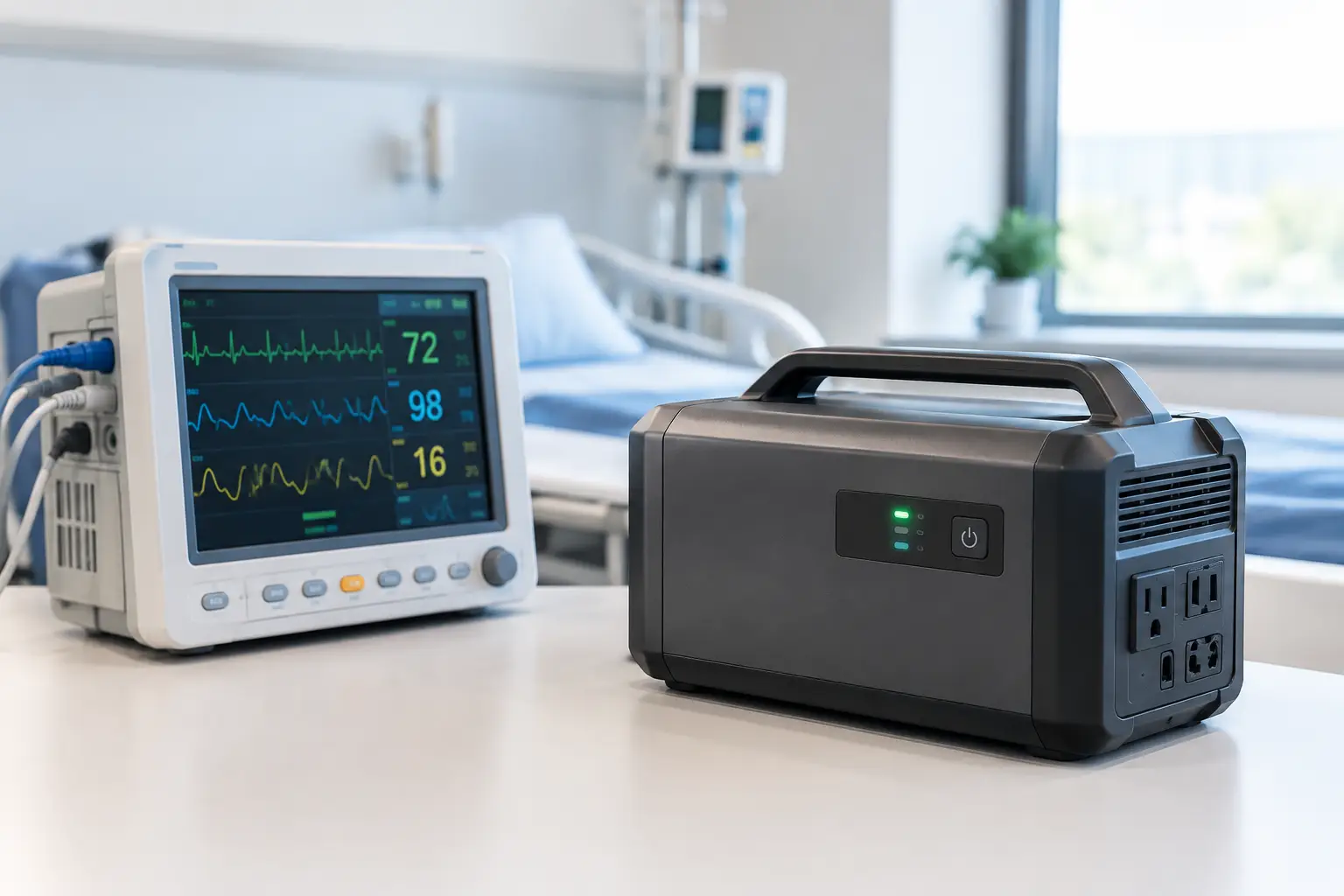
At a basic level, a battery backup system stores electricity for later use. When the grid goes down, it powers selected circuits or a limited portion of the building until the stored energy is depleted. After that, it needs utility power or a compatible charging source to recharge.
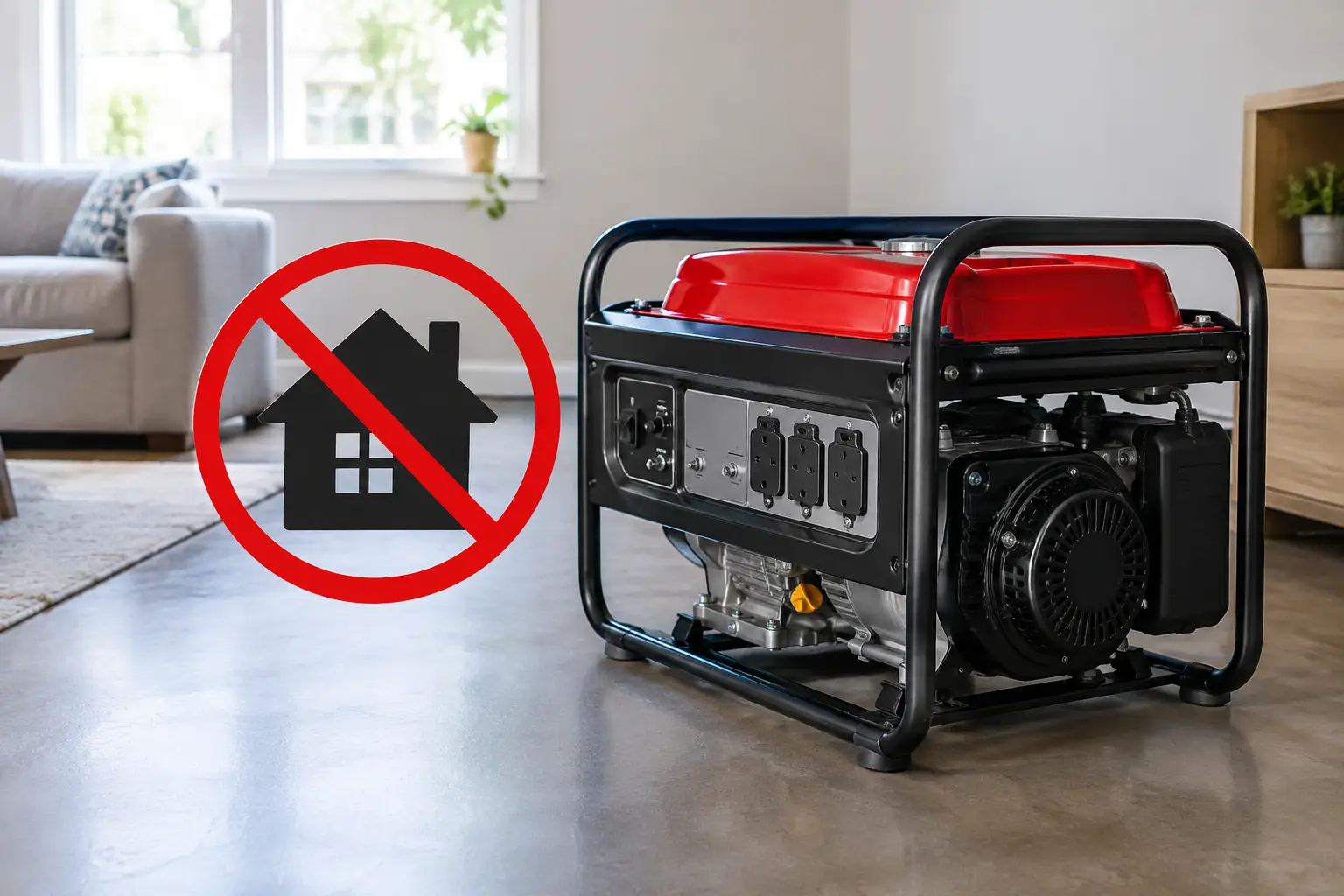
A standby generator creates power on demand. It is connected to a fuel source such as natural gas or propane and starts automatically during an outage. As long as fuel is available and the system is properly maintained, it can continue running for extended outages and support much larger electrical loads.
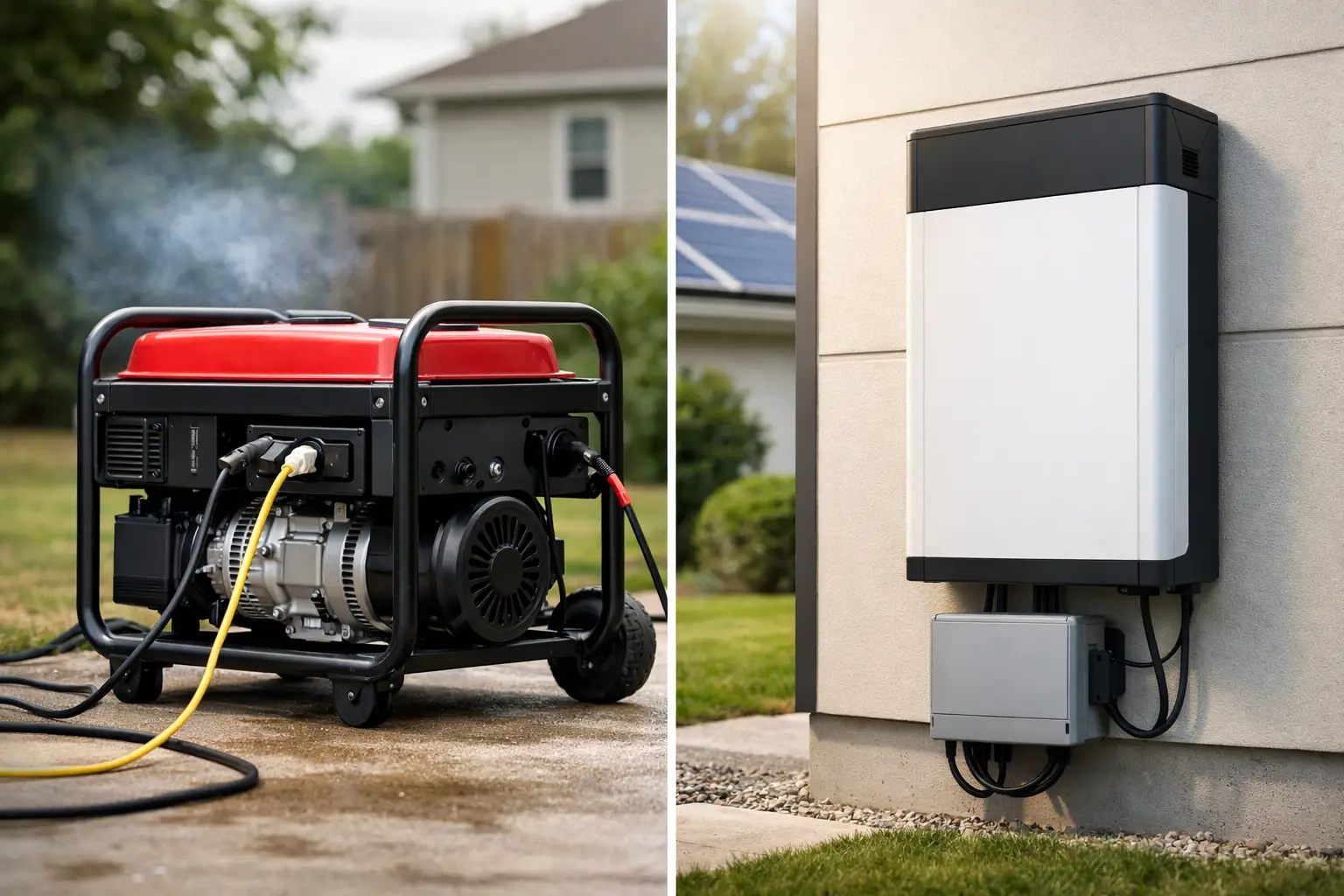
That difference changes everything. Battery systems are defined by storage capacity. Generators are defined by production capacity and fuel supply. If your main concern is keeping a few essentials online for a short outage, battery backup may be enough. If your concern is whole-home comfort, medical equipment, business continuity, or multi-day storms, a generator usually becomes the more dependable solution.
When battery backup makes sense
Battery backup has clear advantages in the right application. It is quiet, instant, and does not rely on combustion. For homeowners who want to keep a refrigerator, lighting, internet equipment, garage door opener, and a few outlets running during short outages, it can work well if the system is sized correctly.
It can also be attractive in locations where noise is a major concern or where the goal is partial backup rather than whole-property protection. Some owners like the idea of pairing batteries with solar, especially when they are focused on energy management as much as outage protection.
The limitation is not quality. It is duration and load. Air conditioning, electric heat, well pumps, large appliances, and broad whole-home coverage can drain battery reserves quickly. The more comfort and convenience you expect during an outage, the larger and more expensive the battery system becomes.
For a business, battery backup can be useful for short bridge power, sensitive electronics, and keeping critical devices online long enough to avoid abrupt shutdowns. But if operations must continue for hours or days, battery-only backup often runs out of room fast.
Where generators pull ahead
A standby generator is built for longer outages and heavier demands. If you need to run HVAC, refrigeration, sump pumps, well pumps, home office equipment, security systems, elevators, point-of-sale systems, or critical operational loads, generators offer far more practical capacity.
This is especially true for properties that cannot afford interruption. Families with medical needs, homeowners in storm-prone areas, remote workers who lose income when the internet drops, and businesses that depend on refrigeration or customer access generally need more than a short reserve. They need sustained power.
A professionally sized standby generator can restore power automatically within seconds and keep operating through overnight outages, weather events, and utility restoration delays. That level of protection is difficult for a battery-only system to match without a very large investment and careful load management.
There is also a simplicity to generator performance during major outages. If the fuel source is steady and the system has been maintained, it keeps producing power. You are not watching a percentage drop and wondering what to shut off next.
Cost is not as simple as purchase price
Many people compare generator and battery systems by starting with the sticker price. That rarely gives the full picture.
Battery backup can look appealing for smaller applications because there is no fuel supply to install and the system may seem less invasive. But once the goal shifts from partial backup to meaningful whole-home or business continuity, costs can climb quickly. More runtime requires more storage. More load requires more battery capacity and supporting equipment.
Generators have their own costs. A proper standby installation includes load calculation, equipment selection, permitting, transfer equipment, fuel planning, code-compliant installation, startup testing, and future maintenance. It is not a plug-and-play purchase, and it should not be treated like one.
That said, when customers want broad coverage and extended runtime, generators often deliver more protection per dollar than a battery system sized to do the same job. The key is comparing equal outcomes, not just equipment categories.
Runtime, comfort, and what you refuse to lose
The most useful question is not, “Which is better?” It is, “What absolutely needs to stay on, and for how long?”
If your answer is a few lights, internet, phone charging, and food preservation for a brief outage, battery backup may check the box. If your answer includes central air, heating equipment, a septic or well pump, medical devices, a home server, or normal business operations, the calculation changes.
Short outages are one thing. A utility event that stretches into a full day or several days is another. During those longer disruptions, comfort becomes safety. Heat matters. Cooling matters. Water movement matters. Frozen pipes, flooded basements, spoiled inventory, and business shutdowns are all expensive lessons.
This is where experienced system sizing matters. Backup power should be designed around real loads and real risks, not guesses. The wrong system can leave you with a false sense of security.
For homes
Residential buyers often underestimate how quickly electrical demand adds up. Refrigeration, lighting, internet, kitchen circuits, furnace blowers, sump pumps, and bedroom outlets may sound manageable individually, but together they create a much larger backup requirement. Add air conditioning or electric heat, and battery capacity can disappear quickly.
A standby generator is often the better fit for homeowners who want the house to function normally during an outage rather than merely getting by.
For businesses
Commercial outage planning is less about convenience and more about continuity. Lost sales, halted production, damaged inventory, interrupted tenant service, and failed security systems all carry real consequences. Batteries can support select systems for short durations, but generators are typically the stronger answer when downtime has a direct financial cost.
Installation and service matter as much as the equipment
This is the part many buyers do not hear until it is too late. Backup power is only dependable when the design, installation, and follow-up support are handled correctly.
A generator needs proper sizing, code-compliant electrical work, transfer switch integration, fuel coordination, startup testing, and maintenance. A battery backup system also needs correct load planning, panel integration, and realistic expectations about what it can support and for how long.
Poor design causes disappointment in both categories. An undersized battery bank fails early. An undersized generator struggles under load. A sloppy installer can leave either system unreliable when the outage actually happens.
That is why professional execution matters. Companies like GenTek Power are built around complete standby power solutions, not one-time equipment drops. That includes consultation, permitting, installation, testing, and long-term service support so the system performs when conditions are worst, not just on install day.
Which option is right for you?
If you want quiet, short-duration backup for a few selected circuits, battery backup may be the right choice. If you want automatic whole-home or whole-business protection, longer runtime, and fewer compromises during an extended outage, a standby generator is usually the stronger investment.
There are also cases where a hybrid approach makes sense. Some properties use battery backup for short interruptions and a generator for longer resilience. But for most buyers weighing generator vs battery backup, the deciding factor is simple: are you trying to ride out a brief inconvenience, or protect the property from a serious interruption?
That answer should guide the system, the budget, and the installer you trust to put it in place.
Backup power is not really about equipment categories. It is about what happens in your house or business when the grid fails. Choose the option that covers the risks you actually live with, and make sure it is installed by a team that plans to be there long after the weather clears.