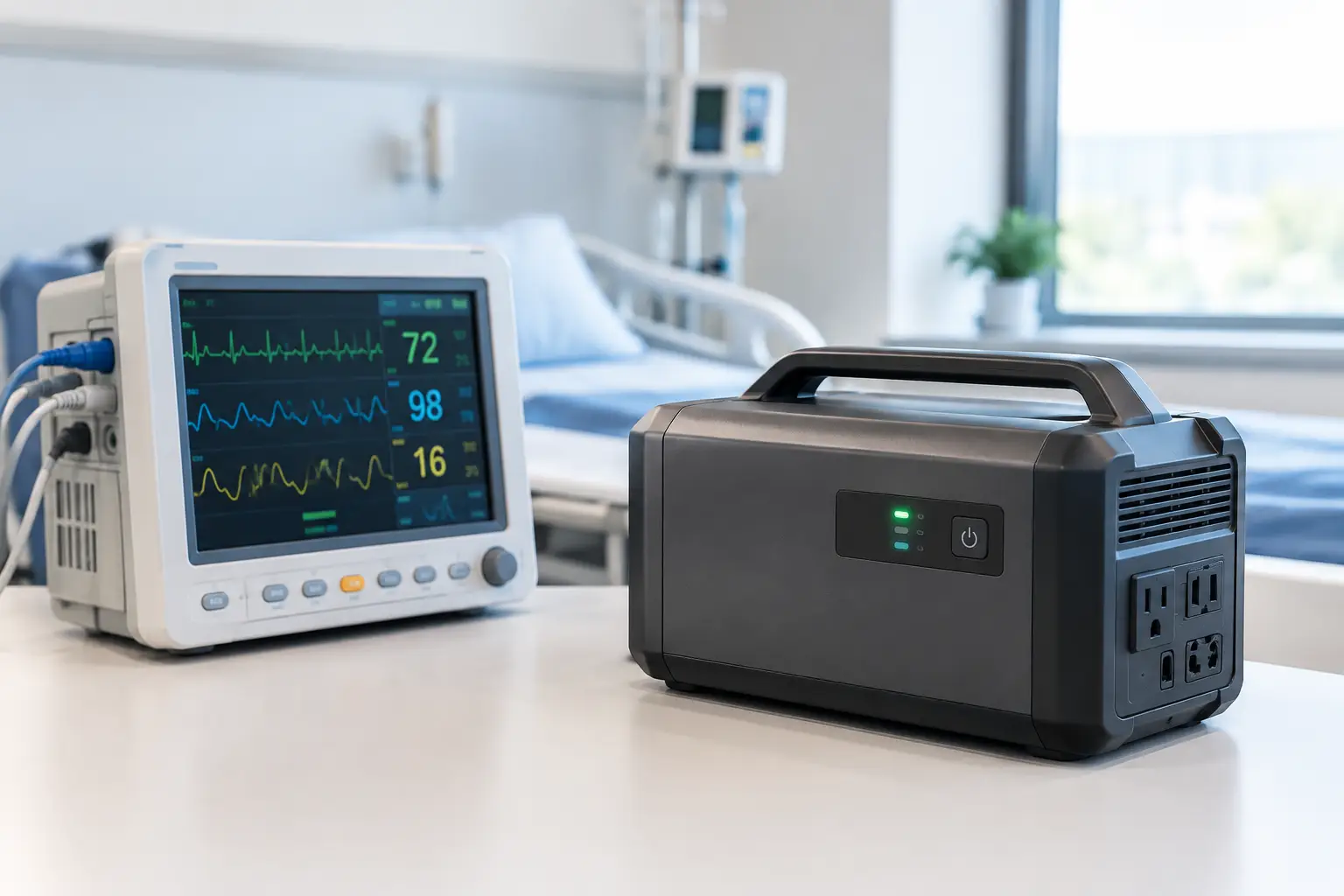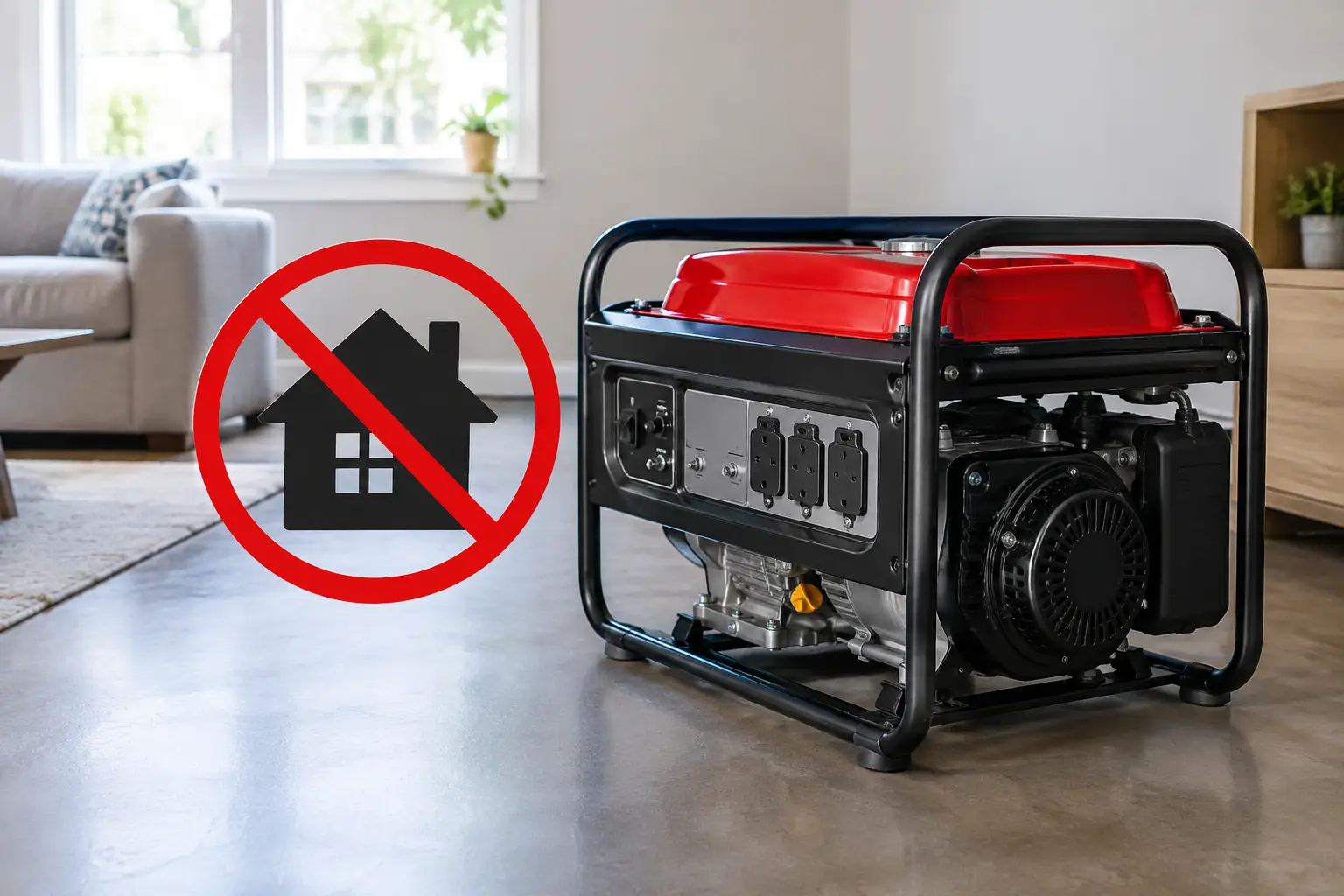
A power outage is more than an inconvenience when the refrigerator is full, the furnace or air conditioner is running, work depends on internet access, or someone in the home relies on medical equipment. Professional residential generator installation gives your home a prepared, automatic response instead of a scramble for extension cords, fuel cans, and temporary solutions.
The generator itself matters, but it is only one part of a dependable backup power system. Proper sizing, fuel planning, electrical integration, permits, testing, and long-term service determine whether your system performs when the lights go out. That is why installation should be treated as a home infrastructure project, not a quick equipment purchase.
What a Residential Generator Installation Should Protect
The right system starts with a practical question: what needs to keep running during an outage? For some households, the priority is a few essential circuits: refrigeration, lighting, a sump pump, internet equipment, and a furnace blower. For others, especially homes with remote work demands, well pumps, electric heat, central air conditioning, smart-home systems, or medical needs, whole-home coverage makes more sense.
Neither approach is automatically better. Essential-load systems can reduce the initial investment and fuel demand, while whole-home systems offer the comfort of normal operation without deciding which rooms or appliances are off limits. A professional consultation should identify the loads that matter to your household, account for startup demands from motors and HVAC equipment, and recommend a generator sized for real conditions rather than a guess.
A unit that is too small may overload or force unwanted compromises during an outage. A unit that is unnecessarily large can add cost, use more fuel, and create avoidable complexity. Accurate load calculations are the foundation of a system that protects your home without overbuilding it.
The Parts of a Dependable Backup Power System
An automatic standby generator is designed to sense a utility outage, start on its own, and transfer the home to generator power. When utility power returns and stabilizes, the system transfers back and the generator shuts down after a cool-down period. That automation is what separates a true standby system from a portable generator.
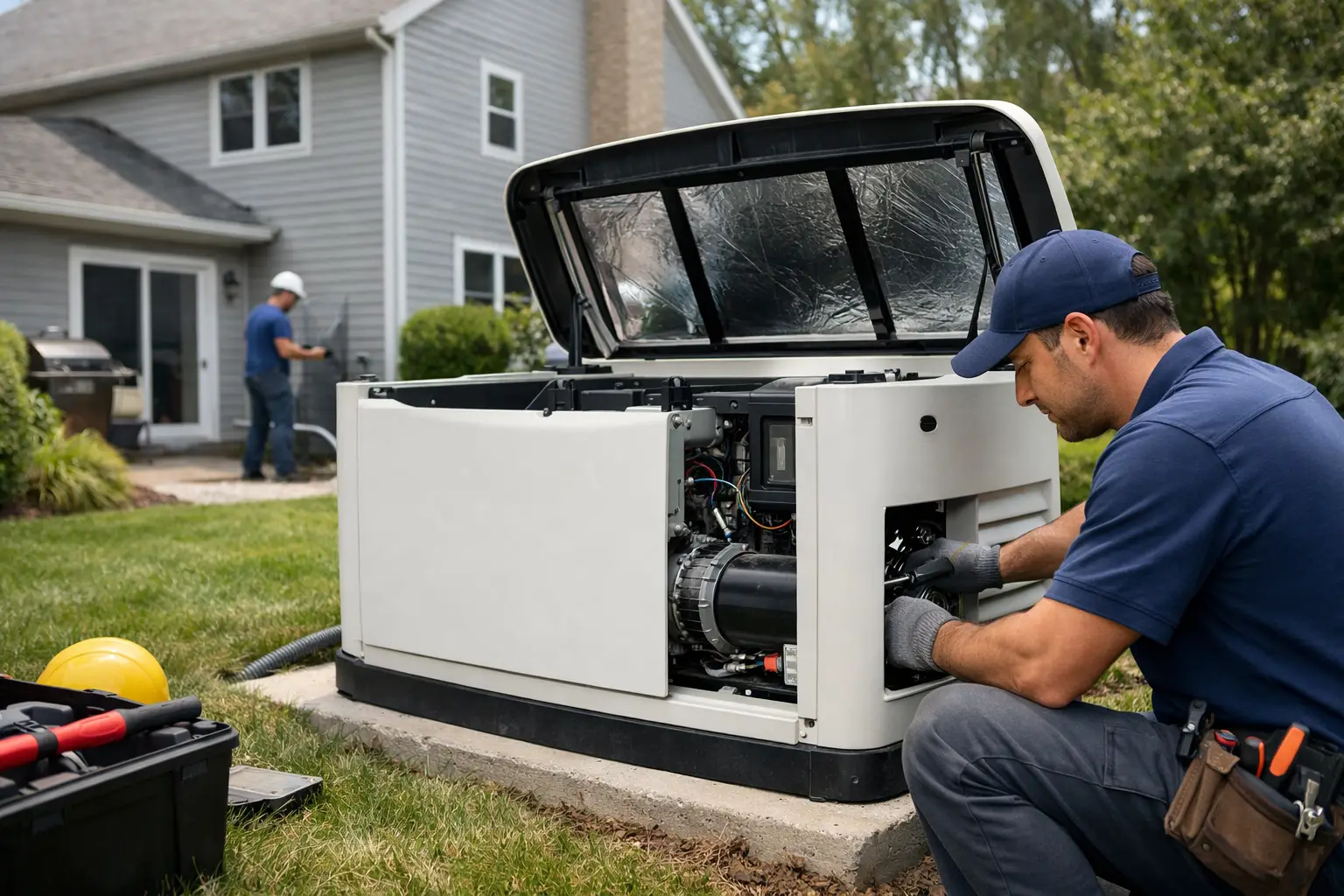
For that sequence to work safely, every part of the installation has to be coordinated. The generator needs an approved location with proper clearances, a stable pad, weather-appropriate placement, and safe exhaust routing. The transfer switch must be selected and installed to match the electrical system and the intended loads. Fuel supply must be adequate for the generator’s demand, whether the home uses natural gas, propane, or another approved fuel source.
Electrical and fuel work should never be treated as separate afterthoughts. An undersized gas line can prevent a generator from producing its rated output. A poorly planned electrical connection can create safety risks or leave key circuits unprotected. The finished system is only as reliable as the least carefully handled part of the project.
Permits, Codes, and Utility Coordination Are Not Optional
A low quote can be tempting, particularly after a recent storm has made the need for backup power feel urgent. But an installer who skips permits, clearance requirements, inspections, or utility coordination can leave a homeowner with expensive problems later.
Local codes may affect generator placement, setbacks, electrical methods, gas piping, noise considerations, and the equipment required at the service entrance. Requirements vary by jurisdiction and property. A qualified installer verifies the applicable rules before work begins, obtains the necessary permits, coordinates with the utility when required, and schedules inspections as part of the project.
This process protects more than compliance. It helps prevent last-minute relocation, failed inspections, delayed activation, and warranty concerns. It also creates a clear record that the installation was completed professionally, which can matter for home sales and insurance discussions.
A Clear Installation Process Reduces Surprises
A well-managed installation should feel organized from the first site visit through the first real outage. Homeowners should understand what is being installed, why it was selected, what the project will involve, and who is responsible for each step.
A typical turnkey process includes these stages:
- Home assessment and load planning. The installer reviews your electrical service, major appliances, fuel availability, preferred coverage, and generator location options.
- System design and transparent scope. You receive a clear recommendation covering the generator, transfer equipment, fuel work, electrical work, permits, and expected site preparation.
- Permitting and coordination. The contractor manages approvals, inspections, and utility-related requirements before activation.
- Professional installation. Licensed technicians install the generator, transfer switch, wiring, fuel connections, and supporting equipment according to manufacturer and local code requirements.
- Startup, testing, and homeowner orientation. The system is tested under appropriate conditions, then you are shown how it operates, what alerts mean, and how to get service when needed.
The exact schedule depends on permitting, equipment availability, weather, utility work, and site conditions. A trustworthy contractor will not promise a date they cannot control. They will communicate clearly, identify delays early, and keep ownership of the process instead of leaving you to coordinate multiple trades.
Why Installation Quality Matters During a Storm
Generators are often judged by whether they start, but starting is only the beginning. During a prolonged outage, the system must handle electrical demand, maintain proper fuel delivery, transfer safely, and continue operating in changing weather. Small shortcuts that seem invisible on installation day can become serious failures when the system is needed most.
Professional work helps avoid common trouble spots: incorrectly sized conductors, loose connections, inadequate gas pressure, poor drainage around the pad, blocked airflow, improperly configured load management, and missed maintenance requirements. It also means the system is installed according to manufacturer specifications, which supports warranty coverage and long-term reliability.
The best time to find a problem is during commissioning, not at 2 a.m. in freezing rain. Thorough startup testing confirms that the generator starts automatically, transfers power as intended, and returns the home to utility power properly. If load-shedding equipment or smart controls are part of the design, those components should be tested too.
Maintenance Is Part of Ownership, Not an Add-On
A standby generator may run a weekly self-test, but a brief exercise cycle is not the same as full maintenance. Like any engine-driven system, it needs regular attention to remain ready. Oil, filters, battery condition, fluid levels, error codes, electrical connections, and fuel system performance all deserve scheduled review.
Service intervals vary by manufacturer, generator model, operating hours, and local conditions. A home in an area with frequent outages may need more attention than a home where the generator rarely runs. Remote monitoring can provide additional peace of mind by reporting alerts and exercise activity, but it does not replace hands-on inspection and preventive service.
Before choosing an installer, ask who will service the generator after installation. Will trained technicians be available if an alarm appears? Is emergency support offered during an outage? Can the same company handle warranty concerns, repairs, and annual maintenance? A backup power system is a long-term investment, and the contractor relationship should be long-term as well.
Questions Homeowners Should Ask Before Signing
You do not need to become a generator expert to make a sound decision. You do need clear answers. Ask how the generator size was calculated, which loads will be covered, whether the quote includes permits and inspections, and how fuel capacity or gas pressure will be verified.
Also ask what happens after the installation. A complete proposal should explain testing, warranty registration, maintenance options, and service response. Be cautious when pricing is vague or when a contractor cannot explain who is responsible for electrical, fuel, and permitting work. The lowest initial price can become the highest cost if the system fails inspection, lacks support, or does not perform under load.
A dependable residential generator installation is built around one goal: your household should have safe, automatic power when the grid does not. Choose a team that plans carefully, installs correctly, tests thoroughly, and is still available long after the weather clears. That is the protection your home deserves.