When the lights go out, most homeowners are not thinking about energy trends. They are thinking about the sump pump, the freezer, the Wi-Fi, the furnace, and whether the outage will last two hours or two days. That is exactly why the future of home backup power matters now. It is no longer just about having some electricity during an emergency. It is about protecting how your home functions, how your family stays comfortable, and how much risk you are willing to carry when the grid becomes less predictable.
For years, backup power was treated as a nice-to-have for a small group of homeowners. That is changing fast. More people work from home. More homes rely on connected devices. More families have finished basements, home offices, medical equipment, security systems, and food storage that cannot simply wait out an outage. At the same time, storms are more disruptive, utilities are under strain, and short power interruptions can now cause bigger problems than they used to.
What the future of home backup power really looks like
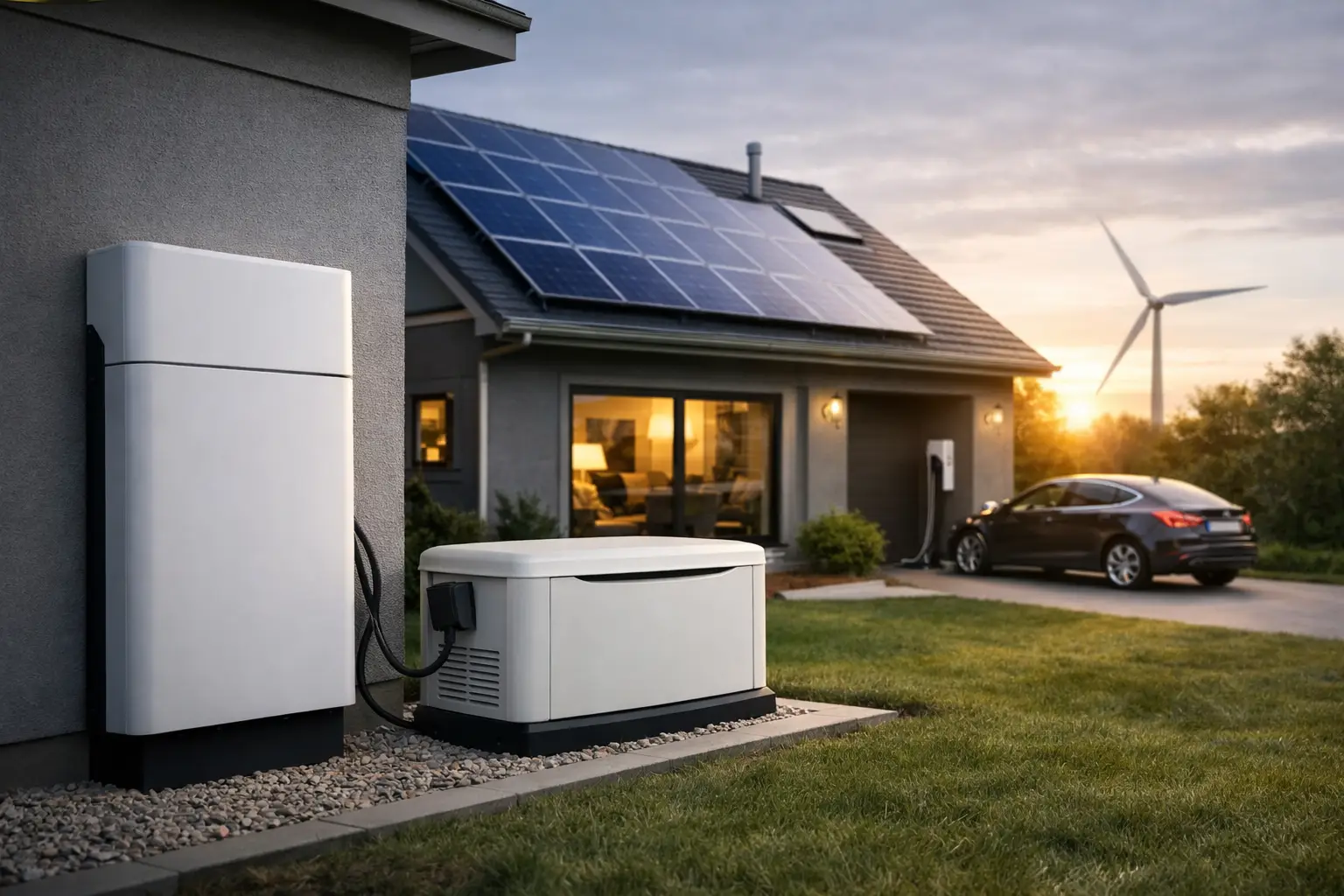
The biggest shift is simple. Home backup power is moving from basic emergency equipment to a permanent part of home infrastructure.
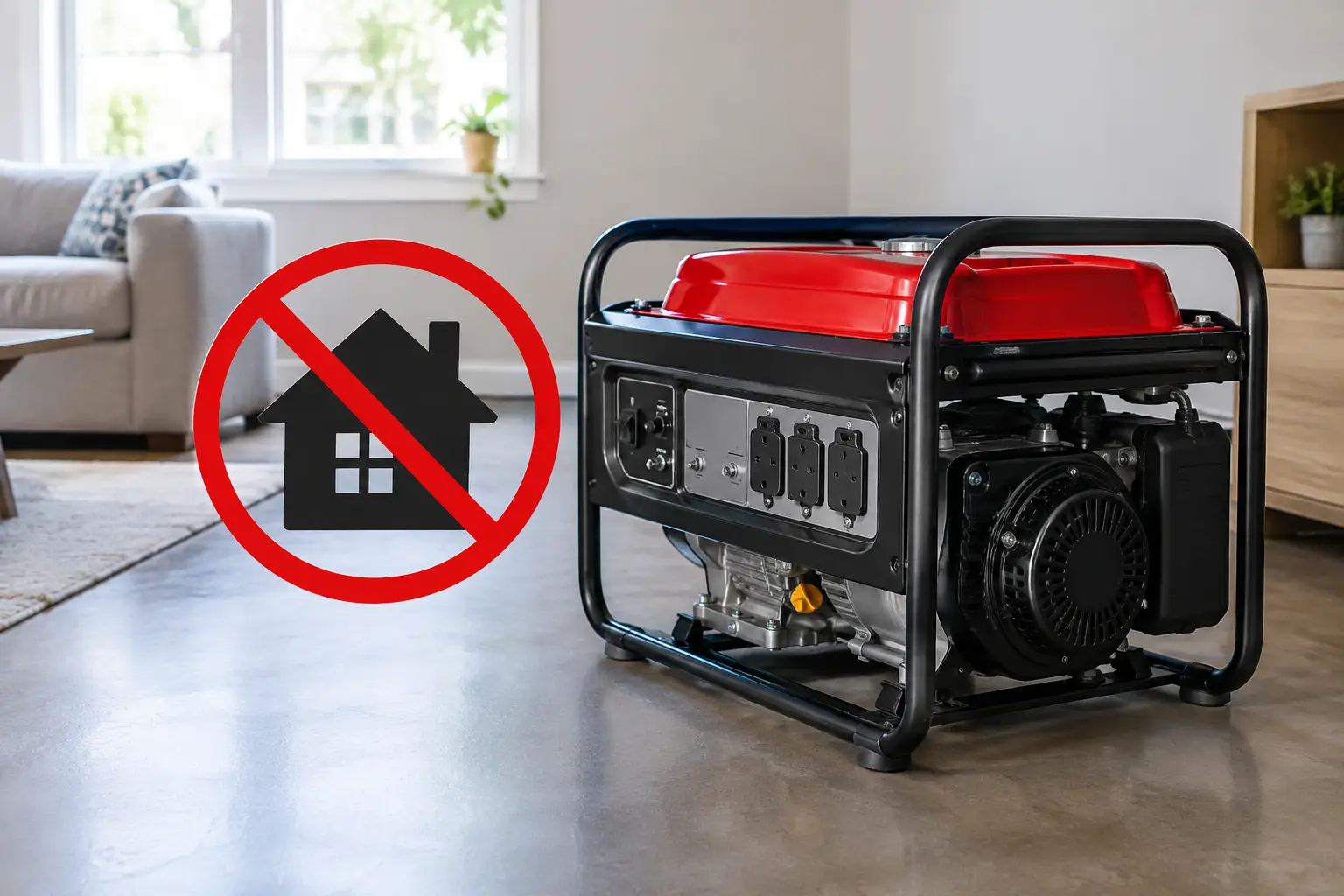
In practical terms, that means more homeowners are choosing automatic standby systems instead of portable stopgaps. They want power that turns on without extension cords, refueling in the dark, or deciding which appliance gets plugged in first. They want their heating and cooling, refrigeration, lighting, communications, and critical circuits protected without scrambling during a storm.
The future also points toward systems that are smarter. Modern backup solutions can monitor utility power, exercise themselves on schedule, send alerts, and give both homeowners and service providers better visibility into performance. That matters because reliability is not just about the machine itself. It is about knowing when something needs attention before the next outage exposes a problem.
There is also a clear move toward cleaner and more efficient operation. Homeowners are asking better questions about fuel choices, runtime, noise, emissions, and long-term operating costs. That does not mean one solution fits every property. It means backup power decisions are becoming more informed, and the right answer depends on the home, the electrical load, and the homeowner’s tolerance for compromise.
Why homeowners are investing earlier
A few years ago, many people waited until after a major outage to think seriously about backup power. Now the buying cycle often starts before the emergency. That is a healthier approach, because good generator projects are not impulse purchases.
A properly installed standby generator involves load calculations, code compliance, fuel planning, permitting, utility coordination, placement requirements, startup testing, and future maintenance. If any of those pieces are treated casually, the homeowner inherits the risk. That risk shows up later as nuisance shutdowns, capacity problems, failed inspections, or systems that do not perform when needed most.
That is one reason the future of home backup power is not just about equipment. It is also about execution. Homeowners are getting more selective about who designs, installs, and supports the system. A lower bid can look attractive until service is needed during an outage and no one answers the phone. In this category, long-term support is part of the product.
Smarter systems will raise expectations
One of the clearest changes ahead is that homeowners will expect backup systems to communicate more clearly and require less guesswork.
Remote monitoring is already pushing the market in that direction. Instead of waiting for a yearly visit to discover a battery issue, an alert can flag a problem early. Instead of wondering whether the generator exercised properly, homeowners can have confirmation that the system is ready. For service providers, that visibility can speed up troubleshooting and improve maintenance planning.
Still, smart features should not be confused with true dependability. An app does not replace proper sizing. A notification does not fix poor installation. Technology is helpful, but the foundation still has to be solid. The best backup systems in the coming years will combine proven mechanical reliability with better monitoring, not try to substitute one for the other.
More connected homes mean bigger outage consequences
As homes become more connected, the cost of losing power rises. A brief outage can interrupt remote work, disable smart locks and cameras, knock out internet-based communication, and disrupt HVAC controls. For households with well pumps, septic systems, refrigerated medication, or mobility equipment, the stakes are even higher.
That does not mean every home needs the largest generator available. It does mean system planning has to reflect how the home actually operates. A careful contractor will ask what must stay on, what can cycle, what fuel source is available, and how much comfort margin the homeowner wants. The goal is not to sell more power than necessary. The goal is to build a system that performs the way the homeowner expects.
Fuel choice will matter more, not less
As the market evolves, fuel flexibility will stay central to backup power planning. Natural gas remains attractive where utility gas is available because it supports automatic operation without on-site refueling. Propane continues to be a strong option for homes outside natural gas service areas, especially where longer runtime can be planned with proper tank sizing.
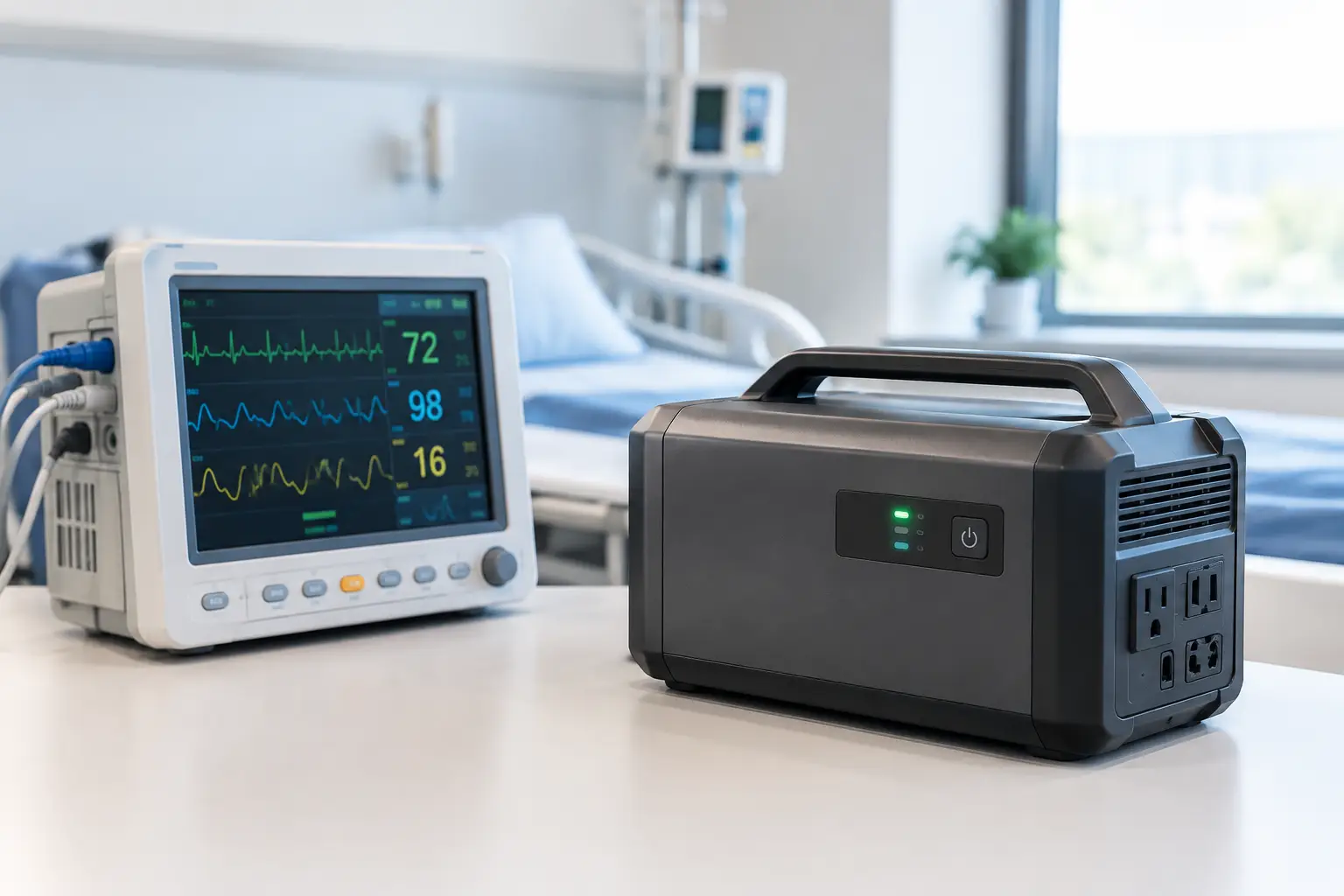
Battery storage gets a lot of attention, and for some homes it plays a useful role. But batteries and generators solve different problems. Batteries are quiet and fast, and they can be effective for short-duration backup or selective loads. The trade-off is runtime and whole-home capacity, especially during extended outages or when heating, cooling, pumps, and large appliances need support. For many homeowners, batteries may become part of the conversation, but not a full replacement for standby generation.
This is where clear guidance matters. The future is not generator versus battery in every case. Sometimes it is generator only. Sometimes it is battery for short interruptions and generator for sustained outages. Sometimes the property, utility service, and budget make one choice far more practical than the others.
Installation quality will become a bigger differentiator
As more companies enter the backup power market, installation quality will separate dependable systems from expensive disappointments.
Standby power is not a plug-and-play purchase. It has to integrate with the home’s electrical system, fuel source, transfer equipment, and local code requirements. The placement has to work for service access, clearances, ventilation, and noise considerations. The startup process has to confirm that the system transfers properly and carries the intended load.
When those details are missed, homeowners usually do not find out on a sunny day. They find out during bad weather, when the system fails to start or drops critical circuits. That is why experienced, licensed installation and ongoing service are becoming more valuable, not less. A well-supported system protects more than the home. It protects the homeowner from preventable problems.
Service after installation is part of the future
One of the least discussed truths about backup power is that ownership does not end at commissioning. It starts there.
Generators need scheduled maintenance. Batteries age. Firmware may need updates. Transfer switches and controls need periodic inspection. Fuel systems need to be checked. If the system reports a fault, someone qualified needs to interpret it correctly and respond.
This is where companies like GenTek Power stand apart. Homeowners are not just buying a machine. They are choosing whether they want a one-time installer or a long-term service partner who stands behind the system after the crew leaves. As outages become more disruptive, that distinction will matter more.
What homeowners should do now
If you are thinking about backup power, the best next step is not to chase the newest trend. It is to get clear on what failure looks like in your home.
Ask a few practical questions. What absolutely has to stay running? How long can you tolerate an outage before food, comfort, work, or safety becomes a problem? Do you want selective circuit backup or whole-home coverage? Is your fuel source suited to long-duration operation? And just as important, who will maintain and support the system once it is installed?
The homes that fare best in the next wave of outages will not necessarily have the most complicated systems. They will have the right systems, installed correctly, sized properly, and backed by a service team that takes responsibility for performance over time.
Backup power is becoming a standard part of serious home preparedness. The real opportunity is not just keeping the lights on. It is building a home that stays functional when everything around it gets uncertain.