A standby generator usually gets your attention only when the lights go out. That is exactly why whole house generator maintenance matters so much. If your system sits quietly for months and then has to carry your home or business through a storm, a cold snap, or a utility failure, there is no room for guesswork.
Most generator problems do not start during an outage. They start earlier, with weak batteries, old oil, clogged air filters, missed software updates, or fuel issues that go unnoticed because the unit has not been inspected properly. The good news is that routine maintenance is predictable, and when it is handled correctly, it greatly lowers the risk of a no-start or shutdown when you need backup power most.
Why whole house generator maintenance is not optional
A standby generator is not a set-it-and-forget-it appliance. It is an engine-driven power system with electrical controls, fuel components, transfer equipment, and safety functions that all have to work together. Even if the generator runs its weekly exercise cycle, that does not mean every part of the system is ready for a real outage.
Short test runs are helpful, but they do not replace professional inspection and service. A unit can start during exercise and still have underlying issues that only show up under load, during extended runtime, or in harsh weather. That is why maintenance is less about checking a box and more about protecting reliability.
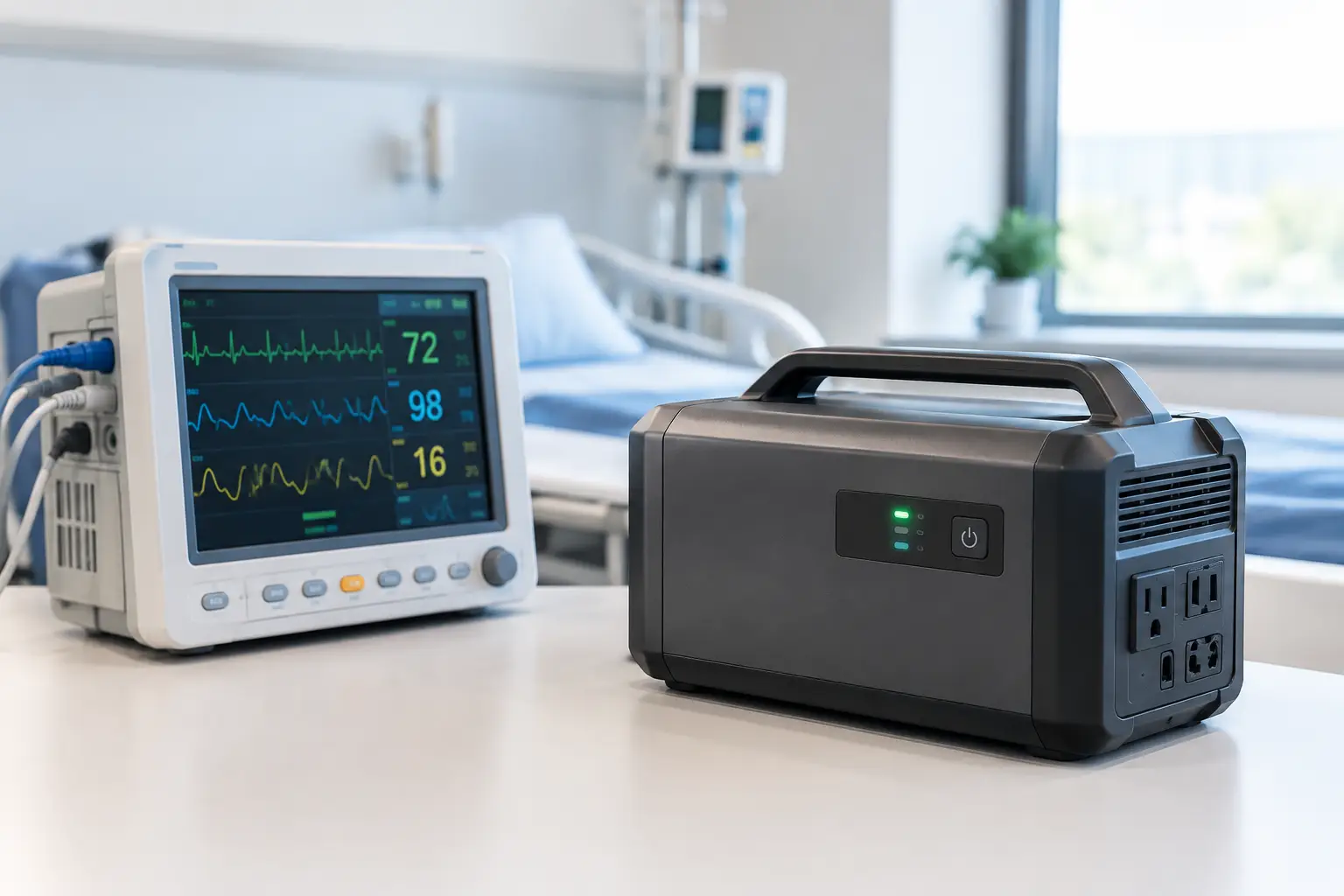
For homeowners, that reliability protects heat, cooling, refrigeration, internet service, sump pumps, and medical equipment. For businesses, it protects operations, inventory, communications, and customer trust. In both cases, the cost of neglected maintenance is usually much higher than the cost of proper service.
What whole house generator maintenance typically includes
The exact service schedule depends on the generator brand, fuel type, age, and runtime history. A lightly used residential unit will not have the same needs as a commercial standby system that has seen multiple long outages. Still, there are a few core maintenance items that apply in most cases.
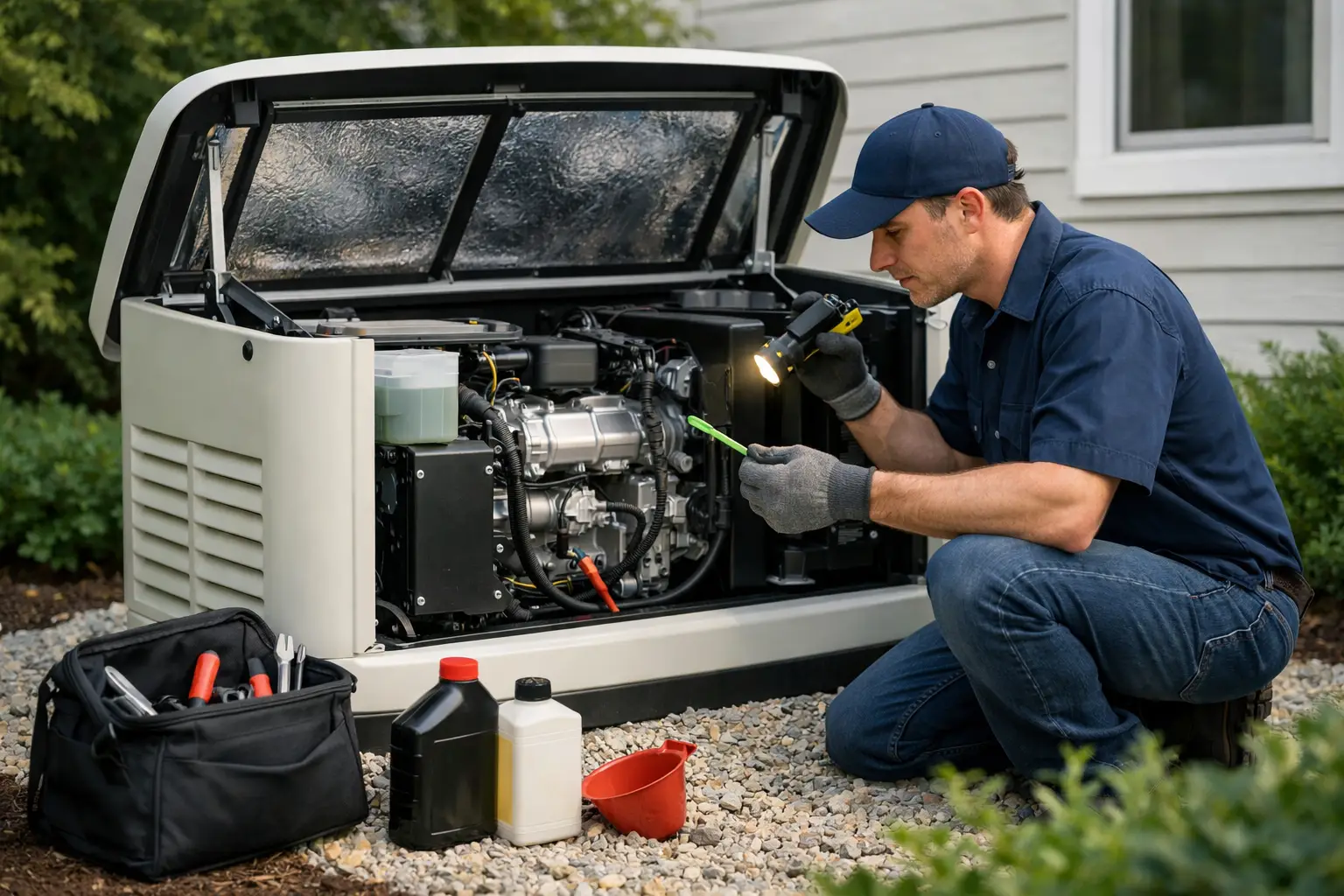
Engine service is one of the biggest pieces. Oil and filters break down over time, even if the generator has not been used much. Manufacturers often set maintenance intervals based on both hours and calendar time, because age matters as much as runtime. Spark plugs, air filters, and coolant levels may also need attention depending on the model.
Battery condition is another common issue. Standby generators rely on the battery to start automatically. If that battery is weak, corroded, or nearing the end of its life, the generator may not crank when the outage happens. This is one of the most preventable causes of failure, but it is also one of the most overlooked.
Fuel system checks are just as important. Natural gas and propane systems need proper pressure, clean connections, and secure regulators. Small issues in the fuel supply may not be obvious until the generator tries to start under real demand. Diesel systems add another layer, since fuel quality and storage condition can become part of the maintenance picture.
A proper visit should also include inspection of wiring, connections, control settings, sensors, transfer switch operation, and any alarm history stored in the controller. On newer systems, software or firmware settings can also affect performance. Maintenance is not only mechanical. It is electrical and operational too.
The difference between a quick check and real service
This is where owners often get burned. A low-cost service call may amount to little more than a visual glance and a reset of any obvious alerts. That can sound fine on paper, but it is not the same as a thorough maintenance visit performed by a trained generator technician.
Real service means checking the system the way it will actually be expected to perform. That may include verifying startup sequence, transfer operation, voltage and frequency output, battery charging, warning codes, and condition of wear items. If the unit is due for scheduled replacement of filters, fluids, or plugs, that should be handled as part of the maintenance plan, not postponed until there is a failure.
This is one reason many property owners prefer an ongoing service relationship instead of calling around when something seems off. A contractor who knows the system, keeps records, and follows the manufacturer schedule is in a much better position to spot trends before they become outages.
Signs your generator may be overdue for maintenance
Sometimes the warning signs are obvious. Other times they are easy to dismiss until the generator fails under pressure. If your generator is hard starting, showing alerts, running rough, leaking fluids, or making unusual noise, it needs service. If the battery is old, the enclosure is dirty, or the exercise cycle has been inconsistent, that is also worth immediate attention.
There are also less obvious red flags. A generator that starts but struggles to transfer properly, a unit that has not been serviced in over a year, or a system installed by a contractor who disappeared after the sale all deserve a closer look. The same goes for generators that have been through major weather events or long runtimes. Extended operation puts wear on components that may not show visible damage right away.
If you are not sure when the last full service was completed, assume it is time to schedule one. Maintenance records matter, especially for warranty support and long-term reliability.
What owners can do between service visits
There is a practical middle ground between doing nothing and trying to service the generator yourself. Most owners can keep an eye on basic conditions without taking on technical work that should be left to licensed professionals.
You can watch for visible damage, confirm the unit is clear of debris, and make sure airflow around the enclosure is not blocked by leaves, snow, weeds, or storage items. You can also pay attention to warning lights or controller messages and report any changes early. If your system has remote monitoring, review alerts instead of ignoring them.
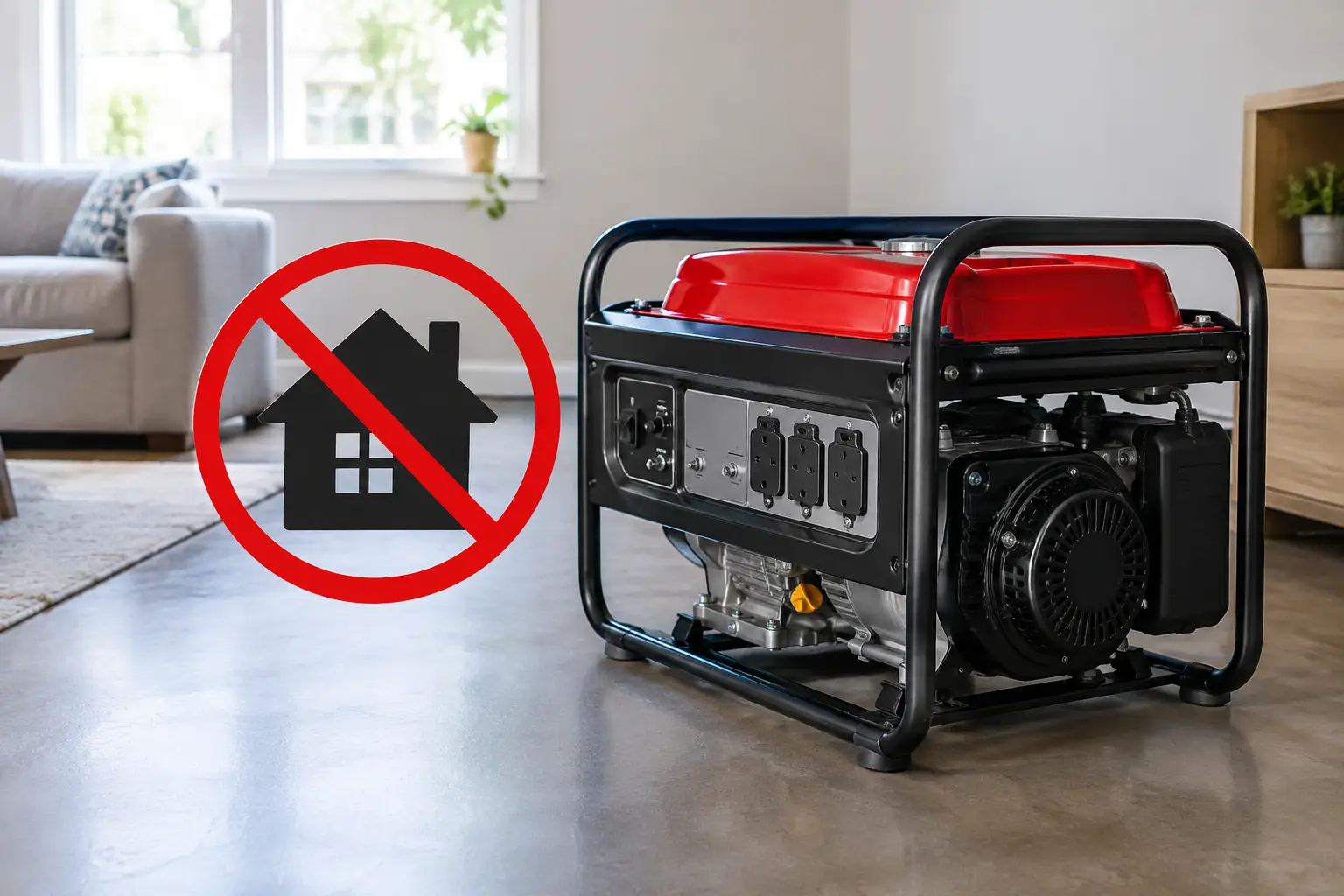
What you should not do is open up fuel components, electrical assemblies, or transfer equipment without the right training. Generator systems involve high voltage, automatic startup, combustible fuel, and code requirements. Even well-meaning DIY work can create safety hazards, void warranties, or cause failures later.
How often maintenance should happen
There is no honest one-size-fits-all answer. Many residential standby generators should be professionally serviced at least once a year, but some need more frequent attention based on runtime hours, environment, and manufacturer requirements. Commercial systems or generators supporting critical loads may need a tighter schedule.
Storm-prone areas, dusty conditions, extreme temperatures, and frequent outages can all shorten service intervals. So can aging equipment. A newer generator with low runtime may still need annual service because fluids, batteries, and internal components continue to age even when the unit is idle.
The right schedule comes from the equipment specifications and the real demands placed on the system. If a contractor offers a maintenance plan without asking about generator model, fuel type, usage, or service history, that is a sign they may be treating a critical power system like a generic small engine.
Why professional maintenance protects more than the generator
The generator itself is only part of the backup power system. If the transfer switch does not function correctly, if the controls are misconfigured, or if installation shortcuts were taken from the start, the system may not protect the property the way you expect. Maintenance is one of the few opportunities to catch those issues before a real outage exposes them.
That is also why service quality matters as much as service frequency. A trained provider is not only changing oil. They are evaluating readiness, safety, compliance, and the condition of the full standby power system. For property owners who chose backup power to remove uncertainty, that kind of service is the difference between owning equipment and having actual protection.
At GenTek Power, that long-term mindset is central to how backup power should be supported. Installation is only the beginning. The real test comes months or years later, when the outage hits and the system has to respond without hesitation.
Whole house generator maintenance is ultimately about confidence. Not false confidence from a weekly exercise cycle or a sticker on the unit, but real confidence built on scheduled service, proper records, skilled inspection, and a provider who will still be there after the installation is done. If your generator is meant to protect what matters most, it deserves the kind of care that treats reliability as non-negotiable.