A generator quote can look fine on paper and still turn into a costly mistake. The real difference often shows up later – during permitting, startup, warranty service, or the first long outage. That is why a licensed generator installer review should go far beyond star ratings. You are not just hiring someone to set equipment in place. You are trusting a contractor with your home’s power, safety, code compliance, and long-term reliability.
For most homeowners and business owners, this is a high-trust purchase. You want the generator to start when the utility goes down, carry the right loads, and keep performing years after installation. A low bid may save money upfront, but it can create problems that are expensive and stressful to fix later. A strong installer review helps you separate experienced professionals from contractors who treat backup power like a side job.
What a licensed generator installer review should actually cover
A useful review is not just “were they nice” or “did they show up on time.” Those things matter, but they are only part of the picture. Standby generator installation involves electrical work, fuel connections, permitting, local code requirements, utility coordination, load planning, startup testing, and future service support. If any part of that chain is weak, the whole system becomes less dependable.
A proper licensed generator installer review should look at whether the company manages the entire job responsibly. Did they size the system correctly for the property? Did they explain what would and would not be backed up? Did they handle permits and inspections properly? Did they test the unit under load and explain maintenance expectations? Most important, do they still answer the phone after the installation is complete?
That last point matters more than many buyers realize. Generators are not decorative appliances. They are emergency systems. When an outage happens, you need a company that stands behind its work and can support the equipment over time.
Why licensing matters more than price
Licensing is not a marketing extra. It is a basic safeguard. A licensed installer is operating under the rules, standards, and accountability required for regulated electrical and related trade work. That does not automatically make every licensed contractor excellent, but it does set a minimum professional standard that unlicensed installers simply do not meet.
When you read reviews, look for signs that the contractor respects the process. Customers may mention clean inspections, professional permitting, code-compliant work, organized crews, and clear explanations of what was required. Those are strong signals. On the other hand, reviews that describe delays caused by missing permits, vague scope, failed inspections, or surprise change orders should get your attention.
The cheapest quote can be tempting, especially if all generators seem similar from a distance. But installation quality is where reliability is won or lost. A properly installed standby system should be planned around your actual needs, your home’s layout, fuel availability, and local requirements. Price matters, but it should never be the only filter.
How to read a licensed generator installer review without getting misled
Not every review tells you something useful. Some are too short to be meaningful. Others focus on minor issues that have little to do with installation quality. The best reviews usually contain detail. They describe the customer’s situation, the scope of work, how the company communicated, whether expectations were clear, and how the system performed after completion.
Pay close attention to patterns. One negative review in a large sample may not tell you much. Repeated complaints about poor communication, missed timelines, messy workmanship, or post-install silence are harder to ignore. The same is true on the positive side. If many customers describe a contractor as organized, responsive, knowledgeable, and dependable during outages, that consistency matters.
It also helps to notice what is missing. If a company has glowing comments about sales friendliness but very little mention of service, maintenance, warranty support, or outage response, you may be looking at a business that is better at closing deals than supporting systems. For backup power, long-term support is part of the product.
Questions every review process should answer
A strong installer review should help you answer a few practical questions.
First, can this contractor size and design the right solution? Some homes need whole-home backup. Others may be better served by a selective load approach. Businesses often need critical systems continuity rather than blanket coverage. If the installer pushes a one-size-fits-all answer, that is a warning sign.
Second, do they own the process? Reliable contractors do not leave homeowners to chase permits, coordinate trades, or guess at inspection requirements. They guide the project from planning through commissioning. That reduces delays and avoids confusion.
Third, what happens after the install? Generators need maintenance, periodic testing, and occasional repairs. Reviews should give you some confidence that the company will still be there when service is needed.
Finally, do they communicate clearly? You should know what is included, what the timeline looks like, what your generator will power, and what future maintenance will involve. Good contractors reduce uncertainty. Weak ones create it.
Red flags that should stop you from hiring
Some warning signs are easy to miss because they often show up as small annoyances early on. Slow callbacks, vague answers, unclear estimates, and pressure to sign quickly can all point to bigger service problems later. If communication is sloppy before the sale, it rarely improves after the equipment is installed.
Be cautious if reviews mention surprise costs, shifting scope, poor site cleanup, or confusion about warranty responsibility. A professional installer should be able to explain who handles what, what the manufacturer covers, and what the contractor stands behind. If that is blurry upfront, it can become a serious problem during an outage.
Another red flag is a contractor who treats generators like a sideline. Backup power systems are too important to hand over to someone who installs one occasionally between unrelated jobs. You want a company with real experience in generator applications, not just general contracting exposure.
What strong reviews usually have in common
The best reviews often sound calm rather than flashy. Customers describe a process that felt organized, clear, and well managed. The company showed up when expected, handled the paperwork, installed the system cleanly, tested it properly, and remained available afterward. That kind of feedback is worth more than exaggerated praise.
Strong reviews also tend to mention confidence. Homeowners feel more at ease because someone took time to explain transfer switches, fuel supply, load priorities, maintenance schedules, and outage expectations in plain language. Business owners appreciate knowing exactly what downtime risks were addressed and what continuity plans are in place.
That is the standard companies like GenTek Power aim to meet – not simply getting a generator onto the pad, but delivering a complete backup power solution that holds up under real-world conditions.
Beyond reviews: how to verify the installer yourself
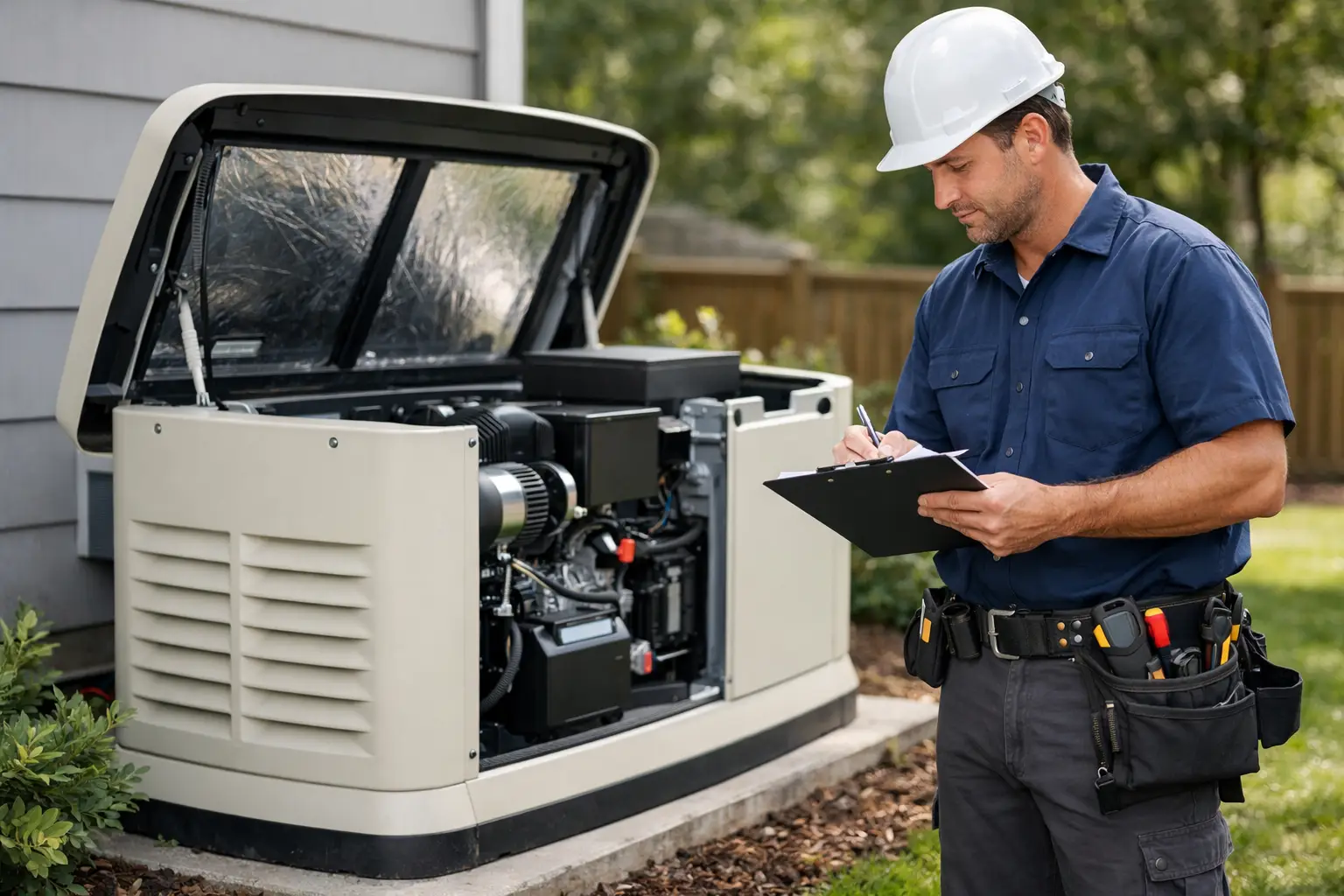
Reviews are a starting point, not the whole decision. Once a contractor makes your shortlist, verify the fundamentals directly. Confirm licensing, insurance, scope of work, service capabilities, and whether they provide ongoing maintenance. Ask who handles startup, warranty coordination, and emergency support. Those answers should be direct and confident.
You should also ask how they determine system size and what loads they recommend backing up. A credible installer will talk through your specific needs rather than pushing the same package on every customer. Homes with medical equipment, sump pumps, well pumps, or home offices have different priorities than homes looking only for basic comfort coverage. Commercial properties have their own continuity requirements, and the right answer depends on what absolutely cannot go down.
It is also fair to ask what their installation process looks like from consultation to final testing. Professional companies can explain each stage clearly because they follow a repeatable system. That is usually a good sign of quality control.
The bottom line on a licensed generator installer review
If you are reading reviews because you want peace of mind, focus on the contractor’s ability to deliver dependable results over the long term. A standby generator is only as reliable as the team that designs, installs, and supports it. Licensing matters. Process matters. Service after the sale matters.
The right installer will make the project feel less risky, not more confusing. They will give you a clear scope, a code-compliant installation, realistic expectations, and a support path you can count on when the power goes out. That is what a good review should help you find – not the cheapest installer, but the one you can trust when the lights go out and staying powered actually matters.