When the power goes out at 2 a.m., most homeowners are not thinking about energy theory. They are thinking about the sump pump, the refrigerator, the heat, the Wi-Fi, and whether the lights will come back before the basement takes on water. That is why conversations about generator alternatives for home backup power need to stay practical. The real question is not what sounds modern. It is what will actually keep your home safe and functional when the grid is down.
What homeowners usually mean by generator alternatives for home backup power
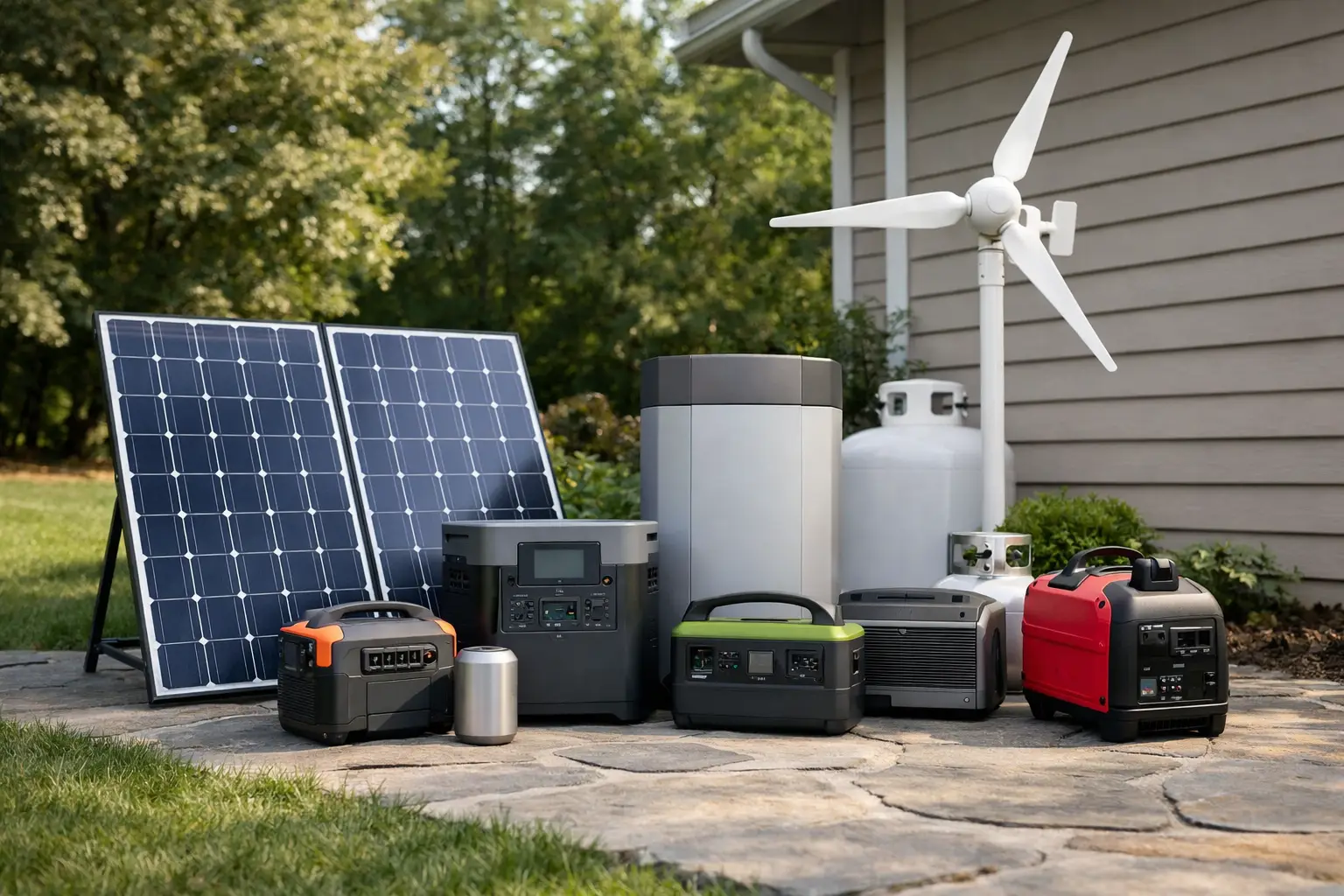
Most people asking about alternatives are looking for one of three things. They want something quieter than a generator, something with less maintenance, or something that feels cleaner and easier to live with. Those are fair goals, and there are solid options on the market.
The catch is that backup power is not one-size-fits-all. A battery system that works well for a condo or a lightly loaded home may not carry a large house with central air, a well pump, multiple refrigerators, and medical equipment. The right answer depends on how much power you need, how long outages tend to last, and how much risk you are willing to accept.
Battery backup systems
Home battery systems are the most common alternative people consider first. They are quiet, automatic, and can provide near-instant backup when utility power fails. For homeowners who want a cleaner installation and do not want to store fuel on site, that is a real advantage.
A battery setup can work very well for essential loads. That might include lighting, internet equipment, a refrigerator, some outlets, garage door openers, and selected medical or office devices. In homes with modest energy demands, batteries can provide a strong layer of protection during short outages.
Where batteries become more complicated is duration and load size. Air conditioning, electric heat, water heating, dryers, ranges, and large pumps can drain stored energy quickly. If your outages are frequent but brief, batteries may feel like a smart fit. If storms regularly knock out power for many hours or multiple days, the math changes fast.
Batteries also require careful system design. The battery itself is only one part of the solution. The inverter capacity, critical load panel, charging strategy, and utility interconnection all matter. A poorly planned system can leave homeowners surprised by what does not run during an outage.
When batteries make sense
Batteries are often a good fit for homeowners who want silent backup for a defined set of circuits, especially in areas with shorter outages. They can also make sense where utility rates reward load shifting or where solar is already in place. If your goal is to bridge short interruptions without the noise of an engine, batteries deserve serious consideration.
Where batteries fall short
They are not always the best answer for whole-home backup. If your home relies heavily on large mechanical loads or you need dependable multi-day coverage, battery storage can become expensive and still may not match the staying power of a properly sized standby generator.
Solar plus battery storage
Solar gets a lot of attention in backup power conversations, but it is often misunderstood. Solar panels by themselves do not automatically keep your house running during an outage. In most systems, the solar shuts down with the grid unless the home also has battery storage and the right controls.
With batteries added, solar can help recharge the system during daylight hours and extend backup time. That is the best-case version of solar backup, and it can be very appealing. During sunny conditions, homeowners may be able to keep essential loads going longer than a battery-only system would allow.
Still, solar has limits that matter during real emergencies. Production depends on season, weather, roof orientation, and time of day. A winter storm outage with short daylight hours and cloud cover is very different from a sunny summer afternoon. If your family needs certainty more than energy independence, that distinction matters.
For some households, solar plus storage is a useful resilience tool. For others, it is better viewed as a supplement rather than a replacement for engine-based standby power.
Portable power stations
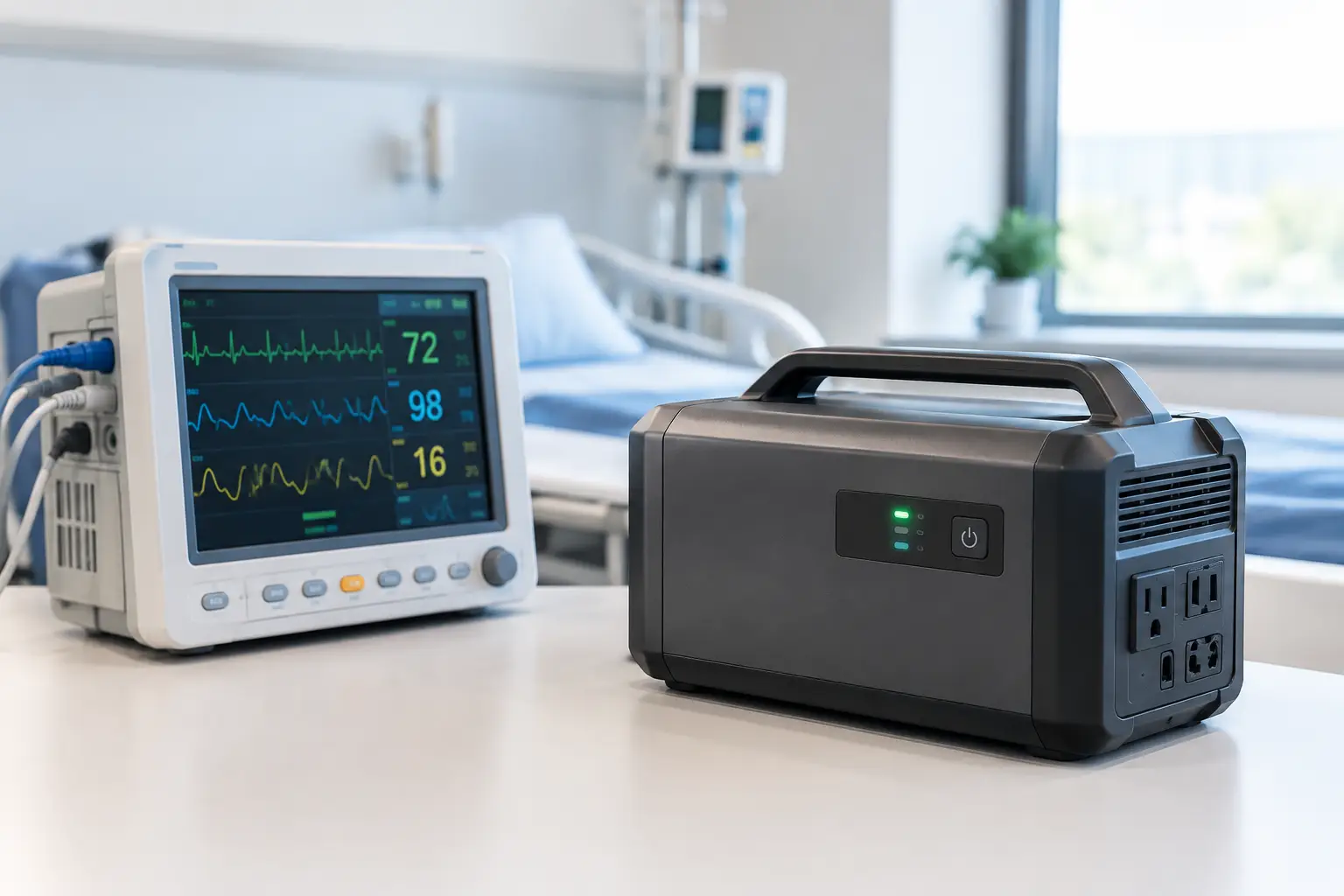
Portable power stations are essentially large rechargeable battery packs with built-in outlets and, sometimes, solar charging capability. They are easy to buy, simple to use, and useful for very limited backup needs.
These units can keep phones charged, run laptops, power a modem, and support a few small devices for a while. They are helpful for apartment living, short outages, camping, or temporary use around the house. They can also support someone working from home who mainly needs internet and device charging.
What they generally do not do is protect a home in the way most families expect. They are not designed to carry major appliances for long, and they usually are not integrated into the home electrical system. If you are worried about flood prevention, HVAC operation, or keeping a full household running through a serious outage, portable power stations are a partial measure, not a complete one.
Vehicle-to-home backup
Electric vehicles are starting to enter the backup power conversation as well. Some EVs and supporting equipment can provide electricity back to the home, at least for selected loads. On paper, this sounds like an excellent use of a large battery that is already sitting in the garage.
There is real potential here, but the setup is not simple. Compatibility varies by vehicle, charger, transfer equipment, and local code requirements. Homeowners also need to think through how the car is used. If the vehicle is your transportation plan during an emergency, draining it to power the house may not be ideal.
Vehicle-to-home systems may become more common over time, but today they are still a specialized solution. For most households, they are not yet the easiest or most proven path to dependable whole-home backup.
The trade-off most alternatives cannot avoid
The biggest challenge with generator alternatives for home backup power is not whether they work. Many do. The challenge is whether they can carry your actual home, for your actual outage pattern, with enough certainty to justify the investment.
That is where homeowners often run into disappointment. Marketing materials tend to focus on convenience, quiet operation, and clean design. Those benefits are real, but they do not replace run time. They do not replace fuel availability. And they do not change the fact that some homes need a lot of starting and running power when systems cycle on all at once.
If your priority is protecting a few electronics and staying connected, alternatives can be a smart choice. If your priority is keeping the house fully operational through extended outages, you need to be honest about the gap between essential-load backup and whole-home backup.
Why standby generators are still the benchmark
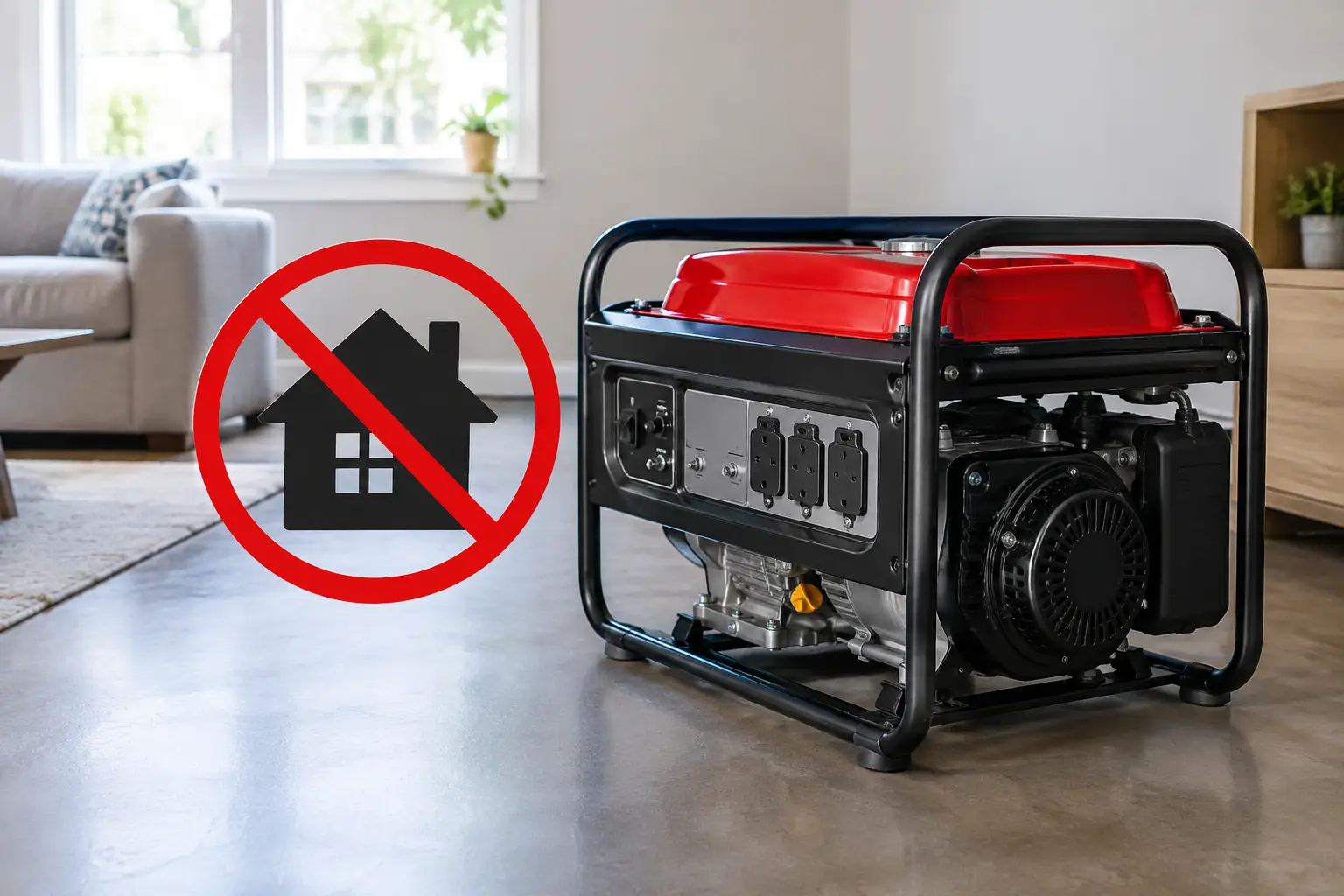
A professionally installed standby generator remains the most dependable option for homeowners who want broad coverage and long-duration performance. It starts automatically, is designed for home electrical integration, and can support larger loads that battery-based systems struggle to carry economically for long periods.
That does not mean a generator is the right answer for every property. Some homeowners truly only need partial backup. Others may have site constraints, budget limits, or sustainability goals that make another option more attractive. But when outage protection has to be dependable, repeatable, and sized for real household demands, standby systems still set the standard.
Just as important, the equipment is only part of the equation. Backup power needs proper load calculation, permitting, code-compliant installation, transfer equipment, startup testing, and ongoing maintenance. This is where experienced providers like GenTek Power create value. The goal is not just to install hardware. It is to make sure the system works when your family actually needs it.
How to decide what fits your home
Start with your risk, not the product. Ask what absolutely must stay on during an outage, how long outages usually last in your area, and what happens if power is out for a day instead of an hour. A freezer thawing is one problem. Losing heat, water, sump protection, or medical support is another.
Then look at your loads honestly. Whole-home expectations require a different solution than a small critical-load panel. If you want central air, pumps, kitchen appliances, and normal household function, do not assume a quiet alternative will automatically deliver that result.
Finally, think beyond installation day. Backup power is a long-term reliability decision. The right system should be properly sized, professionally installed, and supported by a company that will still answer the phone after the storm. Peace of mind comes from knowing exactly what your system can do, and knowing there is a qualified team behind it when the lights go out.