When the power goes out at 2 a.m., most homeowners are not asking about generator brands first. They are asking whether the heat will stay on, whether the sump pump will keep up, whether the fridge full of food is safe, and whether the internet, security system, or medical equipment will keep running. That is why the real answer to what is the best backup generator for a house is not a single model. It is the right standby generator, properly sized, professionally installed, and supported long after the sale.
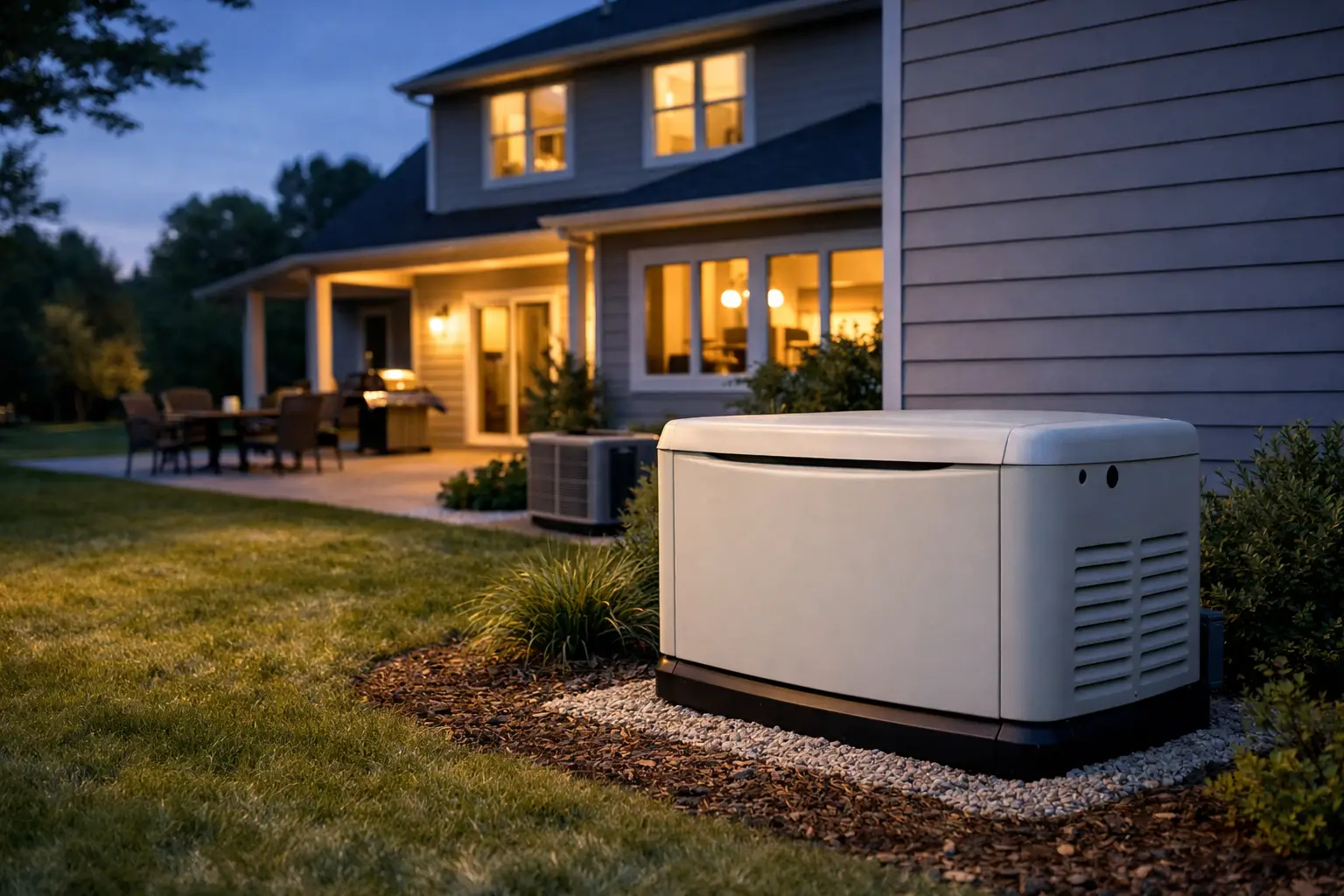
For most homes, the best choice is an automatic standby generator connected to natural gas or propane. It starts on its own when utility power fails, powers the circuits or systems that matter most, and shuts down automatically when power returns. Portable generators can help in a pinch, but they are not the best long-term answer for homeowners who want safety, comfort, and reliable protection during storms or extended outages.
What is the best backup generator for a house in real-world terms?
The best generator is the one that fits how your home actually uses power. A small ranch home with gas heat and basic appliances has very different needs than a larger house with central air, a well pump, a home office, two refrigerators, and a finished basement with a sump pump. The answer depends on your electrical load, your fuel source, your outage risk, and how much of the home you expect to run during an emergency.
This is where many homeowners get steered wrong. They are sold based on a headline number like 22kW or 24kW without a serious look at startup loads, priority circuits, or future needs. Bigger is not always better, and smaller is not always cheaper once nuisance shutdowns or poor performance show up. A generator should be chosen around protection, not guesswork.
Whole-house vs essential-circuit backup
If you want the closest thing to normal life during an outage, whole-house backup is usually the best fit. That does not always mean every single load runs at once. It means the system is designed so your home continues functioning with minimal disruption, often through smart load management that prioritizes major systems without overloading the generator.
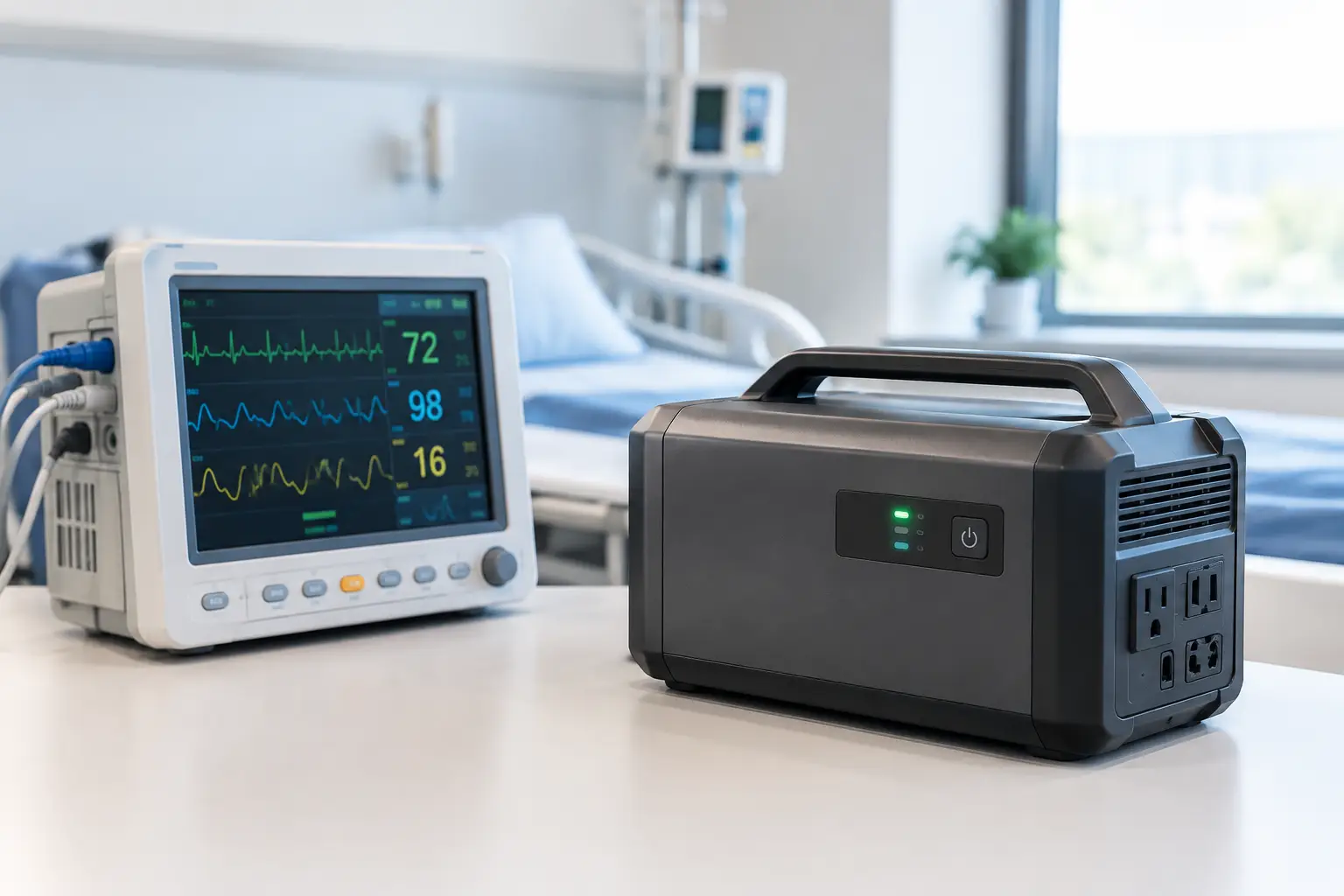
Essential-circuit backup is another strong option when budget matters or when the house has very high electrical demand. In that setup, the generator supports selected items such as refrigeration, heating equipment, lighting, garage doors, internet, medical devices, and sump pumps. For some households, that is more than enough. For others, especially families working from home or relying on electric cooling, it can feel like a compromise very quickly.
The best backup generator for a house is often the one that matches your expectations honestly. If you expect to cook normally, cool the house, run laundry, and keep a home office online, a limited backup setup may disappoint you even if it was cheaper upfront.
The fuel source matters more than most people think
For residential standby systems, natural gas is often the most convenient choice because it does not require on-site refueling during an outage. If your home already has natural gas service, that can make standby ownership simpler and more dependable.
Propane is also an excellent option, especially in areas without natural gas. It burns cleanly and stores well, but your runtime depends on tank size and fuel planning. If outages in your area can last days, propane storage needs to be part of the conversation.
Diesel has advantages in some commercial and specialty applications, but it is less common for standard residential standby systems. Fuel maintenance, storage concerns, and equipment fit make it a less typical answer for the average house.
If you are asking what is the best backup generator for a house, start with available fuel. The best generator on paper is not the best choice if fuel supply becomes your weak point during a storm.
Size is not just square footage
Homeowners often assume generator sizing is based on the size of the house alone. It is not. Square footage helps provide context, but what really matters is what the home needs to start and run. Air conditioners, electric water heaters, dryers, well pumps, hot tubs, ranges, and EV chargers all change the equation.
That is why proper sizing starts with a load analysis. A good installer looks at your electrical service, major appliances, heating and cooling equipment, and which circuits or loads you need protected. They should also ask how you live. Do you work from home? Do you have a finished basement that must stay dry? Is someone in the home dependent on powered medical equipment? Are you planning to add electrical loads later?
A generator that is too small can struggle with motor starting, trip off under demand, or force too many compromises. A generator that is oversized can add unnecessary cost and may not be the most efficient fit. The goal is not to buy the biggest box in the catalog. The goal is dependable operation under real outage conditions.
Why standby generators beat portables for most homes
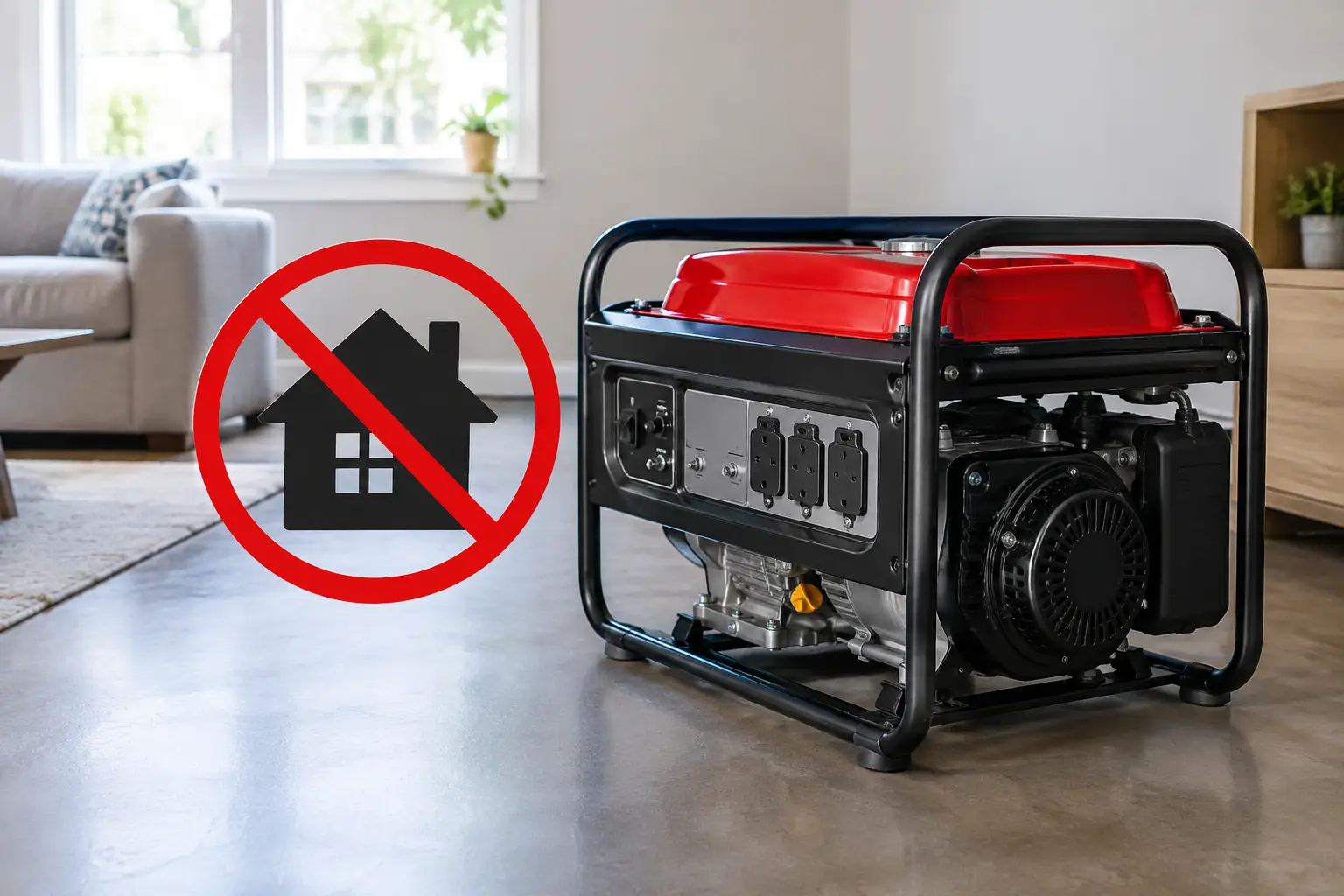
Portable generators have their place, but they come with trade-offs that become obvious fast. Someone has to wheel them out, fuel them, start them, and connect them correctly. If the outage happens while you are away, asleep, or in dangerous weather, a portable unit does not provide much protection.
There are also safety issues. Improper use can create carbon monoxide hazards, backfeeding risks, and extension-cord overloads. Even when used correctly, portables usually power only a small portion of the home and require much more hands-on management.
An automatic standby generator is built for a different level of protection. It monitors utility power, starts automatically, transfers the electrical load through approved equipment, and keeps operating without you standing outside in the rain. For homeowners protecting comfort, food, internet access, security, and critical equipment, that difference matters.
The best brand is only part of the answer
Homeowners naturally ask about brand names, and that is reasonable. Equipment quality matters. But in this category, installation quality and long-term service support matter just as much.
A good generator can perform badly if it is undersized, installed with poor gas pressure planning, wired incorrectly, placed in the wrong location, or neglected after commissioning. On the other hand, a well-matched generator installed by licensed professionals and supported with regular maintenance is far more likely to do its job when the grid fails.
This is a major point of confusion in the market. Some contractors treat generator installation like a one-time equipment sale. In reality, it is an ongoing protection system. Permits, utility coordination, code compliance, startup testing, maintenance, and support all affect whether the system will be ready when you need it.
That is why the best backup generator for a house is not just about brand or price. It is about the entire solution behind it.
What homeowners should look for before they buy
A reliable purchase process should feel clear, not rushed. You should expect a real evaluation of your electrical needs, not a rough guess. You should understand what the generator will power, how long it can run on the available fuel source, what the installation includes, and who will service it afterward.
You should also expect transparency about trade-offs. If your home has large all-electric loads, a contractor should explain whether full-house backup is realistic, whether load shedding is needed, and what level of performance you can expect during an outage. If they promise everything without asking detailed questions, that is usually not a good sign.
The homeowners who are happiest with their generator years later are usually the ones who bought based on reliability and support, not just the lowest quote.
So, what is the best backup generator for a house?
For most households, the best answer is an automatic whole-home or essential-load standby generator powered by natural gas or propane, sized through a professional load analysis and installed by a qualified contractor who also handles service. That setup gives you the highest chance of having real protection instead of partial, unpredictable backup.
If your outages are rare and short, and your needs are modest, a smaller standby system focused on essentials may be the smartest investment. If your home depends on HVAC, a well pump, basement flood protection, refrigeration, smart-home systems, and uninterrupted connectivity, a larger whole-home standby system is often worth it. The right answer depends on what failure would cost you in comfort, safety, disruption, and damage.
A backup generator should remove uncertainty, not add more of it. If you are making this investment, choose a system that is designed around your home, installed to code, and backed by people who will still answer the phone after the weather turns. That is what makes a generator the best choice in practice, not just on paper.