The wrong generator size usually shows up at the worst possible time – when the power is out, the house is warming up or cooling down fast, and you realize your system can’t carry what you thought it would. If you’re asking, how many watt backup generator do I need, the real answer starts with what must stay on, what can wait, and whether you want basic survival power or true day-to-day continuity.
For some homes, a smaller generator that keeps the refrigerator, lights, internet, sump pump, and a few outlets running is enough. For others, especially if you rely on central air, a well pump, medical equipment, or work from home, undersizing creates frustration and risk. Generator sizing is not just about adding up appliance labels. It’s about startup loads, transfer equipment, fuel type, code requirements, and making sure the system performs when the outage lasts longer than expected.
How many watt backup generator do I need for my home?
A practical starting point is to separate your needs into two categories: essential circuits and whole-home coverage. Essential circuits are the systems you need to protect safety, food, water, and communication. Whole-home coverage is closer to normal living, where major appliances and HVAC can run with fewer compromises.
Most homes that only want essentials land somewhere around 7,500 to 12,000 running watts, depending on whether there is a sump pump, well pump, or electric water heater involved. Homes looking for broader comfort and convenience often need 14,000 to 22,000 watts or more. Larger homes, all-electric homes, or homes with multiple air conditioning systems can push beyond that range quickly.
That said, square footage alone does not size a generator accurately. A smaller home with a deep well, electric range, and large HVAC load may need more generator capacity than a larger home on natural gas with modest electrical demand. The electrical profile matters more than the floor plan.
Start with what you cannot afford to lose
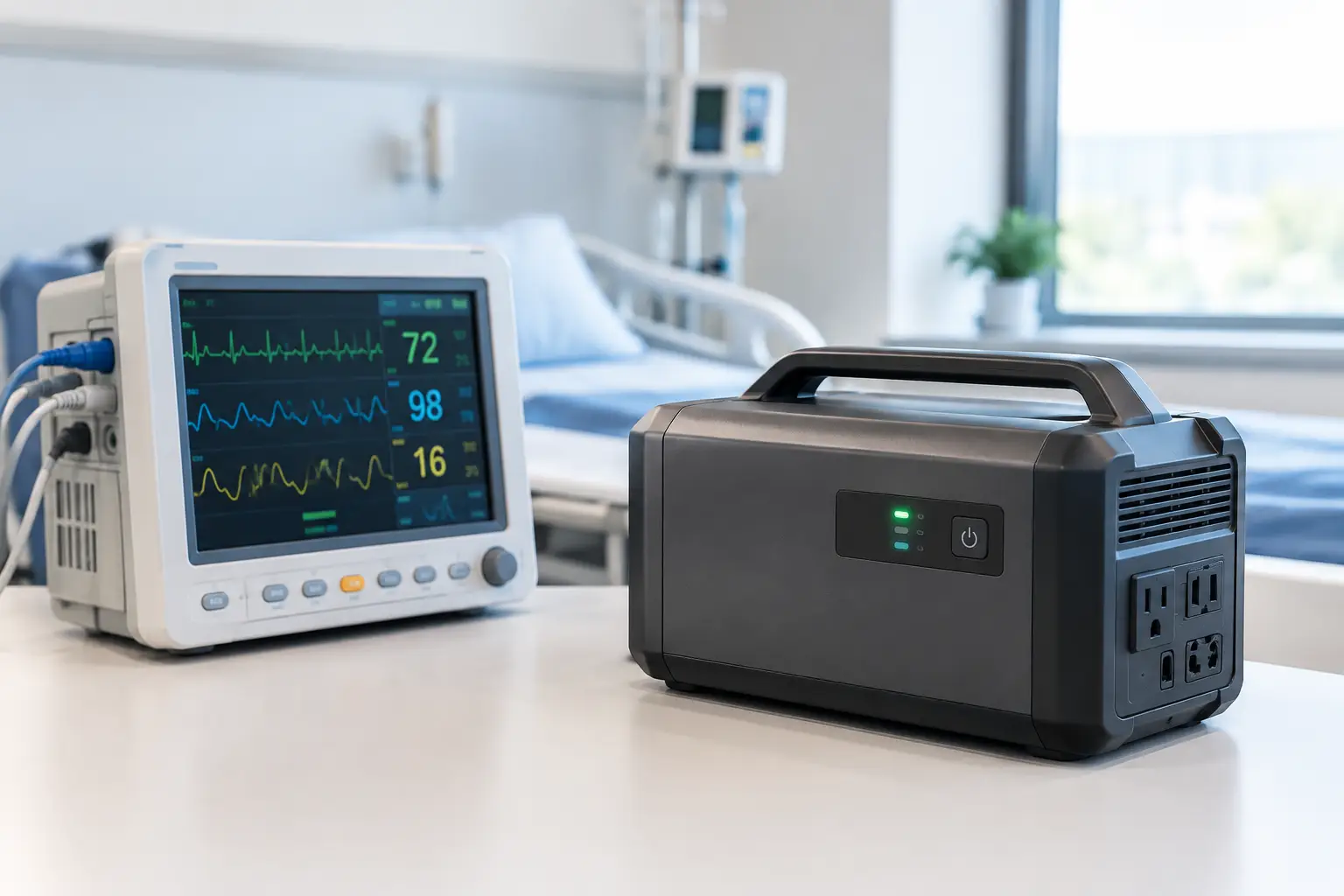
The safest way to size a backup generator is to begin with consequences, not equipment. What actually happens if the power is out for 8 hours, 24 hours, or several days? Refrigerated food spoils. Basements flood. Pipes freeze. Internet drops. Security systems and garage doors stop working. If someone in the home depends on powered medical devices, the stakes are even higher.
That is why professional sizing starts with priorities. Your must-run items often include the refrigerator, freezer, lighting, internet equipment, furnace blower or boiler controls, sump pump, well pump, garage door opener, and a few kitchen or bedroom circuits. Then you decide whether comfort loads like air conditioning, electric cooking, laundry, and water heating should also be covered.
For business owners, the same thinking applies. The key question is not just total wattage. It is what downtime costs you in lost sales, spoiled product, interrupted service, or damaged equipment.
Running watts vs startup watts
This is where many online estimates go wrong. Not every device draws the same amount of power all the time. Some appliances and motors need a much larger burst of electricity when they first start. That startup demand is often called surge wattage or starting wattage.
A refrigerator may run at a modest level once it is operating, but the compressor can draw much more for a brief moment at startup. The same is true for sump pumps, well pumps, air conditioners, and furnace blowers. If the generator cannot handle that surge, the equipment may fail to start, trip protection, or force other loads offline.
That is one reason a simple appliance checklist can be misleading. Two homes with the same list of equipment may need different generator sizes based on how and when those loads start, and whether load management is built into the system.
Typical household loads to think about
You do not need to become an electrician to understand the big picture, but it helps to know which systems drive generator size. Lighting, electronics, and internet equipment usually add relatively modest demand. Refrigeration is manageable, but still important because of startup load. Microwaves, coffee makers, and small appliances are not huge on their own, yet they stack up fast when several are used at once.
The major load drivers are usually HVAC, electric water heaters, dryers, ranges, ovens, well pumps, and large shop equipment. Central air conditioning can be one of the biggest factors in sizing. If you want the house to stay comfortable during peak summer outages, the generator has to be sized for that reality, not for a mild day in spring.
Electric heat changes the picture even more. Homes with electric furnaces or baseboard heat often need much larger systems, or a strategy that prioritizes selected circuits instead of trying to power everything at once.
Why whole-home backup often makes more sense than people expect
Some homeowners start out thinking they only need a small generator for essentials. Then they look at the actual inconvenience of an outage. No cooling in extreme heat. No cooking on electric appliances. Limited hot water. Constant circuit choices. Family members unplugging one thing to run another.
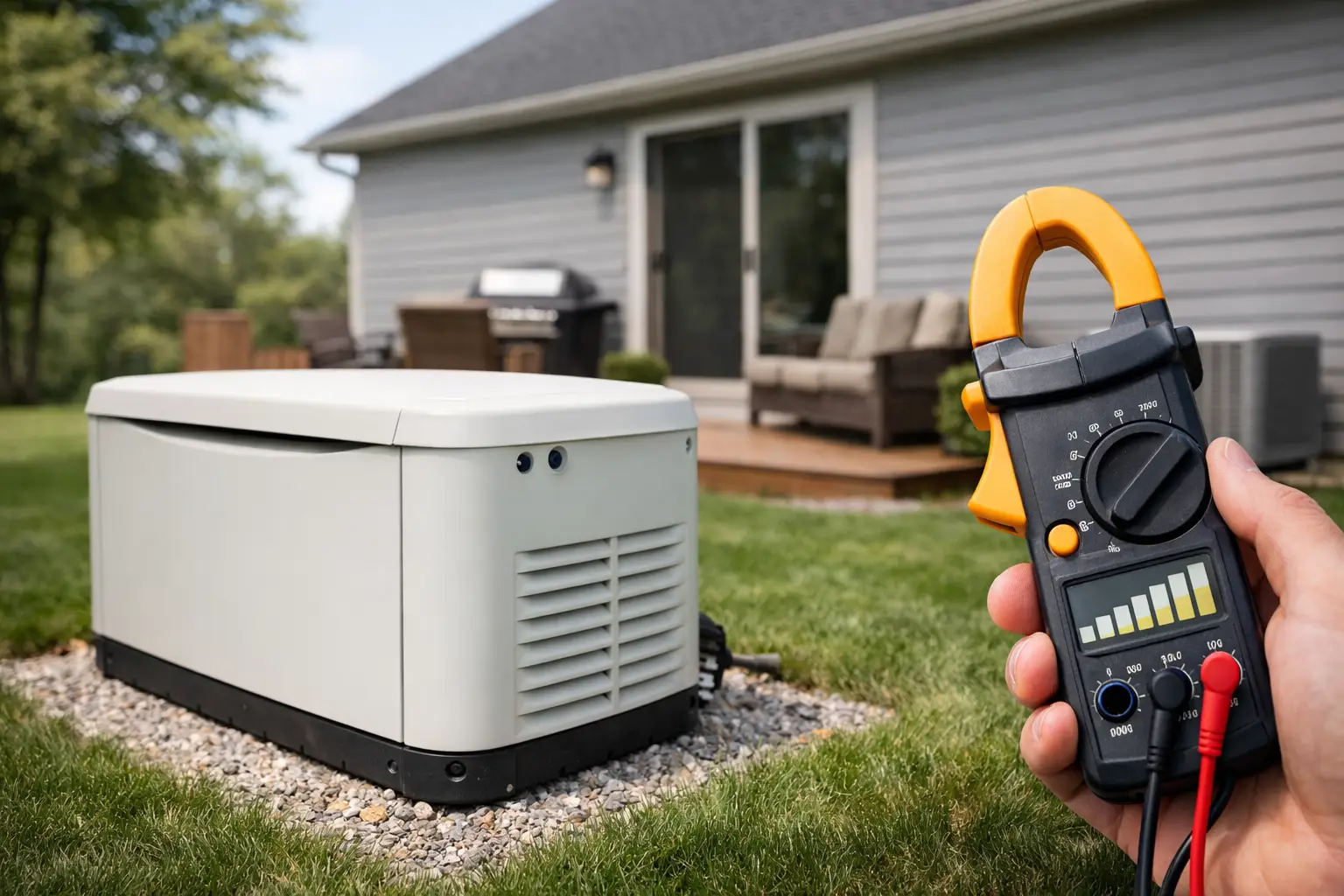
That is where whole-home standby power starts to look less like a luxury and more like a reliability decision. A properly sized automatic standby generator restores power quickly, works with a transfer switch, and protects the systems that make the home livable and secure. You are not dragging cords, rationing outlets, or guessing what the generator can handle.
There is a cost difference, of course. A larger system means more equipment, more fuel planning, and potentially a more involved installation. But undersizing has a cost too – especially if it leaves out the very systems you wanted to protect.
Fuel type affects what size makes sense
Natural gas, propane, and diesel systems each come with trade-offs. For most residential standby installations, natural gas and propane are the common options. Natural gas is convenient where available because fuel supply is continuous. Propane can work very well too, but tank sizing and refill planning matter, especially during extended outages.
Fuel type does not just affect runtime. It can also affect generator output and installation design. A unit may perform differently depending on the fuel used, local conditions, and site setup. That is another reason the final sizing decision should be based on the actual property, not just a generic chart.
The transfer switch and load management matter too
A generator is only part of the system. The transfer switch determines how power is safely moved from utility service to backup power. Load management can be used to control which large appliances run and when. That can allow a smaller generator to support a smarter, more efficient backup plan.
For example, some systems are designed so the air conditioner and electric water heater do not start at the same time. Others prioritize critical loads first and bring secondary loads on only when capacity allows. Done correctly, this can improve performance and reduce the need to overspend on more generator capacity than the home truly needs.
Done poorly, it creates confusion, nuisance shutdowns, or unsafe installations. That is why professional design matters. Generator sizing is tied to the electrical service, the fuel supply, the transfer equipment, and the way the home is actually used.
When online calculators help – and when they don’t
Online calculators can be useful for a rough first pass. They can help you understand whether you are likely in the range of a small essentials-only system or a larger whole-home unit. But they are not a substitute for a site-specific load evaluation.
They usually cannot account for startup characteristics, future needs, fuel pressure, local code requirements, or the practical realities of installation. They also do not tell you whether your panel layout supports the backup strategy you have in mind.
If you are making a long-term investment in standby power, guessing is expensive. A properly sized system should feel boring in the best possible way. It starts, carries the load it was designed for, and keeps working when the storm is still going.
A better way to answer the sizing question
If you are still asking how many watt backup generator do I need, the best answer is this: enough to protect the loads that matter most, with room for startup demand, seasonal conditions, and real-world use. Not so small that you live around its limits, and not so oversized that you pay for capacity you will never use.
A professional consultation usually reviews your electrical loads, identifies critical circuits, considers HVAC and pump requirements, confirms fuel availability, and matches the generator to the transfer strategy. That process removes the guesswork and helps you avoid the two most common mistakes – buying too little generator or trusting an installer who sizes by rule of thumb.
Companies like GenTek Power build their value around this part of the job for a reason. The right generator is not just a piece of equipment. It is a complete standby power system that has to be sized, installed, tested, and supported correctly if you expect it to protect your home or business when conditions are at their worst.
If backup power is meant to give you peace of mind, the sizing decision should do exactly that – leave you confident that when the lights go out, the things that matter keep working.