When the power goes out, most homeowners find out quickly what actually depends on electricity. Refrigerators warm up. Sump pumps stop. Wi-Fi disappears. Heat or air conditioning shuts down. For some households, that is inconvenient. For others, it is a serious safety issue. Household backup generators are built for exactly this problem – keeping your home running when the grid does not.
If you are considering backup power, the biggest mistake is treating it like a simple retail purchase. A generator is not just a machine sitting outside your house. It is a permanently installed system tied into your electrical service, fuel supply, and transfer equipment. Whether it protects a few essentials or supports whole-home backup, the right result depends on proper sizing, code-compliant installation, and dependable service after the work is done.
What household backup generators actually do
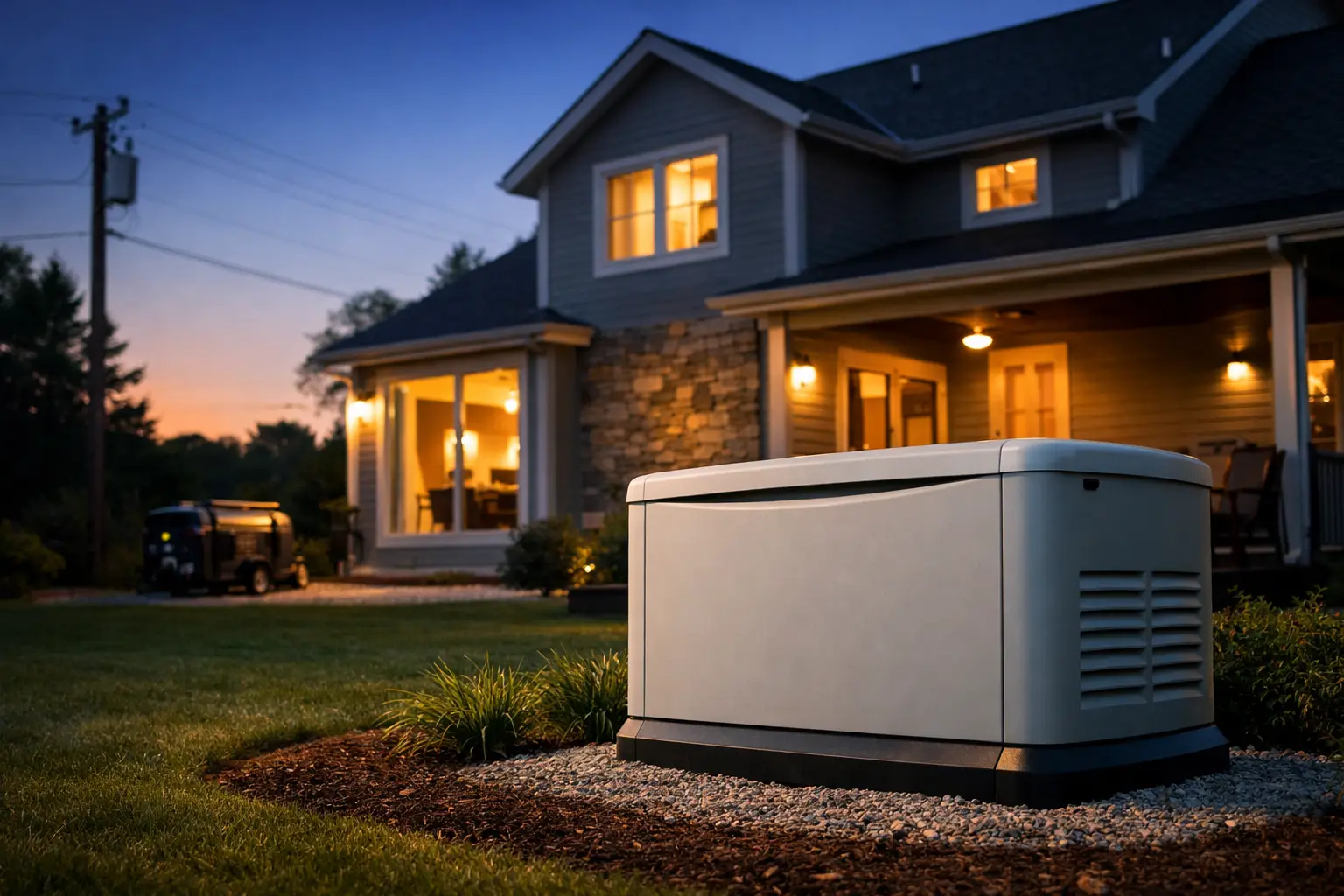
A standby generator is designed to restore power automatically during an outage. When utility power fails, the system detects the interruption, starts the generator, and transfers your home onto backup power. When utility service returns, the system shifts back and shuts the generator down.
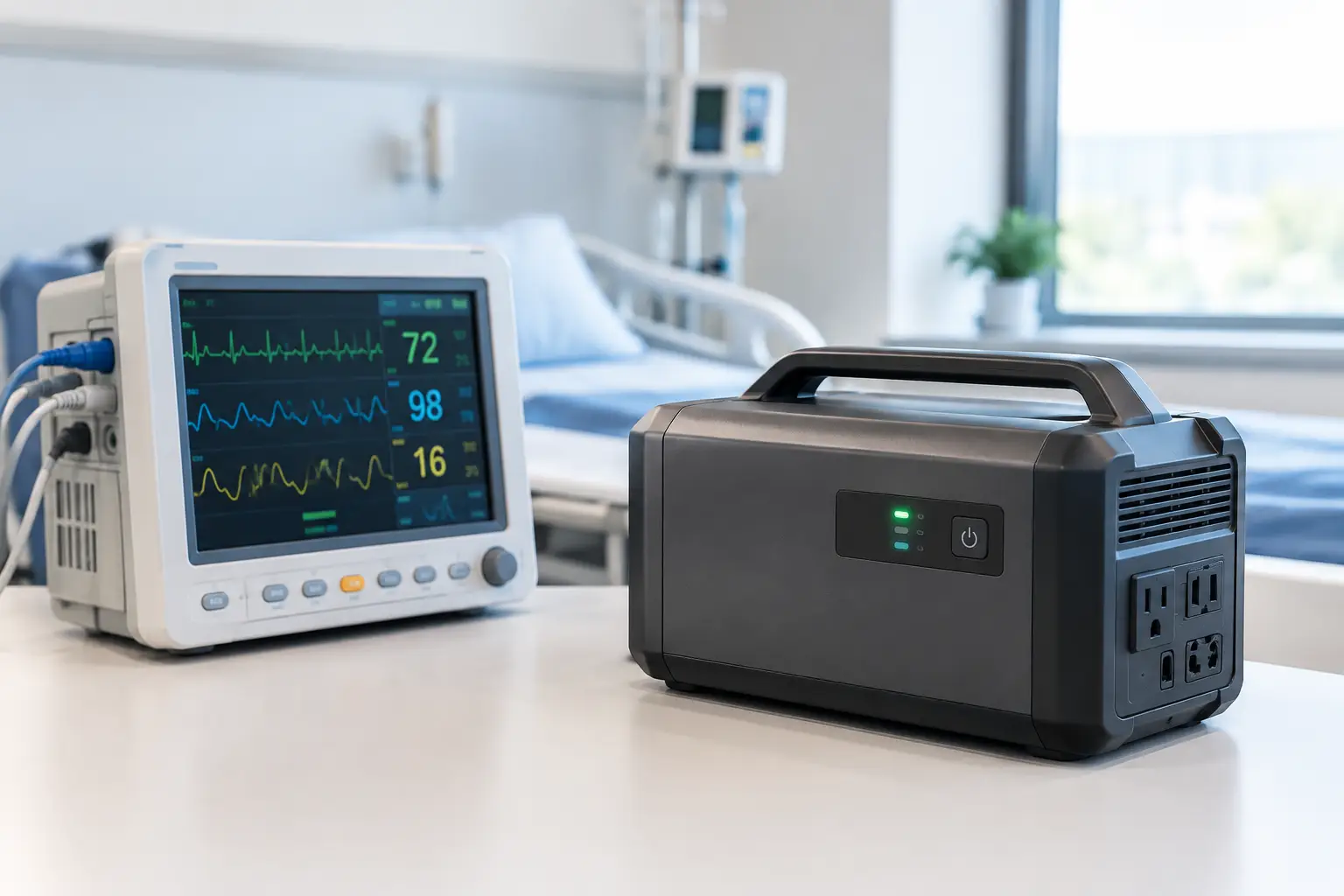
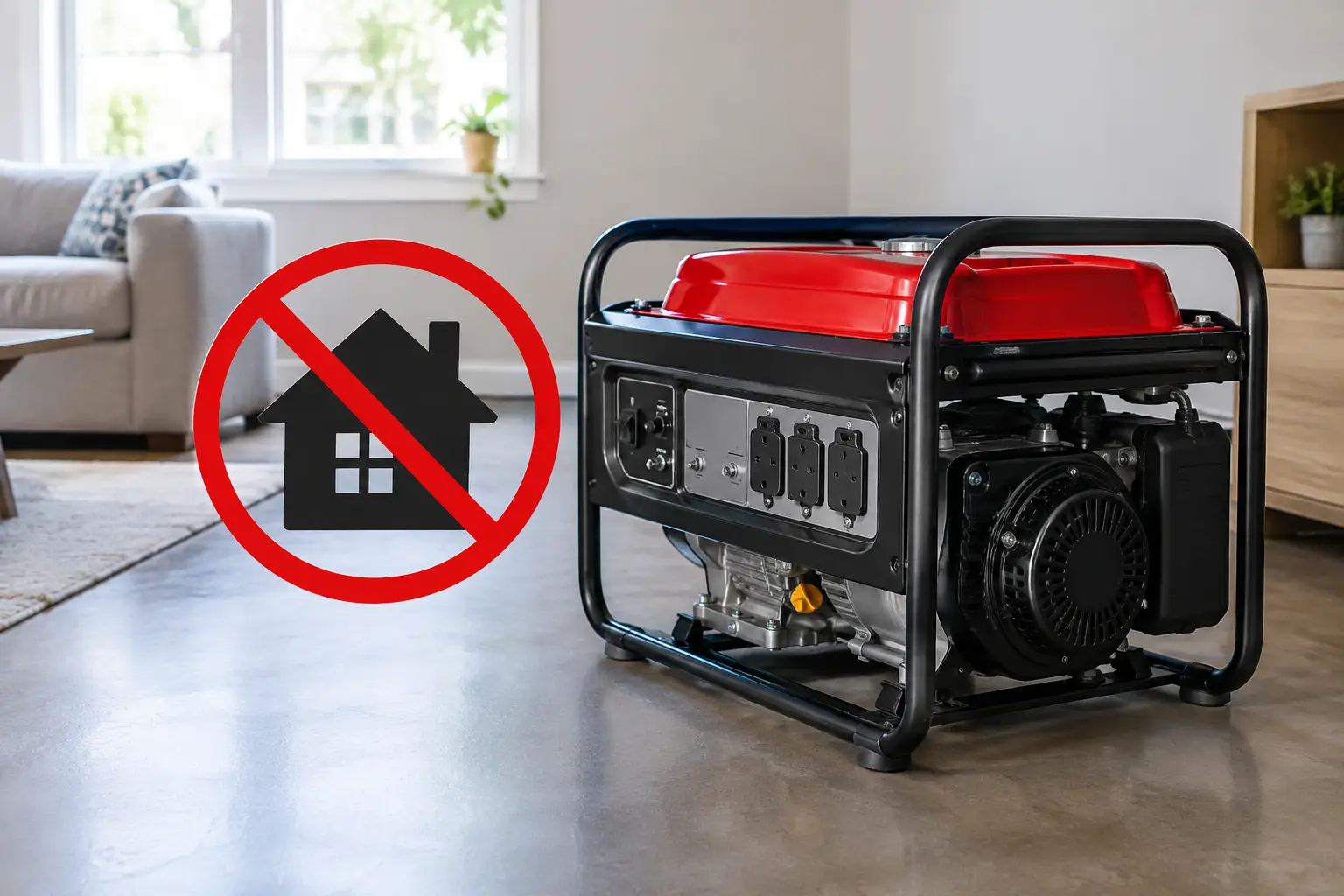
That automatic response is what separates a true standby system from a portable generator. You do not need to drag equipment out of the garage, run extension cords, refuel by hand, or go outside in bad weather. For homeowners who travel, work from home, care for children or older family members, or rely on medical equipment, that difference matters.
Most household backup generators run on natural gas or propane. Natural gas is often preferred where it is available because the fuel supply is continuous. Propane can be an excellent option in areas without gas service, but runtime depends on tank size and fuel planning. Neither choice is universally better. The right answer depends on your property, your utility setup, and how long outages tend to last in your area.
Why more homeowners are installing household backup generators
Outages are not only caused by major storms. Utility failures, ice, high winds, overloaded infrastructure, vehicle impacts, and local equipment issues can all leave a neighborhood without power. Even shorter outages create real disruption when your home depends on powered systems for comfort, security, and daily function.
Today, many homes use more electricity than they did a decade ago. Home offices, smart devices, security systems, well pumps, EV charging equipment, and larger HVAC loads all increase the impact of a blackout. If you have a finished basement, a freezer full of food, or a sump pump protecting against flooding, the cost of one outage can add up fast.
For many families, the decision is no longer about convenience alone. It is about avoiding preventable loss. Spoiled food, frozen pipes, water damage, internet downtime, alarm failures, and uncomfortable indoor temperatures all become more likely when the house goes dark.
Whole-home backup vs essential circuits
One of the first decisions is whether you want whole-home coverage or backup for selected essentials. This is where many homeowners get oversold, undersized, or simply confused.
Whole-home backup is designed to support the house with minimal interruption to normal life. Depending on the electrical load and equipment installed, that can include HVAC, kitchen appliances, lighting, internet, sump pumps, and other major systems. This approach offers the highest level of protection and convenience, but it also requires more careful load calculation and usually a larger generator.
Essential circuit backup is a more selective approach. It focuses on the systems you cannot afford to lose, such as refrigeration, heating equipment, medical devices, lighting, garage access, and pump systems. This can be a practical fit for households that want meaningful protection without backing up every load in the house.
The right choice depends on your goals, your budget, and your home’s electrical demands. A trustworthy contractor should walk you through real usage scenarios, not just quote a generator based on square footage alone. Homes of the same size can have very different load profiles.
Generator sizing is where reliability starts
A generator that is too small will struggle when the house needs it most. A generator that is too large can cost more than necessary and may not be the best fit for efficient operation. Proper sizing is not guesswork.
A professional sizing process should account for starting loads, running loads, HVAC equipment, water heaters, pumps, electric ranges, dryers, and other high-demand appliances. It should also consider whether you want everything to run at once or whether some loads can be managed intelligently.
Load management can make a major difference. In some homes, a well-designed system allows a smaller generator to support more of the house by prioritizing which equipment runs at certain times. That can improve value without sacrificing protection where it matters most.
This is also why low-price quotes deserve scrutiny. If someone offers a one-size-fits-all generator without a serious look at your electrical system, fuel source, and home layout, the risk falls on you later.
Installation is not the place to cut corners
Standby generators require more than setting a unit on a pad and connecting wires. A proper installation includes site planning, electrical integration, transfer switch configuration, fuel connection, code compliance, startup testing, and final verification that the system performs as promised.
Permitting and utility coordination are also part of the job. Homeowners are often surprised by how many moving parts are involved. That is exactly why professional project management matters. An experienced installer handles the details, keeps the work compliant, and makes sure the system is ready before the next outage tests it.
Placement matters as well. Clearance requirements, noise considerations, service access, local code rules, and fuel routing all affect where the generator should go. A rushed install can create problems that show up later during inspection, maintenance, or emergency use.
The system is only as good as the service behind it
A generator is a long-term protection system, not a one-time purchase. It needs scheduled maintenance, periodic testing, and support when conditions are worst. That is where many homeowners get disappointed – especially when the installer disappears after the sale.
Reliable after-install service should include routine maintenance, battery checks, oil and filter service, software or controller review, and response when alarms or faults appear. Remote monitoring can also help identify issues before an outage exposes them.
This is one reason homeowners choose full-service providers like GenTek Power. The value is not only in getting the generator installed. It is knowing there is a qualified team behind the system before, during, and after an outage.
What to ask before you buy
If you are comparing household backup generators, ask who is responsible for sizing, permits, fuel coordination, startup, warranty support, and future maintenance. If the answer is vague, that is a warning sign.
You should also ask what happens after installation. Who services the unit? Who responds if the generator faults during a storm? Is there a maintenance plan? Are technicians factory-trained? Clear answers matter because backup power only proves its value when something goes wrong.
Price is important, but it should not be the only filter. The cheapest option can become the most expensive if it leads to nuisance shutdowns, failed inspections, fuel issues, or poor support during an emergency.
Is a household backup generator worth it?
For homes that can tolerate long outages with no real consequences, maybe not. But that is not how most households operate anymore. If your home depends on refrigeration, internet, heating or cooling, pump systems, security equipment, or medical devices, backup power moves from optional to practical very quickly.
The better question is not whether a generator has a cost. It is whether the cost of being unprepared is higher. For many homeowners, the answer becomes obvious after one serious outage.
The best household backup generators are not simply the biggest or the cheapest. They are the ones that are correctly sized, professionally installed, and backed by a service team that treats reliability like a long-term responsibility. When the lights go out, that is what you are really buying: protection you do not have to second-guess.