When the power goes out at 2 a.m. in freezing weather, the question is not whether backup power sounds nice. The question is whether your heat stays on, your sump pump keeps working, and your family can get through the outage without scrambling in the dark. That is why the portable vs standby generator home decision matters more than most homeowners expect.
Both options can keep a house running during an outage, but they solve very different problems. A portable generator is usually a lower-cost, more manual way to power selected essentials. A standby generator is a permanent system built to protect the home automatically, often without you needing to step outside at all. If you are trying to choose the right fit, the best answer depends on how much power you need, how much interruption you can tolerate, and how much risk you are willing to manage yourself.
Portable vs standby generator home: the real difference
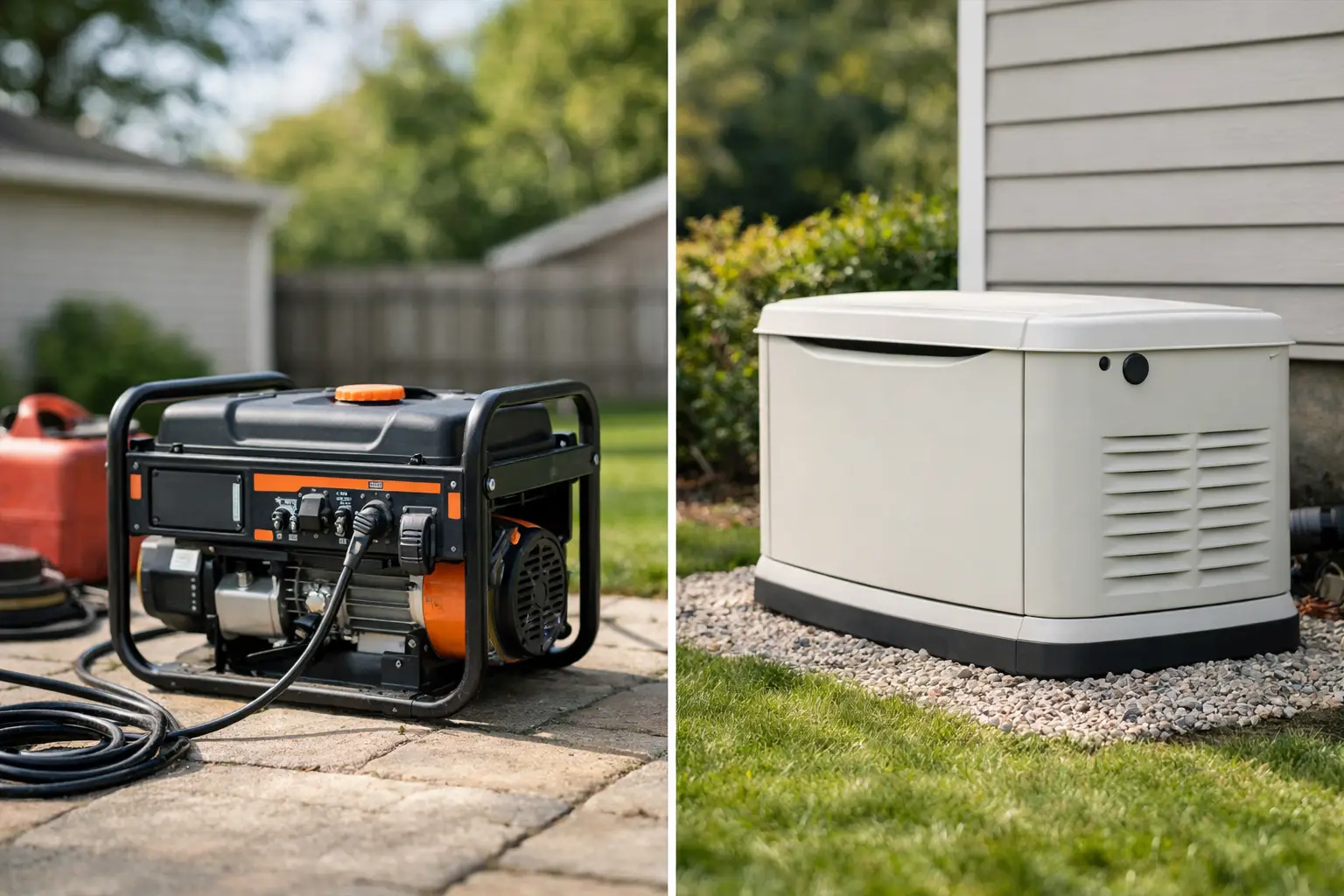
The easiest way to think about it is this. A portable generator helps you get through an outage. A standby generator is designed to carry the home through an outage.
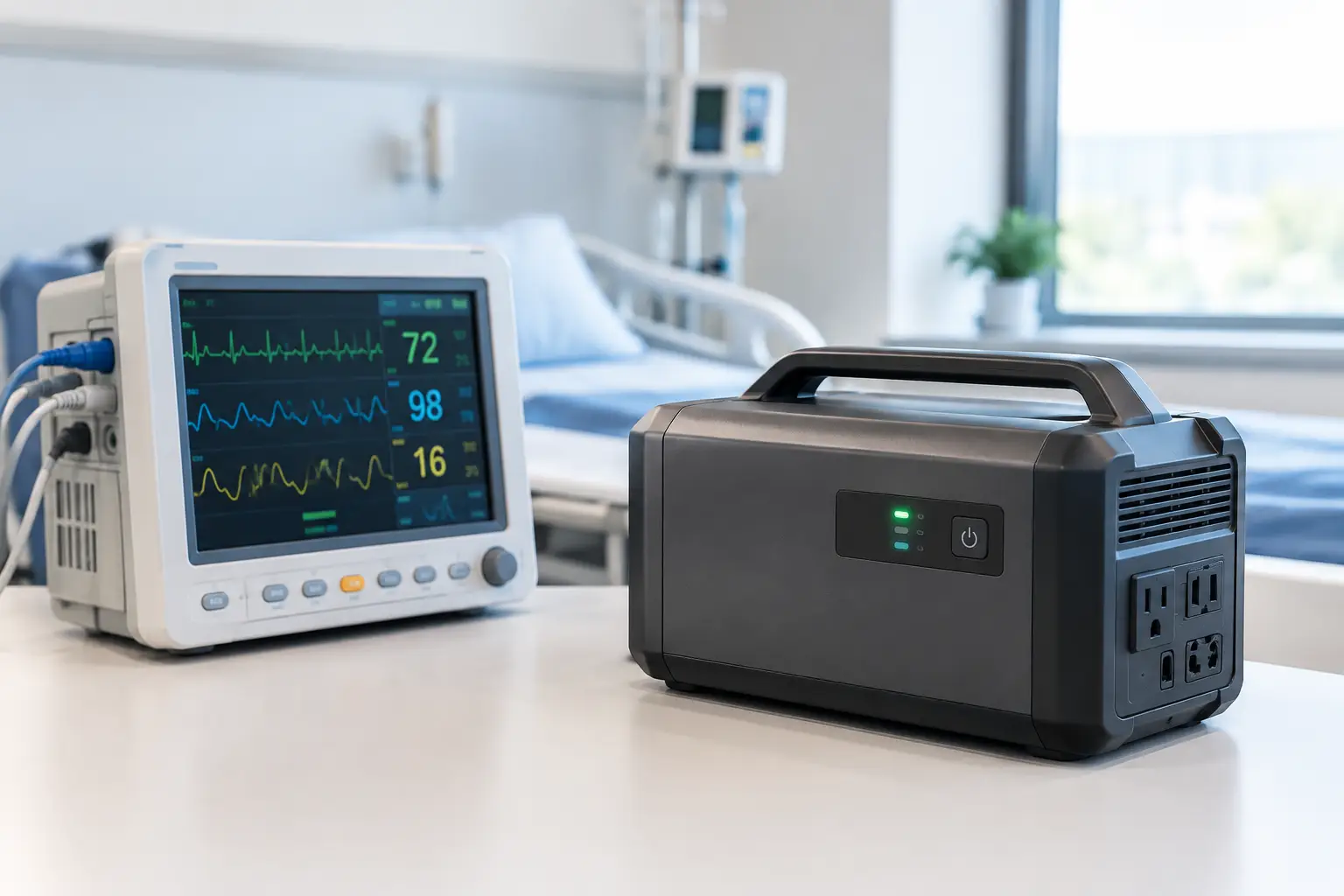
Portable generators are movable units, usually stored in a garage or shed until needed. When utility power fails, you bring the unit outside, start it, connect extension cords or a transfer setup, and manage fuel manually. That can be enough for a refrigerator, a few lights, a furnace fan, or some electronics if the system is sized properly.
A standby generator is permanently installed outside the home and connected to the electrical system through an automatic transfer switch. It monitors utility power continuously. When an outage happens, it starts on its own and transfers power automatically. In many homes, that means heating, cooling, refrigeration, lighting, internet, pumps, and other critical systems continue with little interruption.
That difference in operation is what drives nearly every other trade-off: convenience, safety, fuel supply, cost, maintenance, and peace of mind.
When a portable generator makes sense
A portable generator can be the right choice for homeowners who only need temporary, partial backup and are comfortable operating equipment manually. If your main goal is to keep food cold, charge phones, run a few lights, and protect one or two critical appliances during occasional outages, a portable unit may do the job.
It can also make sense for households with a tighter budget or for owners of smaller properties where whole-home backup is not a priority. Some customers prefer to start with a portable generator because the upfront investment is lower and the installation requirements are simpler, especially if they are not ready for a permanent system.
But this is where the decision needs honesty. Portable generators ask more from the homeowner. You need to store fuel safely, move the unit into position, start it during bad weather, and connect loads correctly. If an outage happens while you are away from home, the generator does not help unless someone is there to operate it.
For some families, that is acceptable. For others, especially those with children, older adults, home offices, finished basements, or medical equipment, that level of manual response is exactly what they are trying to avoid.
The limits of portable backup
Portable units are often described as flexible, and that is true. They are also limited in ways that matter during a real outage.
First, many homes cannot run central air conditioning, electric water heating, large kitchen loads, well pumps, sump pumps, and other essential equipment all at once on a portable unit. You may need to rotate loads carefully. That is manageable for a short outage on a mild day. It becomes much less practical during a multi-day storm.
Second, fuel management becomes its own problem. Gasoline has to be stored, replenished, and handled safely. If roads are bad or local stations are without power, getting more fuel is not always simple.
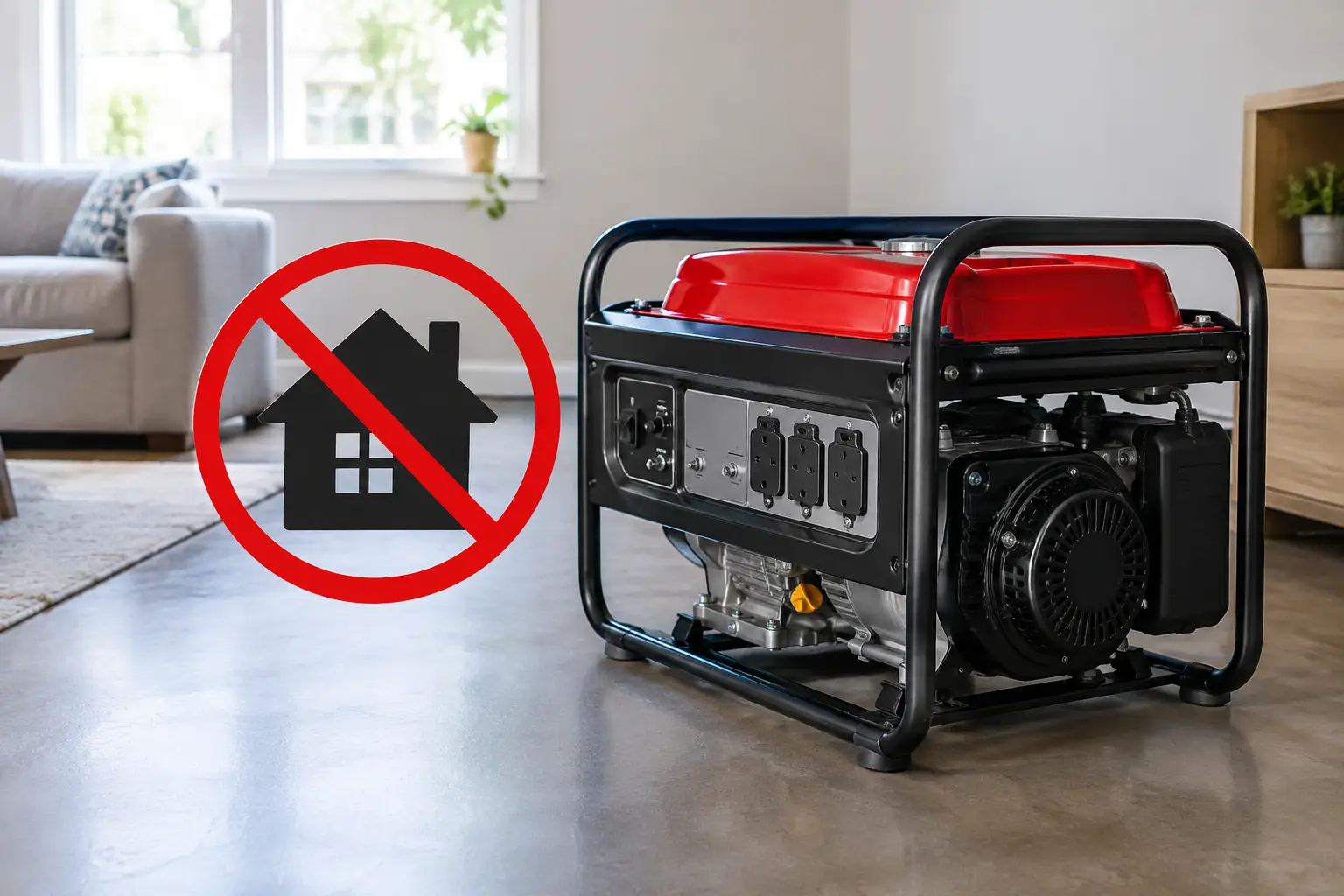
Third, there is the safety factor. Portable generators must be operated outdoors with proper distance from doors, windows, and vents because of carbon monoxide risk. Improper connection methods can also create backfeeding hazards that endanger utility workers and damage equipment. This is not an area for shortcuts.
Why homeowners choose standby generators
Standby systems appeal to homeowners who want dependable protection, not just emergency improvisation. When utility power fails, the system senses it, starts automatically, and restores selected circuits or the entire home based on system design. That speed matters when you are protecting comfort, food, pipes, pumps, security systems, and connected devices.
For households that work from home, rely on Wi-Fi for school or business, or have sensitive equipment that should not lose power for long, standby backup is often the more realistic solution. The same is true for homes with basements prone to water intrusion, properties with septic or well systems, or families caring for someone with medical needs.
A standby generator also changes the ownership experience. Instead of wondering whether you have enough fuel in cans, whether the unit will start, or whether someone is home to set it up, the system is already there and ready. That level of readiness is what many homeowners are actually paying for.
Standby power is about more than convenience
Convenience is part of the benefit, but it is not the whole benefit. Reliability, code compliance, and professional installation matter just as much.
A standby generator is not a plug-and-play appliance. Proper sizing, electrical design, fuel planning, permitting, placement, utility coordination, startup testing, and long-term service all affect whether the system performs when it counts. A poorly sized or poorly installed unit can leave critical loads unprotected or create service issues later.
That is why many homeowners choose a turnkey installer instead of piecing the project together with separate contractors. The value is not just getting the generator in place. The value is having the entire process handled correctly and having support after the installation is complete.
Cost matters, but so does the cost of an outage
The biggest reason homeowners compare portable and standby options is price. Portable generators are less expensive upfront. That part is true. But upfront price alone can be misleading.
A better question is what you are buying. With a portable generator, you are usually buying limited backup capacity and a manual process. With a standby generator, you are buying automatic protection, larger system capability, permanent fuel supply in many cases, and a professionally integrated solution.
You should also weigh the cost of outage consequences. Lost groceries, frozen pipes, flooded basements, hotel stays, missed work, interrupted business activity, and stress during severe weather all have a price. For some households, those risks are minor. For others, they justify a permanent system quickly.
This is especially true in areas where outages are frequent, storms are getting more disruptive, or utility restoration times are unpredictable. If outages are rare and short, a portable generator may be enough. If outages are serious enough to affect safety, property, or income, standby backup becomes much easier to justify.
Portable vs Standby Generator. Which is better for your home?
There is no honest one-size-fits-all answer to the portable vs standby generator home question. The right choice depends on how your home functions during an outage.
If you only need limited backup, are comfortable with manual setup, and can safely manage fueling and operation, a portable generator may be a practical short-term answer. It can cover basic needs when expectations are modest.
If you want automatic response, better coverage, less disruption, and stronger protection for the systems your home depends on, a standby generator is usually the better long-term investment. It is especially well suited for larger homes, outage-prone areas, homeowners who travel, and families who do not want to gamble on setup time when weather turns bad.
For many people, the decision comes down to this: do you want backup power that requires your attention, or backup power that protects the home even when you cannot?
The decision should start with a real load assessment
Before buying any generator, the smartest step is to identify what actually needs to run. Not what would be nice to have, but what must stay powered for safety, habitability, and continuity.
That often includes refrigeration, heating equipment, sump or well pumps, lighting, garage access, internet, security, and a few key receptacles. In some homes, air conditioning, home office loads, electric cooking, or medical devices also move into the essential category. Once those needs are clear, it becomes much easier to see whether a portable unit is enough or whether standby protection is the right path.
At GenTek Power, that is where the conversation should begin – with the home, the risks, and the level of protection you actually need, not with a generic box-store recommendation.
The best backup plan is the one you can trust when conditions are bad and decisions have to happen fast. If you are choosing between portable and standby, think beyond wattage. Think about who depends on that power, what happens if it fails, and how much confidence you want built into the system before the next outage arrives.