The search for a generator near me usually starts after a close call. Maybe the lights flickered through a storm. Maybe your sump pump stopped, your fridge warmed up, or your business lost internet, phones, and revenue all at once. In that moment, most people are not just shopping for equipment. They are trying to solve a reliability problem and avoid being in the same position again.
That is why the real decision is not simply which generator to buy. It is which company will size it properly, install it correctly, and still be there when the power goes out six months from now.
What “generator near me” should really mean
A local search should lead you to more than the closest installer. It should point you toward a provider that understands local permitting, utility requirements, fuel connections, weather risks, and code compliance. Standby generators are not plug-in appliances. They are permanent power systems tied into your electrical service, often your natural gas or propane supply, and your property as a whole.
If an installer gets the details wrong, the problems do not usually show up on day one. They show up during an outage, when the generator fails to transfer properly, carries the wrong load, or shuts down because something in the design was overlooked. That is the risk with choosing based on price alone or hiring a contractor who treats standby power like a side job.
A good local generator company takes ownership of the full process. That includes load calculations, product selection, site planning, permits, utility coordination, installation, startup testing, and ongoing service. For homeowners and business owners, that level of support matters more than a low upfront number.
How to evaluate a generator near me
When people compare options, they often focus first on generator brand and size. Those matter, but installation quality and long-term support matter just as much. The best generator in the world cannot make up for poor wiring, rushed commissioning, or no service plan after the install.
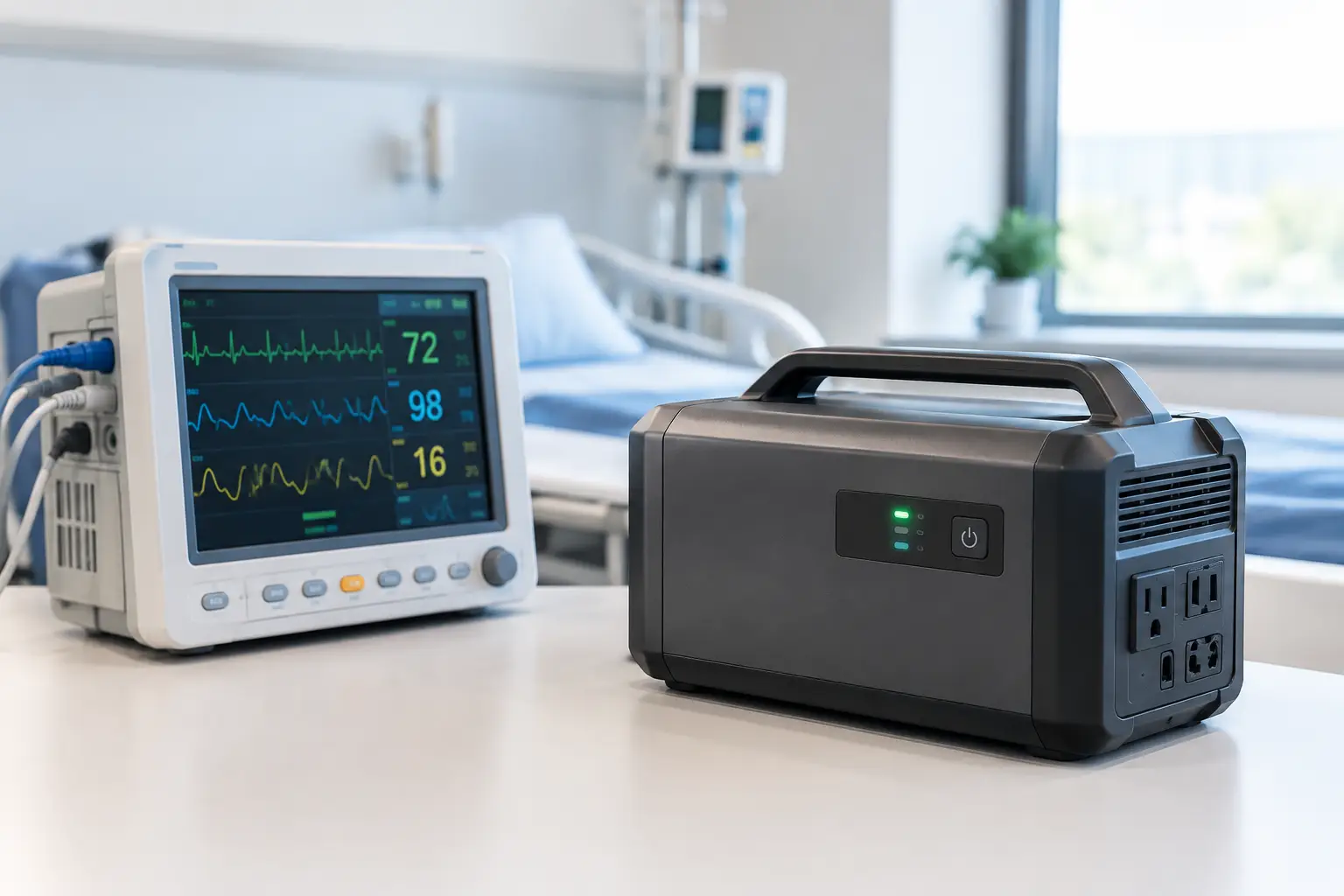
Start by asking how the company approaches system sizing. A trustworthy installer should want to know what must stay on during an outage. For a home, that may include HVAC, refrigeration, well pumps, sump pumps, lighting, medical equipment, and internet. For a business, it may involve network racks, refrigeration, security, point-of-sale systems, or critical production equipment. If someone quotes a unit without asking detailed questions, that is a warning sign.
Next, look at how they handle the project itself. A standby generator installation involves multiple moving parts, and customers should not have to manage all of them. A strong provider will explain the timeline clearly, manage permit requirements, coordinate trades, and tell you what to expect before work begins. That reduces delays and keeps surprises to a minimum.
Service after installation is another major factor. Some contractors are easy to reach while they are selling the job and much harder to reach once the generator is in place. That is a serious problem because standby systems need periodic maintenance, testing, and occasional repairs. If your installer does not have a real service model, you may end up owning a system that no one is accountable for.
The biggest mistake: buying too little or too much
Generator sizing is where many projects go wrong. Some buyers assume bigger is always better. Others try to save money by choosing the smallest possible unit. Neither approach is automatically right.
An undersized generator can leave you making hard choices during an outage. You may have to shed loads, avoid using certain appliances, or live without heating or cooling when you need it most. In commercial settings, undersizing can interrupt operations and defeat the whole point of having backup power.
Oversizing has its own downsides. A larger system costs more to purchase and install, may use more fuel than necessary, and may not be the best fit for your actual load profile. The goal is not maximum size. The goal is the right size for the way you live or operate.
That is why load planning matters. Some properties need whole-home backup. Others need coverage for selected circuits only. Some businesses need full continuity. Others need backup only for critical systems that keep the operation safe and functional until utility power returns. A careful consultation should sort that out before anyone talks final numbers.
Portable vs. standby: know what you are comparing
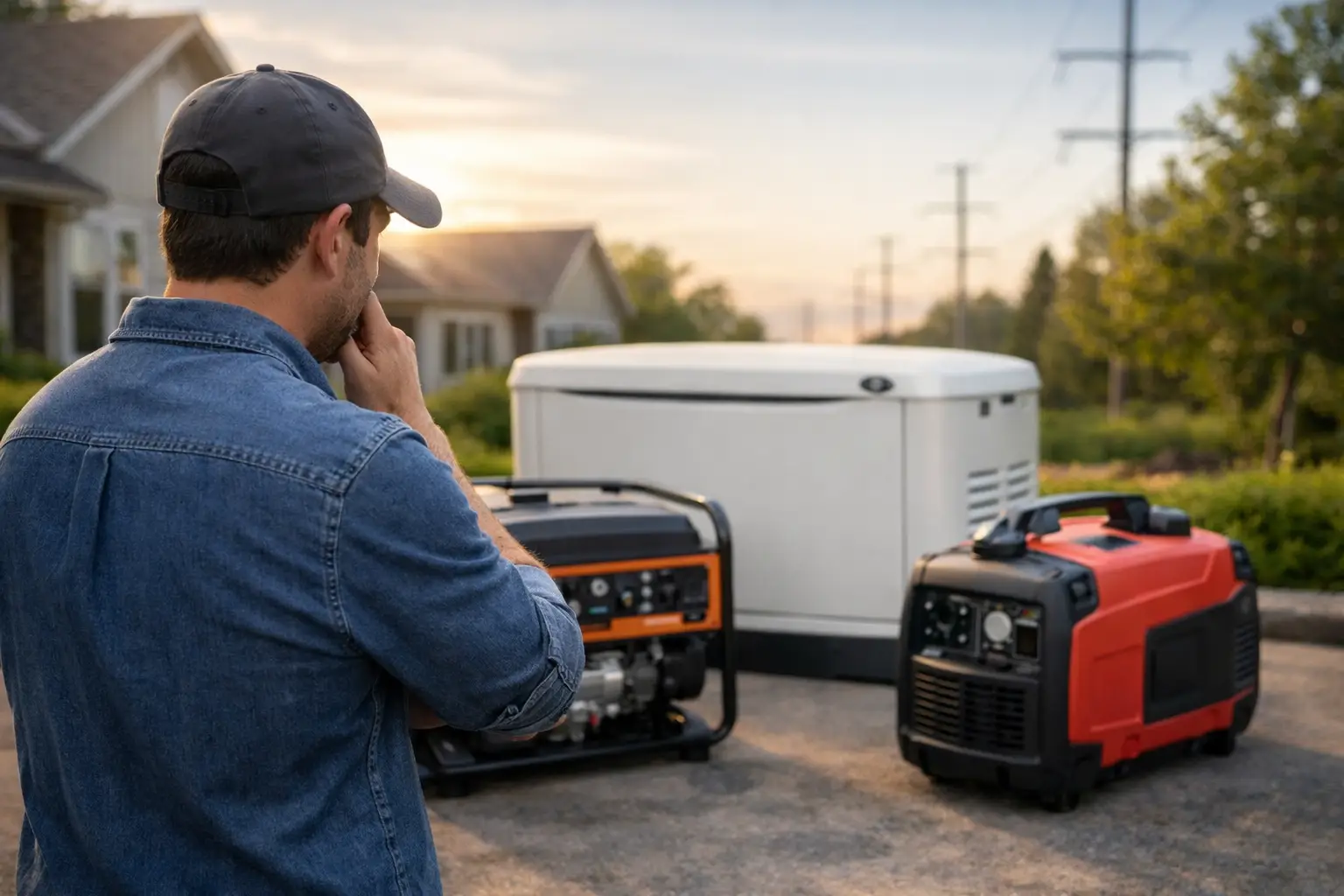
When people search generator near me, they are sometimes comparing portable units to automatic standby systems. The difference is larger than most expect.
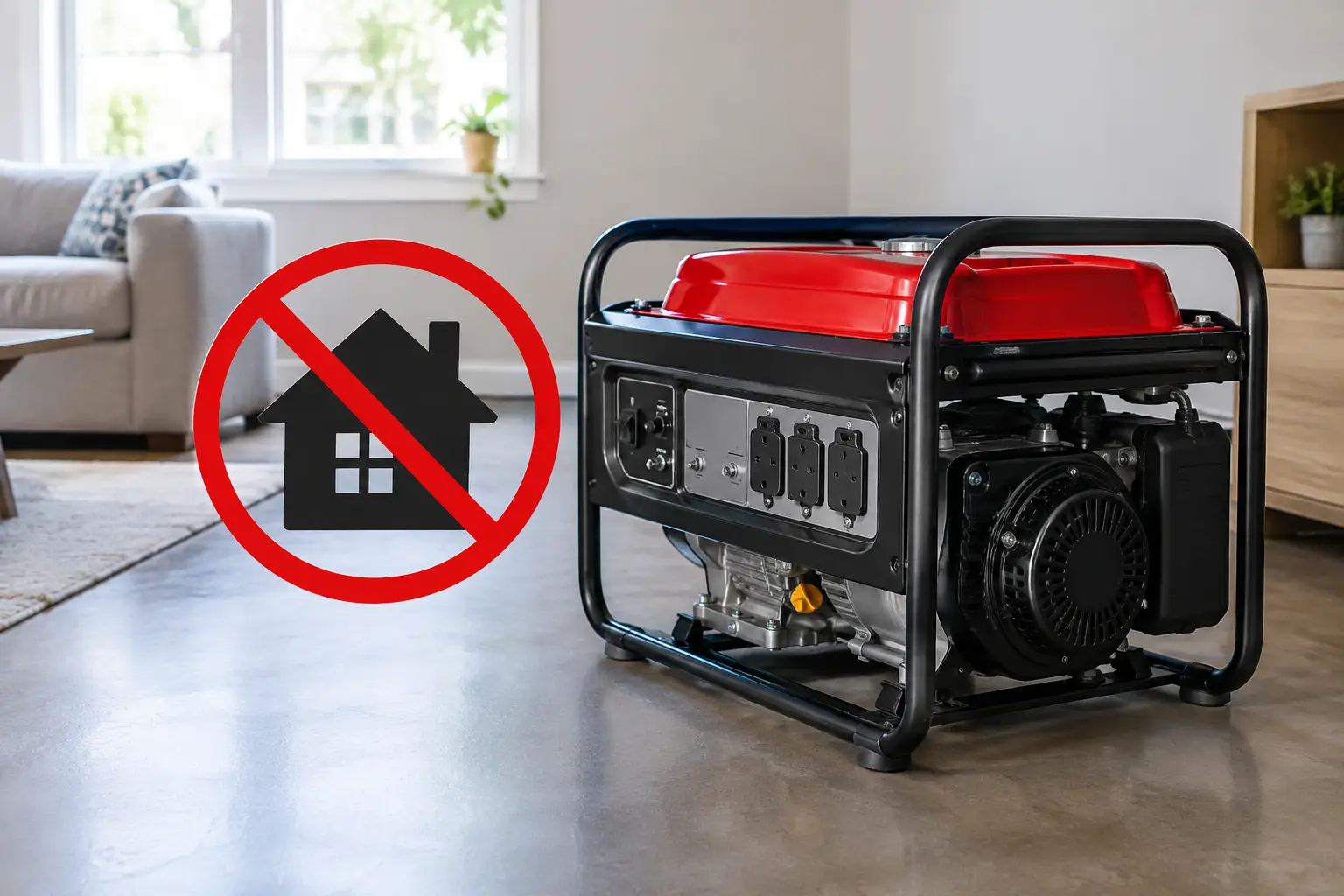
Portable generators can be useful for temporary or limited needs, but they usually require manual setup, fuel handling, extension cords or a manual connection method, and active supervision. They are not ideal for households that may be away when an outage hits, families with medical needs, or businesses that cannot afford delay.
Automatic standby generators are permanently installed and designed to respond when utility power fails. They connect through an automatic transfer switch and are built for reliable operation without last-minute setup. That convenience is not just about comfort. It protects against frozen pipes, spoiled food, flooded basements, lost work time, and business interruption.
The trade-off is cost. Standby systems are a bigger investment upfront. But for many homes and businesses, they are the only practical option if the expectation is real continuity rather than basic emergency power.
Why the installer matters as much as the equipment
A standby generator project touches electrical, fuel, code, and site conditions all at once. That is why professional execution matters so much. A low-cost installer may appear attractive early on, but low bids often leave out the parts customers only notice later, such as proper site preparation, transparent scope, startup testing, permit handling, and long-term service support.
A professional installer should be able to explain where the generator will sit, how noise and clearance requirements are handled, what fuel source makes sense, how transfer equipment works, and what maintenance the system will need over time. They should also be honest about trade-offs. Not every property is a simple install. Distance from gas service, electrical panel limitations, and local authority requirements can all affect the final design.
This is where experienced, service-focused companies stand apart. GenTek Power, for example, is built around turnkey standby power rather than one-off installs. That means the customer is not left stitching together sizing, permitting, installation, testing, and service from multiple vendors. For buyers making a high-trust infrastructure decision, that level of ownership reduces risk.
Questions worth asking before you hire
You do not need to become a generator expert before requesting quotes, but you should ask a few direct questions. Ask who performs the load calculation and how they determine system size. Ask whether permits and utility coordination are included. Ask what startup testing looks like and what happens if the unit needs service after installation.
Also ask about maintenance. Standby generators are not set-and-forget equipment. They need regular inspection, fluid and battery checks, software or controller review when applicable, and scheduled service to stay ready. A company that treats maintenance as an afterthought may also treat outage support as an afterthought.
Finally, ask who you call when the power is out and something is wrong. That answer tells you a lot. A real standby power partner plans for the moment you actually need the system, not just the day it gets installed.
What peace of mind really looks like
The best generator project does not leave you with more questions. It leaves you with confidence. You know what the system will power. You know how it was installed. You know who maintains it. And when bad weather rolls in, you are not scrambling for flashlights, extension cords, or updates from an unavailable contractor.
That is what people are really looking for when they type generator near me into a search bar. They want local support, but they also want accountability. They want a system that starts when it should, carries the loads it was designed for, and is backed by professionals who take the job seriously.
If you are considering backup power, focus less on finding the cheapest box and more on finding the right plan. The right generator, installed the right way, protects far more than appliances and circuits. It protects normal life when the grid stops cooperating.