A standby generator is supposed to remove uncertainty, not add to it. When homeowners and business owners ask how long do standby generators last, they are usually asking a bigger question: if I invest in backup power now, will it still protect me years from now when I need it most?
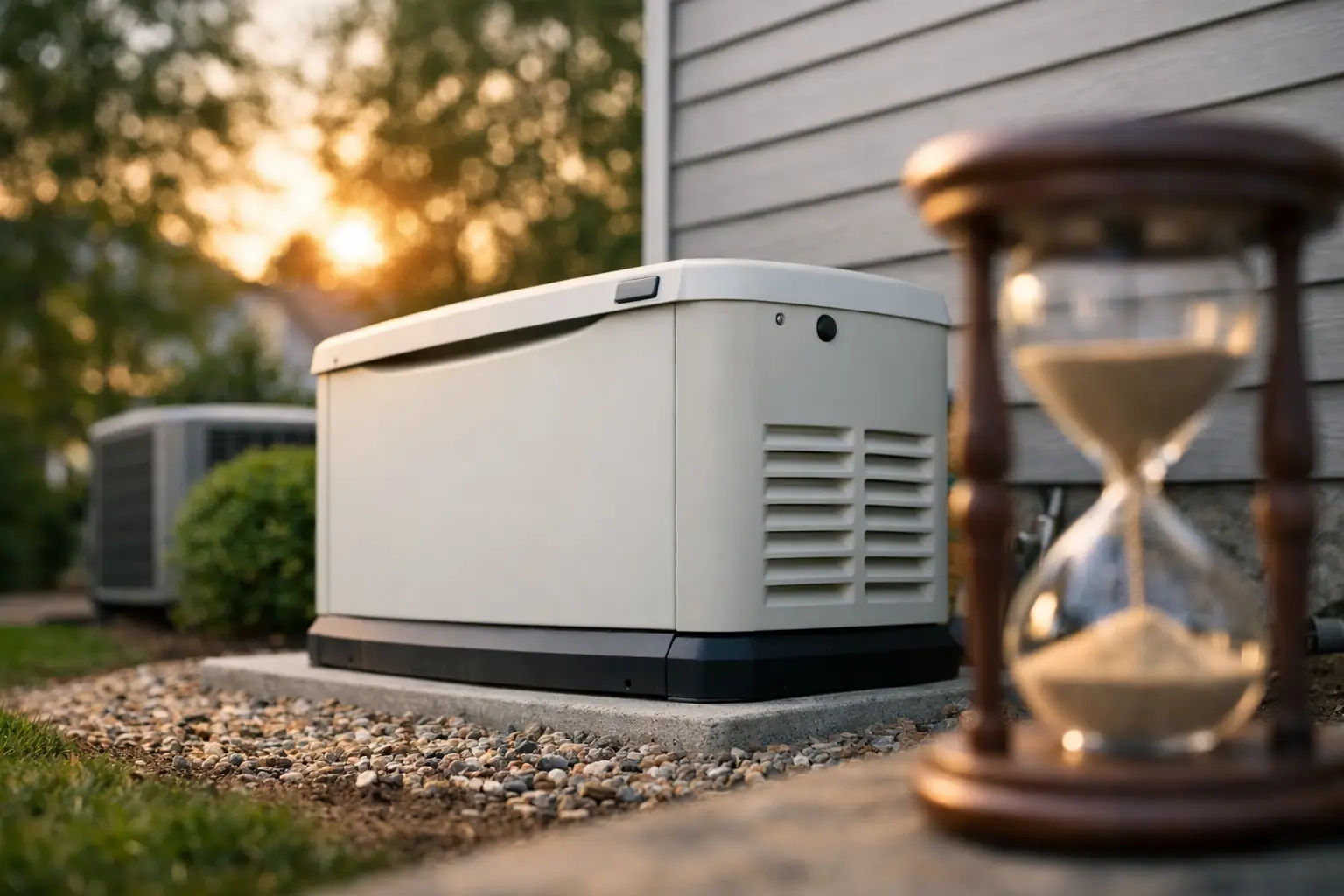
The short answer is that a properly sized, professionally installed, and well-maintained standby generator often lasts 20 to 30 years. In engine hours, that typically means somewhere around 10,000 to 30,000 hours depending on the model, fuel type, operating conditions, and service history. But lifespan is not just about the machine itself. It is also about how the system was designed, installed, exercised, and supported over time.
How long do standby generators last in real-world use?
Most residential standby generators do not run every day, so their lifespan is measured by both age and operating hours. A unit that sees a short weekly exercise cycle and a handful of outage events per year may still be in strong working condition after two decades. On the other hand, a generator that is undersized, overloaded, neglected, or exposed to repeated long-duration outages can wear out much sooner.
For many homes, 20 to 30 years is a realistic expectation if the generator receives regular maintenance and the installation was done correctly from the start. Commercial applications can vary more. A business with frequent outages or longer run times may reach major service milestones faster, even if the calendar age seems relatively young.
That is why asking only about years can be misleading. Two generators installed on the same day can age very differently depending on use.
What affects standby generator lifespan?
The biggest factor is load management. If a generator is constantly pushed near its maximum output, internal components experience more heat and stress. That does not mean a generator should sit oversized without a plan, but it does mean proper sizing matters. A system matched to the actual electrical demand will generally last longer and perform more reliably than one that is barely keeping up.
Installation quality also plays a major role. Poor fuel supply design, weak electrical connections, bad voltage drop, improper ventilation, drainage issues, and code shortcuts can all shorten equipment life. In many cases, generator problems blamed on the manufacturer actually begin with how the system was installed.
Maintenance is the next major variable. Oil changes, filter replacements, battery checks, coolant service, transfer switch testing, firmware updates where applicable, and regular inspections are not optional if you want long-term reliability. Standby generators are not appliances you can ignore until the lights go out.
Environment matters too. Coastal air, heavy moisture, blowing debris, rodent activity, extreme heat, and snow buildup can all affect longevity. A generator installed in a protected, well-planned location usually ages better than one exposed to constant environmental stress.
The difference between engine life and system life
When people think about generator life, they often focus on the engine. That makes sense, but the full standby system includes more than the engine block. The alternator, control board, battery charger, transfer switch, fuel regulators, enclosure, and wiring all affect whether the system remains dependable.
In some cases, the engine may still be mechanically sound while another part of the system becomes the weak link. A neglected battery, corroded terminals, a failing transfer switch component, or outdated controls can make a generator feel unreliable even if the core machine has years of life left.
This is one reason professional support matters after installation. Long-term reliability is not just about replacing oil on schedule. It is about keeping the entire backup power system ready to operate as one coordinated unit.
How fuel type can influence lifespan
Natural gas and propane standby generators can both deliver long service lives, but each setup has its own considerations. Natural gas is convenient because it provides a continuous fuel source in most areas. That can reduce refueling concerns during extended outages, but the generator still needs proper fuel pressure and line sizing to run correctly under load.
Propane systems are also common and can be an excellent option, especially where natural gas is not available. The trade-off is that fuel storage and tank management become part of the ownership picture. If a generator runs for long periods during major storms, fuel planning matters just as much as equipment condition.
Diesel generators, more common in certain commercial applications, are known for durability, but they come with their own maintenance and fuel management requirements. Fuel quality, storage conditions, and wet stacking concerns all affect long-term performance.
No fuel type automatically guarantees a longer life. A well-supported system will usually outlast a poorly maintained one, regardless of fuel.
Signs a standby generator may be nearing the end of its service life
Age alone does not mean replacement is necessary, but there are warning signs that a generator may be moving from dependable asset to growing liability. Hard starting, repeated exercise failures, voltage irregularities, fluid leaks, excessive oil consumption, unusual noise, corrosion, or recurring shutdown alarms all deserve attention.
Another common sign is rising repair frequency. An occasional repair is normal over the life of any mechanical system. But when service calls become more frequent, parts are harder to source, and confidence drops every storm season, replacement may be the smarter investment.
For some owners, the issue is not that the generator is completely worn out. It is that the home or business has changed. New HVAC equipment, larger loads, added refrigeration, home offices, medical devices, or business-critical systems can make an older generator undersized even if it still runs.
How to make a standby generator last longer
The best way to extend generator life is to treat it like critical infrastructure, not emergency décor. That starts with correct sizing and professional installation. A generator should be selected based on real electrical demand, startup loads, fuel availability, and the level of backup you actually need.
After that, routine maintenance is what protects the investment. Scheduled service should include the basics, but it should also include inspection of the transfer equipment, fuel delivery components, battery system, software or control settings, and actual operating performance. Exercise cycles should be monitored, not assumed.
It also helps to address small issues early. A minor coolant leak, weak battery, or nuisance alarm can turn into a no-start event during an outage if it is ignored. Standby systems usually give warning signs before they fail completely.
Remote monitoring can also improve longevity and readiness. Knowing whether a generator exercised successfully, threw a fault, or needs service helps catch problems before the next storm does.
Is it better to repair or replace an older generator?
It depends on the age of the unit, the cost of repair, parts availability, and how critical reliable backup power is for your property. If a generator has been well maintained and needs a straightforward repair, keeping it in service may make perfect sense. If it is older, increasingly unreliable, and protecting a home with medical needs or a business that cannot afford downtime, replacement may be the safer call.
The right decision is usually based on risk, not just repair cost. A lower repair bill is not a bargain if the system still leaves you exposed during the next outage.
That is where working with a service-focused generator company matters. The goal should not be to push replacement at every service visit or patch problems forever. It should be to give you a clear picture of remaining life, likely future costs, and the most dependable path forward. That is the standard GenTek Power believes customers should expect.
What most owners really want to know
When people ask how long do standby generators last, they are not asking for a generic number from a brochure. They want to know whether their family will stay safe, whether their business will stay open, and whether the contractor behind the system will still be there when support is needed.
A quality standby generator can absolutely be a long-term asset. But long life is earned through proper design, clean installation, regular maintenance, and ongoing accountability. If you want backup power that lasts, the smartest choice is not just the generator you buy. It is the team you trust to install it right and stand behind it year after year.
A generator should give you confidence every storm season, not one more thing to worry about.