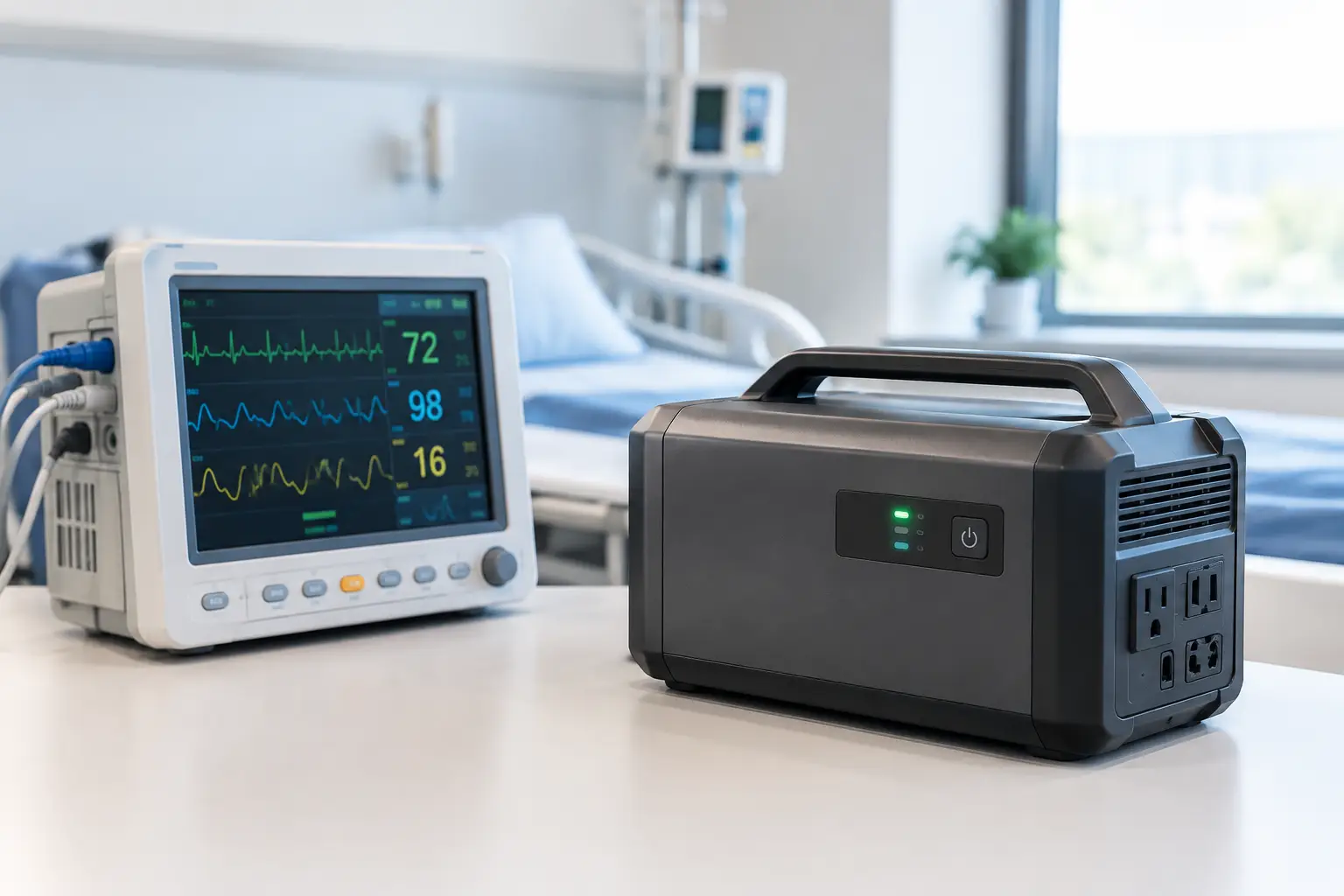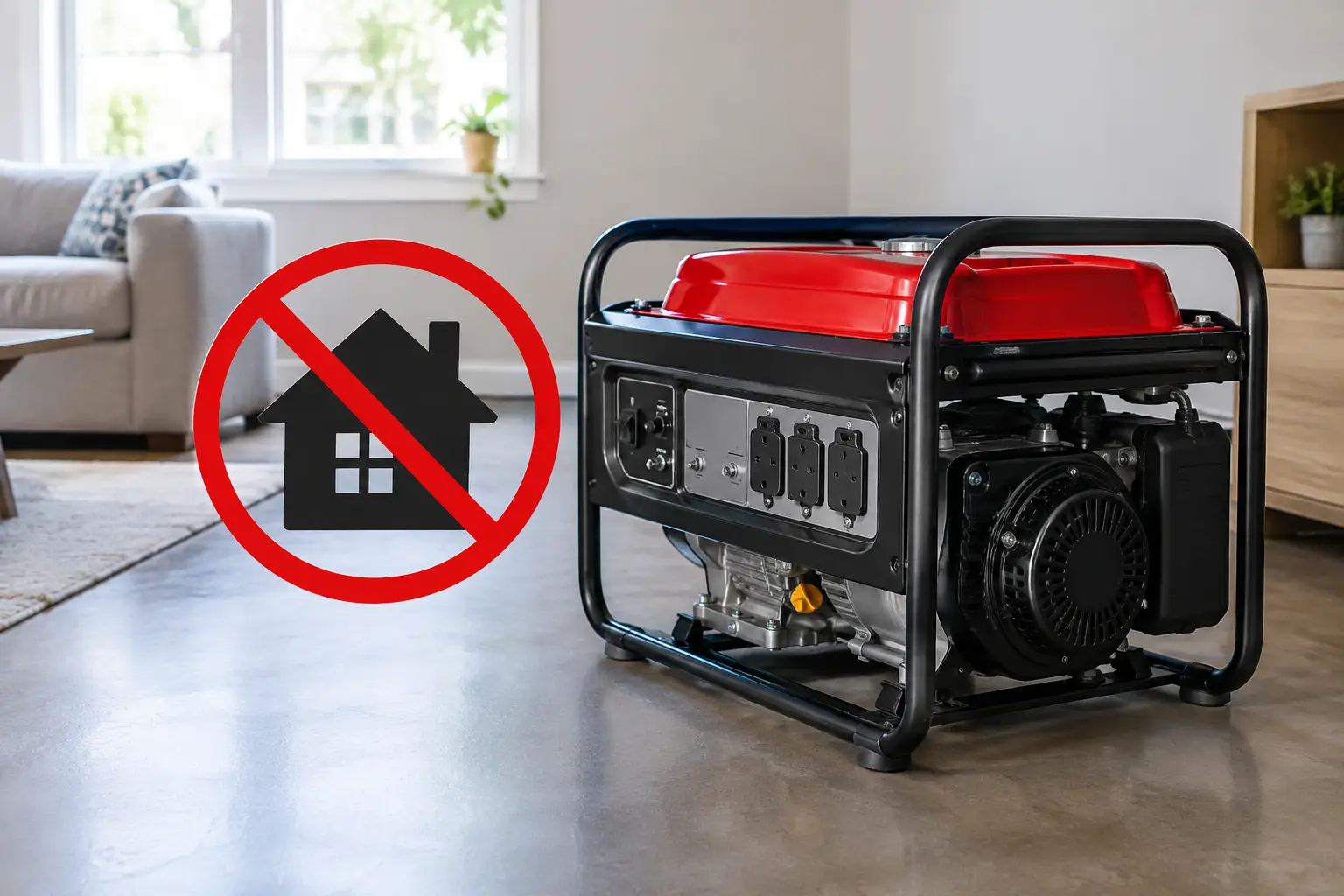
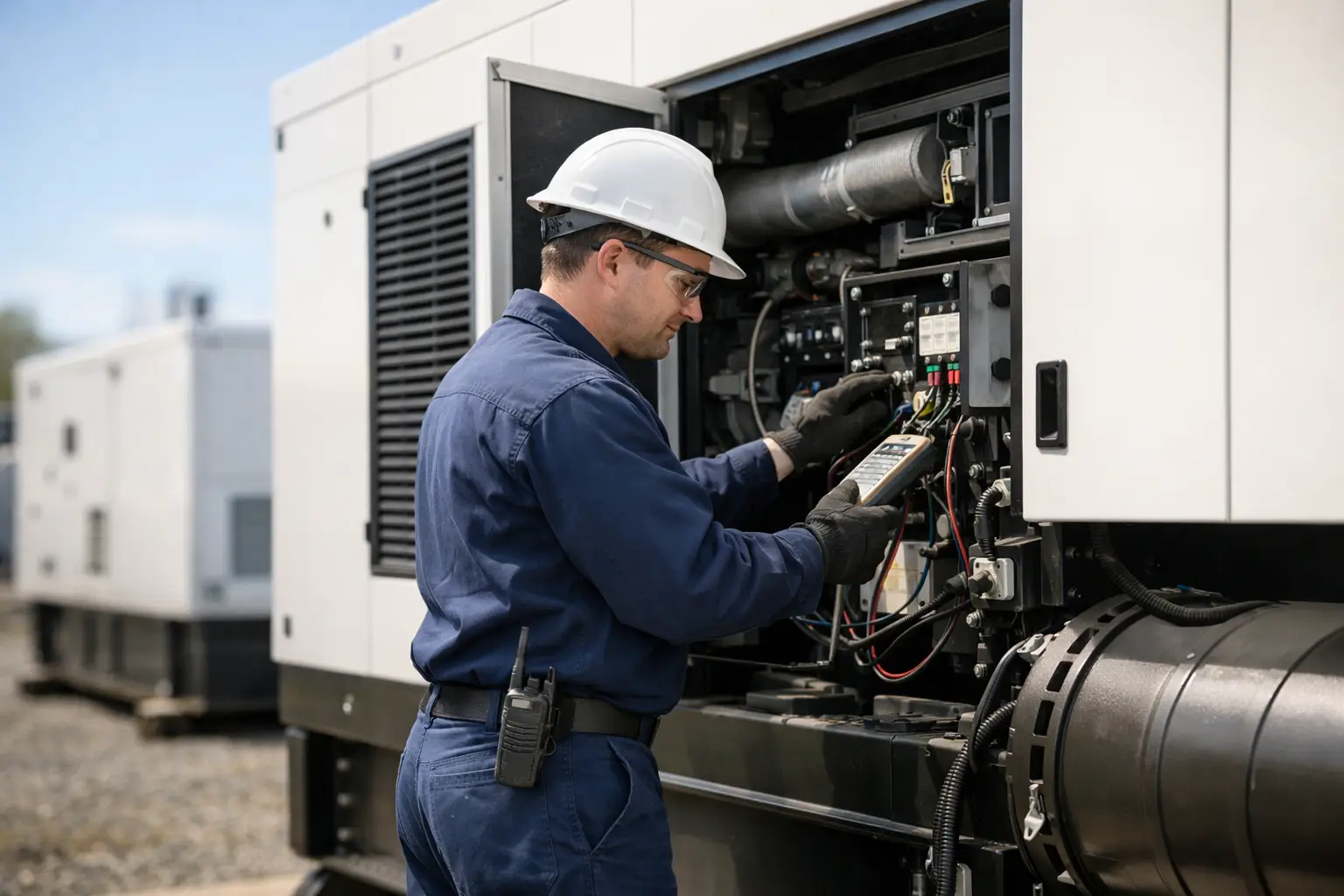
A standby generator is supposed to remove uncertainty, not add more of it. But the system protecting your home or business is only as dependable as the people who install and service it. That is why factory trained generator technicians matter so much. They are not just mechanics with general electrical experience. They are specialists who understand how specific generator systems are built, how they should perform, and what it takes to keep them ready when the utility power goes out.
For most property owners, a generator is not a casual purchase. It is a protection decision. You are buying peace of mind for food storage, heating and cooling, medical equipment, security systems, internet access, business operations, and daily life. If the installation is rushed, the sizing is wrong, or service is handled by someone learning on the job, that peace of mind disappears fast.
What factory trained generator technicians actually do
Factory training means the technician has been trained on a manufacturer’s equipment, procedures, diagnostics, and service standards. That matters because modern standby generators are not simple plug-and-play machines. They include engine systems, transfer switches, controller logic, fuel delivery components, battery charging systems, load management features, and safety protocols that all need to work together.
A qualified technician understands how the manufacturer expects the equipment to be installed, commissioned, tested, and maintained. They know the fault codes, the control boards, the startup sequence, and the common failure points for that brand. They also understand when an issue is electrical, when it is fuel-related, and when it is a programming or communication problem.
That level of brand-specific knowledge shortens troubleshooting time and reduces guesswork. When the power is out, that difference matters.
Why factory trained generator technicians reduce risk
Generator ownership comes with more complexity than many people expect. Before the system ever runs its first outage, there are questions about electrical load, fuel type, placement, ventilation, code requirements, utility coordination, and permit approvals. After installation, there is the ongoing work of inspection, testing, routine maintenance, and repair.
This is where poor workmanship becomes expensive. An installer who is unfamiliar with manufacturer requirements may choose the wrong transfer switch configuration, overlook a ventilation clearance, size the unit incorrectly, or fail to test real operating conditions. The generator may still start during a quick handoff test, but that does not mean it is ready for a long outage in bad weather.
Factory trained generator technicians help lower those risks because they work from proven standards, not assumptions. They are trained to follow setup procedures that protect performance, warranty coverage, and safety. That does not guarantee every job is perfect, but it gives you a much stronger foundation than hiring someone whose experience is broad but not specialized.
Installation quality affects everything after
A lot of generator problems blamed on the equipment actually begin with the installation. If the unit is not sized correctly for the property, you may end up with nuisance shutdowns, overloaded circuits, or a system that cannot support the essentials you expected it to cover. If wiring is sloppy or commissioning is incomplete, the generator may pass a basic test and still fail under real demand.
That is why experienced service providers put so much emphasis on the front end of the project. Good technicians do not just set the unit in place and wire it up. They verify the application, account for startup loads, check transfer operation, confirm controller settings, and test performance under conditions that reflect actual use.
For homeowners, that can mean the difference between keeping the whole house comfortable during a winter outage and discovering too late that critical loads were never properly planned. For business owners, it can mean the difference between staying operational and losing revenue during downtime.
Training matters during startup and commissioning
Startup is not a formality. It is the point where the installed system is checked against manufacturer standards and prepared for dependable operation. Factory trained technicians know what readings should look normal, what warning signs to catch early, and how to document proper commissioning.
That step often gets overlooked by low-cost installers focused on getting in and out quickly. The price may look attractive at first, but the long-term cost can show up in callbacks, failed inspections, hard-to-diagnose faults, and preventable service issues.
Better service is not just about repairs
Most generator owners think about technicians when something breaks. In reality, the best service happens before a failure. Preventive maintenance keeps the generator ready for the day it has to carry the property through an outage.
Factory trained generator technicians know the maintenance intervals, inspection points, firmware or controller updates, and brand-specific wear items that should be addressed before they become problems. They also know how to test the system as a whole, not just the engine. That includes transfer operation, battery condition, exercise cycles, alarms, and load response.
This is especially important for customers who rely on backup power for more than convenience. If you work from home, operate a business, store temperature-sensitive inventory, or depend on powered medical devices, your tolerance for failure is low. You do not want a once-a-year oil change from a contractor who disappears when the weather turns bad. You want trained support that treats reliability as an ongoing responsibility.
Warranty protection and manufacturer standards
One of the most overlooked reasons to work with factory trained technicians is warranty protection. Many generator manufacturers require approved installation and service practices for warranty claims to remain valid. If equipment is installed improperly or serviced carelessly, you can end up in a frustrating situation where a major issue is no longer fully covered.
That does not mean every warranty problem comes down to the technician, and it does not mean factory training alone solves every claim. But it does mean your odds improve when the people handling your system know the manufacturer’s process, use correct service methods, and document work properly.
When you are making a significant investment in standby power, that accountability matters.
Not all technicians offer the same level of support
This is where homeowners and business owners need to read past the sales pitch. Plenty of companies say they install generators. Fewer are set up to support them properly after the job is done.
A technician can be licensed and still lack meaningful generator-specific training. A contractor can offer a low quote and still cut corners on commissioning, maintenance planning, or emergency response capacity. And some installers focus heavily on sales but provide limited service once the system is in place.
It is fair to ask practical questions. Who handles warranty work? Who performs routine maintenance? Who responds during an outage? Is the company set up for long-term service, or are they mainly moving boxes and subcontracting the hard parts?
Those answers tell you a lot about what kind of ownership experience you can expect.
What strong generator service looks like
Reliable support usually includes proper system sizing, code-compliant installation, documented startup, scheduled maintenance, clear communication, and responsive service when something goes wrong. The best providers take ownership of the whole process because they know generator reliability is built over time, not sold in a single visit.
That is the standard customers should expect from a company like GenTek Power. The goal is not just to get a generator installed. The goal is to make sure it performs when the outage is real, the weather is bad, and the stakes are higher than comfort alone.
The cheapest option often becomes the expensive one
There is always pressure to compare generator quotes by bottom-line price. That is understandable. Standby power is a major purchase, and nobody wants to overspend. But there is a difference between value and a low number on paper.
A cheaper installer may leave out items that protect long-term reliability, such as proper load review, detailed testing, maintenance planning, or manufacturer-aligned startup procedures. They may also be harder to reach once the job is complete. If you save money upfront but face repeat service calls, delayed repairs, or a generator that fails during an outage, the original discount stops looking like a win.
It depends on your goals, your property, and your risk tolerance. For a rarely used portable setup, a generalist may be enough. For an automatic standby system tied into your home or business infrastructure, specialized training is far more important.
Choosing confidence over guesswork
When you are trusting a generator to protect your family, your property, or your operations, the people behind that system matter just as much as the equipment itself. Factory trained generator technicians bring manufacturer-specific knowledge, safer installation practices, stronger diagnostics, and more dependable long-term support.
That does not just help your generator run better. It helps you make a smarter buying decision from the start, with fewer surprises after installation and more confidence when the lights go out.
If you are comparing providers, look beyond the brochure language and ask who will actually stand behind the system after the sale. The right technician is not just there to install equipment. They are there to help make sure backup power is ready when you need it most.