When the power goes out at 2 a.m., the problem is not just darkness. It is the sump pump that stops, the fridge that starts warming up, the Wi-Fi that drops during work, the furnace that goes silent in freezing weather, and the question every homeowner asks next – how long is this going to last? A home backup generator is meant to remove that uncertainty, but only if it is properly selected, installed, and supported.
For many homeowners, the biggest mistake happens before the equipment ever arrives. They assume every generator does the same job, or that the lowest quote gets them the same protection. It does not. Backup power is a system, not just a machine. The generator itself matters, but so do the electrical design, fuel supply, transfer switch, permits, startup testing, and long-term service behind it.
What a home backup generator actually does
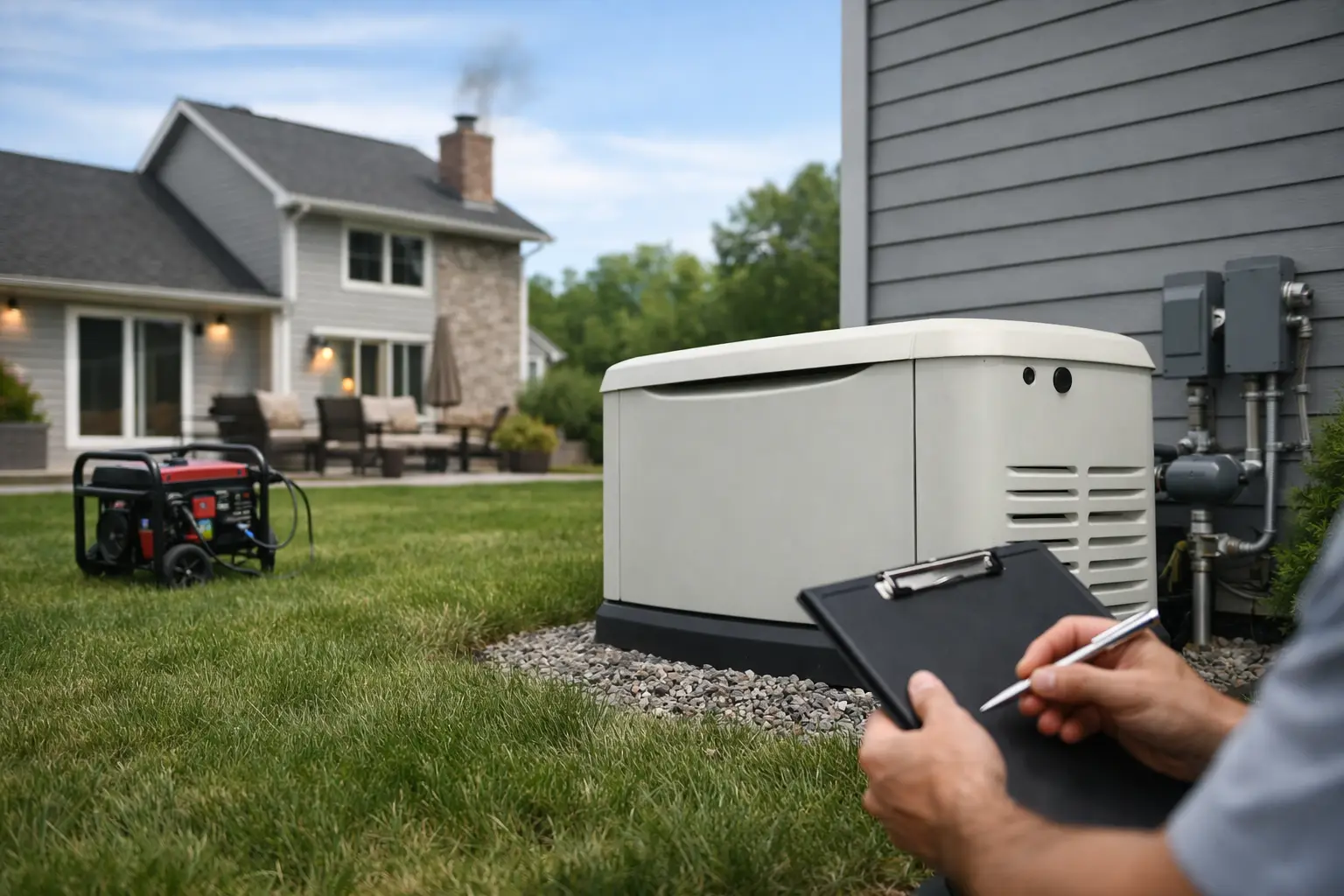
A home backup generator is a permanently installed standby power system that turns on automatically when utility power fails. Unlike a portable unit, it does not require extension cords, manual setup, refueling in the rain, or a scramble to decide what gets plugged in first. It monitors the power coming into your home, starts within seconds of an outage, and transfers selected circuits or the whole house onto generator power.
That automatic response is what makes standby systems different. If you travel often, work from home, have a finished basement with a sump pump, or rely on heating and cooling for comfort or health, waiting to react to an outage is not much of a plan. The value is not just convenience. It is continuity and protection when nobody wants to be making emergency decisions.
Is a whole-home backup generator worth it?
That depends on what an outage costs you.
If your main concern is keeping a few lights on for a short outage once every couple of years, a standby system may feel like more than you need. But many homes now depend on electricity in ways that are easy to underestimate. Refrigeration, freezers, well pumps, internet service, garage doors, medical equipment, security systems, and modern HVAC all raise the stakes. Add remote work or smart home controls, and power loss stops being a minor inconvenience.
A whole-home backup generator makes the most sense when the house needs to keep functioning, not just survive. Families with young children, older adults, home offices, finished basements, or temperature-sensitive spaces usually see the benefit quickly. The same is true in areas with repeated storm outages or utility instability. The longer and more frequent the outages, the easier the investment is to justify.
There is also a property protection angle that homeowners sometimes overlook. Frozen pipes, flooded basements, spoiled food, and HVAC shutdowns can create repair costs that add up fast. Backup power is not only about comfort. It can prevent damage.
Sizing a home backup generator the right way
This is where good projects separate themselves from risky ones.
Generator sizing should not be based on guesswork or a rough square-foot estimate. A proper load assessment looks at what the home actually needs to run during an outage. In some cases, that means essential circuits like refrigeration, heating equipment, lighting, and internet. In others, it means true whole-home coverage, including central air, electric appliances, and larger motor loads.
Too small, and the generator struggles or forces you to give up systems you expected to keep. Too large, and you may pay more than necessary for equipment, fuel use, and installation complexity. Neither is a smart outcome.
Homes with air conditioning, electric water heating, electric ranges, well pumps, or large workshop loads often need careful planning. Load management can help in some cases by prioritizing major appliances so the generator does not have to power everything at once. That can be a smart middle ground between partial backup and a larger whole-home unit.
Fuel choice matters more than most people expect
Most residential standby generators run on natural gas or propane. Each option has trade-offs.
Natural gas is popular because it offers continuous fuel delivery through the utility line. Homeowners do not have to refill tanks during extended outages, which is a major advantage. But fuel pressure and utility availability still need to be evaluated, especially for larger systems.
Propane can be an excellent fit where natural gas is not available. It stores well and can support reliable standby operation, but tank sizing becomes important. A generator that can technically run on propane is not automatically protected for a long outage unless the fuel reserve matches the runtime expectations.
Diesel is less common for homes and more typical in certain commercial applications. For most residences, natural gas or propane is the practical path.
The right answer depends on the site, local utility service, the loads being backed up, and how long the homeowner wants to be protected during a sustained outage.
Why installation quality matters
A standby generator is not a plug-and-play appliance. It is an electrical and mechanical system that must be integrated into the home safely and legally.
That includes site placement, concrete or composite pad preparation, gas piping, electrical connection, transfer switch installation, code compliance, utility coordination, and permit approvals. If any part of that process is rushed or mishandled, the homeowner takes on unnecessary risk. Poor installation can lead to nuisance shutdowns, startup failures, code issues, safety hazards, or expensive corrections later.
This is why the installer matters as much as the brand on the generator. Homeowners should expect clear quoting, professional load calculations, licensed trades, startup testing, and a handoff process that confirms the system works under real conditions. If a contractor treats the job like a basic equipment drop, that is a warning sign.
The best experience is a managed one. At GenTek Power, for example, the value is in taking ownership of the full process so the customer is not left coordinating permits, electrical work, fuel setup, and service support on their own.
Service is part of the product
A generator that starts once on installation day is not the same thing as a generator you can trust three years later during an ice storm.
Like any standby equipment, generators need regular maintenance. Oil, filters, battery condition, software updates, exercise cycles, and inspection of wear items all affect reliability. The homeowner may never notice a weak battery or fuel issue until the exact moment the system is needed. That is why scheduled maintenance is not optional if dependable performance is the goal.
Ongoing support also matters when alarms appear, utility conditions change, or storm response is needed. This is where low-price installers often disappear. They may sell a unit, complete the job, and move on. The homeowner is then left searching for service when the system has a fault or misses an automatic start.
Long-term support should be part of the buying decision from the beginning. Ask who performs warranty work, who handles annual maintenance, whether remote monitoring is available, and how emergency service is managed during widespread outages.
Common misconceptions about home backup generators
One common misconception is that every standby generator powers the entire house. Many do, but not all. Coverage depends on system size, electrical design, and your selected loads.
Another is that a generator eliminates every outage-related issue. It greatly reduces disruption, but it still depends on good fuel supply, proper maintenance, and professional installation. Reliability is built into the full system, not promised by the equipment alone.
Homeowners also sometimes assume the cheapest quote is the best value. In reality, unusually low pricing often means corners are being cut somewhere – undersized equipment, vague scope, weak service support, or installation shortcuts that create problems later.
How to choose the right system and installer
Start with the outcome you want. Do you want to keep essentials running, or do you want the home to operate normally during an outage? That question shapes everything else, from sizing to budget.
Then look for a contractor who can explain the process in plain language. You should understand what is being backed up, what fuel source is recommended, what the timeline looks like, what permits are required, and what service support looks like after installation. Clear answers are a sign of competence. Vague promises are not.
It also helps to choose a company that treats generator ownership as an ongoing responsibility, not a one-time sale. Backup power is most valuable when the storm arrives, not when the proposal is signed.
A good home backup generator should make your home feel protected, not complicated. If the process is being handled professionally, you should come away with something better than a machine in the yard. You should have confidence that when the grid goes down, your home is still ready.