The fastest way to derail a backup power project is to treat permits and inspections like paperwork you can figure out later. A standby generator touches electrical, fuel, placement, noise, and safety rules all at once, which is why a solid generator permitting and inspection guide matters before the equipment ever reaches your property.
For homeowners, mistakes here can mean failed inspections, utility delays, and a generator that cannot legally operate when the power goes out. For business owners, the stakes are even higher because downtime, occupancy requirements, and insurance questions can all come into play. The good news is that the process is manageable when it is planned properly from the start.
Why permitting is not optional
A standby generator is not a plug-in appliance. It becomes part of your building systems, usually through an automatic transfer switch, electrical panel work, and a fuel connection. That means local authorities typically want to confirm the installation meets code and does not create fire, shock, exhaust, or clearance hazards.
Permits also protect you after the install. If you ever sell the property, file an insurance claim, or need warranty support tied to installation quality, documented code compliance matters. Skipping permits may look cheaper upfront, but it often creates more expense later when corrections, rework, or retroactive approvals are required.
What permits are usually required
The exact mix depends on your city, county, and utility, but most standby generator projects involve more than one approval. In many areas, the electrical permit is the core requirement because the work includes service equipment, feeder connections, grounding, and transfer equipment.
A plumbing or gas permit may also be required if the generator runs on natural gas or propane. That part of the project can include fuel line sizing, pressure verification, regulator work, and code-compliant shutoffs. If a concrete or composite pad is being installed, some jurisdictions may also review placement and site conditions.
Zoning review is another common factor. Even when the generator itself is allowed, there may be rules for setbacks from property lines, windows, doors, air intakes, and neighboring structures. Some municipalities also apply noise standards, especially in tighter residential lots.
For commercial properties, approvals can be broader. Depending on occupancy type and system purpose, fire department review, engineered drawings, or utility coordination may be part of the process. If the generator supports legally required loads or critical operations, expect closer scrutiny.
A practical generator permitting and inspection guide
The cleanest projects follow a predictable sequence. First comes site evaluation. This is where proper planning prevents expensive changes later. The installer should confirm load requirements, fuel type, utility service details, placement options, code clearances, and local permit triggers before quoting the work as if it were straightforward.
Next comes system design and application preparation. That usually includes equipment specifications, a site plan, one-line electrical details when required, fuel information, and manufacturer documentation. This step matters because permit delays often start with incomplete paperwork, not with the inspector.
After permit submission, there is usually a waiting period. Some jurisdictions issue permits quickly, while others may take longer during storm season or construction peaks. If utility approval is needed for meter work, service modifications, or disconnect coordination, that timeline has to be built in too.
Only then should installation move forward in earnest. In some areas, limited prep work may be allowed before full approval, but that depends on local rules. Assuming the permit will come through is a gamble most property owners regret when it does not.
What inspectors are looking for
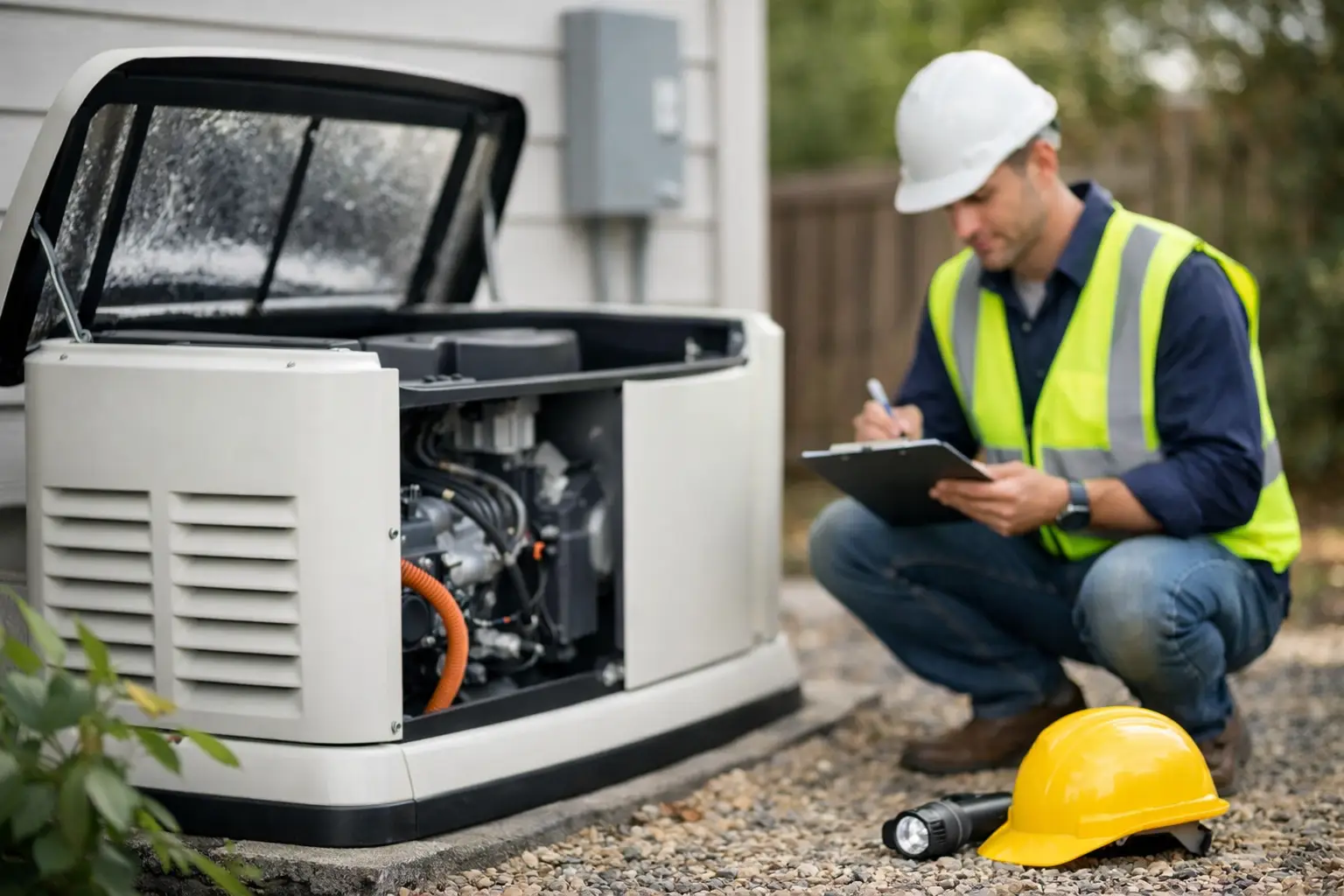
Inspections are not there to make the project difficult. They are there to verify the installation is safe and code-compliant. That said, inspectors do not grade on good intentions. They look at what is actually installed.
On the electrical side, they typically verify proper transfer switch installation, conductor sizing, overcurrent protection, grounding and bonding, labeling, working clearances, and overall workmanship. They may also confirm that the generator is connected in a way that prevents dangerous backfeeding into utility lines.
On the fuel side, they may check pipe sizing, shutoff valve access, sediment traps where required, pressure testing, leak checks, and whether the fuel supply matches the generator’s operating demand. A generator that is undersupplied with fuel may start during testing and still fail under load later, so this is not a minor detail.
Placement is another major focus. Inspectors often verify required clearances from openings, structures, ignition sources, and combustibles, along with manufacturer-specific installation instructions. If the pad is unstable, drainage is poor, or the exhaust location is unsafe, that can stop approval even if the wiring is clean.
Common reasons generator projects fail inspection
Most failed inspections come down to rushed planning or contractor shortcuts. The first common issue is bad placement. A generator may physically fit in a location that code or manufacturer rules do not allow. Moving it after the pad, trenching, and fuel line work are complete is a costly correction.
The second issue is incomplete electrical work. Missing labels, improper breaker selection, inadequate working clearance, or incorrect grounding details can all trigger a reinspection. These are not exotic mistakes. They are signs that the installer treated standby power like a simple accessory instead of a critical building system.
The third issue is fuel supply miscalculation. This shows up when pipe sizing is based on nameplate assumptions without considering total appliance demand, distance, or pressure drop. The result can be a generator that seems installed but does not perform reliably under real outage conditions.
Paperwork problems are also common. If permit documents do not match the installed equipment, or if required specifications are missing, approval can stall even when the physical work looks acceptable.
Homeowner and business owner responsibilities
You do not need to become a code expert to get this right, but you do need to ask the right questions. Who is pulling the permits? Who is coordinating with the utility if needed? Who will be present for inspections? If a correction is required, who owns that follow-up?
Those answers tell you a lot about the contractor. A professional installer treats permitting and inspection as part of the job, not as a burden pushed onto the customer after the contract is signed. That level of ownership is especially important when schedules tighten before storm season.
For commercial properties, it is also worth confirming whether operations, tenants, or access restrictions affect inspection timing. A well-managed project accounts for these practical realities early instead of discovering them after equipment is on site.
Why experience changes the outcome
Permitting is local, but the patterns are predictable. Experienced generator contractors know where projects tend to stall, which documents are commonly requested, and how inspectors typically review standby systems in their area. That does not mean shortcuts. It means fewer surprises.
It also means the installation is designed to pass from the start. There is a big difference between putting a generator on a pad and delivering a complete backup power system that is approved, tested, and ready for the next outage. Companies like GenTek Power build their value around managing that entire process because customers are not buying a machine alone. They are buying confidence that it will work when conditions are at their worst.
How to keep your project moving
If you are planning a generator, start early. Waiting until the forecast turns ugly usually means longer permit queues and less scheduling flexibility. Have your site evaluated properly, make sure the equipment is sized for your actual needs, and confirm that permitting, utility coordination, installation, and inspection are all included in the scope.
It also helps to keep records once the project is complete. Save permit approvals, inspection sign-offs, startup documentation, maintenance records, and warranty information. Those documents matter over the life of the system, especially if service, resale, or future upgrades come into play.
A backup generator should reduce stress, not create a new set of problems because the process was handled carelessly. When permitting and inspection are treated as part of the protection plan, the end result is simple: a safer installation, fewer delays, and a system you can trust when the lights go out.
The best time to solve permit and inspection issues is before the first trench is dug, because peace of mind starts long before the outage does.